Printable Alphabet Letters for Fun Hands-On Learning
- Printable Alphabet Letters for Fun Hands-On Learning
- Key Takeaways
- Why Letter Recognition Comes Before Reading
- Uppercase and Lowercase Letter Printables
- Alphabet Matching Activities
- Letter Tracing Practice
- Alphabet Crafts for Preschoolers
- Sensory Alphabet Learning
- Classroom Display Ideas
- Homeschool Alphabet Activities
- Tips for Printing and Organizing Alphabet Resources
Printable alphabet letters let you discover shapes, sounds, and names through playful practice. You can trace big and small letters, color them, or mark them with dots. Match uppercase cards to lowercase cards, then hunt for the same letters on signs and books. Try magnetic letters, sensory bins, or simple crafts to make each shape memorable. Start with a few familiar letters and build confidence each day. Keep going to find activities and organizing ideas.
Key Takeaways
- Print uppercase and lowercase letter sets to help children recognize each letter’s different forms.
- Use letter cards for matching games, sorting activities, and simple alphabet sequencing practice.
- Add tracing worksheets or reusable mats to practice letter shapes, direction, and pencil control.
- Encourage sensory play with magnetic letters, dot markers, playdough, or water-based letter sorting.
- Create alphabet crafts and displays to reinforce letters through coloring, painting, cutting, and daily visual exposure.
Why Letter Recognition Comes Before Reading
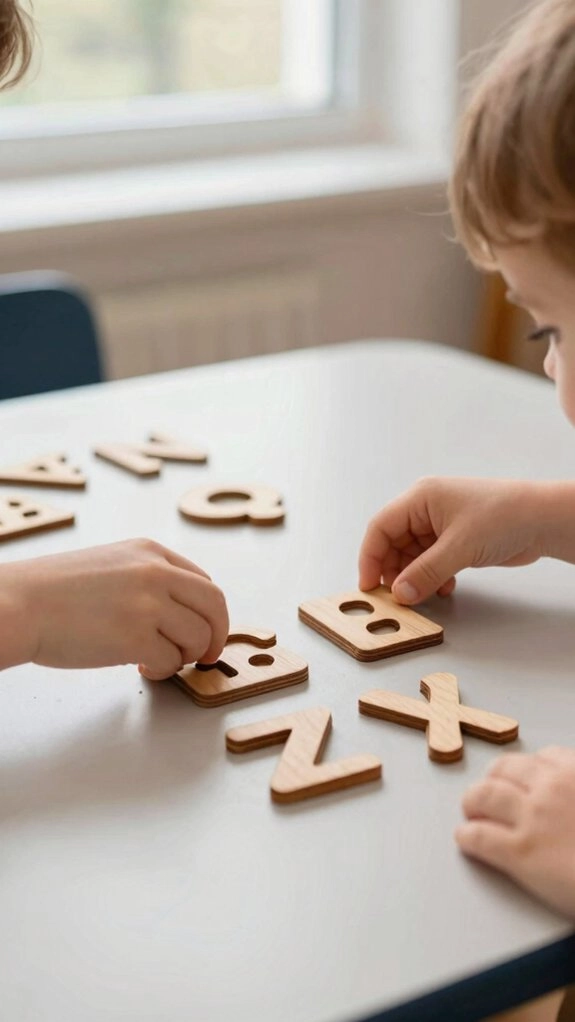
Before you can read words, you need to recognize the letters inside them. When you know each letter’s name and sound, words begin to make sense.
You can join other young readers by finding letters in books and signs.
Hands-on play makes learning feel welcoming.
Try letter sound games with magnetic letters, then use matching pictures to choose each beginning sound.
A letter scavenger hunt can make practice active as you search for letters around the room.
These small wins build Phonics readiness.
Repeated practice helps you remember what you see.
With independent letter practice, you grow confident and prepare to decode new words.
Every correct match shows your brain it’s ready for reading adventures.
Uppercase and Lowercase Letter Printables
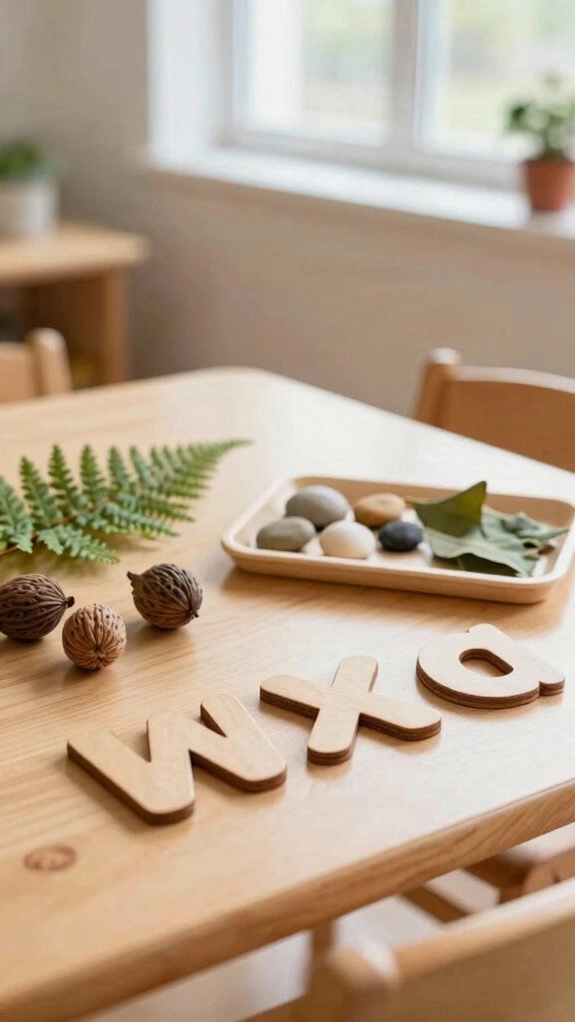
Uppercase and lowercase letter printables help you notice how each letter can look different. You can use letter-only charts to study shapes without distracting pictures. Trace, find, color, and dot-marker each form to strengthen your visual skills. These activities give your hands sensory feedback that can help movements become smoother with practice. You belong in this learning team, and every try counts.
| Try | What you do | Why it helps |
|---|---|---|
| Letter color sorting | Group forms by color | You spot details |
| Name building games | Arrange familiar letters | You feel confident |
Choose one case first, then investigate the other when you’re ready. Celebrate your growing alphabet knowledge. Soon, changing shapes will feel friendly and familiar to you.
Alphabet Matching Activities
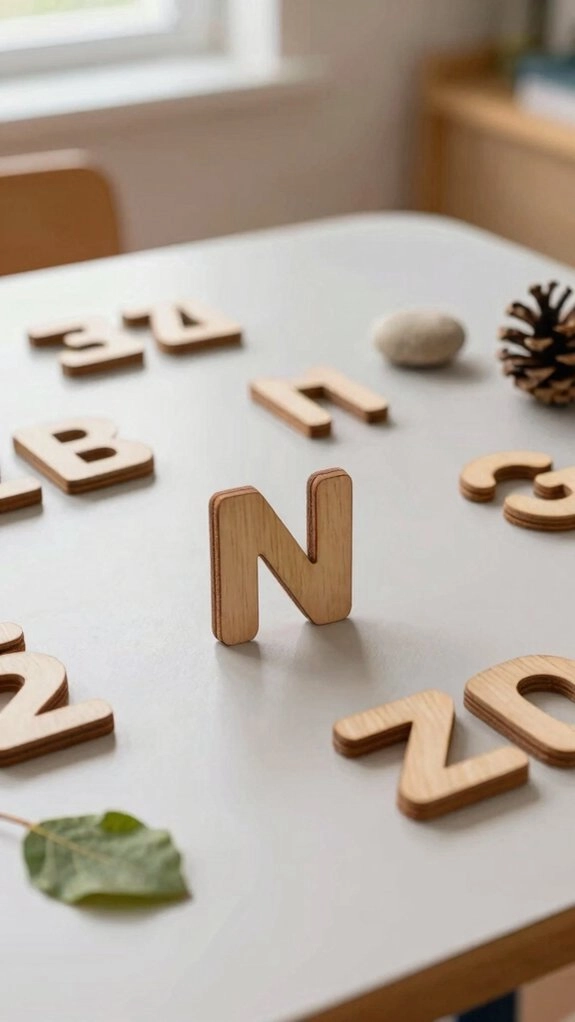
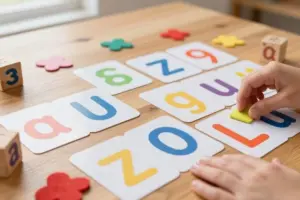
Once letter shapes feel familiar, matching activities turn that knowledge into a fun challenge. You can use printable cards or tiles to match uppercase and lowercase letters one-to-one.
Start with easy pairs, then try sorting letter pairs or building short words together.
For Initial sound matching, choose a picture card and listen for its first sound.
Place magnetic letters on magnetic picture word mats or a baking sheet alphabet printable.
You can also rescue letters from water or a sensory bin and match them to mats.
These alphabet matching games grow with you, adding more choices when you’re ready.
Add picture dice to inspire playful matching prompts that connect letters, images, and simple story ideas.
Letter Tracing Practice

Letter tracing practice helps you learn each letter’s path, shape, and direction. Use large uppercase and lowercase worksheets to notice how cases differ.
Hang tracing mats at your height, then finger-trace them whenever you want. Add dots or markers before tracing to strengthen recognition.
Choose one letter for each short session. Then see how many times you can trace or find it alone.
Pair outline letters with this see-it, trace-it routine. You’re building sound to letter practice and phonics blending skills with your learning community.
Before tracing, build hand-eye coordination through playful activities like stacking, threading, and placing small objects.
Each careful stroke helps you feel confident, connected, and ready for more every day.
Alphabet Crafts for Preschoolers
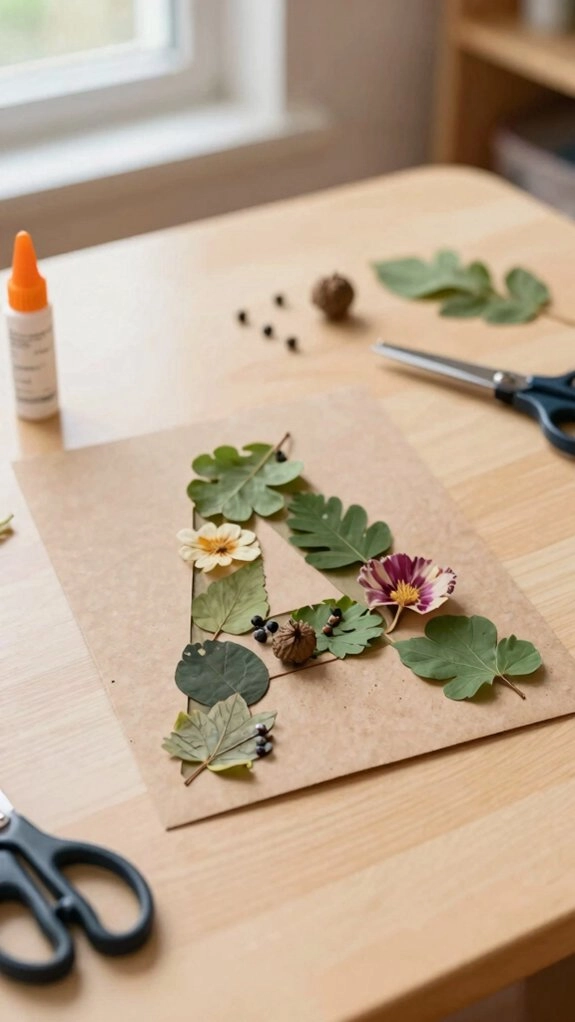
With alphabet crafts, you can turn each new letter into something you make. You’ll feel part of the learning team as you color, paint, trace, and glue.
Try paper plate letters for a bright A-to-Z display that everyone can share. Downloadable printables give you uppercase and lowercase choices, so you can practice both forms.
Fine motor crafts, such as dot markers and cut-and-paste pages, strengthen the hand skills you’ll use for writing.
Include Sensory letter play in your rotation for variety.
Pair your creations with alphabet sound games: say the letter and its sound as you work. Together.
Try Q-tip painting to make tiny letter dots while building pinch grip and hand-eye coordination.
Sensory Alphabet Learning
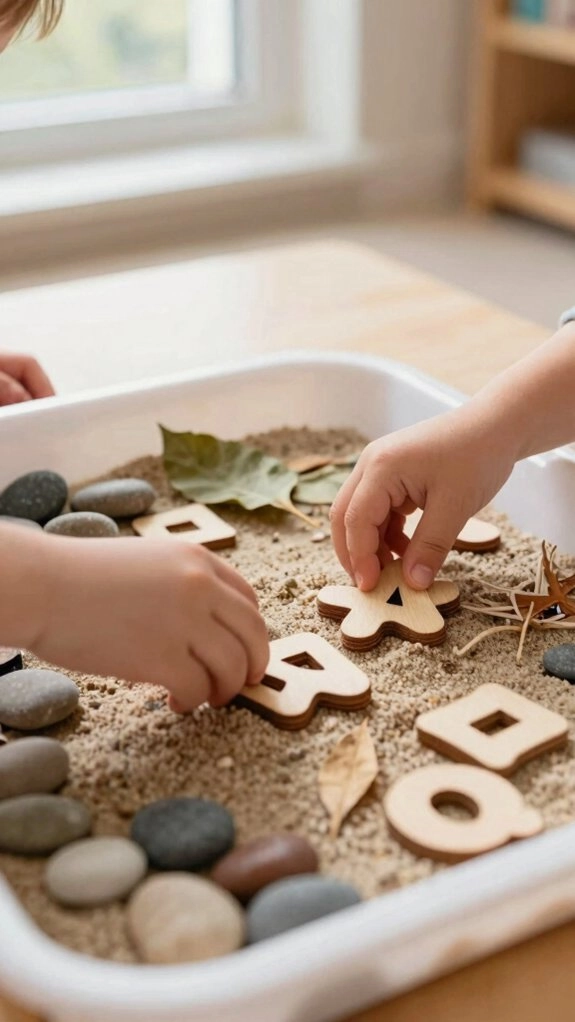
Sensory alphabet learning lets you uncover letters through touch, movement, and play. You belong in this hands-on adventure, whether you splash, scoop, or search. Try Sensory letter sorting games in a water tub. Catch threading-bead letters with a slotted spoon or hole cup. This builds fine motor letter practice while your eyes match shapes.
| Activity | Your mission |
|---|---|
| Water tub | Scoop and sort letters |
| Egg bin | Rescue cards and match mats |
| Next step | Match lowercase to uppercase |
Start lowercase-to-lowercase, then level up. Place only E cards on the E mat, or count matches. Sensory seekers can enjoy the tactile challenge.
Classroom Display Ideas
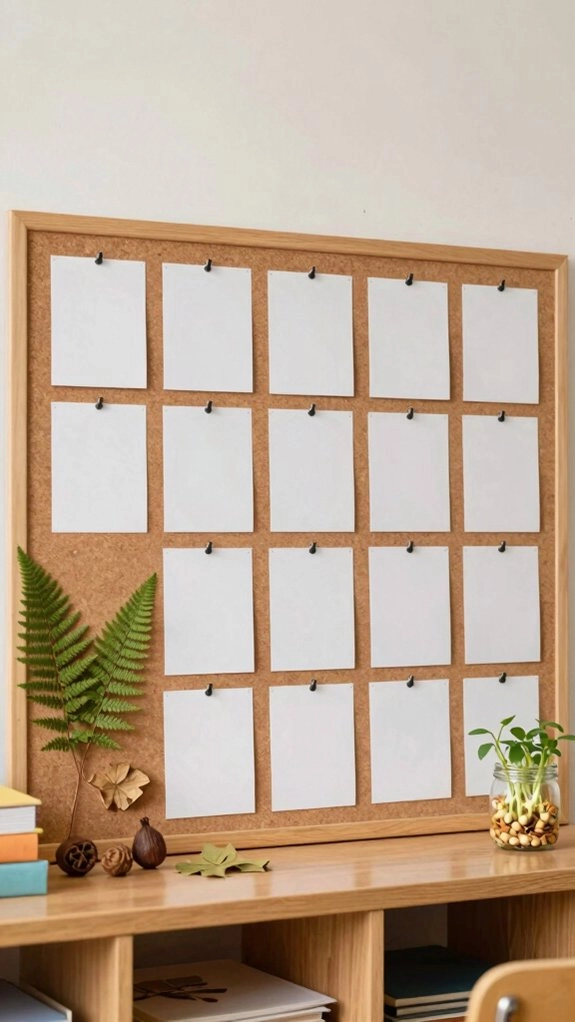
Your classroom walls can become helpful learning tools that invite daily alphabet practice. You’ll build a welcoming space where every learner can join in.
- Hang a color or blackline alphabet chart printable in your Reading Center for daily checking.
- Add child-height tracing mats so small fingers follow each letter’s path.
- Use uppercase-only and lowercase-only charts, plus Letter border displays, to spotlight shapes without pictures.
- Set out colored printable cards for Pocket chart practice, bingo, matching, and searches. Place large outlines, dot-marker letters, or tiles nearby for Rainbow Write the Room.
Your friends can choose a card and begin together.
Homeschool Alphabet Activities
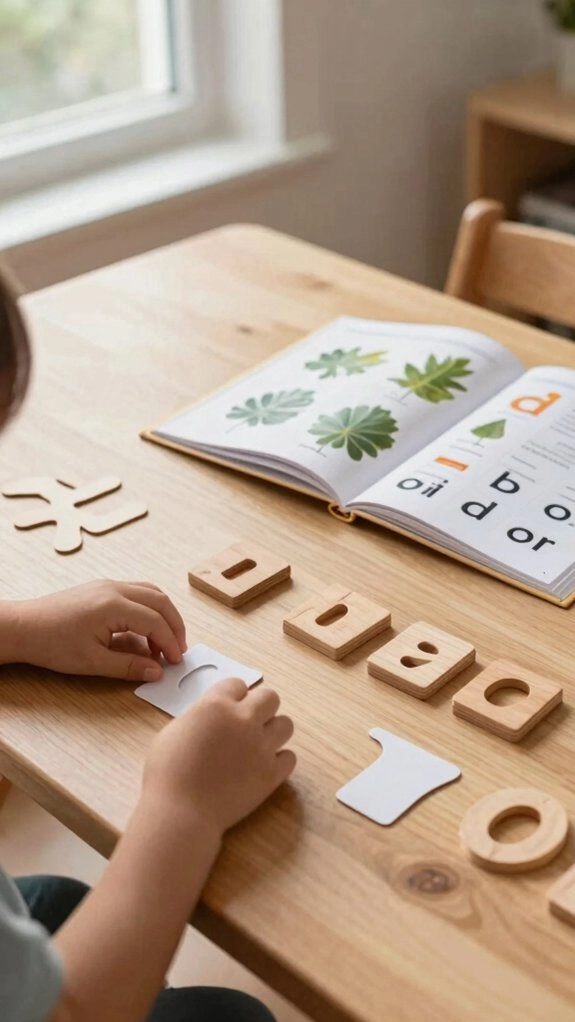
At home, you can turn alphabet practice into a small adventure each day. You and your child can build skills together without relying on worksheets.
Set up printable sorting stations with letter cards, tiles, and charts. Try Phonics game play on a baking sheet, matching uppercase and lowercase letters.
For letter sounds practice, use beginning-sound mats or secret picture clues. Create alphabet sensory bins with water, then sort letters and name them.
Dot markers, tracing outlines, and splat games strengthen hands and help you notice differences.
Every small finding helps your homeschool team feel confident and connected as learners.
Tips for Printing and Organizing Alphabet Resources
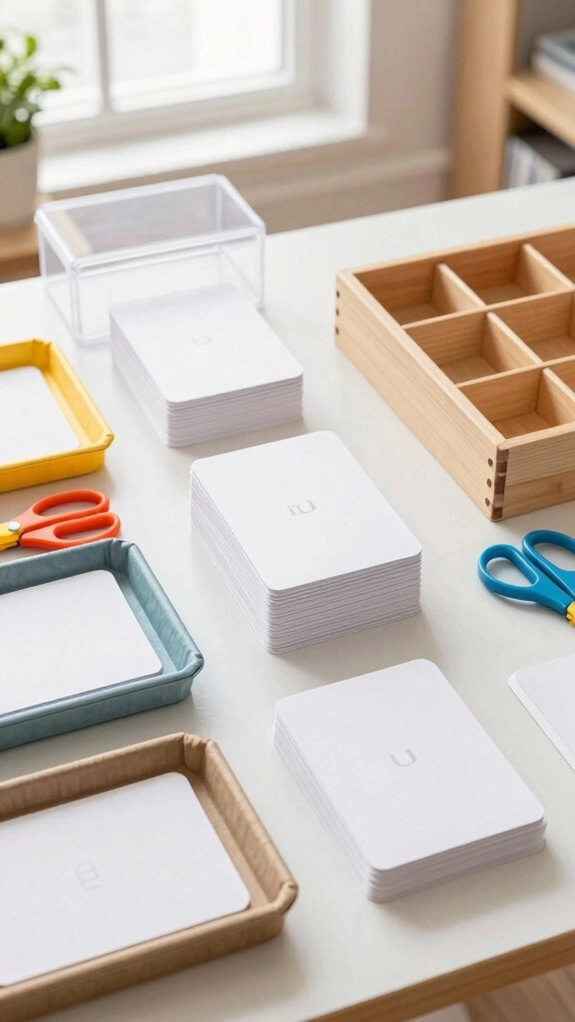
Smart printing and simple storage keep your alphabet activities ready for action. You’ll feel part of a prepared learning team when every letter has a home.
- Print uppercase and lowercase sets on different colored cardstock for speedy matching, bingo, and pair games.
- Place Printable Letter Charts beside Uppercase/Lowercase Letter Charts, so you can focus on shapes.
- Plan sorting routines: keep cards, tiles, outlines, and tracing mats in separate bins.
- Laminate favorites and use storage label systems on envelopes. Print one or two worksheets at once, then tuck them into a daily folder.
Your colorful kit stays welcoming and ready.