Worksheets for Kids That Make Learning Feel Like Play
- Worksheets for Kids That Make Learning Feel Like Play
- Key Takeaways
- Why Worksheets Still Matter in Early Learning
- Choosing the Right Worksheet for Your Child's Age
- Alphabet Worksheets
- Number Worksheets
- Shape Recognition Worksheets
- Matching Activities
- Cut and Paste Worksheets
- Tracing Worksheets
- Coloring Worksheets with Learning Goals
- Making Worksheets More Interactive
- Printable Learning Tips for Parents and Teachers
You can turn practice into play with short, colorful worksheets that invite you to trace, match, count, and uncover. Choose pages that fit what you already know, then try a tiny challenge. Hunt for letters on signs, count toys after a number page, or draw shapes in sand. Use crayons, scissors, and movement to keep your hands busy. A few minutes each day builds confidence, and the ideas ahead can make each page an adventure.
Key Takeaways
- Choose age-appropriate worksheets that build confidence with short, clear tasks and familiar themes.
- Use alphabet pages for tracing, letter hunts, matching, and simple writing practice.
- Turn number and shape worksheets into games with counting challenges, visual searches, and real-world follow-ups.
- Add matching, cut-and-paste, tracing, and coloring activities to strengthen fine motor and early academic skills.
- Pair paper practice with movement, scavenger hunts, sidewalk chalk, or sensory tracing to keep learning playful.
Why Worksheets Still Matter in Early Learning
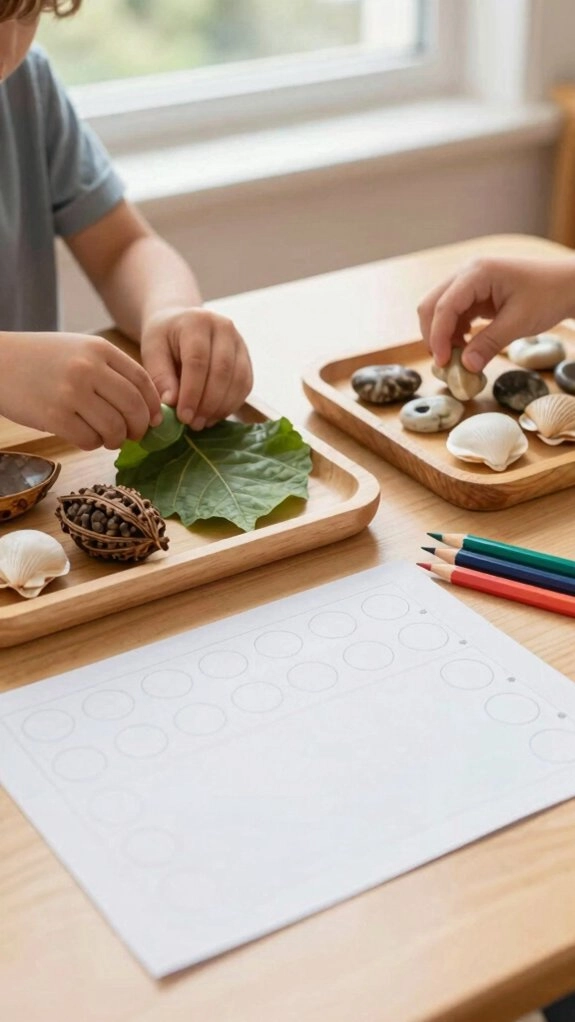
Worksheets can help you practice skills you’ve already learned through play and everyday life.
You might recognize letters, trace their shapes, and follow picture directions.
Each page gives you a calm chance to show what you know.
This low stress learning can build confidence and pencil control.
Reinforcing routines with worksheets works best alongside movement and finding.
Try playful skill practice by making letters with chalk, finding signs, or reading silly bedtime words.
Parent involvement makes these moments feel shared and encouraging.
You’re part of a learning team, and every small success connects you to the skills you use together now.
Choosing the Right Worksheet for Your Child’s Age

The best worksheet meets you where you’re and builds from there.
For younger kindergarteners, choose familiar writing practice that strengthens skills you see every day.
Around ages eight and nine, pick pages with simple visual directions and “show what you know” challenges.
They offer age appropriate difficulty without piling on new ideas.
At ten to twelve, themes like space, animals, or mysteries can turn practice into a quest.
Keep paper time short with printable time limits, then add play based follow ups, such as sidewalk-chalk writing.
Weekly routines create confidence building routines, helping you feel supported and capable.
Alphabet Worksheets
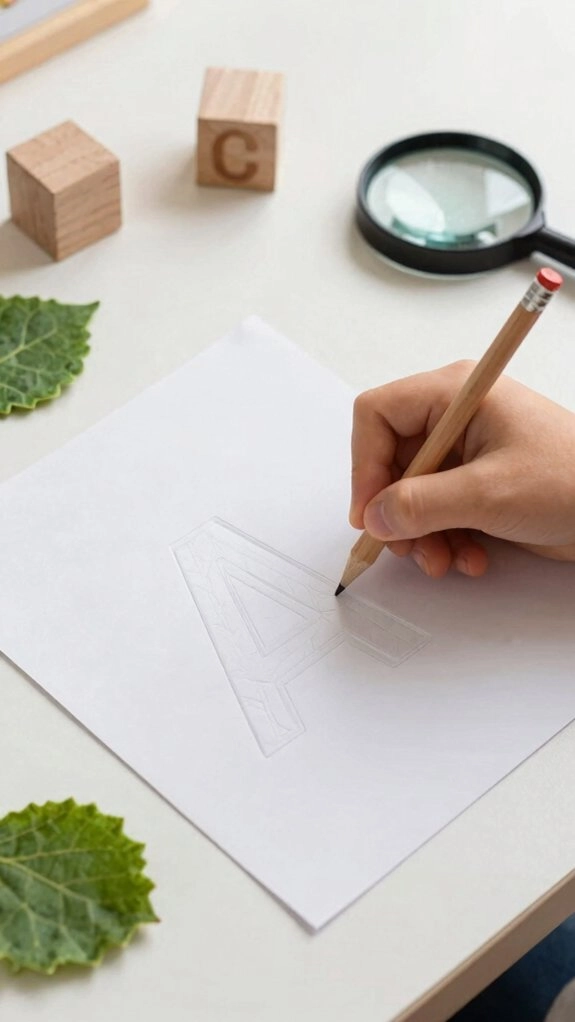
With alphabet worksheets, you can uncover letters you already notice every day. Signs, labels, and books become friendly clues when you practice spotting them.
Trace a letter, then write it yourself to build pencil control and confidence.
Try directions such as “circle the letter M” or find and match. These quick tasks help you connect letter shapes with sounds.
Keep practice short, so it feels easy and welcoming.
Then invite family or friends to join a scavenger hunt, chalk tracing, or letter games. Together, you’ll see that practice belongs in your everyday adventures.
Each new letter can feel familiar.
Number Worksheets
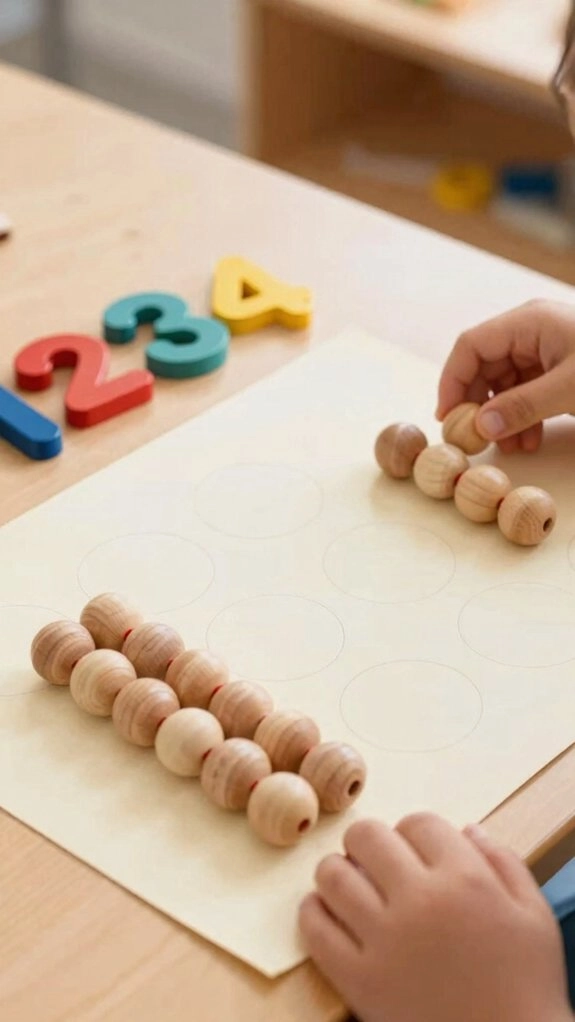
Number worksheets can turn counting practice into a small treasure hunt. Each correct answer moves you closer to a goal, and everyone can cheer your progress. Try quick daily pages that help you spot numerals and count with confidence. Then take learning beyond paper with Real world counting games. Tally leaves outside or count snacks at home. For multisensory number fun, search a sensory bag for matching numerals. You can also build a math tree or score math trashketball baskets.
| Try | Mission |
|---|---|
| 3 | Find three buttons |
| 5 | Toss five paper balls |
| 7 | Place seven labels |
| 10 | Count ten leaves |
Shape Recognition Worksheets
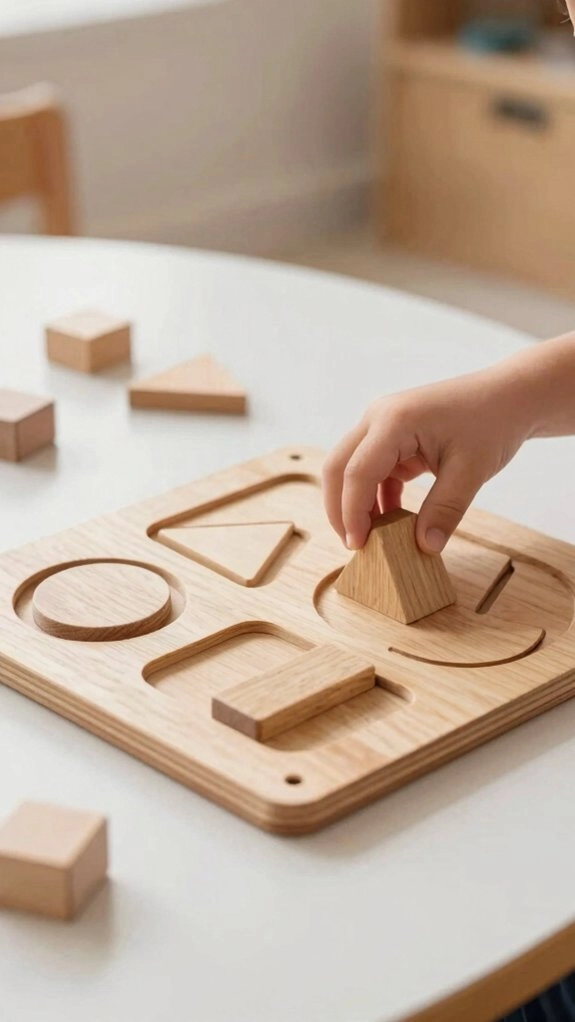
How can a circle or triangle become a clue in a learning game? Shape recognition worksheets help you spot circles squares triangles and rectangles with confidence.
You’ll trace dotted outlines circle the right shape and discover shapes that turn or change size.
These pages build visual discrimination spatial awareness and pencil control at the same time.
Choose game-style prompts like trace and find or color by shape for Play based practice.
Use worksheets after you’ve met shapes in everyday life.
Then continue short daily routines by spotting circles at home and triangles on road signs.
You’re part of shape detectives.
Matching Activities
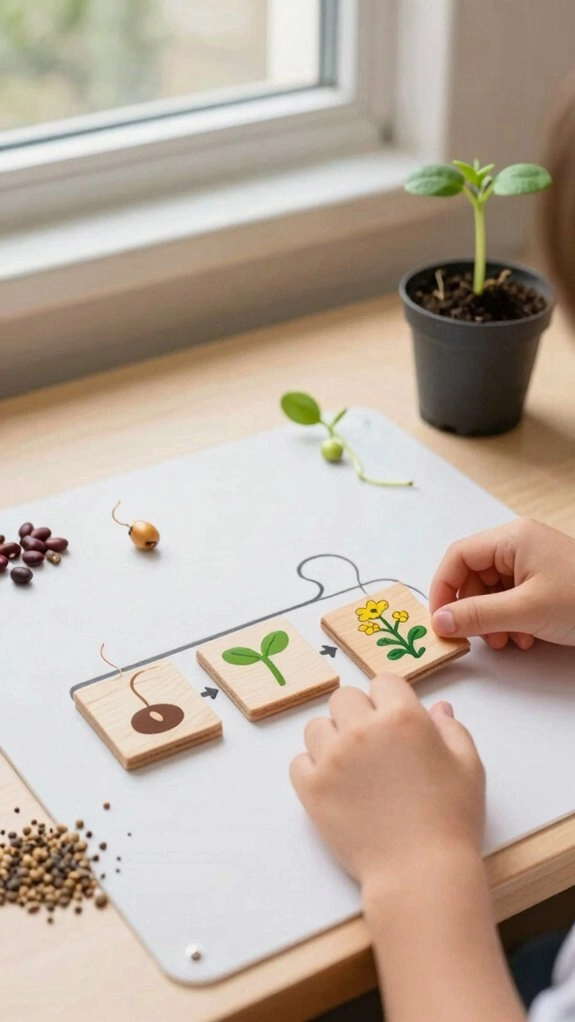
Once you can spot shapes, you can start finding pairs that belong together. Matching games help you notice how pictures, letters, and words connect.
Match an alphabet card to a picture that begins with its sound to reinforce letter sound links. Try quick rounds, then invite friends or family to join.
You can use “I Spy” scavenger matching around the room to find sight words.
For a hands-on challenge, build focus with sensory bin pairing by finding hidden labels and matching them to objects.
Keep each game brief and cheerful. Add a few extra choices as you grow stronger.
Cut and Paste Worksheets
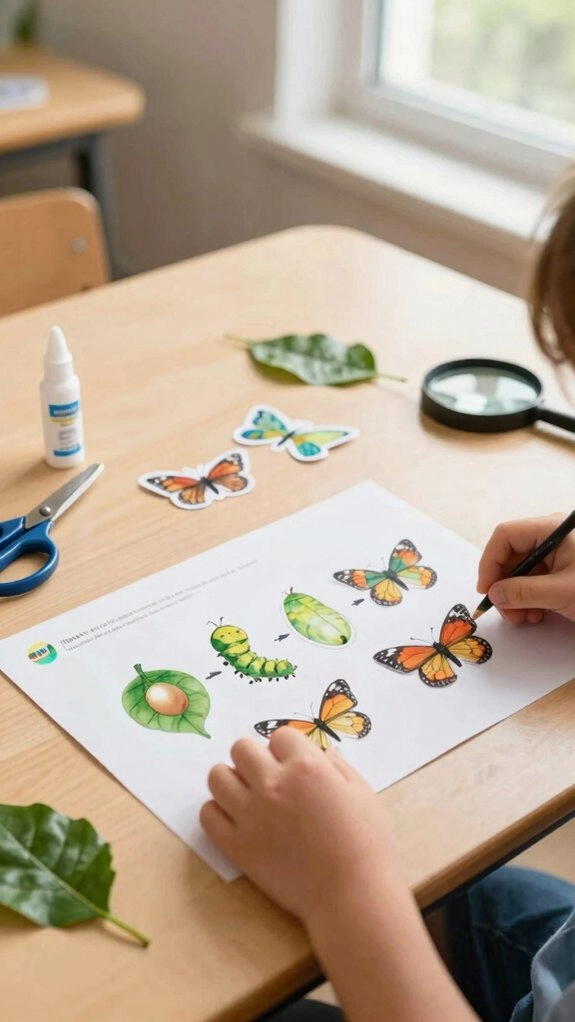
With scissors, glue, and a bright worksheet, you can turn practice into a hands-on mission. Cut pieces, follow each step, and see how you belong in the learning team. These pages make cutting practice feel useful, not scary. Try themed sorting games with animals, space, or mysteries.
| Goal | Your mission |
|---|---|
| Match words | Glue pictures beside words |
| Sequence events | Put story pieces in order |
| Letter focus | Find and place letters |
| Fine-motor strength | Cut big and small shapes |
You’ll build confidence with familiar ideas while your hands strengthen for beginning writing. Choose trace-and-cut pages when you want extra pencil-control practice before you glue them down.
Tracing Worksheets
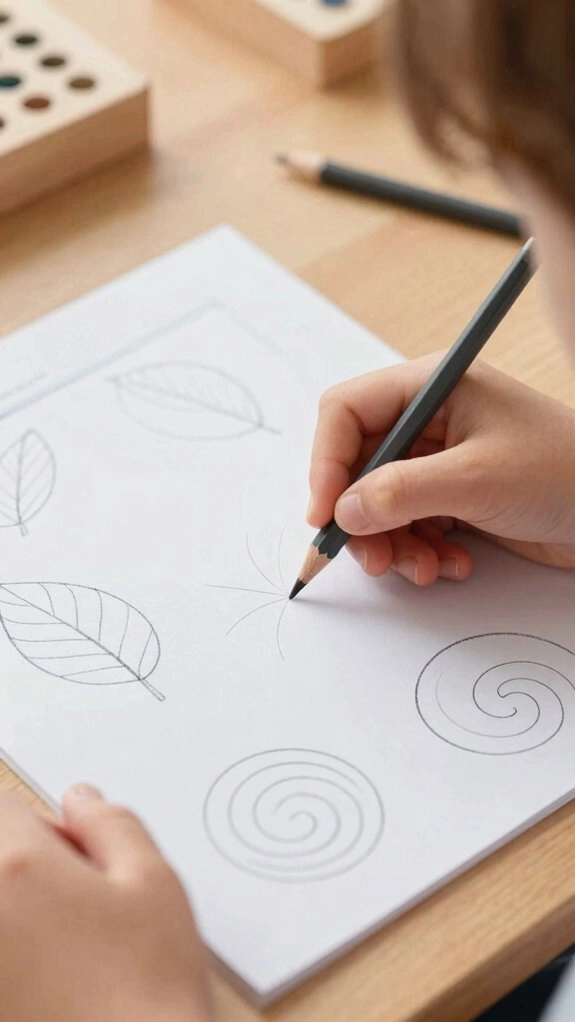
Tracing worksheets turn each line and curve into a small writing adventure.
You can follow dotted or solid outlines before writing letters on your own. This Letter formation focus helps you notice where every shape begins and ends.
Short repeated strokes give your fingers fine motor practice and steadier pencil control.
Choose pages with arrows and starting dots, so you know which way to go.
Try uppercase and lowercase letters to spot familiar shapes in books and signs.
When you finish, trace the same letter in sand or sidewalk chalk.
You’ll build confidence with every successful mark you make.
Coloring Worksheets with Learning Goals
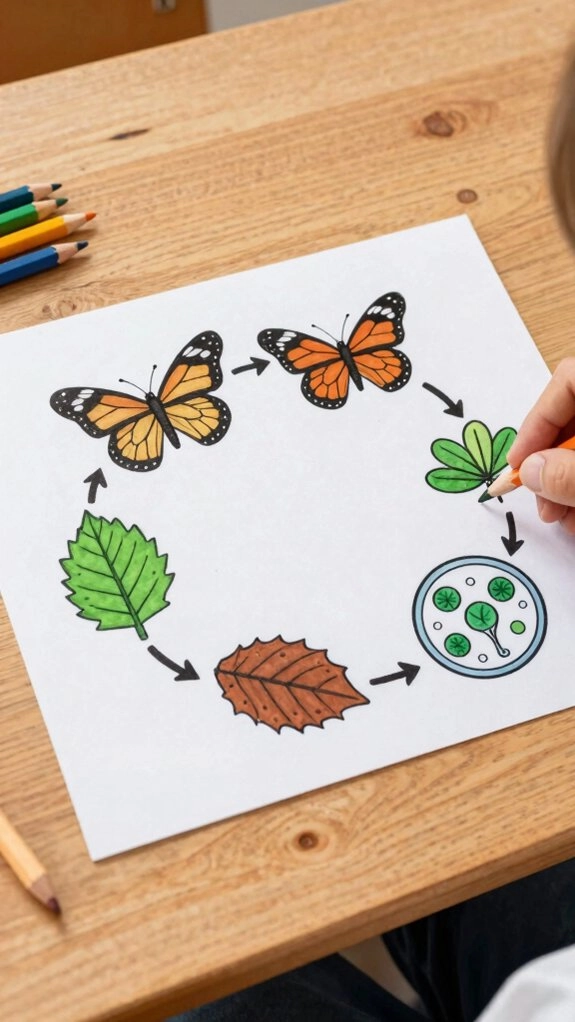
Coloring worksheets make practice feel like a creative mission instead of a test. You can color letters, numbers, and shapes while showing what you know.
Color all the M’s red, or find odd numbers, and you’ll spot important differences.
These short, themed pages build early reading and math skills without pressure.
Skill based crayon control also strengthens your fingers and pencil grip.
Clear, sensory friendly instructions help you feel confident and included.
After you learn the basics, try parent led mini lessons for gentle support.
Then use themed reward charts to celebrate progress.
Finished pages show you belong.
Making Worksheets More Interactive
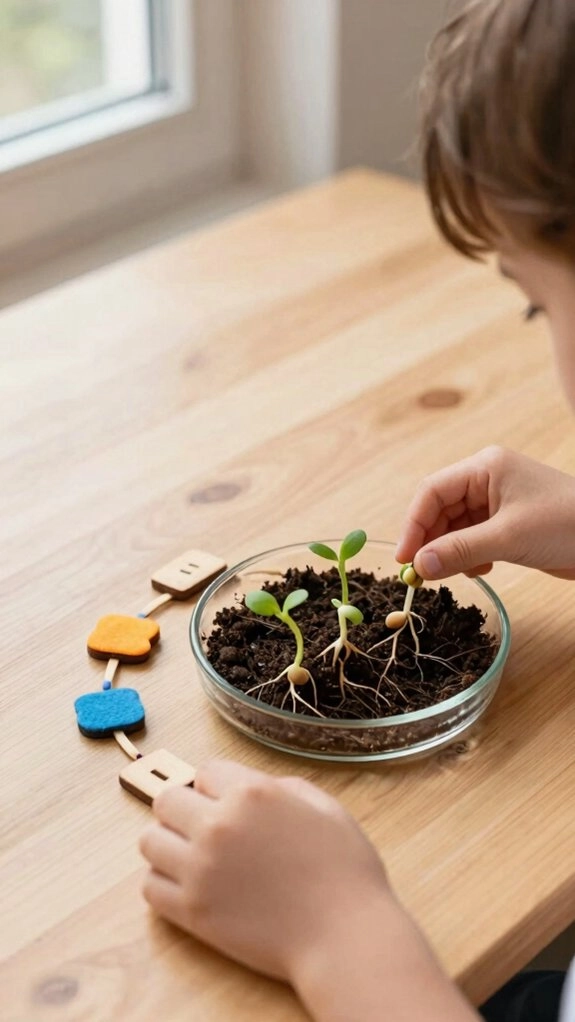
Beyond the page, you can turn each worksheet into an active learning adventure. Pair letter tracing with a sidewalk-chalk letter outside.
Then return and notice how easier it feels.
For a sensory choice, trace numbers in a salt tray or press shapes on a gel-writing bag. Use visual cues to make directions feel like quests: find, do, and finish.
Add magnets, tiles, or circle labels before you write answers. These choices welcome everyone into Classroom routines, build student motivation, support short attention spans, and give you clear feedback.
Try a paper-play-paper loop with bingo or number hunt tomorrow.
Printable Learning Tips for Parents and Teachers
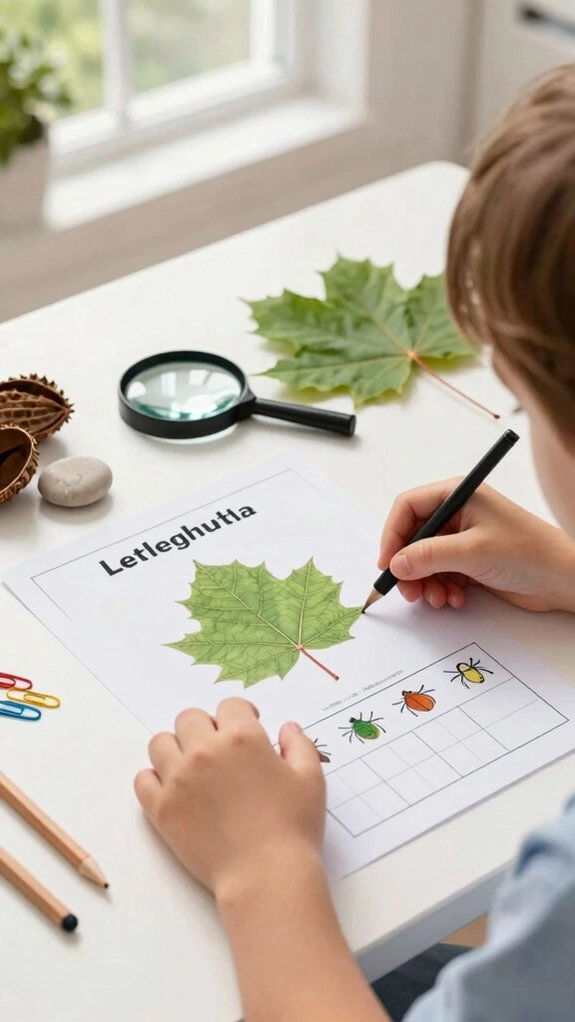
With a simple plan, you can make printable learning feel easy and exciting. Build Weekly learning routines with a short stack in subject folders. Keep completed pages in a bin, so your group can celebrate progress together. Teach through talk, books, and play first. Then use worksheets to strengthen skills and pencil control. Pair tracing with sidewalk chalk, blocks, or sensory letter hunts.
| Try | Add | Feeling |
|---|---|---|
| Letter page | Chalk writing | Proud |
| Math sheet | Treasure quest | Brave |
| Sight words | Bingo | Included |
| Review page | I Spy hunt | Ready |
You’ll keep learning fresh when every page leads to movement and find today.