Fine Motor Skills Every Preschooler Develops Before Learning to Write
- Fine Motor Skills Every Preschooler Develops Before Learning to Write
- Key Takeaways
- What Are Fine Motor Skills?
- Why Fine Motor Development Matters in Early Childhood
- Fine Motor Milestones by Age
- Everyday Activities That Build Hand Strength
- Playdough Activities
- Clothespin Games
- Tweezer Challenges
- Developing Pencil Grip Naturally
- Hand-Eye Coordination Activities
- Bilateral Coordination and Why It Matters
- Signs a Child May Need Extra Support
- Simple Fine Motor Activities Parents Can Do at Home
- Mistakes That Can Slow Fine Motor Development
Before you learn to write, you build fine motor skills through small hand and finger movements. Your eyes guide your hands as you grasp, release, pinch, turn, draw, and cut. You also learn to use both hands together and keep your shoulders steady. Playdough, stickers, buttons, clothespins, and pouring games strengthen control and confidence. You don’t need perfect results; short, cheerful practice helps. Next, you’ll uncover easy ways to build these skills at home too.
Key Takeaways
- Preschoolers build hand-eye coordination by grasping, releasing, stacking, threading, and placing small objects accurately.
- A stable seated posture, strong shoulders, and controlled wrists provide the foundation for comfortable pencil use.
- Children gradually develop finger strength through playdough, clothespins, tweezers, stickers, squeezing, and opening containers.
- Using both hands together—one holding paper while the other cuts, draws, or manipulates—supports writing readiness.
- Before formal writing, children benefit from drawing, cutting, lacing, and coloring rather than rushed tracing or tight pencil grips.
What Are Fine Motor Skills?
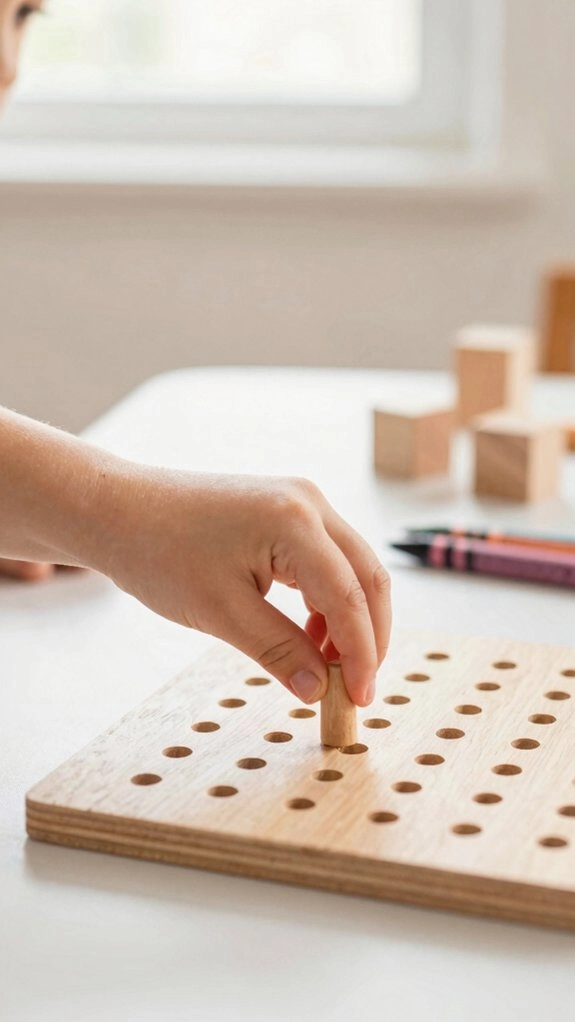
Fine motor skills are the small, careful movements your hands and fingers make. Your eyes help guide these movements, so your hands can follow what you see.
You use them when you grasp and release a toy, pinch a bead, or draw a line.
Hand dexterity practice builds control as you pick up small objects and turn them carefully.
Visual tracking games help your eyes and hands work as a team.
You belong in this learning pathway, because everyone grows through practice.
Each careful movement helps you become more accurate during activities such as lacing, cutting, and making shapes.
Why Fine Motor Development Matters in Early Childhood
As your hands grow stronger and steadier, everyday jobs become easier to manage. You can feed yourself, zip a coat, and use tools with growing control. These skills also prepare you for kindergarten, where pencils, scissors, and clear letters matter.
Your hands need hand-eye coordination, grasp control, and a steady shoulder base for careful work. When skills feel hard, you may tire quickly or feel left behind.
Hand strength confidence grows through drawing, building, lacing, cutting, and gluing. With parent support strategies, you can investigate real materials, learn at your pace, and feel proud alongside your friends each day.
Fine Motor Milestones by Age
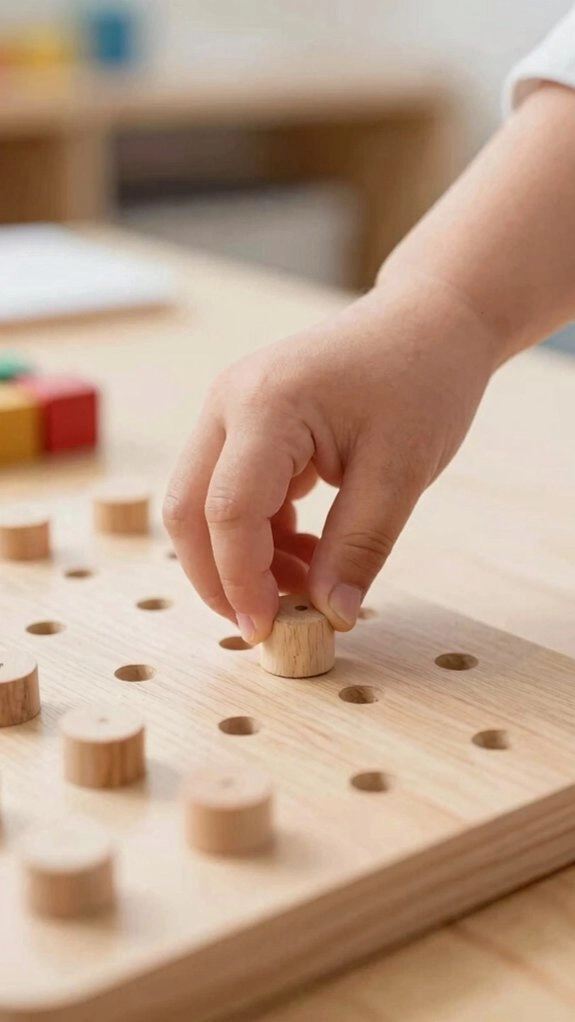
Children build hand skills step by step, and each age brings new finds. At three, your child often grips tools with all fingers and begins using both hands together.
By four, social play supports steadier eye–hand coordination and more reliable grasp and release.
By five, many children use a tripod grasp with the thumb, index, and middle fingers. They also turn paper while cutting.
Across these years, Age appropriate tracking shows growing wrist and forearm control.
Good posture helps too. Feet on the floor, trunk support, and steady shoulders guide Self care hand skills and sensory integration for you.
Everyday Activities That Build Hand Strength
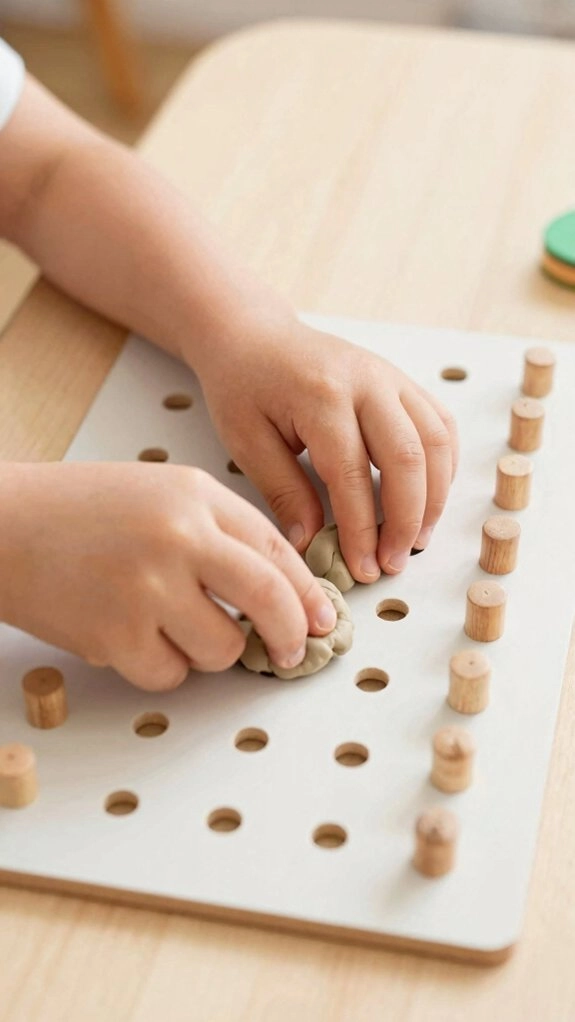
Everyday routines can quietly build the hand strength your preschooler needs for writing. You can make these hand strength routines feel like a helpful part of family life.
Try Messy kitchen play: let your child peel fruit, open lunch containers, and move snacks with both hands.
Add dressing practice with buttons, zippers, and fasteners.
During pouring practice, use a small pitcher or scoop.
Create grip release games by squeezing sponges or spraying water.
For self care strengthening, pinch and peel stickers or tape.
These shared moments help fingers, wrists, and forearms grow ready for comfortable pencil control as you celebrate small successes.
Playdough Activities
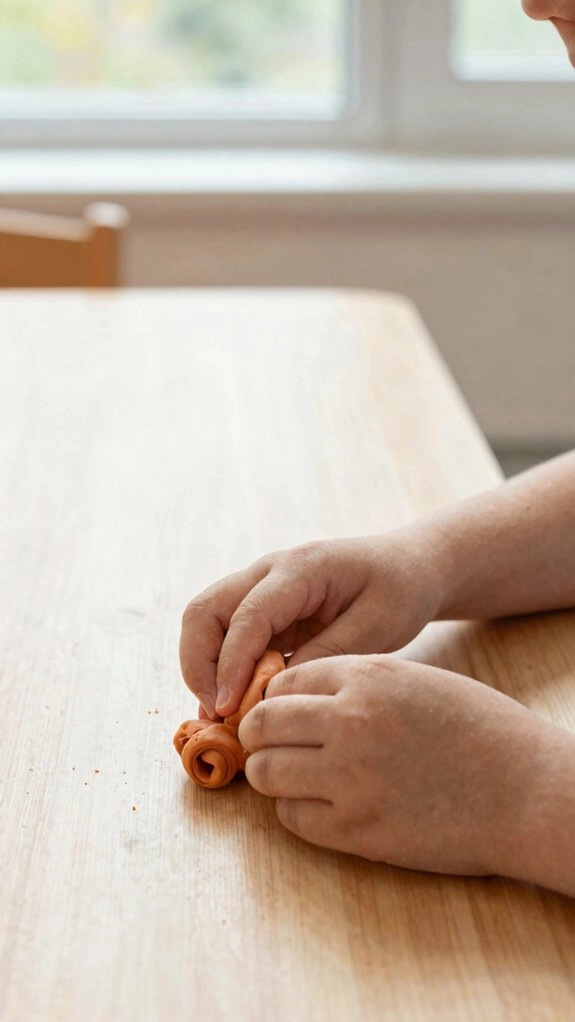
Playdough gives little hands a fun workout before they ever hold a pencil. You can roll, squeeze, pinch, press, and flatten it.
Each move builds grip strength and helps your fingers learn careful two- and three-finger control.
Twisting and shaping dough also steadies your wrists and forearms.
Try making tubes, patterns, or creatures during sensory play exploration. Press cookie cutters into the dough to practice aiming your hands and eyes together. Creative clay storytelling lets you build characters and scenes while practicing shapes.
If pencils feel hard, playdough offers a welcoming way to grow control at your pace.
Clothespin Games
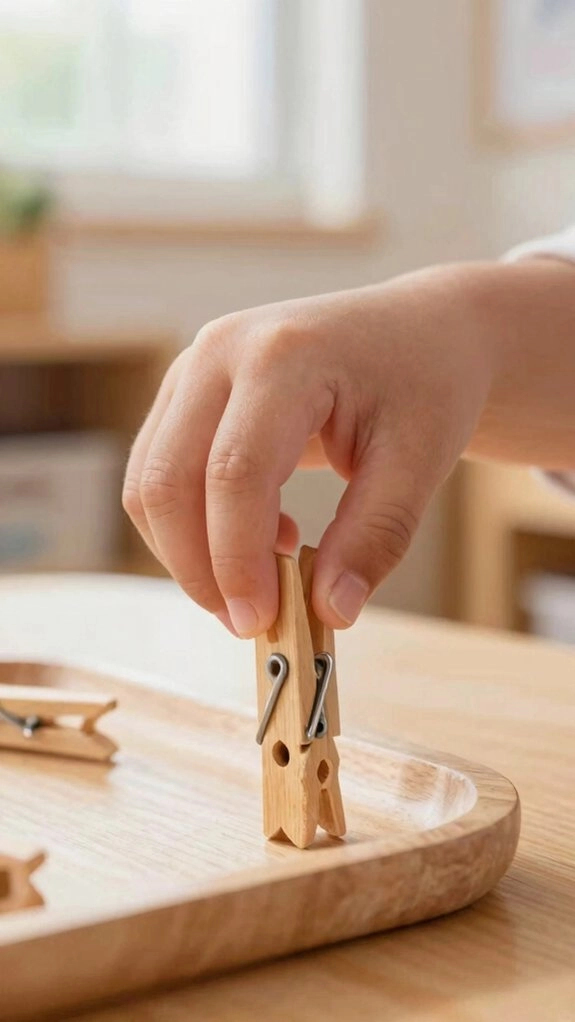
Clothespin games turn a simple squeeze into a strong hand workout. You open and close each pin with your thumb and fingers, building control for pencils and cutting. Your forearms strengthen too.
- Clip sensory clothespins along a string while your other hand holds it steady.
- Match colors or numbers on paper for scissor free prep and aiming.
- Try thick cardboard edges first, then narrower edges as your skills grow.
Every squeeze helps you practice hand–eye teamwork and grip endurance. You’re joining learners who build skills through challenges. Keep it light, take breaks, and celebrate each successful clip.
Tweezer Challenges
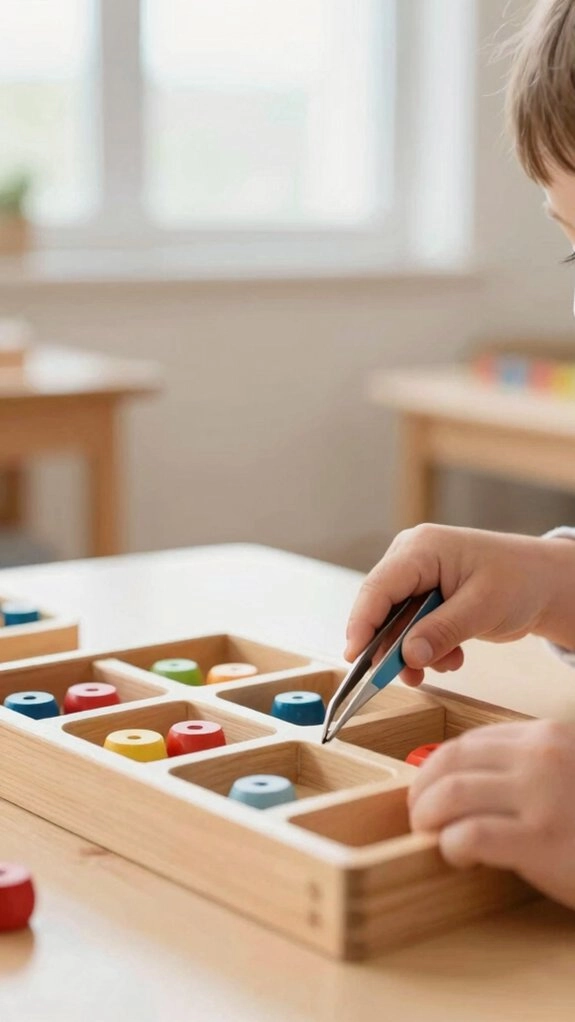
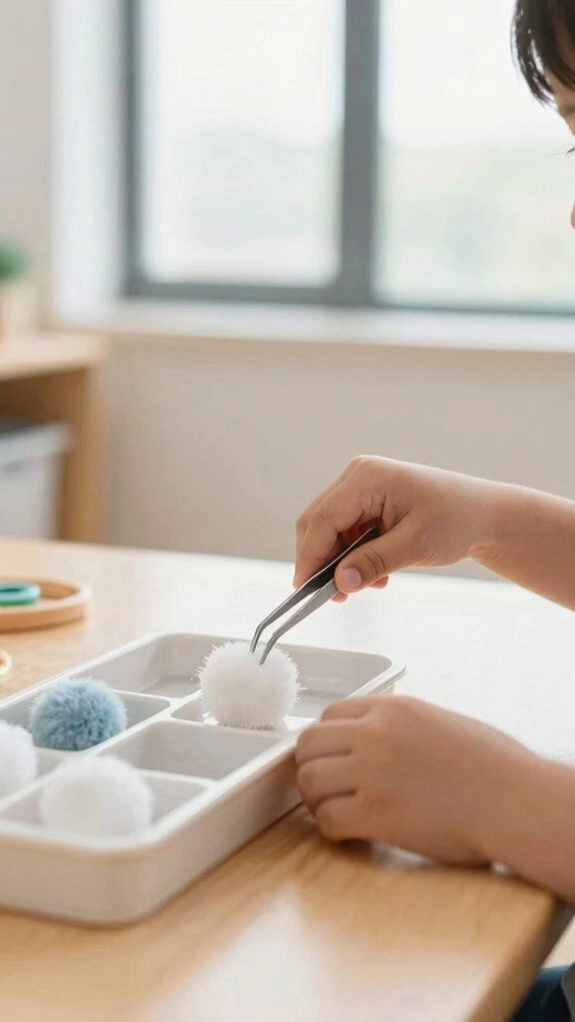
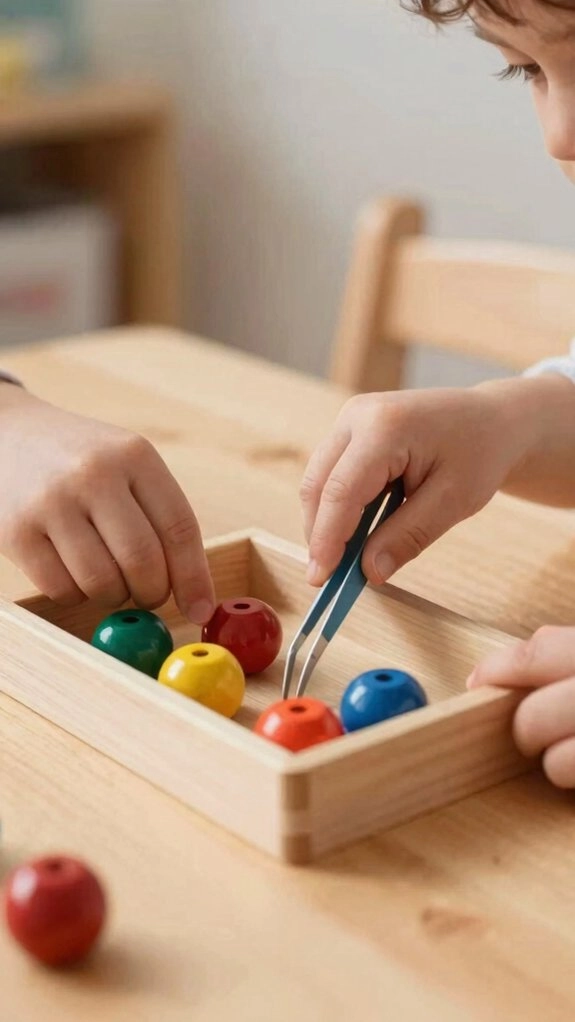
Tweezer challenges give your fingers a focused workout before you begin writing. You belong with every learner who starts small. Use plastic tweezers to move pom-poms or cotton balls. This builds thumb, index, and middle-finger teamwork, plus eye-hand timing.
| Start | Try | Grow |
|---|---|---|
| Large pom-poms | Fewer pieces | Small beads |
| Soft grip | Steady pickup | Denser sets |
Begin with low-resistance tools for frustration management. Add gradual difficulty as your control improves. If tweezers feel tricky, scoop, pinch dough, or use tongs first. Then return when you can pick up and release items smoothly. Each challenge helps your fingers grow stronger and precise.
Developing Pencil Grip Naturally
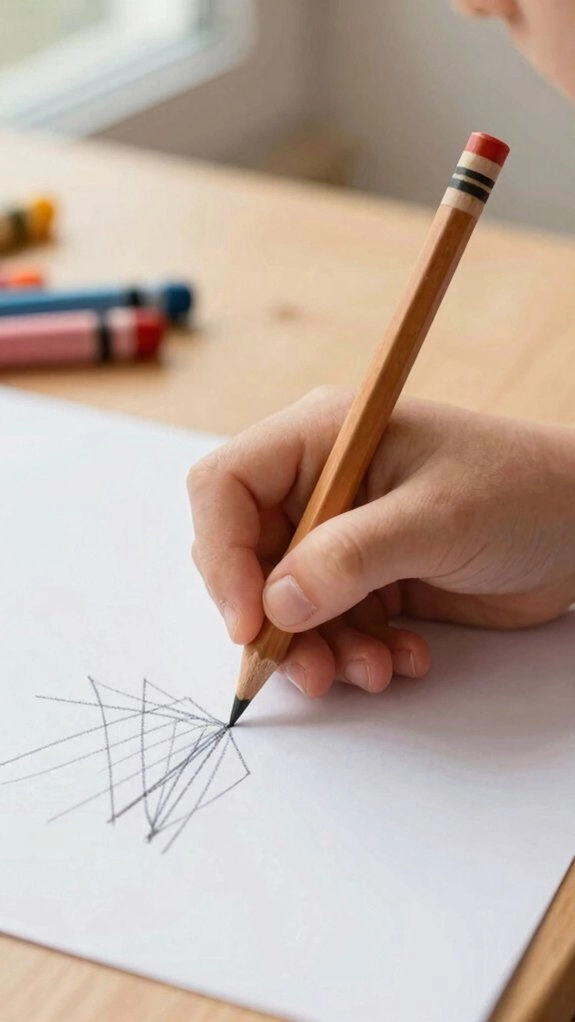
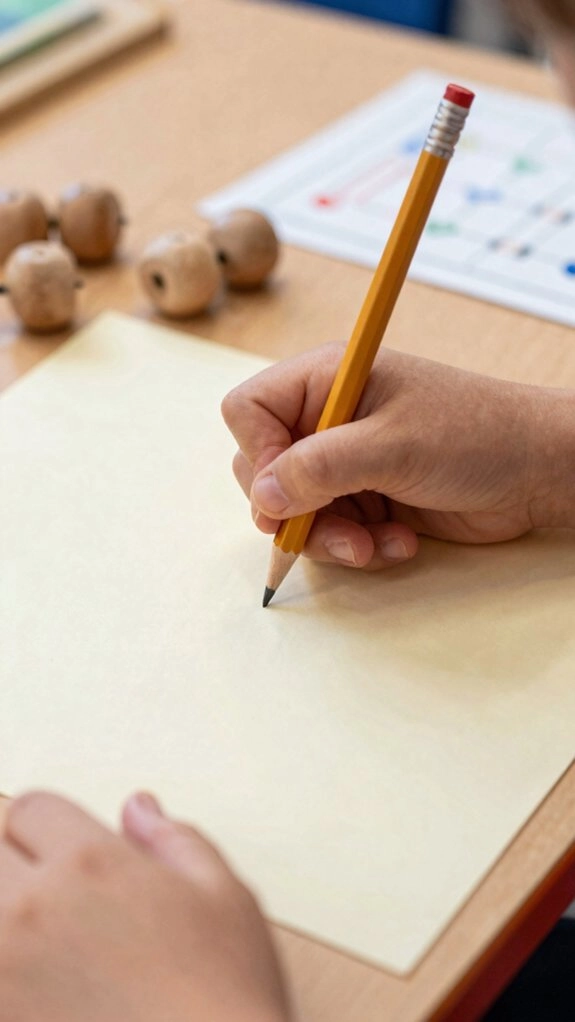
The finger control you practiced with tweezers helps pencils feel easier to hold. Your grip may change as you grow and that’s normal. You’re joining many young writers who learn step by step.
- Try Grip comfort checks: hold the pencil firmly yet let your fingers move.
- Use hand positioning tips: rest the pencil between your thumb and first two fingers.
- Let your helper hand keep the paper still.
You might start with a fist grip or thumb-down hold before a tripod grip feels right. Keep threading, squeezing playdough, and rolling balls. These activities strengthen your fingers for smooth marks.
Hand-Eye Coordination Activities
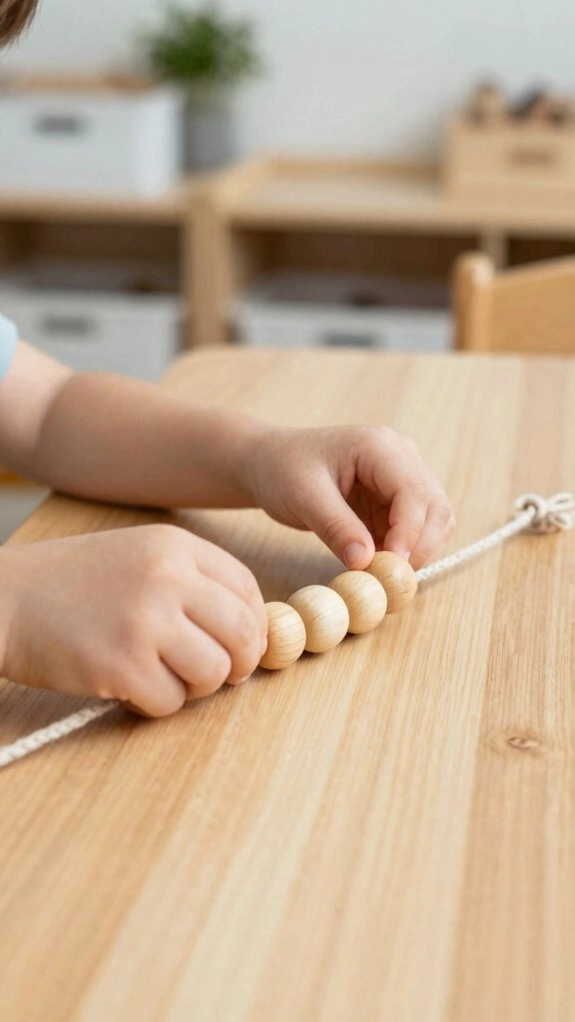
Every time you guide your hand toward a target, your eyes lead the way. You build towers, fit puzzle pieces, and place small objects where they belong.
These Play based strengthening tasks help your fingers match what you see. Try threading beads or lacing cards, and watch each opening closely.
Drawing paths and cutting along lines teach your hand to adjust as your eyes watch.
Sensory movement games can include making marks in colored salt. The soft surface feels easier than paper, so you can practice with confidence.
Each try builds accuracy, and you’re learning alongside other young makers.
Bilateral Coordination and Why It Matters
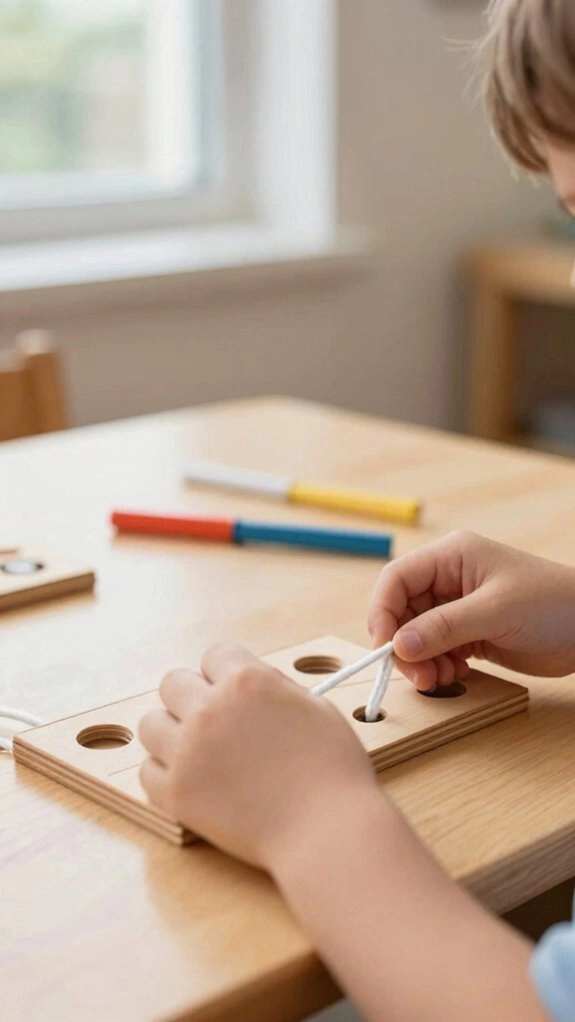
With both hands working as a team, many play tasks become smoother and easier. Bilateral coordination means you use each hand for a different job. One hand holds steady while the other moves. Around age three, you may begin this skill.
- Thread beads or lace cards with both hands.
- Cut paper while your helper hand turns it.
- Build and link small pieces without losing control.
Bilateral vs unilateral play shows why teamwork matters. These activities build fine motor readiness for future writing. By about five, you can use reciprocal hands for trickier tasks. Everyone’s learning path belongs here too.
Signs a Child May Need Extra Support
Sometimes, a child needs extra support before writing skills start to feel comfortable. You might notice Early frustration patterns during drawing, tracing, or cutting.
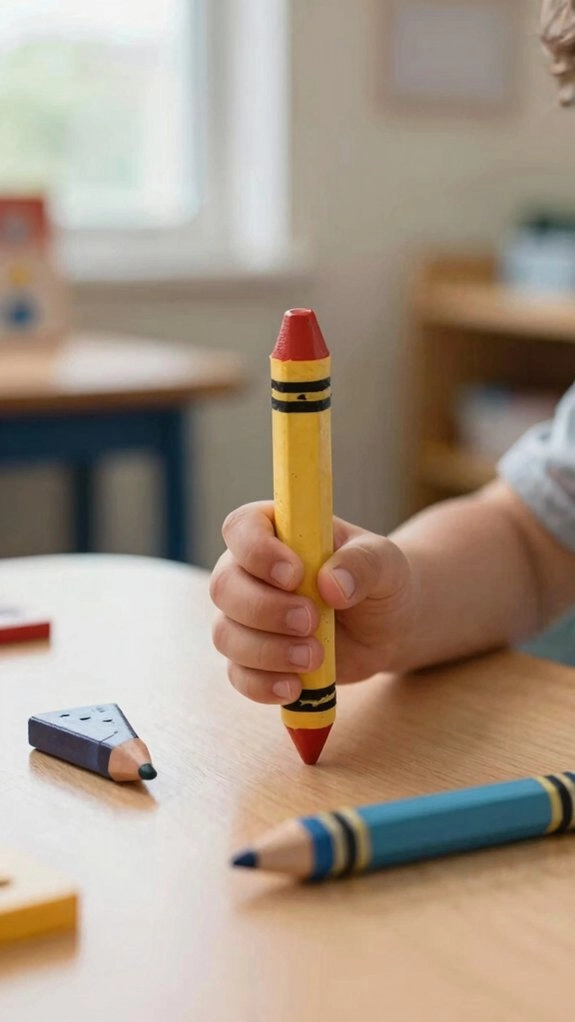
Perhaps your child shows avoided mark making, resists fine-motor tasks, or gives up quickly. A full-fist crayon grip that hasn’t changed by ages four or five can also signal a need for support.
Watch for trouble holding tools steady, cutting along lines, or using one hand to hold paper. If simple lines and shapes remain hard despite chances to practice, talk with your child’s teacher.
Together, you can build confidence before any letter-writing feels expected.
Simple Fine Motor Activities Parents Can Do at Home
At home, you can build hand strength through playful tasks that don’t feel like writing practice. You’re joining many families who turn moments into daily fine tuning.
- Offer Sensory playthings like playdough for rolling, flattening, and pinch and squeeze practice.
- Try water transfer games: pour with a small pitcher or squeeze sponges between bowls.
- Thread pasta, peel stickers, zip coats, or trace shapes in colored salt.
These activities help your child use both hands, guide movements, and grow confidence. Keep sessions short and cheerful. Your child doesn’t need perfect results; curiosity and repeated practice help hands prepare for pencils.
Mistakes That Can Slow Fine Motor Development
Even helpful activities can slow progress when they don’t match your child’s current skills. Don’t rush writing before posture, shoulder strength, and wrist control grow. Your child belongs in a learning adventure that celebrates small wins.
| Mistake | Try instead |
|---|---|
| Early tracing | Draw and cut |
| Heavy tools | Use light crayons |
| Few hand games | String and glue |
| Same task daily | Offer choices |
These common red flags can weaken pencil readiness and grip confidence. Add large-motor play for steadier arms. Choose play based alternatives, not tiny pieces or tight grips that cause fatigue. You’ll build skills joyfully, at your child’s pace today.