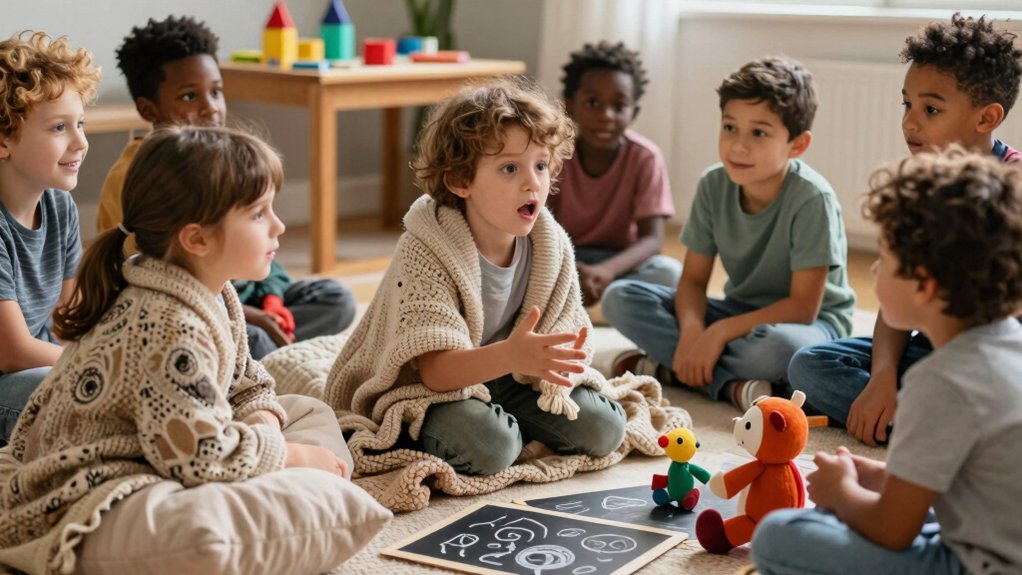
How Play-Based Learning Supports Healthy Child Development
- How Play-Based Learning Supports Healthy Child Development
- Key Takeaways
- What Is Play-Based Learning?
- The Science Behind Learning Through Play
- Cognitive Skills Developed Through Play
- Building Language and Communication Skills
- Social and Emotional Benefits
- Physical Development Through Active Play
- Encouraging Creativity and Problem-Solving
- Play Ideas for Home and Classroom
- Common Misconceptions About Play-Based Learning
- Creating a Balanced Daily Learning Routine
Play-based learning helps you grow by turning curiosity into meaningful action. When you build, pretend, move, or solve puzzles, you practice planning, testing, and trying again. You also strengthen language by sharing ideas and listening to others. Games and active play build confidence, coordination, and emotional skills. Teachers and families can guide you with helpful questions while you make choices. Keep exploring to uncover simple play ideas and routines that support healthy development every day.
Key Takeaways
- Play-based learning strengthens thinking skills through exploration, problem-solving, planning, testing, and adapting ideas.
- Social play builds communication, cooperation, listening, negotiation, and understanding of others’ feelings and needs.
- Active play supports physical development by improving coordination, balance, large-muscle movement, and fine-motor control.
- Pretend play and storytelling expand vocabulary, creativity, imagination, and confidence in expressing ideas.
- Guided play combines child choice with adult support, making learning meaningful, motivating, and developmentally appropriate.
What Is Play-Based Learning?
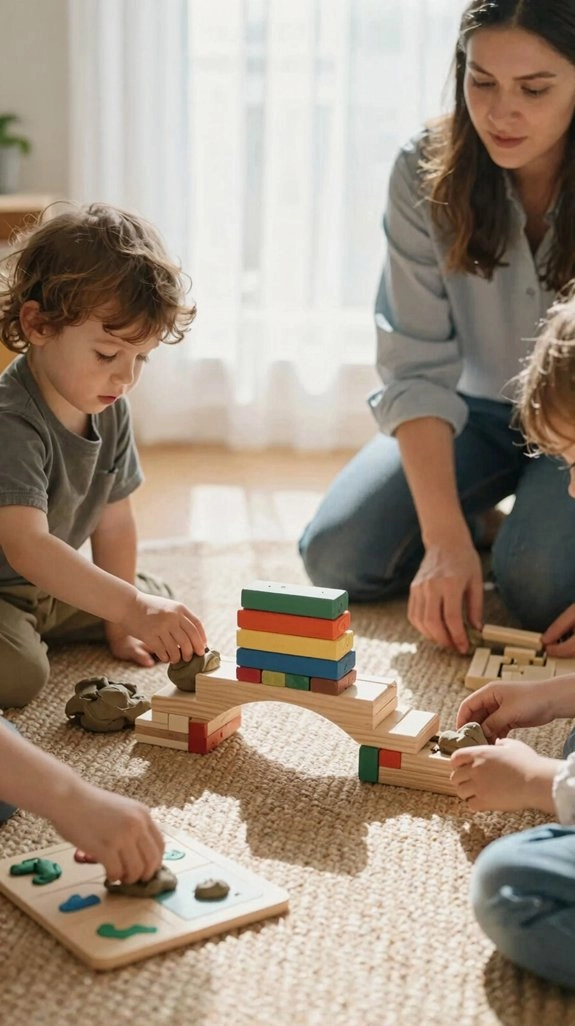
Play-based learning helps children uncover new ideas through activities they enjoy. You might build a tower, act out a story, solve a puzzle, or join a game with rules.
These experiences let you investigate, create, talk, and work with others.
Playful routines make day feel welcoming and familiar.
Child choice gives you voice in what and how you learn.
With teacher facilitation, an adult notices your interests, asks questions, and offers materials without taking control.
Your teacher watches your progress during play and plans learning outcomes that support language, math, literacy, and friendships.
You belong and grow together.
The Science Behind Learning Through Play
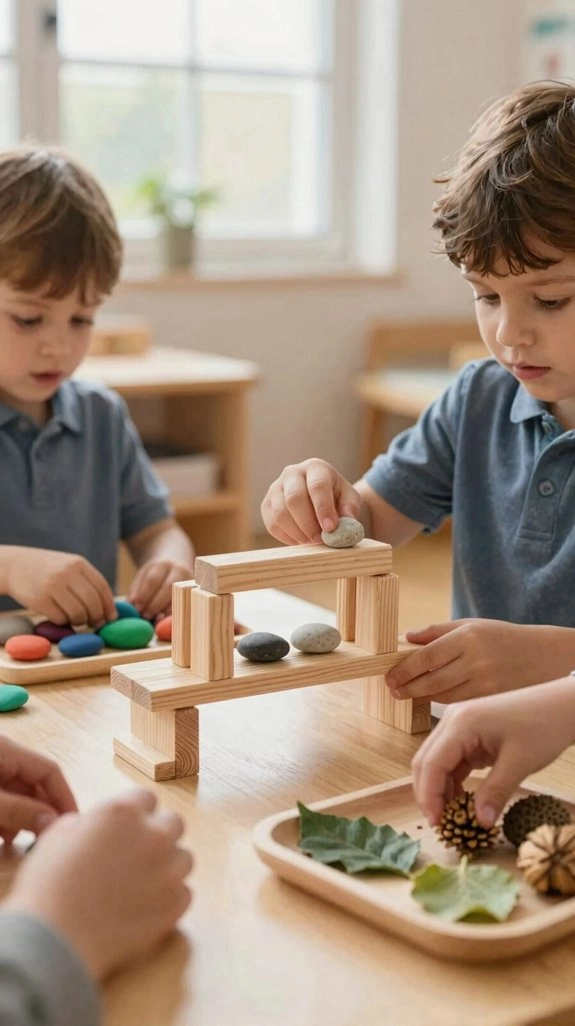
Your brain builds stronger connections each time you discover, test, and try again.
These repeated, meaningful moments support brain development by linking new ideas to what you know.
You belong in the learning process because your choices and questions matter.
Play motivation grows when you can explore with curiosity and purpose.
Adults can help without taking control.
A teacher might ask, “What do you notice?” or offer a material to explore.
This guided play keeps you in charge while adding support.
Whether play is free, guided, or structured, active discover helps ideas stick because learning feels engaging and personal.
Cognitive Skills Developed Through Play
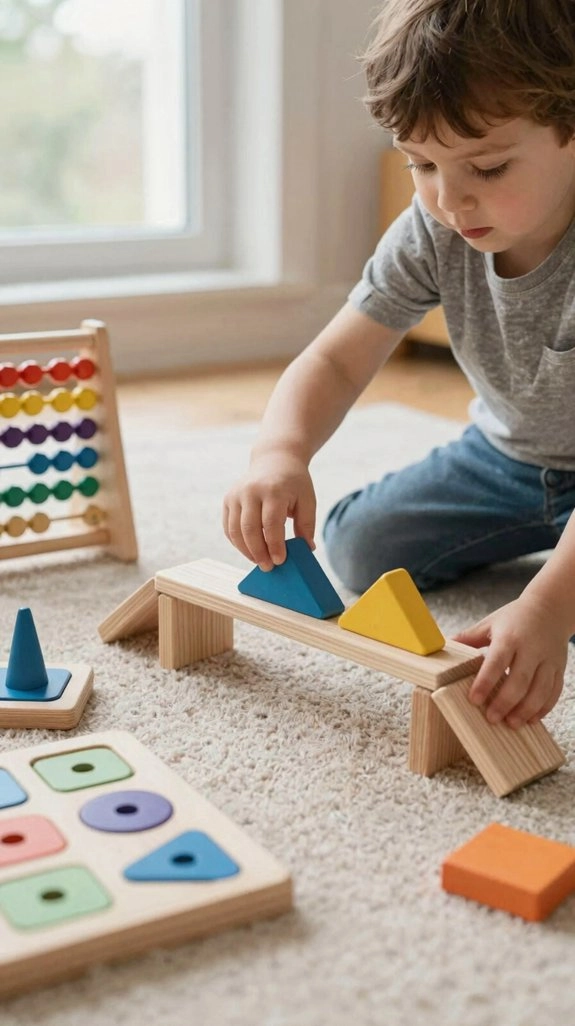
Through play, you build strong thinking skills while you explore and make choices. You remember clues, focus on goals, and solve problems as you plan, test, and change your ideas.
Play routines with rules give you repeatable challenges that make number thinking easier to practice. This mental scaffolding helps you feel supported as part of a learning community.
With guided exploration, you lead the discovery while a teacher prepares materials.
These learning benefits can strengthen math, reading, creativity, and critical thinking. Rather than memorizing answers, you use what you know to experiment, notice patterns, and find solutions.
Building Language and Communication Skills
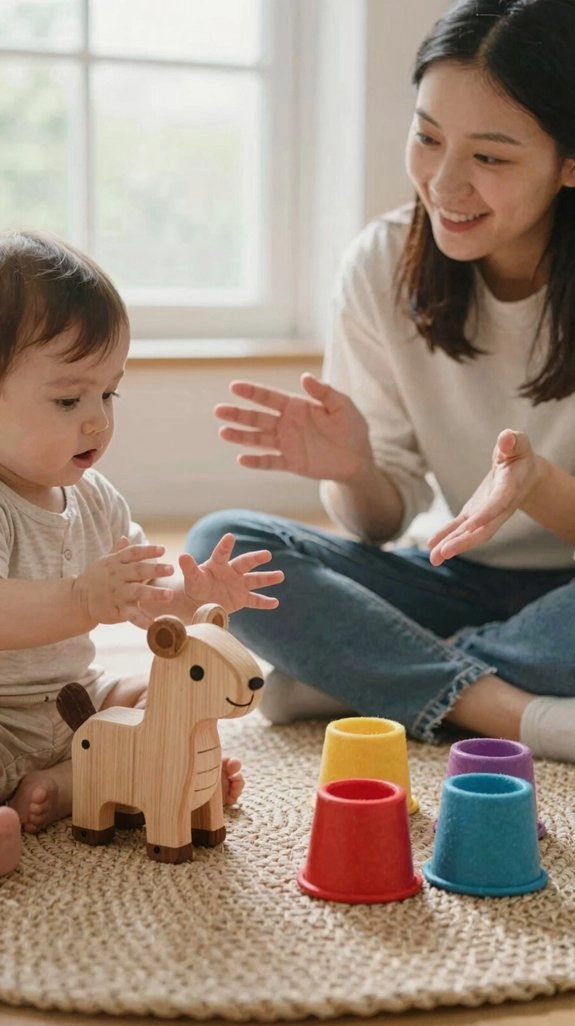
When you play with others, words become useful tools for sharing ideas.
Pretend games let you try new vocabulary, build stories, and practice listening.
Through Role negotiation, you explain who does what and why it matters.
During peer collaboration, you follow directions, describe plans, and respond to classmates.
Your teacher can join with helpful questions and fresh words, while you still lead the game.
You can bring family experiences and familiar topics into play.
That helps everyone understand ideas and find a place in the conversation.
Games also help you explain strategies in a straightforward manner.
Each exchange strengthens vocabulary and comprehension.
Social and Emotional Benefits
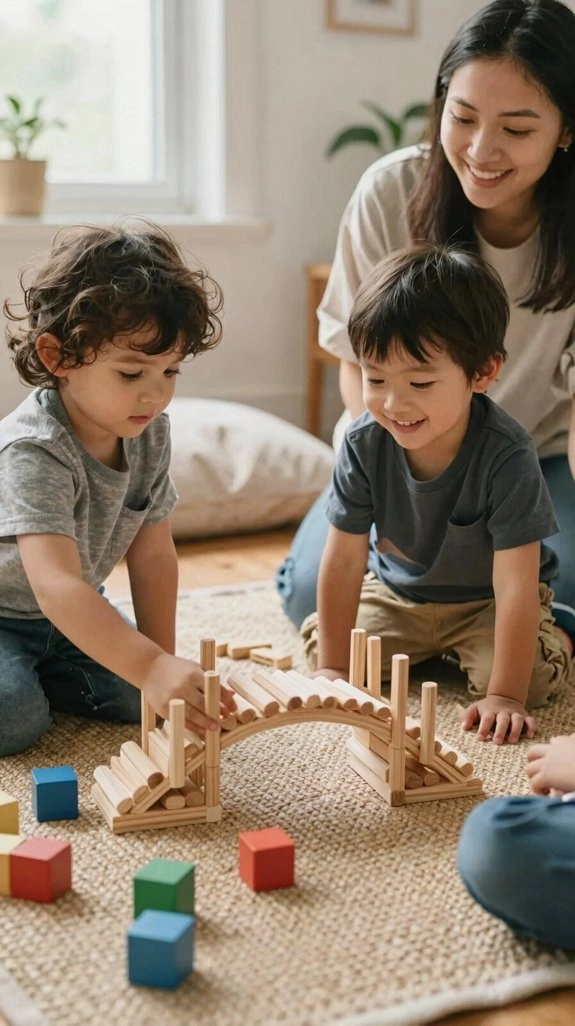
Play also helps you understand yourself and connect with other people.
When you join pretend games or team challenges, you practice friendship formation by sharing ideas and choosing roles.
You learn to notice feelings, say what you need, and listen to others.
If a game doesn’t go your way, you can pause, manage frustration, and try again.
These moments build self-control and resilience.
Play also teaches conflict resolution as you compromise and recover after misunderstandings.
Each choice you make builds confidence.
In this welcoming space, you find that your voice matters and that you can build caring relationships everywhere.
Physical Development Through Active Play
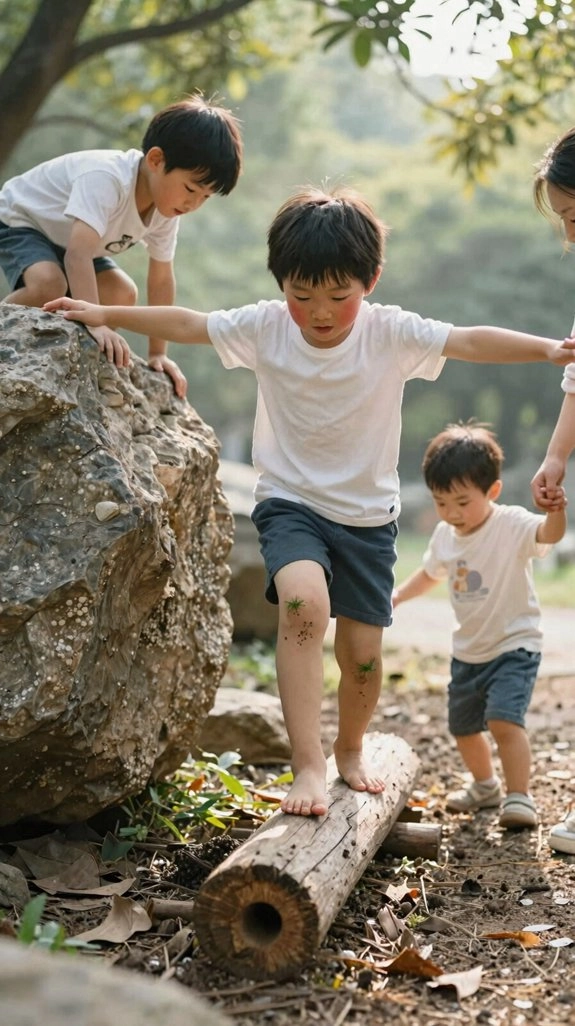
Active play helps your body grow stronger while you uncover what it can do.
When you run, jump, skip, climb, throw, and catch, you build balance and large-muscle coordination.
You also join others in movement that helps everyone feel included.
Grasping toys, shaping play dough, drawing, cutting paper, and finishing puzzles strengthen your hands and improve precision.
Frequent movement supports sensory exploration as your brain and body grow together.
Outdoor games and hands-on play give you many ways to practice motor control.
You learn to guide your body with steady actions, preparing you for focused classroom work each day.
Encouraging Creativity and Problem-Solving
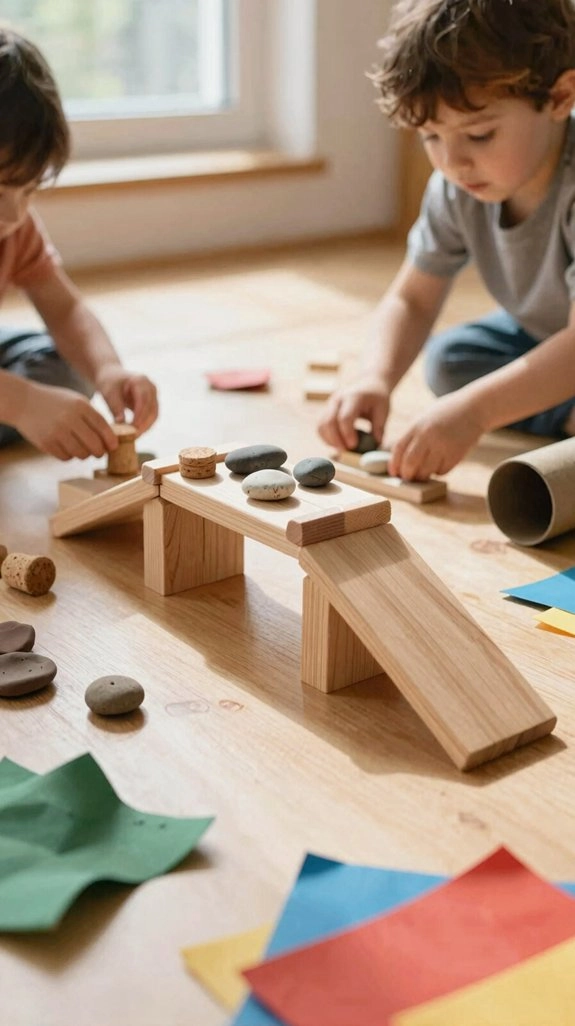
Imagine turning a cardboard box into a spaceship with your own mission. You create new worlds, test ideas, and learn that your voice belongs in the group. Role play scenarios let you plan, negotiate, and decide what happens next with friends.
- Joyful play helps you test a guess and change your strategy.
- Guided inquiry questions help you uncover answers without someone taking over.
- Adult-supported play can build spatial, reading, and early math skills.
When you face a challenge, you don’t need one perfect answer. You can try, revise, and learn together. Every imaginative choice strengthens creative thinking and flexible problem-solving.
Play Ideas for Home and Classroom
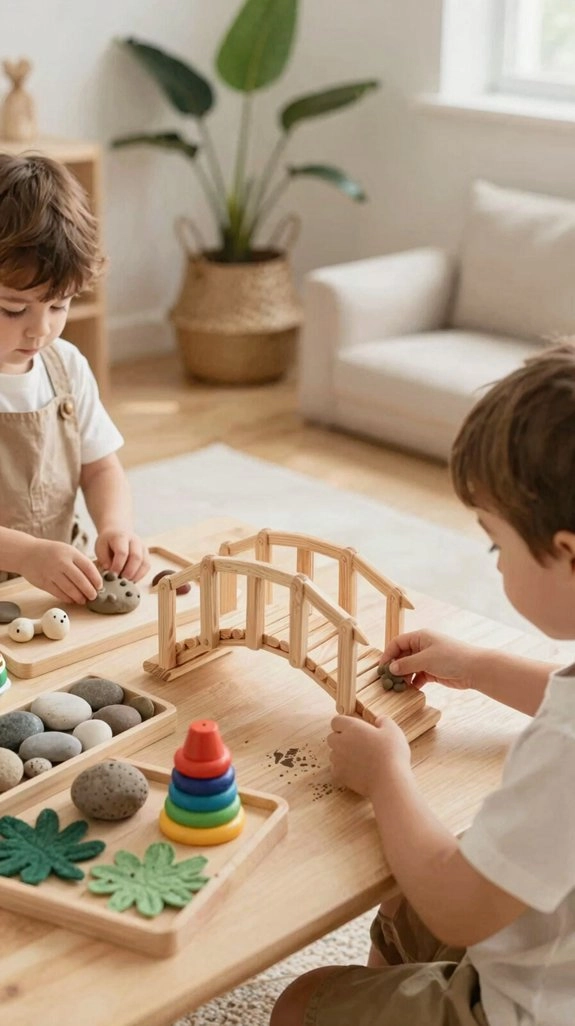
Everyday spaces can become exciting places to learn through simple, purposeful games.
At home or school, create a block-building mission that asks you to count towers or name shapes.
Set out dress-up clothes, puppets, and sand tools for free play with friends.
You’ll practice sharing, empathy, and confidence together.
Try tag, hopscotch, or board games to build focus and follow rules.
During Outdoor playdates, lead a sensory scavenger hunt for textures and colors.
Act out a favorite story, or build a tiny animal habitat.
Pouring, sorting, and moving help your hands, muscles, curiosity, and problem-solving grow every day too.
Common Misconceptions About Play-Based Learning
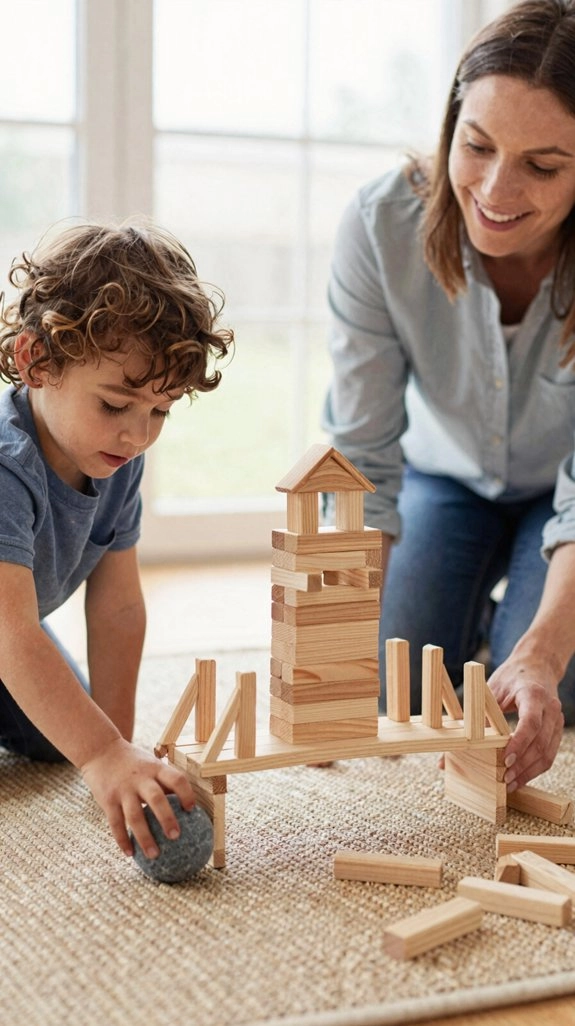
Many people think play-based learning means children simply play without a plan.
You belong in the fuller picture: play can be free, guided, or game-based, and it supports real learning.
- Teacher roles matter. Adults create intentional environments, use structured planning, and ask probing questions while you follow children’s interests.
- Guided play joins fun with learning goals. It can build vocabulary and spatial skills better than lessons alone.
- Play doesn’t replace teaching. You can add focused phonics or math support when needed.
Evidence guided research shows purposeful play works better than free play alone for your whole learning community too.
Creating a Balanced Daily Learning Routine
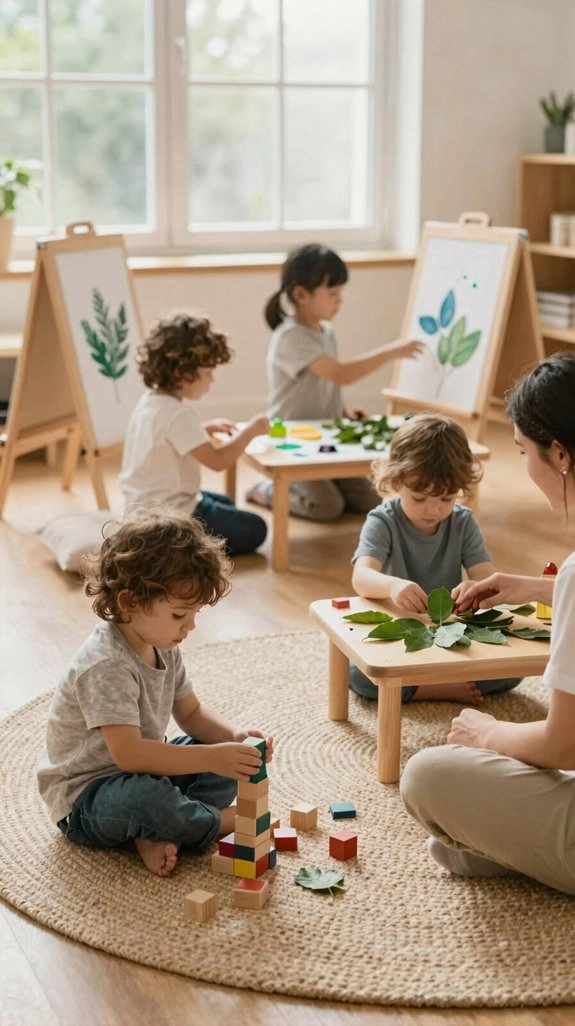
A balanced daily routine gives play a real place in learning, not just a break. You can mix free play with guided play, where you ask questions or add materials.
This helps everyone investigate literacy, math, and spatial ideas together.
Use teacher-led lessons, such as phonics, when a skill needs teaching.
Then protect play blocks with choices.
Strong classroom management keeps these switches calm and welcoming.
Treat play as every child’s learning right while meeting curriculum goals through games and inquiry.
Use assessment strategies like observing play, not worksheets alone, to notice social skills, language, and growth.