Why Play Helps Young Brains Learn Faster According to Neuroscience
- Why Play Helps Young Brains Learn Faster According to Neuroscience
- Key Takeaways
- What Happens Inside the Brain During Play
- How Play Strengthens Neural Connections
- The Role of Repetition in Learning
- Active Play Compared with Passive Learning
- Why Pretend Play Improves Executive Function
- Movement and Brain Development
- How Social Play Builds Communication Skills
- Memory Formation Through Hands-On Experiences
- What Research Says About Screen Time and Learning
- Simple Ways Parents Can Support Healthy Brain Development
Play helps your brain learn faster because it turns discovery into active practice. When you move, investigate, pretend, and solve small problems, many brain systems work together. Dopamine makes fun findings feel important, while low stress helps your memory save them. Repeating games strengthens attention, planning, movement, and self-control. Playing with others also builds listening and communication skills. Keep going, and you’ll see how hands-on experiences shape your growing brain in surprising ways over time.
Key Takeaways
- Play activates attention, movement, emotion, and problem-solving systems together, helping children encode learning more deeply.
- Dopamine makes playful discoveries feel rewarding, motivating children to repeat activities and remember what they learned.
- Low-stress play supports the hippocampus, allowing new experiences and skills to be stored more effectively as memories.
- Repetition through games strengthens neural connections for planning, attention, coordination, creativity, and flexible thinking.
- Social and pretend play develops executive function through turn-taking, rule-following, communication, self-control, and adapting to others.
What Happens Inside the Brain During Play
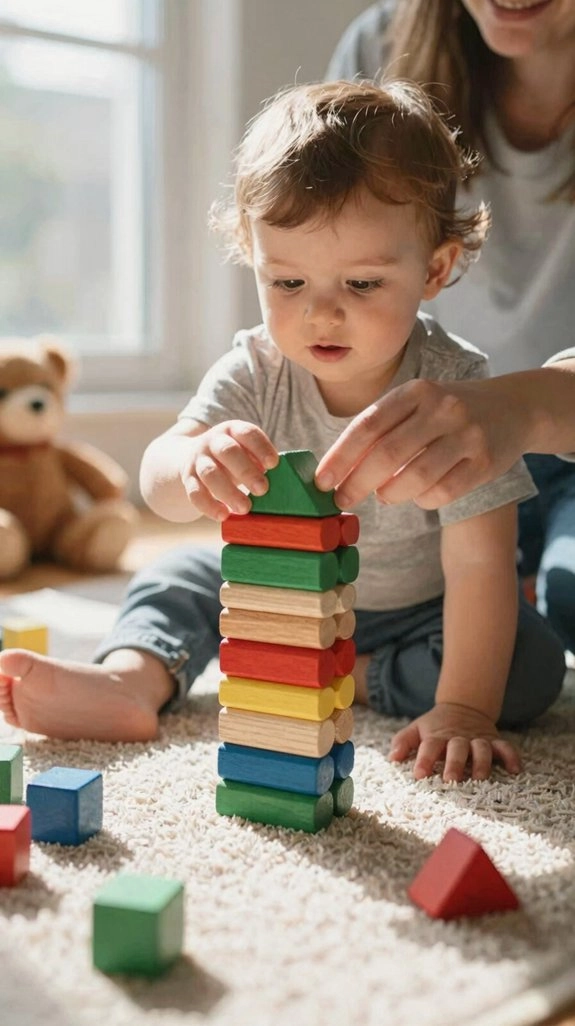
When children play, their brains become busy learning machines.
You might feel fully involved, and that feeling matters.
Dopamine motivation helps your brain mark fun findings as worth noticing.
At the same time, problem-solving, movement, and emotion systems work together.
You aren’t just memorizing facts from far away.
You survey with your whole brain.
Play also often feels safe and low-stress.
That gives your memory system a better chance to save new experiences.
In early childhood, rich sights, sounds, movement, and feelings support brain connectivity.
You learn alongside others, making each finding feel like part of your shared world.
How Play Strengthens Neural Connections
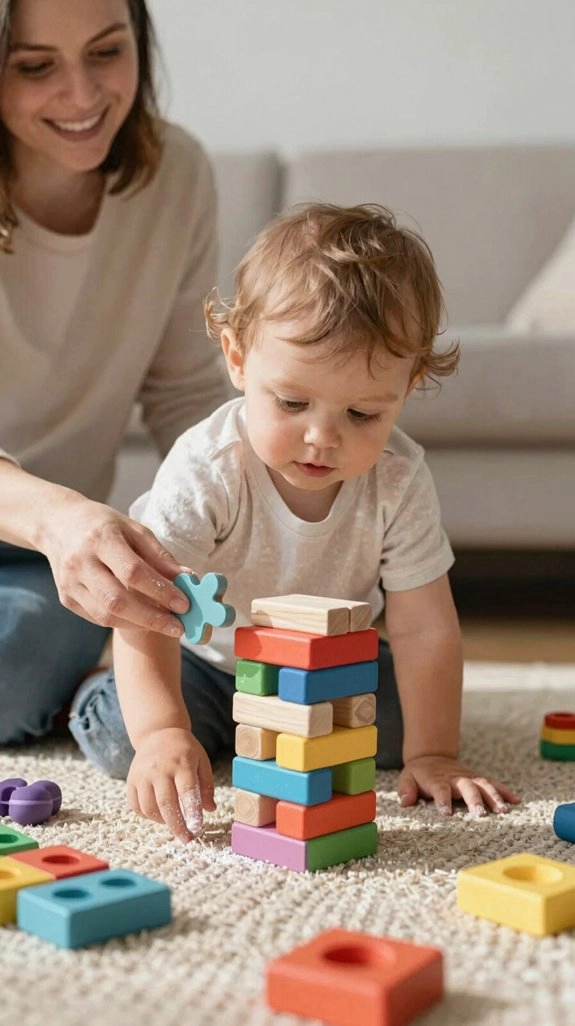
Those busy brain systems don’t work alone—they build stronger links through play.
When you investigate with movement, sound, touch, and imagination, your motor, problem-solving, and emotional networks activate together.
This sensory balance gives new circuits useful input while you uncover where you fit with others.
Play also releases dopamine, which tells your brain, “This matters.”
That signal helps the hippocampus store joyful, curious experiences as memories.
Friendly rough-and-tumble games can support stress reduction and help your prefrontal cortex practice calm choices.
Sleep patterns and synaptic pruning help your brain organize growing connections, keeping pathways that support learning and belonging.
The Role of Repetition in Learning
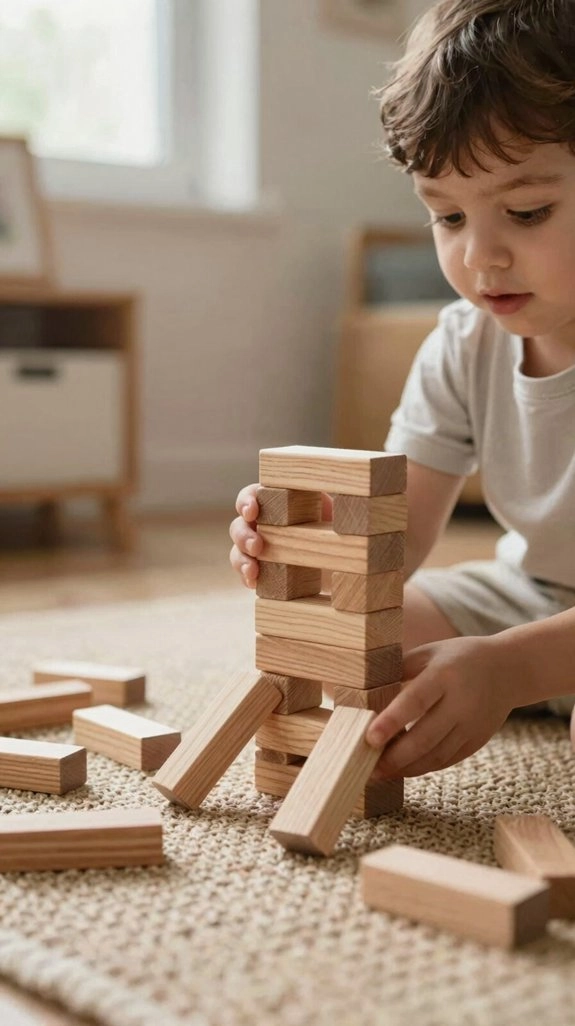
Each playful try gives your brain another chance to build a useful skill. Dopamine marks the moment as worth remembering, so you’ll want to return. With friends, you can sort, pretend, or play freeze dance again. Low stakes keep stress away while repetition strengthens attention, planning, and movement circuits. Joyful curiosity learning wakes memory systems, and mistakes offer feedback. That’s where imagination benefits grow: you belong in a group that keeps experimenting. Every repeat helps you feel more capable together.
| Try | Brain practice | What you notice |
|---|---|---|
| Sort | Attention | Patterns |
| Pretend | Planning | Ideas |
| Freeze dance | Self-control | Timing |
| Retry | Feedback | Progress |
Active Play Compared with Passive Learning
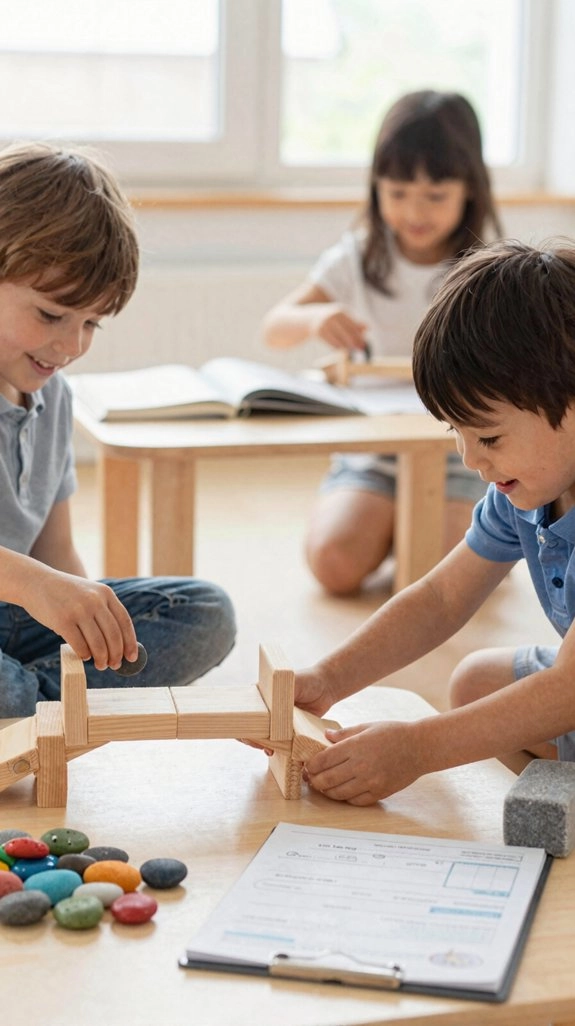
Active play gives your brain more to do than simply watching or listening. When you move, uncover, and solve small challenges with others, your brain lights up across many systems.
Dopamine tells you the moment matters, while low stress helps memories settle in.
- Sensory uncover combines touch, movement, and sound, making learning feel real.
- Emotion regulation grows when you practice choices and self-control in friendly games.
- Curiosity and connection can activate your hippocampus, helping you remember what your group uncovers.
Passive lessons can still help, but play lets you participate.
You aren’t just receiving information; you’re building it together.
Why Pretend Play Improves Executive Function
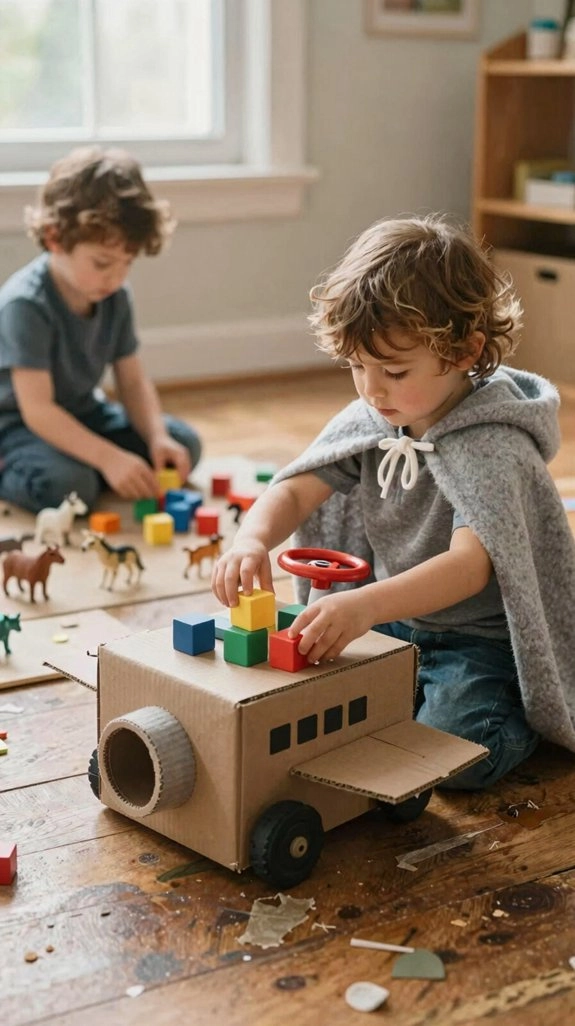
Pretend play takes that hands-on learning a step ahead by training your brain’s control center.
When you become a doctor adventurer or dragon you practice planning and remembering the story’s goal.
You also pause before acting take turns and follow shared rules.
That gives your prefrontal cortex low-stakes practice in self-control.
Role flexibility helps you switch ideas when your friends’ story changes.
Because you’re choosing the game dopamine can make important details stick.
Repeating these skills supports emotional regulation without the stress of forced lessons.
You learn to guide yourself while feeling included in a world you build together.
Movement and Brain Development
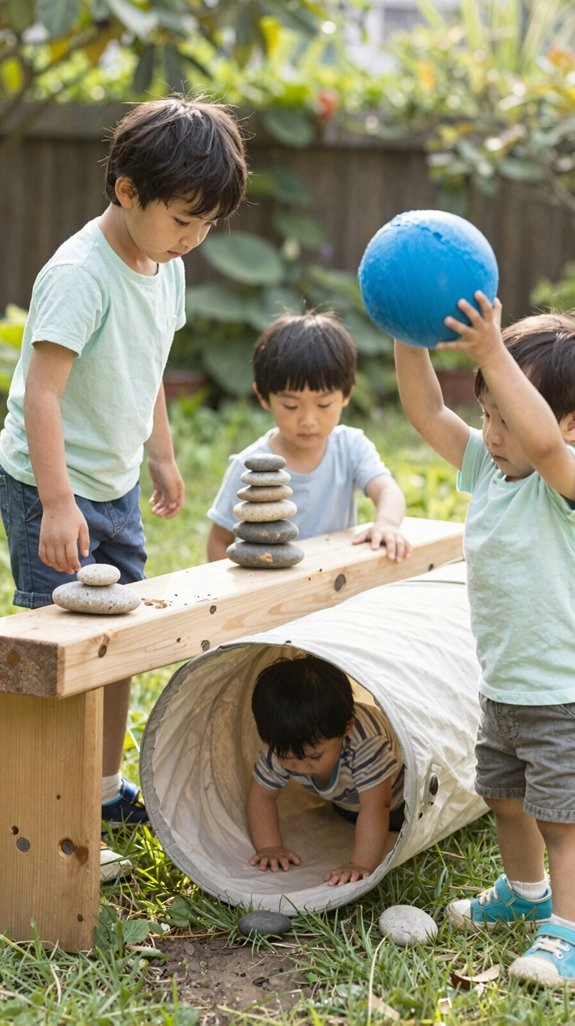
When you leap, climb, or tumble in a game, your brain builds new pathways. Each joyful move gives it rich sensory feedback. In childhood, more than one million brain connections can form each second. Movement helps organize them, so you can learn and manage feelings more easily.
- Motor planning helps you choose and guide each action.
- Safe excitement sharpens attention through norepinephrine, not stress-heavy cortisol.
- Low-stakes challenges train your growing prefrontal cortex to pause and decide.
As you investigate with others, your curious brain rehearses skills that matter. Joy and wonder wake memory systems, including hippocampus.
How Social Play Builds Communication Skills
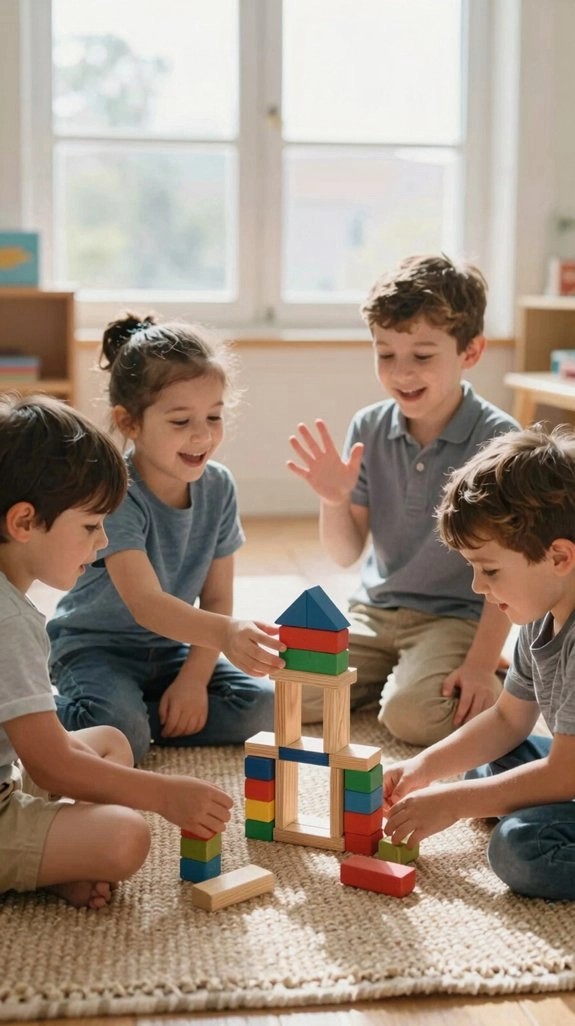
Play also teaches your brain how to connect with other people.
When you chase, wrestle gently, or pretend, you practice taking turns and following shared rules.
You learn to explain what you want, listen closely, and adjust when friends have different ideas.
In story based learning, acting as a chef or veterinarian helps you see another person’s point of view.
Your growing prefrontal cortex also helps you manage big feelings and stay involved.
With parent guided play, you can practice kind words and solve small disagreements.
These safe moments help you feel included, understood, and ready to build friendships.
Memory Formation Through Hands-On Experiences
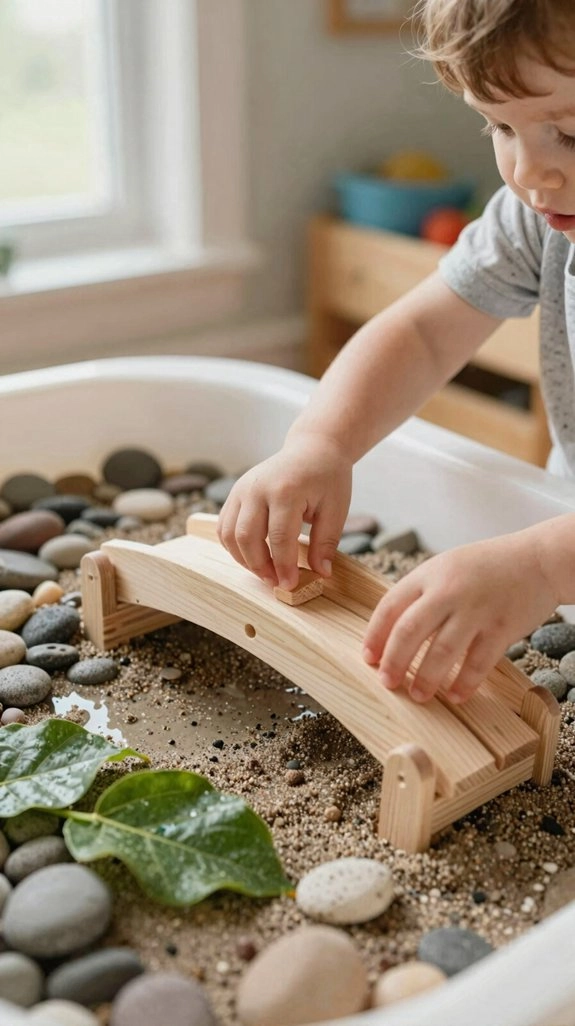
Hands-on exploration helps your brain find new ideas like meaningful treasures. When you build, move, and test things with friends, your senses work together. Multisensory processing and sensory feedback give each find more paths to remember.
- A toy reward sparks dopamine signaling, telling your brain this moment matters.
- Attention triggers from active play support hippocampal involvement and help memories last.
- Trying, adjusting, and moving your body strengthen connections, so you can recall what you learned later.
Joy and curiosity make learning feel welcoming, helping you belong as you discover together. Physical play also supports flexible brain connections for easier retrieval.
What Research Says About Screen Time and Learning
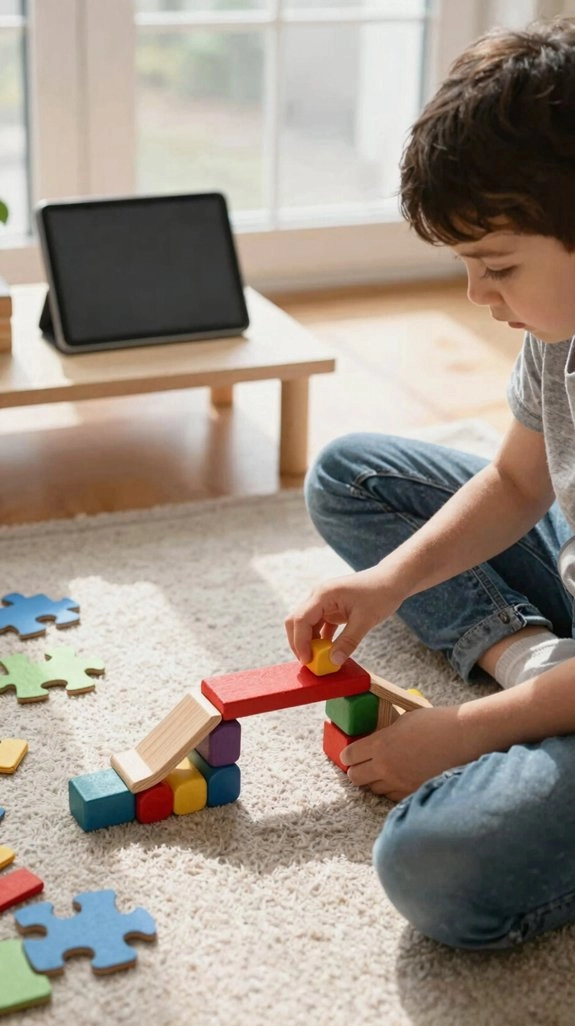
That same brain-building action helps explain why researchers look carefully at screen time. In screen learning debates, you can see why play teaches more.
Passive exposure effects appear when watching replaces doing, exploring, and talking with others.
Play creates dopamine reward differences because joy and curiosity make learning stick.
It also supports stress reduction mechanisms through warm, responsive connection.
Screens have sensory engagement limits: you can’t move, touch, or test ideas together.
They can create turn taking practice gaps too.
When screens replace child-led exploration or downtime, you miss chances to build flexible thinking, self-control, attention, and working memory.
Simple Ways Parents Can Support Healthy Brain Development
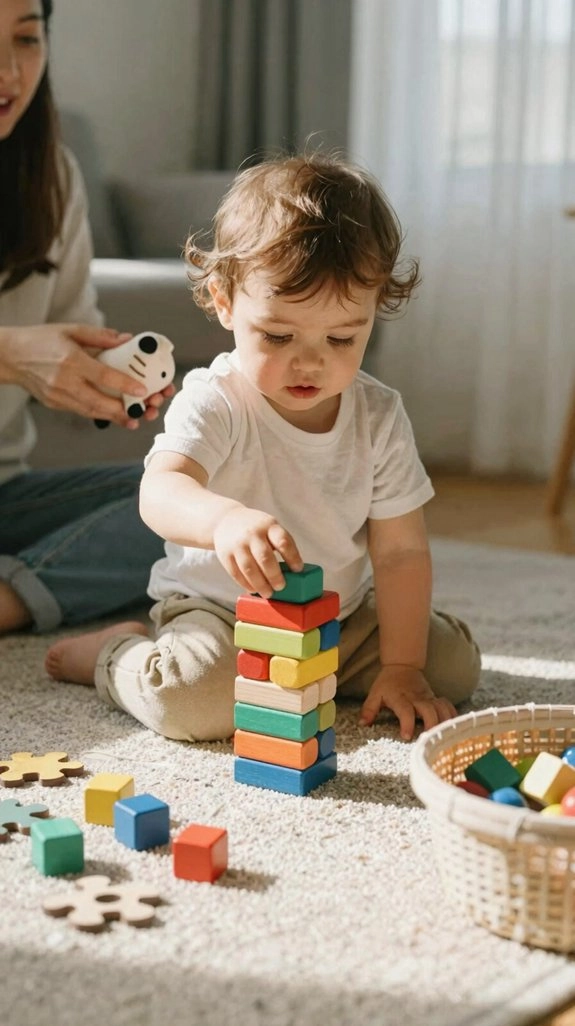
You don’t need expensive lessons to help your child’s brain grow stronger.
- Offer child-led pretend play, sensory bins, or movement games. Fun releases dopamine, which helps memories stick.
- Protect daily downtime with Sleep and routines. Calm play lowers stress and builds resilience for learning.
- Try Playful discipline through songs, stories, counting, and role-play. These low-stakes moments strengthen self-control and curiosity.