
Early Childhood Education Explained for Parents and Teachers

- Early Childhood Education Explained for Parents and Teachers
- Key Takeaways
- What Early Childhood Education Really Means
- The Most Important Developmental Years
- Learning Through Play
- Building Language and Communication Skills
- Supporting Cognitive Development
- Social and Emotional Learning
- The Importance of Daily Routines
- Choosing Developmentally Appropriate Activities
- How Parents and Teachers Can Work Together
- Creating a Strong Foundation for Lifelong Learning
Early childhood education gives your child caring learning from birth through preschool. It isn’t babysitting; teachers use purposeful play, stories, songs, movement, and routines to build skills. Your child learns language, early math, friendships, and self-control through activities suited to their interests and age. Warm, responsive adults help children feel safe while their brains grow quickly. Parents and teachers can share observations and support progress together. Keep exploring to see how moments strengthen lifelong learning.
Key Takeaways
- Early childhood education provides purposeful learning and care from birth through preschool, supporting children’s growth beyond basic childcare.
- The years from birth to age five are critical because responsive relationships and everyday experiences rapidly shape brain development.
- Children learn best through play, including imaginative games, blocks, outdoor exploration, counting, sorting, and pattern activities.
- Language-rich interactions—reading, rhymes, conversation, and questions—build vocabulary, communication skills, and early literacy.
- Consistent routines, warm guidance, and parent-teacher partnerships strengthen emotional security, self-control, friendships, and learning.
What Early Childhood Education Really Means
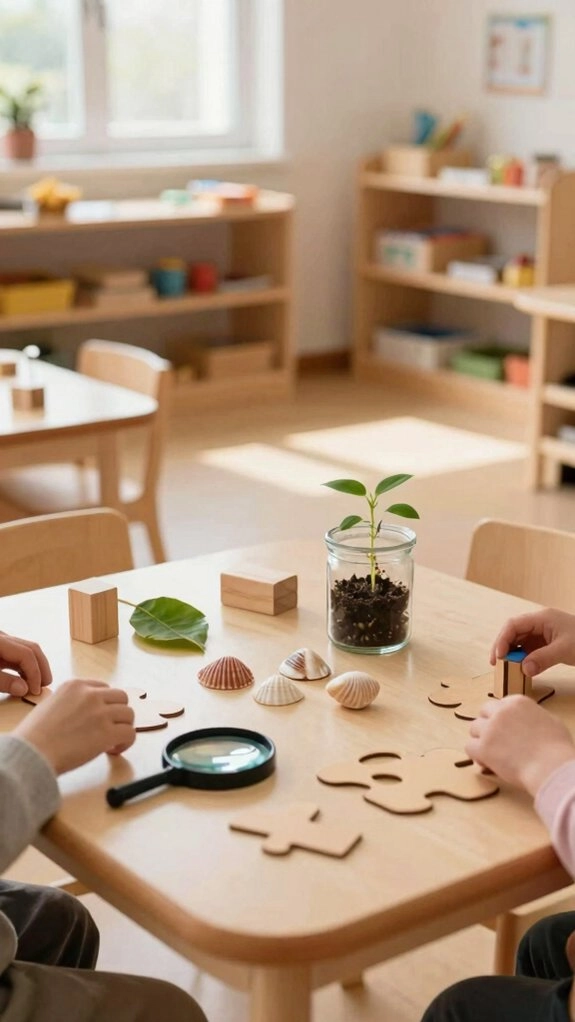
Early childhood education, or ECE, gives young children a strong start in learning and life.
It’s structured learning and care for children from birth through preschool.
You won’t find simple babysitting here.
Instead, you join a caring community where play has purpose.
Teachers plan activities that fit your child’s age and interests.
Through stories, rhymes, counting, sorting, and patterns, your child builds skills.
Sensory exploration invites curiosity, while empathy practice helps children notice feelings and cooperate.
Warm relationships help your child feel seen, included, and confident.
ECE supports thinking, movement, communication, and friendships each day.
Let’s learn together.
The Most Important Developmental Years
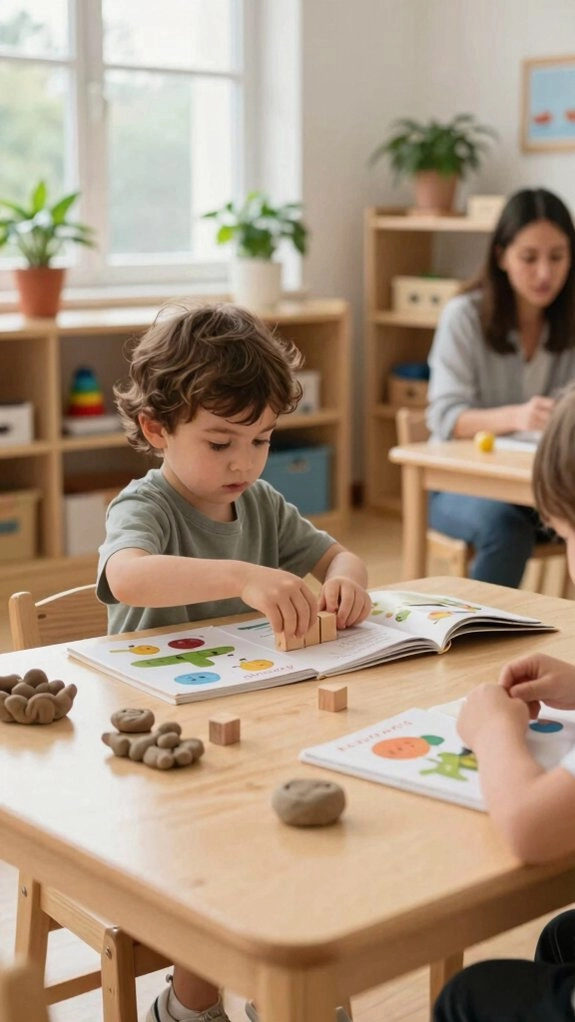
Those caring, playful experiences matter most during your child’s earliest years. From birth to age five, your child’s brain grows at an amazing rate. Harvard reports that about 90% of brain development happens by age five.
Brain plasticity helps everyday experiences build connections, with millions of synapses forming each second. You support this growth through warm talk, responsive care, sensory exploration, and routine consistency.
These moments strengthen language, early thinking, and self-control. Attachment security also helps your child feel safe, included, and ready to connect with others.
Your support builds empathy, cooperation, and confidence for the school community ahead.
Learning Through Play
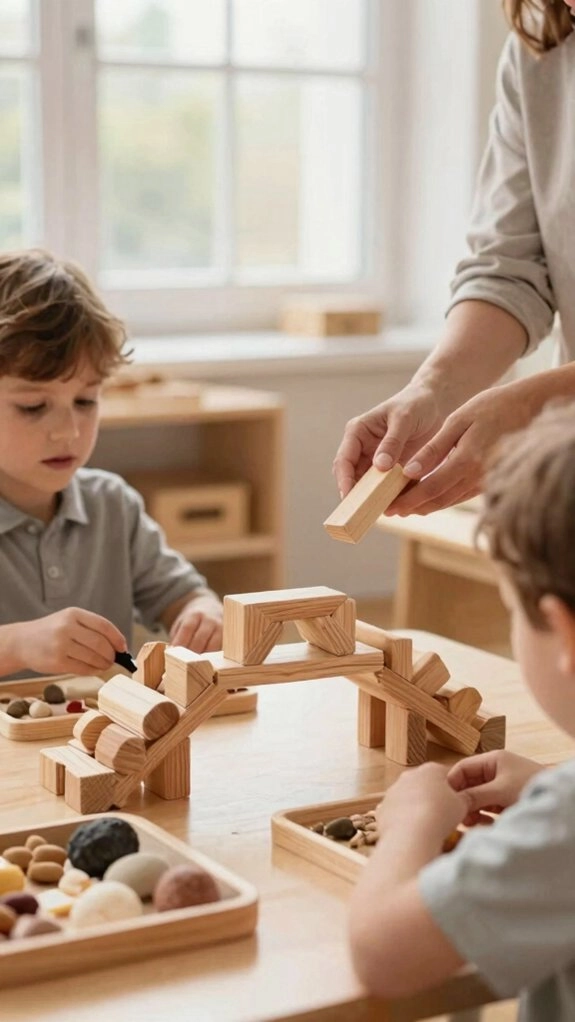
When children play, they uncover ideas, feelings, and relationships in ways that make sense to them. You can offer free play, where they lead, and guided play, where you gently join. Imaginative play helps children ages two to seven identify and reflect on their thinking. Hands-on choices strengthen fine motor control and early math through counting, sorting, and patterns. Outdoor discoveries add movement and wonder, helping every child feel included. You belong in this learning team, and your warm attention builds confidence daily.
| Play choice | What you notice | Your support |
|---|---|---|
| Blocks | Patterns | Ask questions |
| Nature walk | Movement | investigate together |
Building Language and Communication Skills
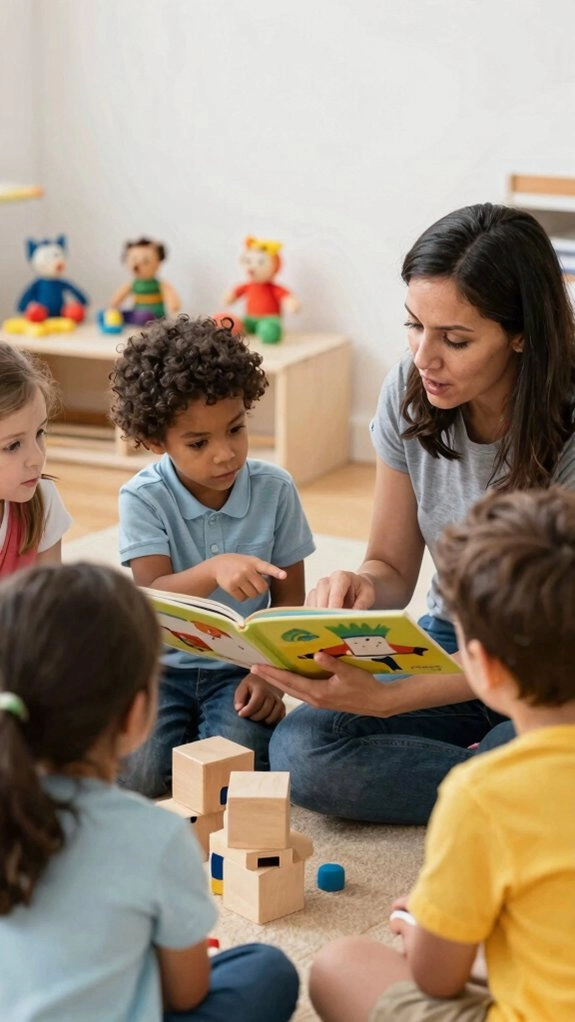
Play also gives children a natural reason to talk, listen, and share ideas. You can join guided or free play and help every child feel heard. Language-rich moments matter because young brains grow quickly before age five.
- Read rhymes and varied books to build phonemic awareness and vocabulary growth.
- Use responsive questioning: “What happened next?” Then invite story retelling.
- Welcome dramatic play, home languages, and new words. You show children that their voices, cultures, and ideas truly belong every day in your classroom community.
These warm exchanges help children communicate with confidence while connecting with friends and trusted adults.
Supporting Cognitive Development
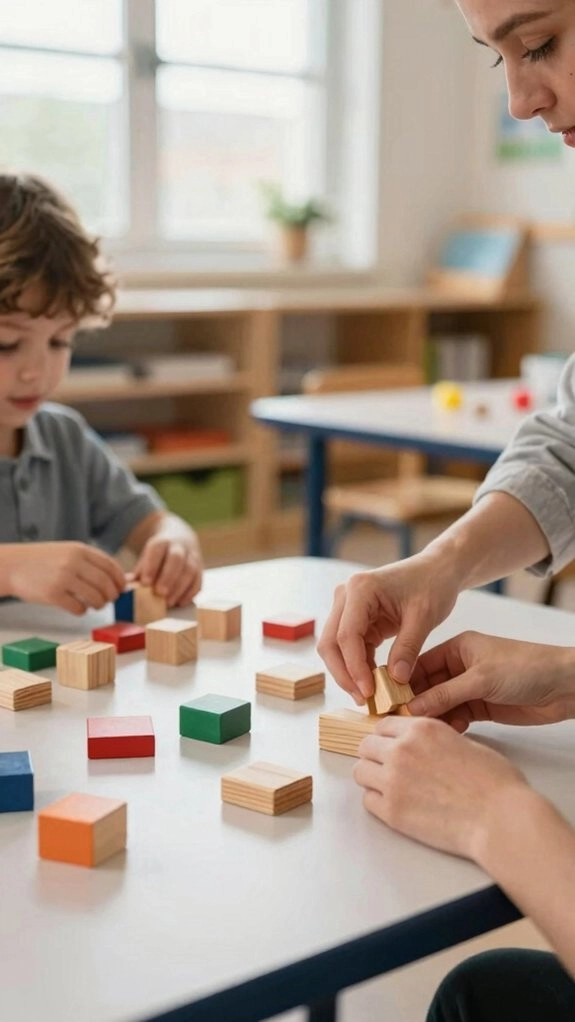
A young child’s brain stays busy from birth, soaking up new information each day. By five, about 90% of brain development has occurred.
You can join this exciting growth through play. Babies learn by reaching, watching faces, and responding to sounds. These actions build thinking and coordination.
As children grow, dramatic play lets them imagine, plan, and notice their own ideas.
Offer counting games, sorting tasks, and pattern hunts to strengthen early numeracy.
Share rhymes, stories, and books for pre-reading skills.
Ask “What might happen next?” Your questions encourage Critical thinking, problem solving, and executive function while helping each child feel included.
Social and Emotional Learning
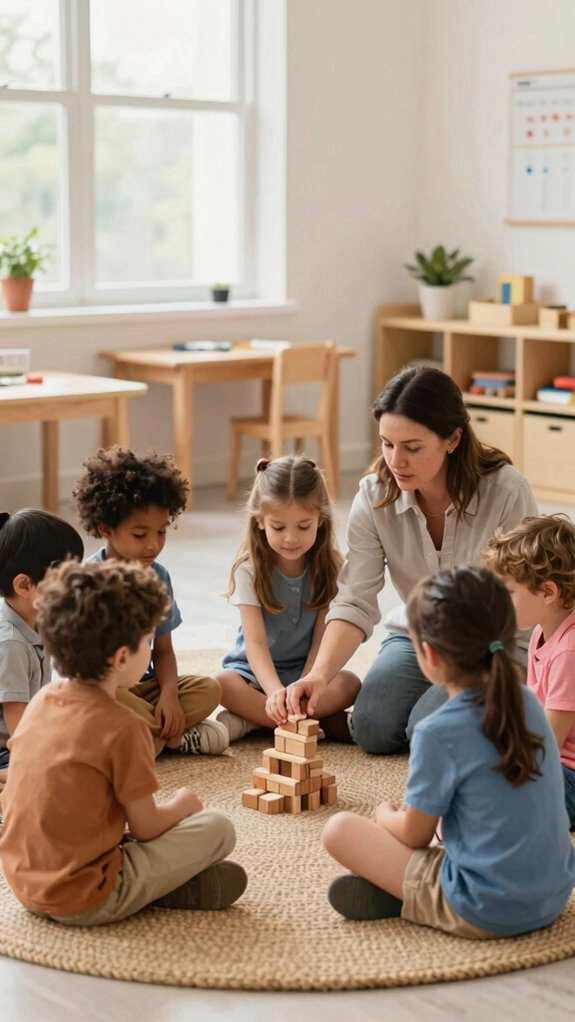
Every day, children learn how to understand feelings and connect with others. You can help them feel safe, included, and ready to grow.
Because 90% of brain development happens by age five, warm guidance matters.
- Practice emotion vocabulary building through names like proud, worried, or frustrated.
- Use positive reinforcement to support self-control, patience, and behavior expectations.
- Guide peer conflict resolution with empathy and cooperation.
Inclusive support helps every child belong, including dual language learners and children with disabilities. Classroom turnover plans build confidence and kindergarten readiness as children try new challenges with trusted peers and educators by their side.
The Importance of Daily Routines
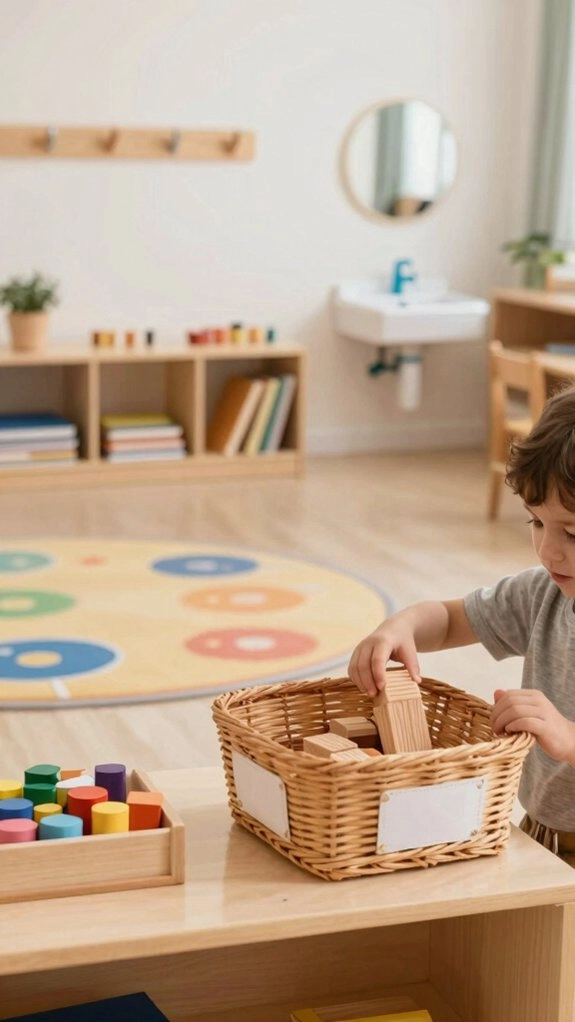
When children know what comes next, they feel secure and ready to learn. You create a welcoming rhythm through meals, stories, play, and rest. These repeated moments build patience, self-control, and emotion regulation practice. Predictable switch cues help everyone join in calmly.
| Routine | You build | Children feel |
|---|---|---|
| Story time | Language | Connected |
| Cleanup | Cooperation | Included |
| Sorting play | Math thinking | Capable |
| Rest | Patience | Safe |
Because brain growth is rapid before age five, your steady care matters. You help children practice rhymes, hear stories, count objects, notice patterns, and manage big feelings. Each familiar step strengthens trusted relationships with you and friends.
Choosing Developmentally Appropriate Activities
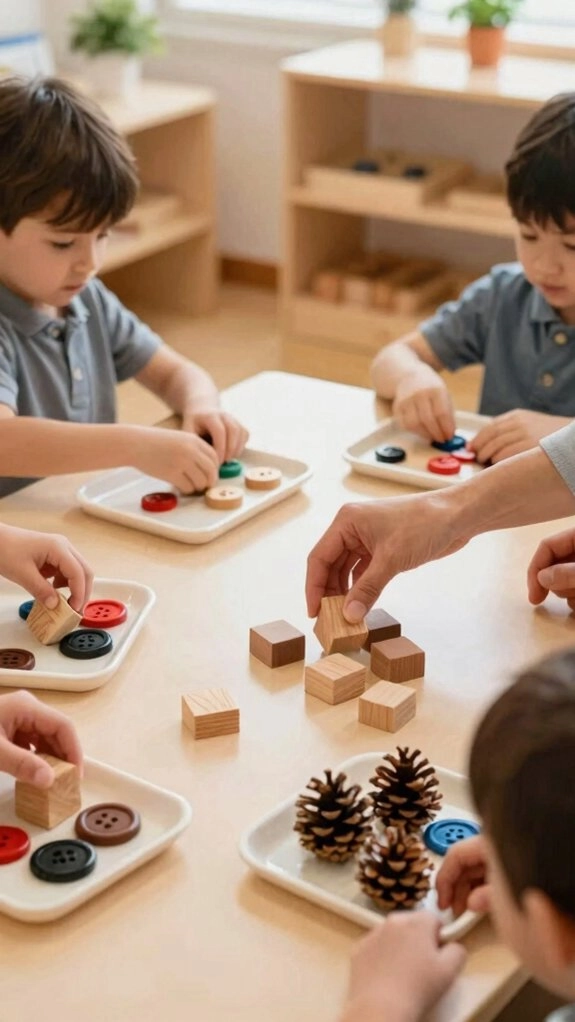
With a steady routine in place, you can choose activities that fit each child’s stage. You’ll help everyone feel included when play matches what they can do and enjoy.
- Offer Sensory exploration for infants and toddlers through safe reaching, touching, and moving.
- Invite children ages two to seven into dramatic play and “what if” stories.
- Use guided and free play for counting, sorting, rhymes, books, and patterns.
Caregiver modeling shows children how to wait, name feelings, and handle changes calmly.
You don’t need worksheets; everyday objects and varied texts build skills through shared finding in your welcoming learning community.
How Parents and Teachers Can Work Together
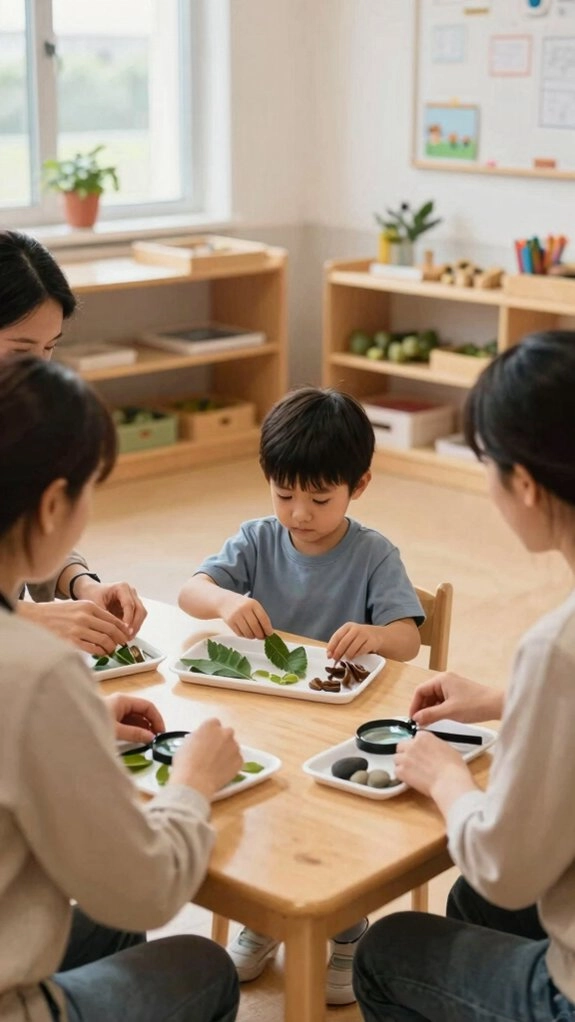
Strong parent-teacher teamwork helps children feel safe, understood, and ready to learn. You and your child’s teacher can check in often about feelings, friendships, self-control, and language growth. Share shared goals for cooperation, empathy, and confidence.
Teachers can suggest classroom routines and play ideas you can try at home. Your home strategies might include songs, rhymes, texture play, and simple storytelling.
This Family support gives your child familiar, caring guidance. If your child needs extra help, ask about inclusive supports or early intervention services. Regular conversations help you build trust and keep every child feeling welcomed, seen, and included.
Creating a Strong Foundation for Lifelong Learning
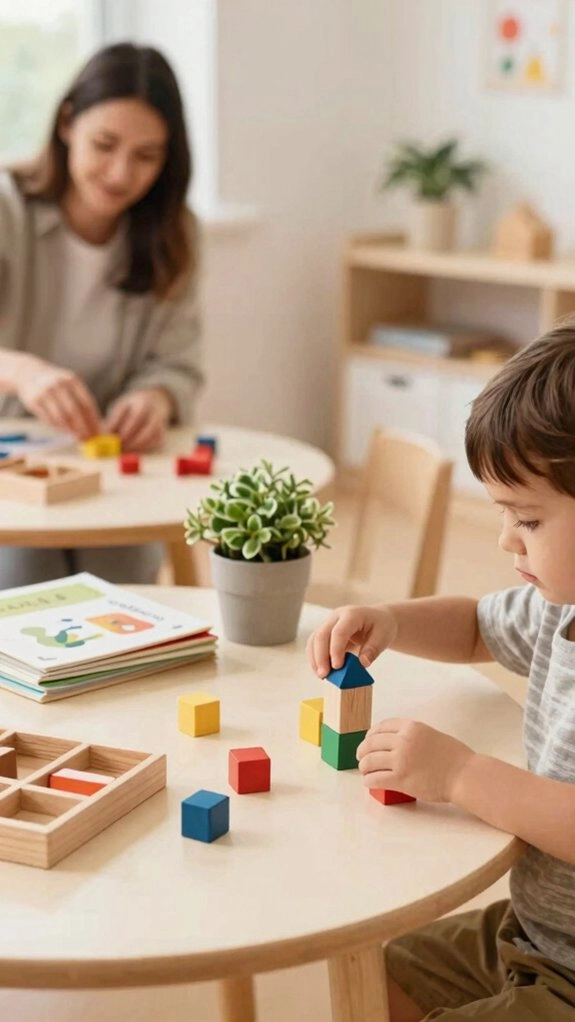
This teamwork helps children build a strong base for learning from birth to age five. You create belonging through Parent involvement, family support, and teacher collaboration. Your shared learning environment welcomes every culture through cultural inclusion. Early assessment helps you notice strengths and guide next steps.
- Play together to grow language, counting, patterns, and curiosity.
- Practice sharing and calming down, building empathy, patience, and self-control.
- Offer warm guidance and purposeful activities that strengthen minds and bodies.