Kids and Parenting Guide for Raising Curious and Confident Learners

- Kids and Parenting Guide for Raising Curious and Confident Learners
- Key Takeaways
- What Modern Parenting Looks Like
- Building Healthy Daily Routines
- Encouraging Independence
- Creating Positive Learning Habits
- Supporting Emotional Development
- Setting Healthy Screen Time Boundaries
- Helping Children Build Confidence
- Communicating Through Positive Discipline
- Creating a Home That Encourages Learning
- Small Daily Habits That Make a Big Difference
You raise curious, confident learners by protecting their questions and exploring answers together. Create predictable routines for meals, play, jobs, and bedtime. Listen to feelings, name them calmly, and help your child choose a coping tool. Offer safe choices, praise effort, and let mistakes teach useful lessons. Set warm, firm limits for screens and behavior. Try a daily curiosity time, then ask what surprised them. Continue to uncover habits that strengthen connection and confidence daily.
Key Takeaways
- Treat “why” questions with interest, and investigate answers together to protect curiosity and build a family learning culture.
- Keep predictable routines for meals, play, transitions, and bedtime to help children feel secure, capable, and ready to learn.
- Validate big feelings, name emotions calmly, and practice coping tools such as breathing, walking, or journaling.
- Build independence by offering safe choices, asking children to consider options, and praising persistence rather than innate ability.
- Set warm, clear boundaries around behavior and screens, then offer engaging alternatives like reading, drawing, blocks, or outdoor play.
What Modern Parenting Looks Like
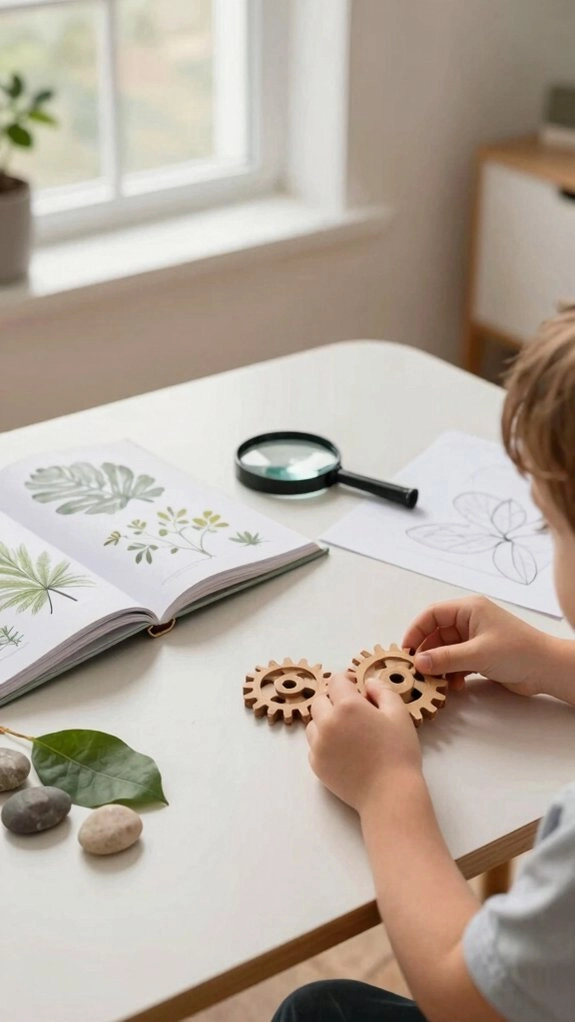
Modern parenting starts when you treat a child’s curiosity as something worth protecting.
When they ask why, respond with interest, even if you don’t know yet.
Investigate answers together, because your family can become a team of learners.
Curiosity led routines can include asking what surprised them today.
Use calm co regulation when feelings grow big: breathe, name the feeling, and stay close.
Offer choices and small responsibilities instead of fixing everything.
Say, “You kept trying,” rather than calling them smart.
Mistakes bring feedback, not shame.
You help them step into their growth zone, recover, and try again together.
Building Healthy Daily Routines
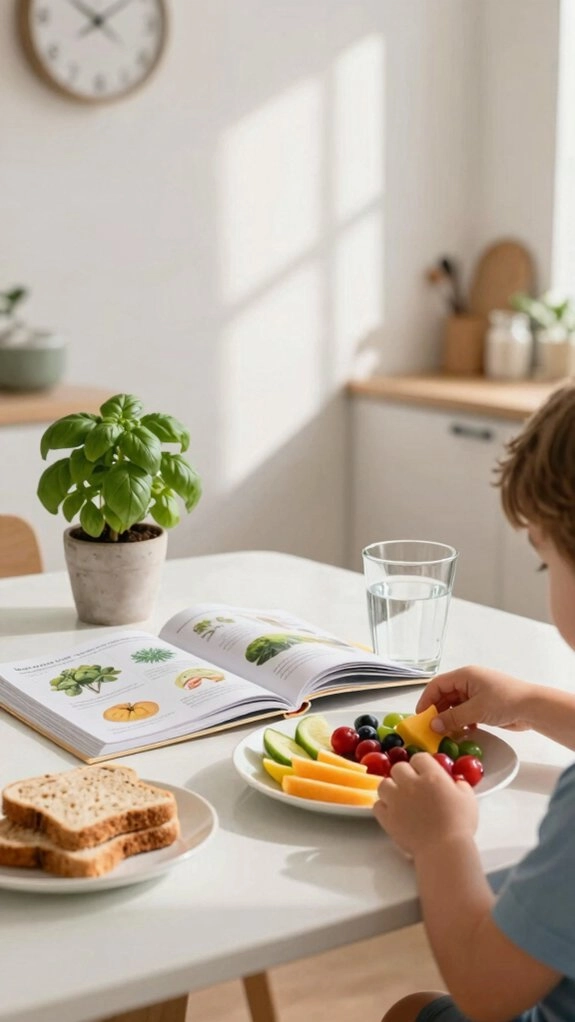
When each day follows a familiar rhythm, your child can relax and focus on growing. Routine consistency with wake-up, meals, play, and bedtime brings expectation clarity.
Create a warm home connection with a morning chat or afterschool connection walk.
These movement routines help everyone settle before demands grow.
Use transition supports when plans change.
Invite daily jobs, such as putting toys away, for independence practice and pride.
Add feelings check ins: ask about the day’s best moment or rate a big feeling.
If emotions rise, guide slow breaths, offer sensory breaks, then use a calm reset and return together.
Encouraging Independence

Independence grows each time your child thinks, “I can try this myself.” You don’t need to step back all at once. Become a consultant, not a fixer. Ask, “What are your options?” Then offer safe choices and let them lead.
| Try | Your support |
|---|---|
| Put toys away | Point to the bin |
| Organize homework | Ask what comes first |
Give just enough help in their growth zone. Let mistakes bring natural consequences, then discuss what worked. Use Process praise: “You kept trying.” Your calm trust helps your child feel capable and included in the family team with you close by when needed.
Creating Positive Learning Habits
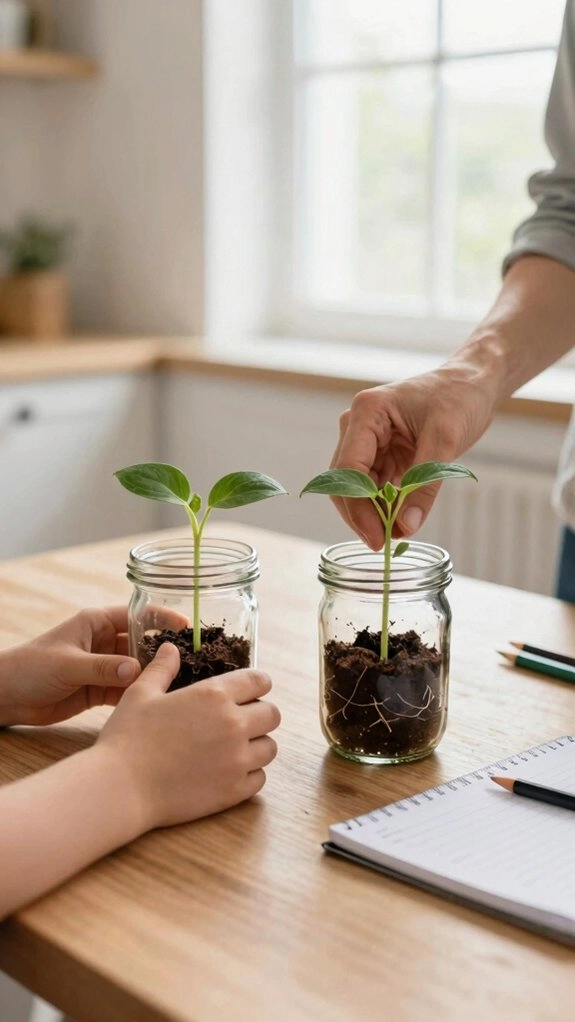
Positive learning habits grow through small routines that make discovery feel safe and exciting. Set aside 10 to 20 minutes for curiosity time.
Let your child choose the topic, then use curiosity prompts such as, “What do you notice?”
Keep materials and steps predictable, so everyone feels ready.
Praise effort: “You kept trying when it was hard.”
This builds a growth mindset and helps mistakes become clues.
Offer two choices, like drawing or blocks, so your child can test ideas independently.
End by asking, “What surprised you?” and “What did you learn?”
These moments help your family learn together.
Supporting Emotional Development
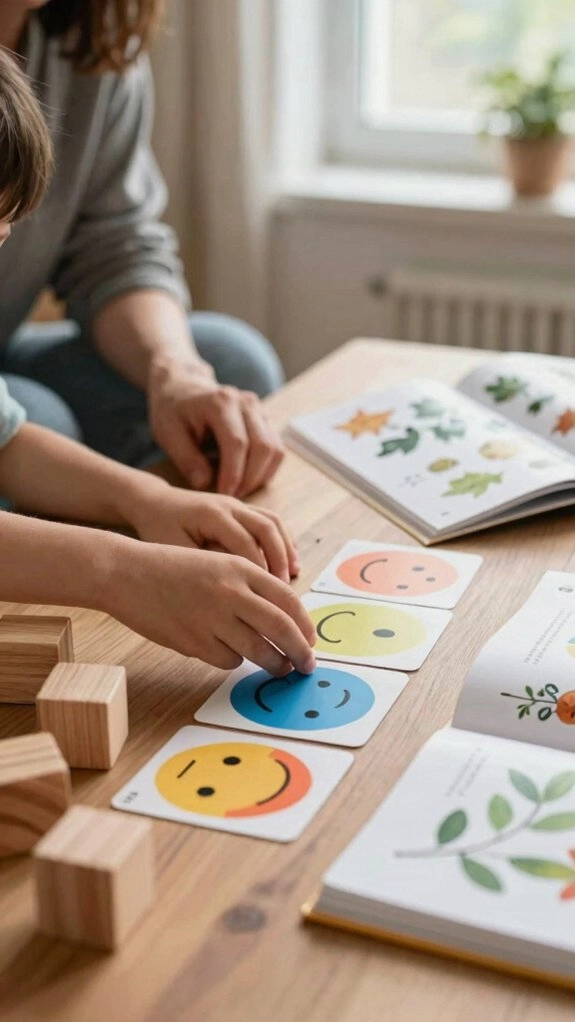
Feelings shape how children learn, try new things, and bounce back from setbacks. Ask how you’re feeling, not only about grades or behavior. Your child belongs in conversations where inner life matters.
| Try this | What it builds |
|---|---|
| Validate: “That sounds frustrating.” | Safety to keep trying |
| Take a walk, journal, or breathe mindfully. | Emotion naming and calm |
| Pause after mistakes, name feelings, choose a step. | Coping planning |
Model recovery, so your child sees that hard moments pass. If struggles persist across settings or limit life, seek clinical support or an independent neuropsychological evaluation. You don’t have to solve everything alone.
Setting Healthy Screen Time Boundaries
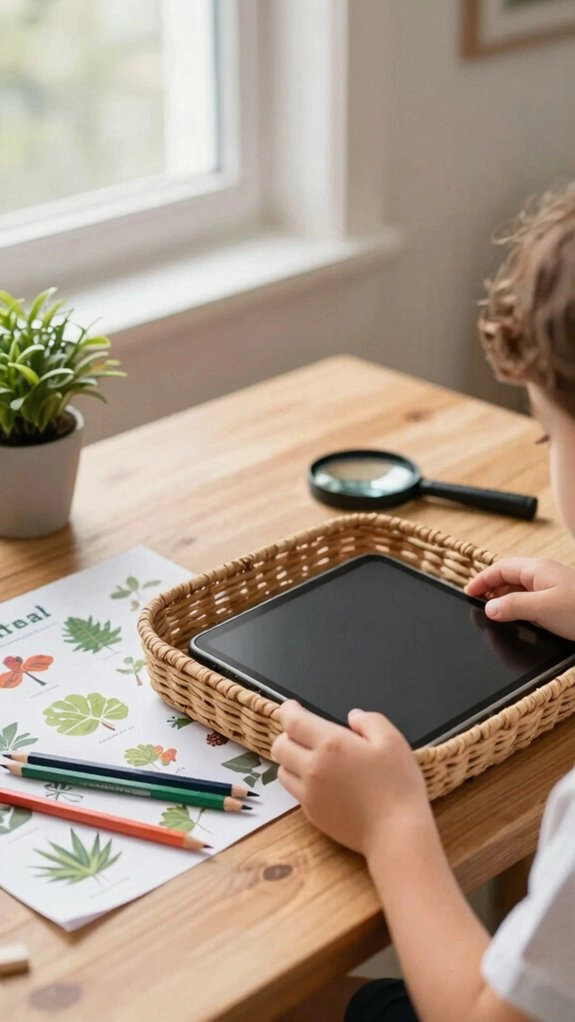
Just as children need help handling big feelings, they need clear screen habits. Create Screen routines your family can count on: screens stay off during meals, homework nights, and the hour before bed. This bedtime timing protects sleep.
For ages two to five, choose up to one hour of high-quality shows daily. For younger toddlers, save screens for video chats.
Watch together when you can, then ask what they noticed or predict next. When time ends, offer two or three alternate choices, such as blocks, drawing, or outdoor play.
Consistent rules help everyone feel included, and ready for tomorrow.
Helping Children Build Confidence
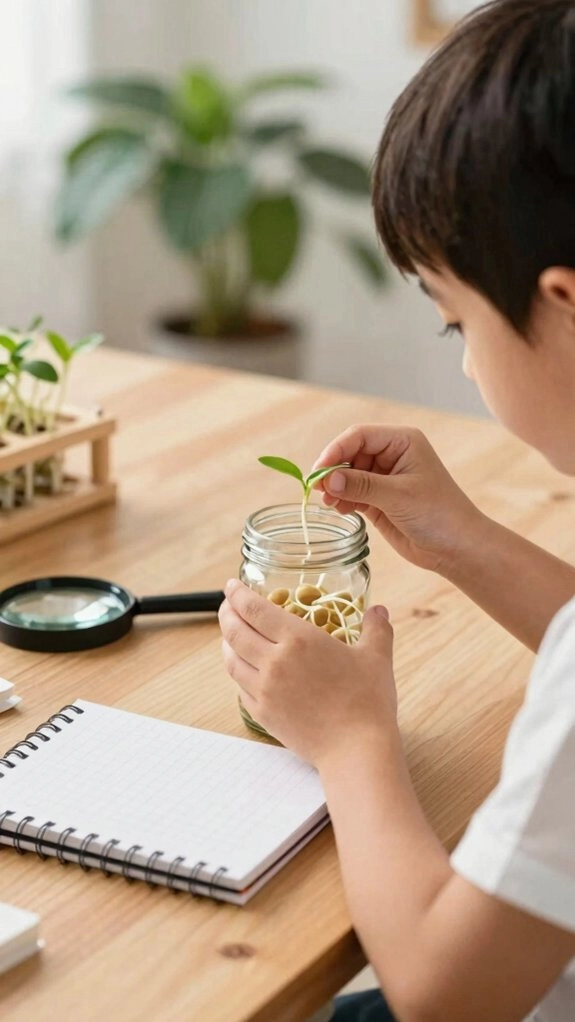
- Let them choose shoes or fruit, then trust their decision.
- Turn mistakes into mistake learning: ask what happened and what to try next.
- Offer real jobs, like sorting toys or setting the table.
This autonomy practice shows your child that their choices matter. Set small goals together.
Afterward, ask, “What did you learn?” Each attempt helps them belong and believe.
Communicating Through Positive Discipline
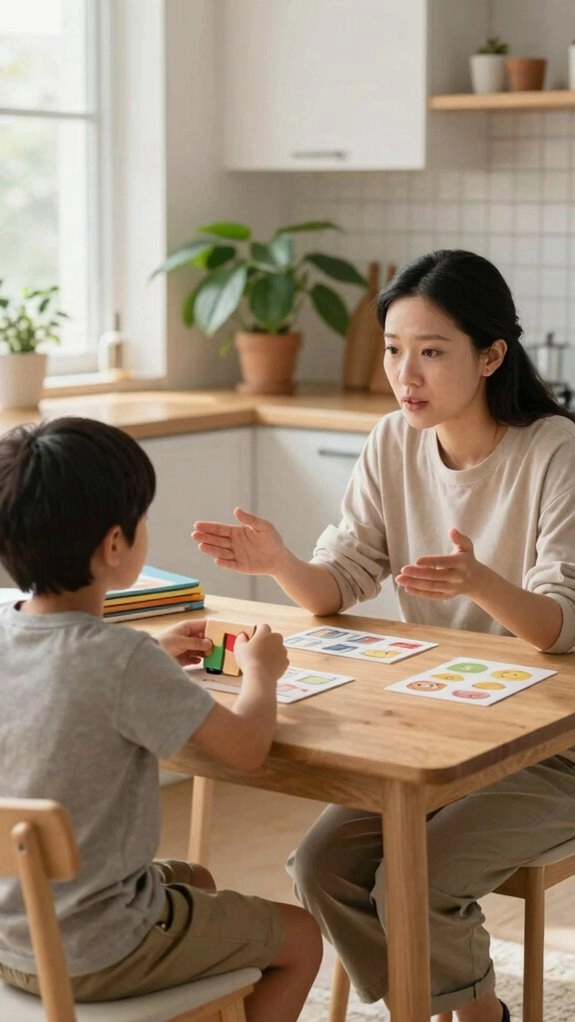
Positive discipline helps children learn from tough moments without feeling shamed.
You can set clear expectations and Clear Consequences while staying Warm Firm and kind.
This shows your child that rules protect everyone in the family.
When feelings grow big say, “That’s really frustrating.”
Then guide the next step.
Notice effort: “You kept trying. What strategy will you test next?”
Avoid labels like “smart.”
Offer a few choices instead of fixing everything.
Ask, “What could you try?”
After mistakes, look together at what happened and what to do differently.
Your nonjudgmental words help children feel they belong and can learn.
Creating a Home That Encourages Learning
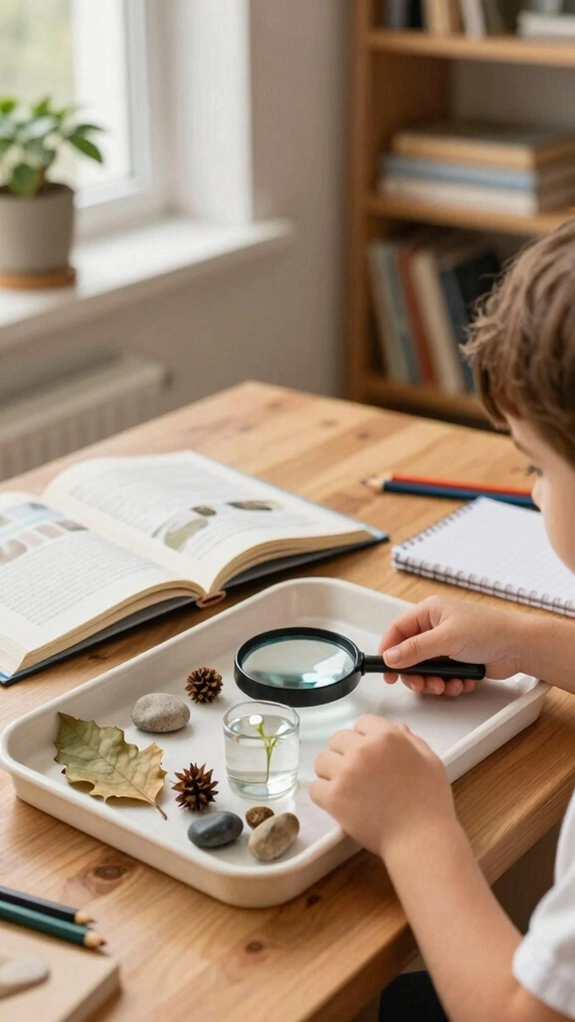
A learning-friendly home doesn’t need elaborate tools or strict schedules. You can create belonging with predictable rhythms, calm changes, and clear expectations. When children feel safe, they’ll take growth-zone risks.
- Set up Learning stations with crayons, blocks, paper, and nature treasures.
- Offer two or three choices, so your child feels trusted and included.
- Use curiosity prompts at dinner or errands: “What do you notice?” “What makes you think that?”
Rotate materials weekly to keep wonder fresh without correction. Notice effort, not answers: “You kept trying when it was hard!” Your feedback says questions belong here, and so do they.
Small Daily Habits That Make a Big Difference
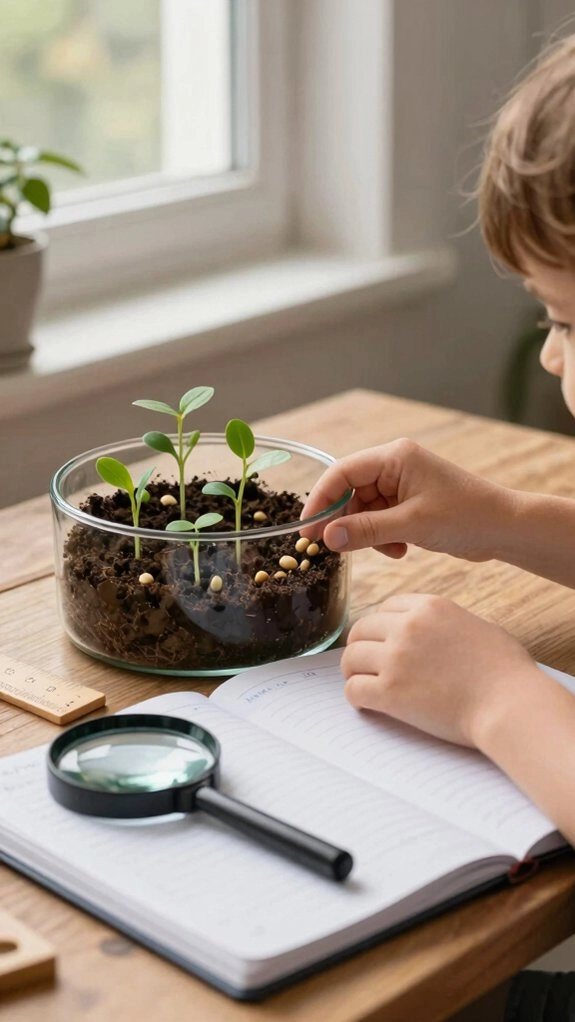
Small habits can quietly shape how your child sees learning every day. Create wonder moments by asking one question aloud, then investigate possibilities together before searching online.
Notice effort with praise like, “You kept going when it felt tough.” This helps your child trust their ability to grow.
Add trusted routines through a five-minute job, such as setting the table or sorting toys.
Make space for feeling check ins: ask about one feeling from the day.
At bedtime, invite growth reflections with “What surprised you?” These shared pauses show your child they belong in your learning community each day.