Why Children Learn Better Through Active Participation
- Why Children Learn Better Through Active Participation
- Key Takeaways
- What Is Active Learning?
- Active Learning vs Passive Learning
- How Movement Improves Memory
- Why Hands-On Experiences Build Stronger Connections
- The Role of Mistakes in Learning
- Motivation and Engagement in Young Children
- Simple Ways to Encourage Active Learning at Home
- Applying Active Learning in the Classroom
Children learn better through active participation because you use your body and mind together. When you touch, move, ask questions, and test ideas, new facts become real experiences. Your brain builds stronger memories from those experiences. Mistakes also help because they show you what to try next. Choosing how to investigate keeps you curious and motivated. Talking about discoveries helps ideas stick. Keep going to find simple ways to make learning more active every day.
Key Takeaways
- Active participation helps children build understanding by using ideas rather than only hearing information.
- Hands-on movement and sensory exploration create stronger memory connections and improve later recall.
- Asking questions, testing ideas, and discussing discoveries encourage curiosity and deeper thinking.
- Making mistakes during activities teaches problem-solving and shows children that learning improves through practice.
- Choice, collaboration, and shared exploration increase motivation, confidence, and engagement in learning.
What Is Active Learning?
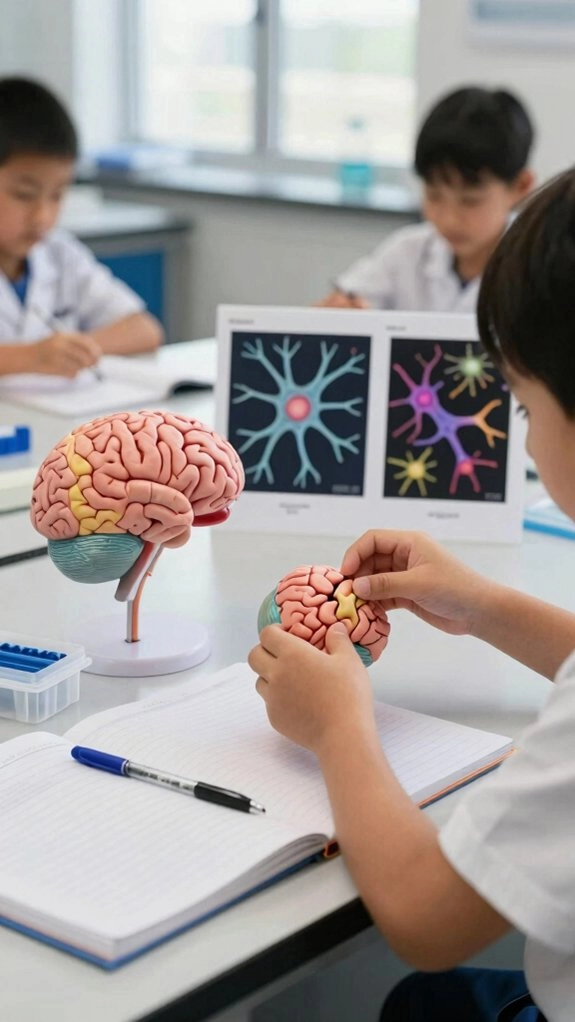
Active learning means you don’t just watch someone else explain a new idea. You join in by touching, moving, listening, and trying things yourself.
When you plant seeds, paint pictures, or act out a role, your hands and mind work together.
Sensory exploration helps you notice details. Curiosity questions lead you to investigate.
Storytelling prompts invite you to share ideas from your own experiences. Through choice making, you help guide your learning.
Problem solving builds confidence when plans change.
Peer collaboration lets you uncover with classmates, so everyone can contribute, belong, and grow together every day with friends nearby.
Active Learning vs Passive Learning
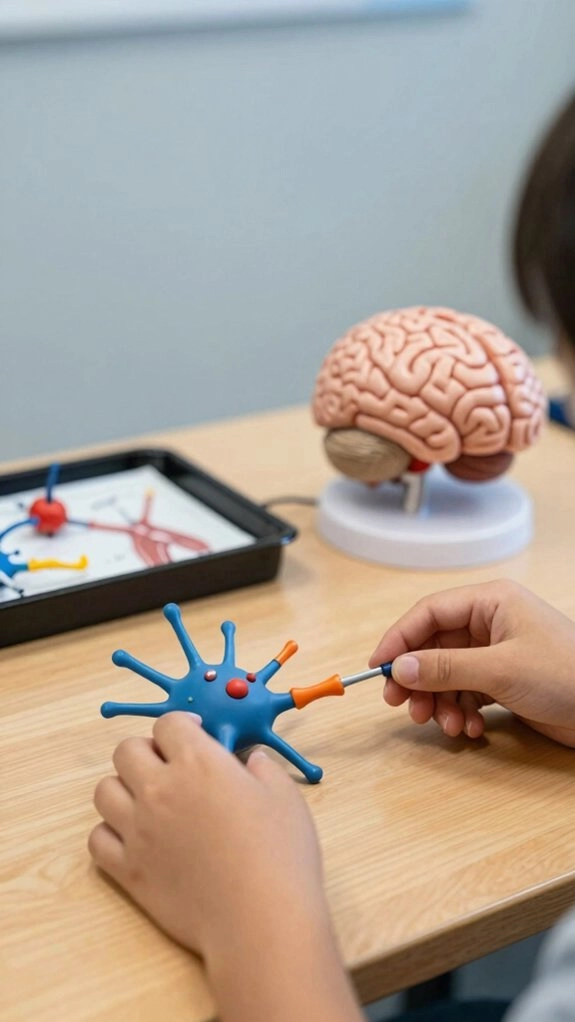
When you learn by doing, your brain doesn’t just collect facts; it uses them. Passive learning can help you hear new ideas, but it may leave you watching from the sidelines. Active learning invites you into the team.
- Ask questions through curiosity driven inquiry.
- Test ideas, and notice what changes.
- Discuss discoveries with classmates and build understanding together.
- Reflect on mistakes and try again.
Lectures can feel clear, yet tests often show that doing teaches more. Don’t let learning misconceptions fool you: effortful thinking helps facts stay with you longer.
You belong in the learning process, not outside it.
How Movement Improves Memory
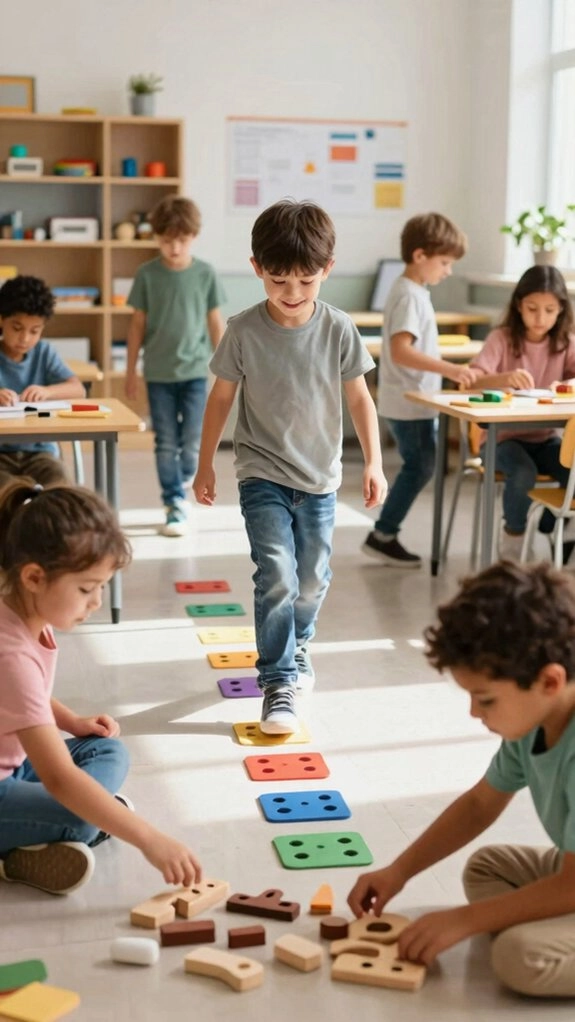
With every jump, step, or hands-on task, your brain unearths stronger memories. When you move, you don’t just hear an idea; you experience it.
Touching soil, watching seeds grow, or measuring dough uses sight, touch, and motion together. This sensory retrieval helps you unearth the learning later.
Embodied cognition means your body helps your mind understand. When you fill and empty containers, you see cause and effect in action.
Repeating these moves strengthens action recall. You aren’t learning alone, either. Sharing discoveries with classmates lets everyone test ideas, reflect, and celebrate progress.
Your movement turns lessons into memorable experiences.
Why Hands-On Experiences Build Stronger Connections
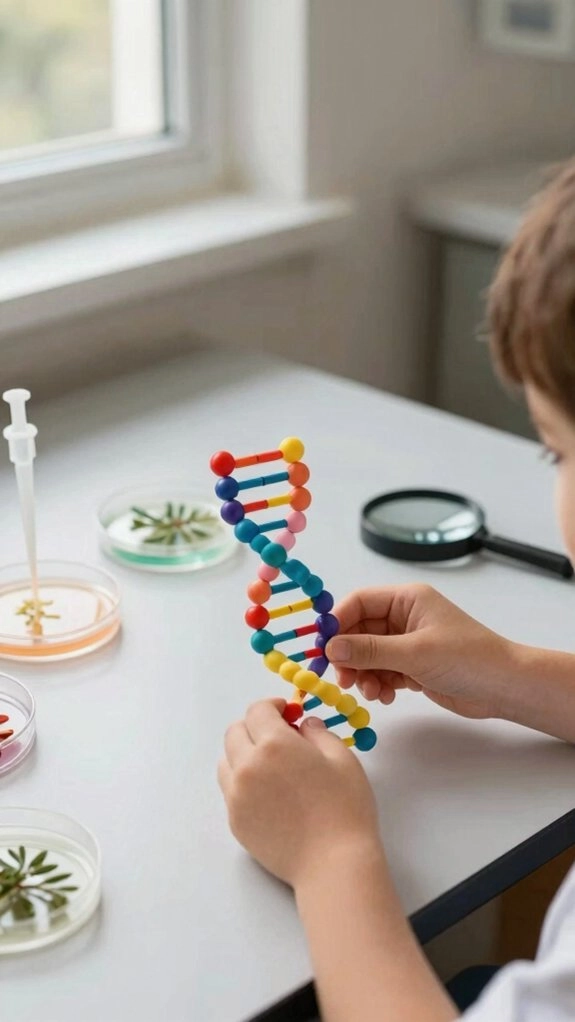
Why do hands-on experiences create such strong links in your mind? When you touch, move, listen, and examine, new ideas connect to real moments. You’re not learning alone; your findings can be shared with your class, family, or friends.
- Sensory inquiry lets you feel textures, notice smells, and build clear mental pictures.
- Plant a seed and record its growth. Cause and effect play makes each change meaningful.
- Engaging routines, like baking or nature walks, help you revisit ideas together.
- Doing and discussing strengthen memory pathways, so learning lasts longer than watching alone. Each active moment helps knowledge feel real.
The Role of Mistakes in Learning
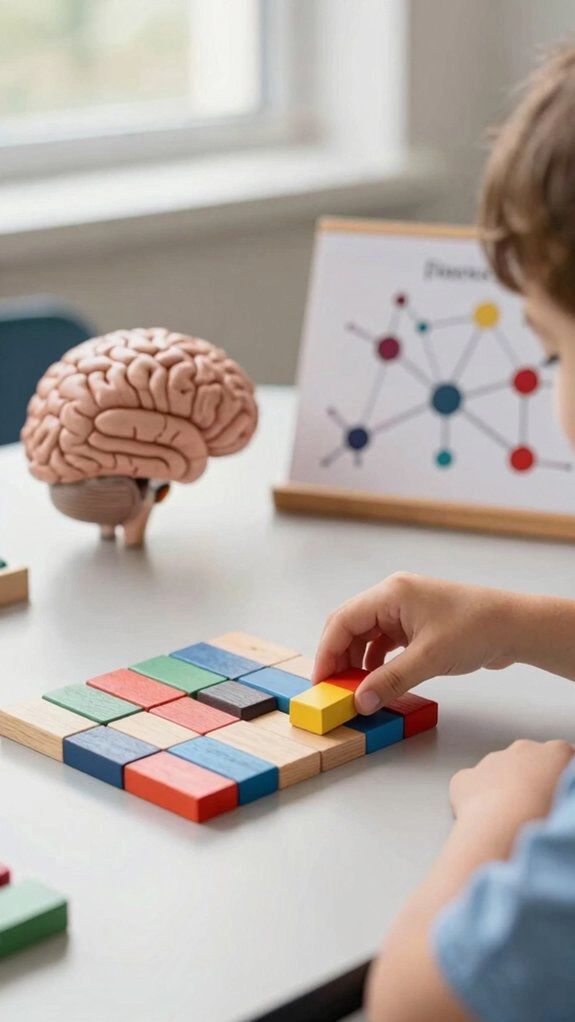
Mistakes aren’t signs that you can’t learn; they’re clues that guide you forward.
When you handle objects, share ideas, and test answers, you uncover what happens next.
Your first try won’t always work, and that’s normal.
You can treat each Error as feedback, then adjust your plan.
Exploring on your own helps you solve problems instead of waiting for every answer.
In a safe learning climate, you can speak up, compare results, and learn with classmates.
Adults and peers can help you notice what changed.
Each attempt, correction, and try builds understanding that lasts because you’ve experienced it yourself.
Motivation and Engagement in Young Children
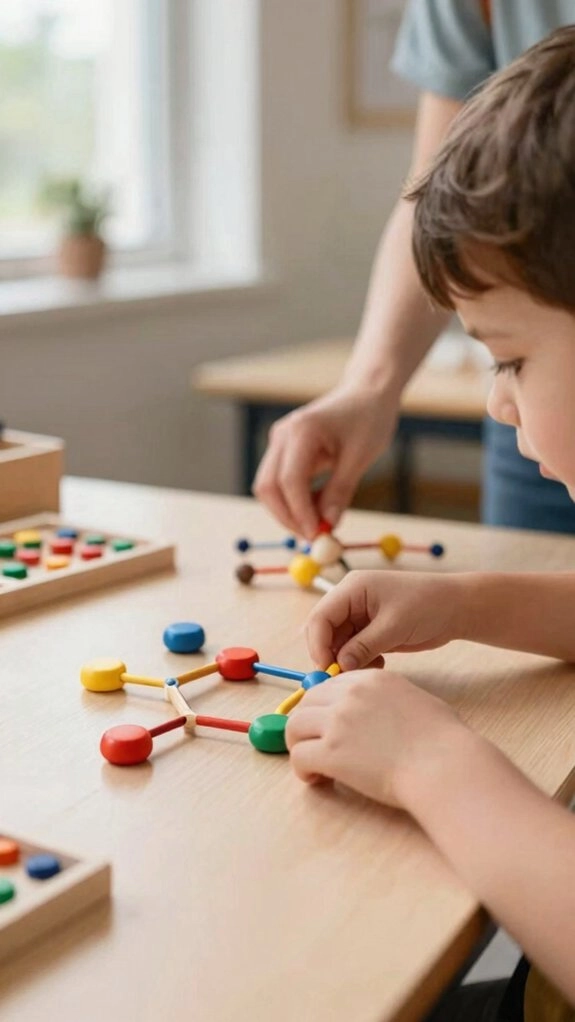
Active learning often makes your curiosity grow because you get to join in. When you touch grass, pour water, or knead dough, your senses help ideas feel real.
You connect new findings to things you already know, so you can focus longer. Questions and peer collaboration help you feel included, capable, and proud.
- Move and venture to Spark curiosity.
- Talk about what you notice with friends.
- Ask why things happen and share your ideas.
- Reflect on what you learned; your voice matters.
Each action gives you ownership. You aren’t just watching—you belong in the learning with everyone around you.
Simple Ways to Encourage Active Learning at Home
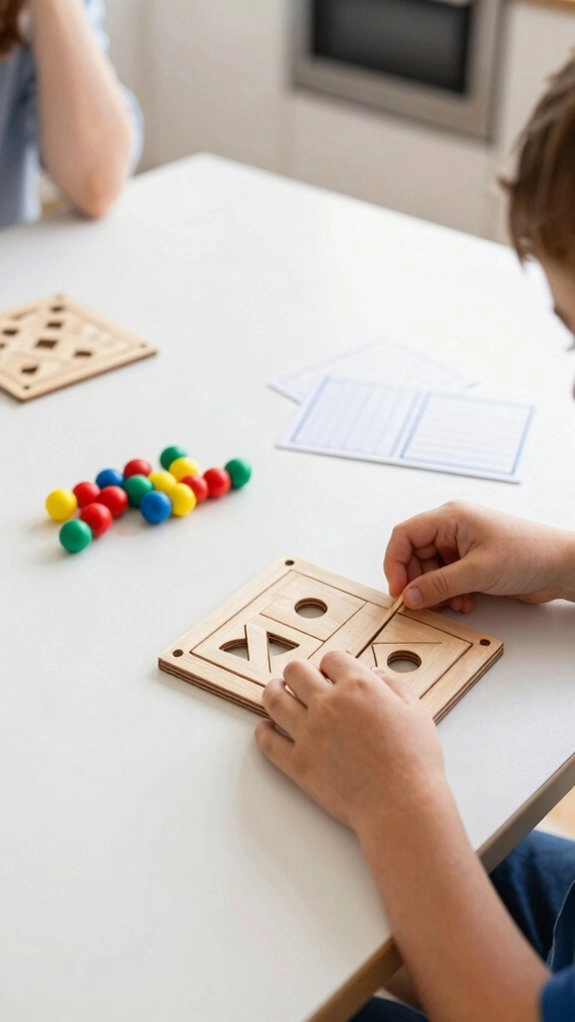
At home, you can turn ordinary moments into exciting chances to find. Everyday routines, such as baking, invite you to feel dough change and watch cookies grow golden.
Add fine-motor practice with safe scissors, crayons, or playdough.
You can name objects on walks and describe rough bark or sweet flowers.
Sensory storytelling helps you share what you notice and compare ideas.
Dance, role-play, or play movement games to uncover new concepts together.
Keep screens limited so your family has more time to create, talk, and learn.
These small choices help everyone feel included, curious, and ready to find more.
Applying Active Learning in the Classroom
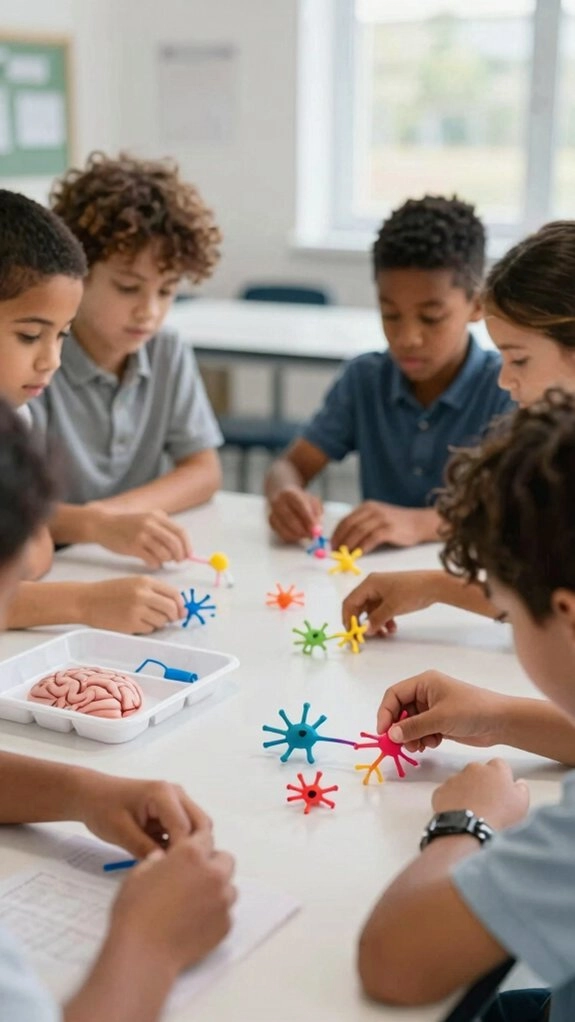
When you enter a hands-on classroom, you don’t just watch—you investigate. Try these ways to learn with your community:
- Use inquiry stations for student led discovery. Ask why seeds need sunlight, then test your ideas.
- Build sensory exploration tasks into classroom routines. Touch, smell, compare, and record what changes.
- Choose movement based learning with walk-and-talk transition. You’ll stay connected as you explore beside classmates.
- Share peer discussion prompts during group reflection time. Listen kindly and add your thinking.
Teacher scaffolding moments help when you get stuck, but you keep investigating, solving, and belonging with your group every day together.