
Harriet Tubman Story for Kids That Inspires Bravery
- Harriet Tubman Story for Kids That Inspires Bravery
- Key Takeaways
- Who Was Harriet Tubman?
- Harriet Tubman’s Childhood in Slavery
- How Harriet Tubman Became Minty
- Harriet Tubman Escapes to Freedom
- Planning the Escape
- Reaching Philadelphia
- Harriet Tubman and the Underground Railroad
- Secret Routes to Freedom
- Harriet as Conductor
- Harriet Tubman’s Return Trips to Rescue Others
- Harriet Tubman Spies for the Union
- Union Scout Work
- Secret Missions Behind Lines
- Combahee River Raid
- Harriet Tubman and the Combahee River Raid
- Harriet Tubman’s Faith and Courage in Action
- Harriet Tubman’s Lasting Legacy
Harriet Tubman’s story shows you how brave one person can be. Born enslaved in Maryland, she escaped in 1849 and used the Underground Railroad to help others find freedom. She guided families through danger, trusted her faith, and never gave up. During the Civil War, she even helped plan a rescue raid that freed hundreds of people. Her life still inspires courage, and there’s even more to uncover about her amazing adventure.
Key Takeaways
- Harriet Tubman was a brave Black woman who helped free enslaved people and became a symbol of freedom, strength, and hope.
- She was born enslaved in Maryland in 1820, and even after hard childhood struggles, she stayed strong and courageous.
- In 1849, she escaped to freedom on a secret route that later became part of the Underground Railroad.
- Harriet returned many times to guide about 60 people to freedom using safe houses, secret codes, and great bravery.
- During the Civil War, she served as a scout and helped lead the Combahee River Raid, freeing hundreds of people.
Who Was Harriet Tubman?
Harriet Tubman was a brave Black woman who changed history. You can think of her as a leader who never gave up.
Born in Maryland in 1820, she became a human rights activist and fought to end slavery.
She used faith and courage to guide enslaved people along the Underground Railroad, a secret route to freedom.
You can imagine the fear she faced and the freedom and hope she gave others.
Later, people knew her as Harriet Tubman after she married John Tubman.
Her life shows you that one person can help many.
Harriet Tubman’s Childhood in Slavery

Born in 1820 in Maryland, Araminta Harriet Ross, whom people called “Minty,” grew up enslaved. You can picture a childhood molded by hard work and fear.
She lived with eight brothers and sisters, and both her parents were enslaved too. Family separation hung over her home, so every day could bring loss.
She also faced cruel punishment and deep hurt. The violence she endured left lasting injuries.
Even so, you can see her strength growing. Her early life taught her to value freedom and to care for others with courage and hope.
How Harriet Tubman Became Minty
As Minty grew older, she began to build the name the world would know. You can see how her early life molded her strength.
Born Araminta Harriet Ross in Maryland, she lived with enslaved family members and constant danger. Her injuries stayed with her, but they didn’t break her spirit. In 1844, she met John Tubman, a free Black man, and married him. Then came a name change: Minty became Harriet Tubman.
- Born in slavery
- Loved family, even in hardship
- Held a Freedom dream that kept growing
Harriet Tubman Escapes to Freedom
You can imagine Harriet carefully planning her escape from Maryland in 1849.
She trusted the secret Underground Railroad and began a long, risky voyage with hope in her heart.
After nearly 90 miles, she reached Philadelphia and finally found freedom.
Planning the Escape
In 1849, after her owner died, Harriet Tubman made a bold plan to escape slavery. You can imagine her weighing family decisions and facing danger ahead with planning courage. She knew she’d travel nearly 90 miles to freedom.
She counted on secret helpers along the Underground Railroad, a hidden network of safe houses.
- She left loved ones behind.
- She trusted brave people who might risk turning her in.
- She held onto her vow to keep going.
You belong with her story because her courage shows how hope can guide you, even when the path feels hard.
Reaching Philadelphia
Harriet Tubman knew freedom was waiting in Philadelphia, so she set out with courage.
In 1849, after her owner died, you can picture her slipping away from Maryland.
She followed the Underground Railroad, a hidden path of safe houses and secret routes.
The trip covered nearly 90 miles through danger, but she kept going.
Philadelphia felt like a Philadelphia safe city, where she could breathe and belong.
Later, she used those same routes north, to lead others toward Pennsylvania and hope.
Her brave escape shows you how one strong choice can open doors for many.
Harriet Tubman and the Underground Railroad
You can imagine the Underground Railroad as a secret web of safe routes and homes.
Harriet Tubman became a brave conductor who guided people from slavery toward freedom.
She led many trips and helped others find safety, hope, and a new life.
Secret Routes to Freedom
- In 1849, she walked nearly 90 miles from Maryland to Philadelphia.
- She returned again and again to help others escape.
- She led about 60 people to Pennsylvania, then Canada.
You belong in this story of courage. Harriet trusted others and kept going toward safety.
Harriet as Conductor
With brave steps and a careful plan, Harriet Tubman became a famous “conductor” on the Underground Railroad. You can imagine her guiding friends through dark woods and hidden paths. She used Harriet’s codewords to warn people when danger was near. Her safehouse bravery helped families rest, eat, and keep hope alive.
| Journey step | What you learn |
|---|---|
| Escape from Maryland | Freedom was possible |
| First trip to Philadelphia | The route worked |
| Return trips | She kept helping |
| Safe houses | People found shelter |
| Canada route | Hope grew wider |
About 60 people reached freedom because she never gave up.
Harriet Tubman’s Return Trips to Rescue Others
After Harriet Tubman escaped slavery, she didn’t stop fighting for freedom. She turned back again and again, guided by the Underground Railroad and secret courage. You can picture her moving quietly through danger to help others.
- She made nineteen return trips south.
- She led about 60 people to Pennsylvania.
- Later, routes helped people reach Canada.
Each trip meant real risk if she was caught. Many people she helped were still enslaved nearby, so she’d to stay careful. Harriet showed you that freedom can grow when you help your community, not just yourself.
Harriet Tubman Spies for the Union
You can see Harriet Tubman as a brave Union scout who crossed danger to gather secret facts.
She knew the land well and helped plan missions behind Confederate lines, including the Combahee River raid.
With her guidance, Union forces freed many enslaved people and kept their soldiers safe.
Union Scout Work
During the Civil War, Harriet Tubman kept fighting for freedom in a new way. You can see her Civil War courage and secret bravery as she served the Union as a scout and spy. She used her knowledge to help others and protect the mission.
- She helped gather facts about Confederate positions.
- She encouraged brave African Americans to join the effort.
- She worked with Colonel James Montgomery to plan the Combahee River raid.
On June 1, 1863, she watched from a gunboat and spotted hidden torpedoes. Her work helped free about 730 enslaved people and kept soldiers safe.
Secret Missions Behind Lines
Harriet Tubman didn’t stop helping when the Civil War began. You can picture her moving through danger with courage and purpose. She became a Union spy and gathered secret news that helped people move toward freedom.
She used Hidden codebreaking and spy signals to share warnings and plans. She also recruited brave Black men who could help, even though apprehension could mean death.
Tubman worked with Union leaders and learned where Confederate threats were hiding. Her secret missions showed you that bravery isn’t loud.
Sometimes it’s quiet, smart, and shared with others who need hope.
Combahee River Raid
In June 1863, Harriet Tubman helped plan a daring Union raid on the Combahee River in South Carolina. You can see her courage at work as she gathered secret facts for Colonel James Montgomery. She found enemy hiding places and warned about torpedoes in the water.
- Three gunboats carried Union troops forward.
- Tubman watched from a boat as danger grew.
- The raid burned plantations, broke bridges, and freed about 730 people.
You can feel community bravery here, because no Union soldier died. Many families rushed toward family freedom together.
Harriet Tubman and the Combahee River Raid

As the Civil War went on, Harriet Tubman took another brave step in June 1863. You can see her harriet leadership and daring courage at the Combahee River raid. She rode one of three gunboats and watched the shore. She also shared crucial details with Colonel James Montgomery.
| Her Role | What She Did | Why It Mattered |
|---|---|---|
| Scout | Found defenses | Kept troops safer |
| Guide | Spotted torpedoes | Helped avoid traps |
| Leader | Watched the shore | Supported the mission |
Fog helped the attack. Soldiers burned plantations, broke bridges, and freed about 750 people. No soldiers were lost. You belong in this story of hope.
Harriet Tubman’s Faith and Courage in Action
Because Harriet Tubman trusted God, she found courage in the hardest moments. You can see her Prayer guidance in every brave step she took. She prayed, then acted with courage action for people needing freedom.
- She led families through the Underground Railroad.
- She served as a spy during the Civil War.
- She helped plan rescue missions like Combahee River.
Her rescue perseverance meant she kept returning for others. You can learn from her bravery choices and steady faith.
When fear grew, she kept moving. Her story reminds you that you belong with hope, strength, and purpose.
Harriet Tubman’s Lasting Legacy
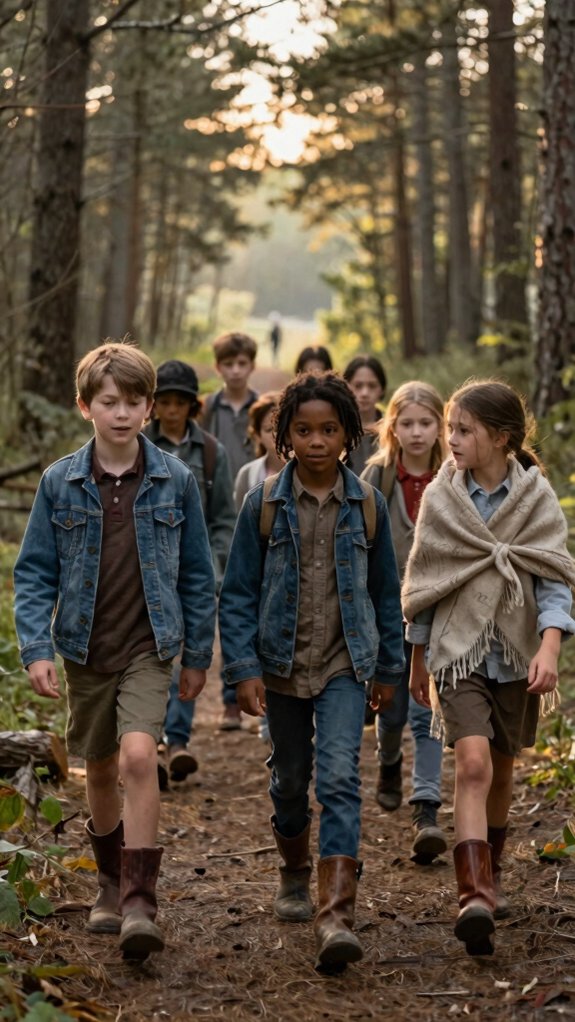
Harriet Tubman’s legacy still shines today, and it keeps inspiring people everywhere. You can see her courage legacy in the way she led enslaved people to freedom on the Underground Railroad. She served as a conductor and guided others through danger.
During the Civil War, you’d also find her working as a Union spy and armed scout. She risked being taken and even hanging. Her brave Combahee River raid freed hundreds.
In american history, her name now stands for freedom, strength, and hope. In 2016, the U.S. chose her for the $20 bill, honoring your shared story.