
Logic and Critical Thinking Skills Every Kid Should Learn

- Logic and Critical Thinking Skills Every Kid Should Learn
- Key Takeaways
- What Is Critical Thinking for Kids?
- How Logic Supports Critical Thinking
- How Kids Use Everyday Reasoning
- What Are the 6 Critical Thinking Skills?
- How Numeracy Strengthens Critical Thinking
- Fun Ways to Practice Critical Thinking Daily
- How Adults Can Build These Skills at Home and School
- Home Thinking Habits
- Classroom Reasoning Practice
- Everyday Logic Talk
You can learn critical thinking by asking what’s true, what’s fair, and what makes sense. Logic helps you slow down, compare choices, and spot weak claims. You also use clues from words, faces, and numbers to make better guesses. The six key skills are analysis, interpretation, inference, evaluation, explanation, and reflection. With practice, you’ll make smarter choices at school and home, and there’s even more to uncover ahead.
Key Takeaways
- Critical thinking helps kids make purposeful, reasoned choices instead of copying adults without checking evidence.
- Logic teaches kids to ask, “Does this really make sense?” before accepting a claim or deciding what to do.
- Everyday reasoning uses clues from sights, sounds, and feelings to judge situations at school, home, and with friends.
- Core skills include analysis, interpretation, inference, evaluation, explanation, and reflection.
- Numeracy and practice with charts, ads, and evidence questions help kids spot missing information and avoid quick mistakes.
What Is Critical Thinking for Kids?

What does critical thinking really mean for kids? It means you use purposeful, reasoned judgment to decide what to believe or do.
You don’t just repeat adults. You check evidence and compare choices.
This helps you handle Everyday choices at home and school with more confidence.
You can ask evidence questions like, “What proves this?” or “What might happen next?”
Critical thinking grows when you analyze parts, read body language, and judge if information feels true.
It also helps you learn deeply and solve problems in your own world.
How Logic Supports Critical Thinking
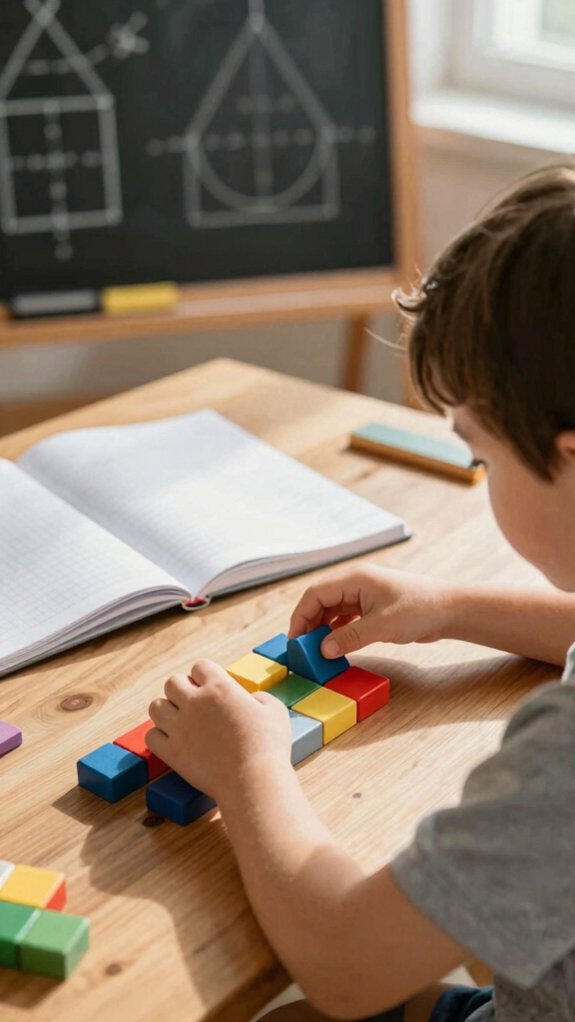
When you use logic, you stop and ask, “Does this really make sense?” That makes critical thinking stronger because you’re not just guessing or agreeing with someone right away.
You look for evidence, compare choices, and judge ideas fairly.
Logic helps you slow down and spot weak claims before they fool you.
It also makes debate prompts and evidence games more useful, because you learn to explain why your answer fits.
As you practice, you build a calm, smart habit.
You stay open-minded, think carefully, and feel proud of your reasoning.
How Kids Use Everyday Reasoning

Everyday reasoning starts early, and you use it all the time without noticing. You read clues from sights, sounds, and feelings, then guess what fits.
That helps in class, games, and chats with friends.
But Context Traps can fool you, because a sentence may sound one way in real life and another in logic. Misleading Analogies can also make you choose the wrong match.
You might repeat a mistake even after seeing the fix.
Ask, “Why?” and “What next?”
Then you start turning quick guesses into smart, evidence-based thinking with your crew.
What Are the 6 Critical Thinking Skills?

As you build stronger thinking skills, six tools can help you sort ideas and solve problems.
First, analysis helps you break a problem into parts and see how they connect.
Interpretation lets you read tone, body language, and hidden meaning.
Inference helps you use clues to guess what may happen next.
Evaluation helps you test facts and spot bias from friends or social media.
Explanation helps you share your reasons convincingly.
Reflection helps you revisit your thinking and change it when needed.
Use them in debate club and storytelling prompts.
How Numeracy Strengthens Critical Thinking
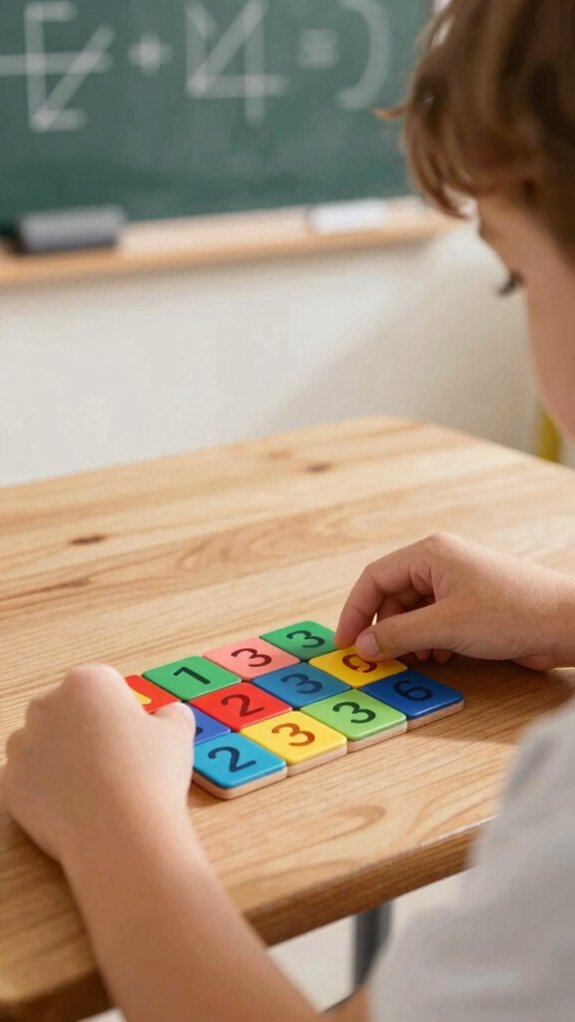
Numeracy strengthens your critical thinking because numbers tell stories you can test.
With data reasoning, you learn to read school texts, talk through facts, and study infographics.
Chart reading helps you notice what colors, icons, shapes, and lines mean.
You also look for missing info before you decide.
That’s smart evidence checks.
When you ask, “What’s the chart telling us?” you explain your answer from evidence, then double-check it.
If one number changes, you can predict what happens next.
Over time, you build confidence, make better choices, and join in with ideas that are clear and well supported.
Fun Ways to Practice Critical Thinking Daily

When you practice critical thinking every day, small moments become great brain workouts.
After a tough moment, ask why three times. You’ll uncover the real reason, not just the first feeling.
Before you choose, ask, “What happens next?” That helps you spot cause and effect.
When ads or posts look tricky, ask who made this and why.
Look for Story clues and check Opinion evidence.
In a debate, say, “I think ___ because ___,” then add proof.
Play quick games like Spot It!, Tangram, SET, or Rush Hour.
You’ll train your mind while you belong in the thinking club.
How Adults Can Build These Skills at Home and School

At home, you can build thinking habits by asking “why” a few times before you act.
In class, you can practice reasoning by sharing ideas, checking evidence, and solving problems together.
You can also talk through everyday choices, so logic becomes a normal part of your day.
Home Thinking Habits
You can build strong thinking habits at home with a few simple routines.
Ask open ended questions after big feelings and ask why three times to find the real cause.
Invite your child to sort and compare ideas, then explain your thinking with “I think ___ because ___.”
Ask for evidence: “My evidence is ___.”
Before choices, ask, “What happens next?”
Use respectful debate by separating opinion, argument, and proof.
At meal time, name the pattern in charts or graphics and check missing details.
These habits help you grow wise together.
Classroom Reasoning Practice
In class and at home, short thinking talks can make your brain stronger. You can practice opinion vs argument by asking, “Is that a feeling or a reason?” Then try evidence linking with “I think ___ because ___.”
| Practice | Result |
|---|---|
| Why three times | You find real causes |
| What happens next? | You predict outcomes |
| Charts and icons | You check missing info |
When you explain your ideas this way, you grow with others. You listen better, speak more clearly, and feel ready to think things through together every day.
Everyday Logic Talk
Everyday logic talk can happen during breakfast, homework, or a simple chat after school.
You can use Picture story questions to ask what happens next and why.
Try “because” games: “I think the trip will work because we packed snacks.”
Then ask for proof.
After a strong feeling, try emotion to reason talk with three “why?” questions.
You can also do assumption check ins: “What did we assume? Is anything missing?”
When you see posts or ads, ask, “Who made this and why?”
These small talks help you think clearly, belong, and grow smarter together.