Write a Letter to Your Future Self Activity for Kids
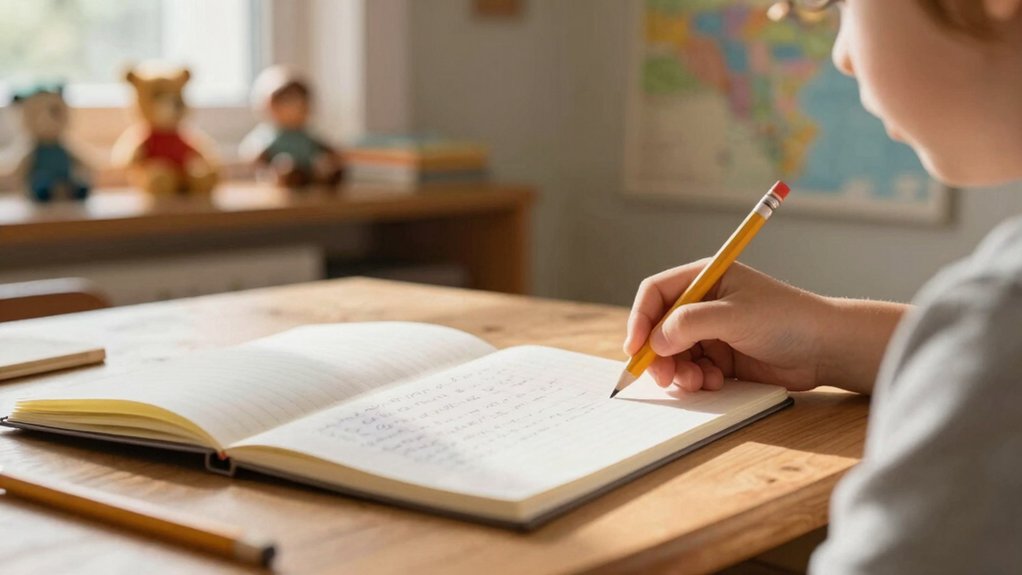
- Write a Letter to Your Future Self Activity for Kids
- Key Takeaways
- Why a Future Self Letter Matters
- What to Include in a Future Self Letter
- Pick a Simple Letter Format
- Write About the Past, Present, and Future
- Add Specific Details Kids Can Relate To
- Adapt the Activity for Younger Kids
- Try Future Self Letter Prompts
- Save and Mail the Letter Later
- Read the Letter and Reflect
A letter to your future self is a fun way to notice your growth and dreams. Start with “Dear Future Me” and add a date. Then write about your past, present, and future in 2 or 3 short paragraphs. Include one goal, one place, and one skill you want to build. Kids can also draw first, then write a sentence or two. Save it for later, and you’ll find even more helpful ideas ahead.
Key Takeaways
- Explain that a future self letter helps kids notice growth, set goals, and practice gratitude.
- Include a clear open date, like the last day of school or a few years ahead.
- Use a simple format: “Dear Future Me,” with Past, Present, and Future sections.
- Invite kids to add one goal, one place, one skill, and a kind reminder to future self.
- Keep it short and kid-friendly with drawing prompts, sentence stems, and a private save-and-mail step.
Why a Future Self Letter Matters
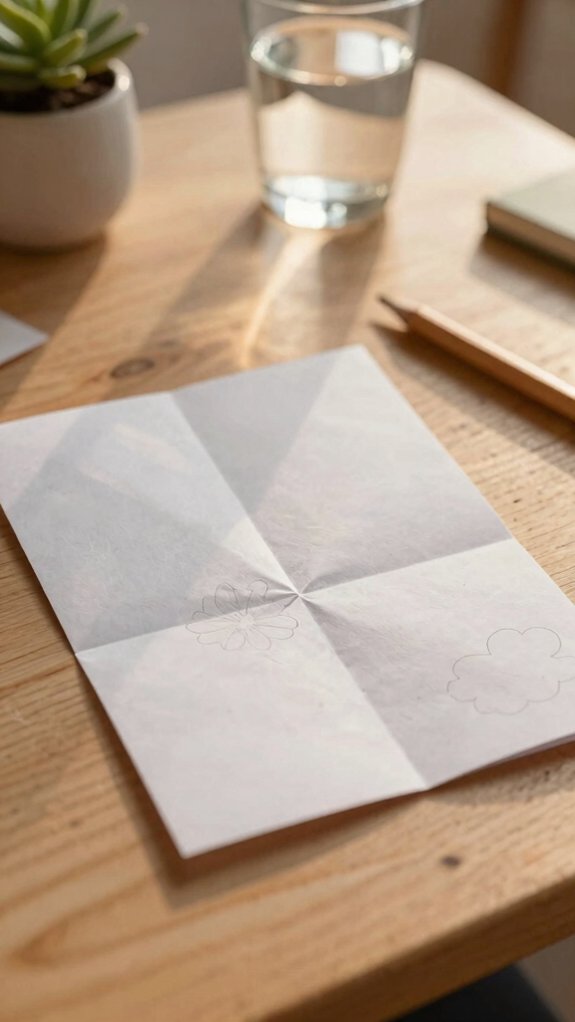
Writing a letter to your future self matters because it helps you notice how much you’re growing right now.
You pause and see your habits, hopes, and worries with fresh eyes.
That can build a growth mindset and remind you that change takes time.
It also gives you a clear reader later, so your words feel real.
You can use goal check ins to track progress and keep moving.
A gratitude practice helps you notice good moments too.
When things feel hard, self compassion thoughts help you stay kind to yourself and keep going.
What to Include in a Future Self Letter
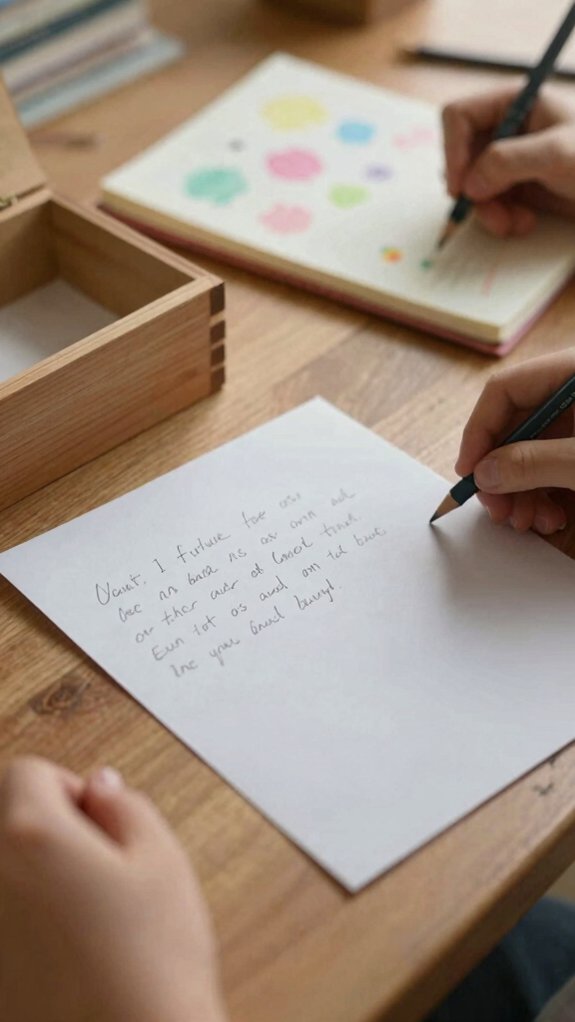
To make your future self letter helpful, start with a clear open date. You can write to the end of the school year or a few years ahead. Focus on who you want to become, what you value, and how you speak. Share where you hope to live, what you want to achieve, and who you want nearby. Add one hobby and the habit changes that helped you grow. Keep a growth mindset as you write.
| Include | Why it helps |
|---|---|
| Open date | Gives your letter a goal |
| Identity | Shows your values |
| Future life | Builds hope |
| Hobby | Shows growth |
| Edit | Makes it clear |
Pick a Simple Letter Format
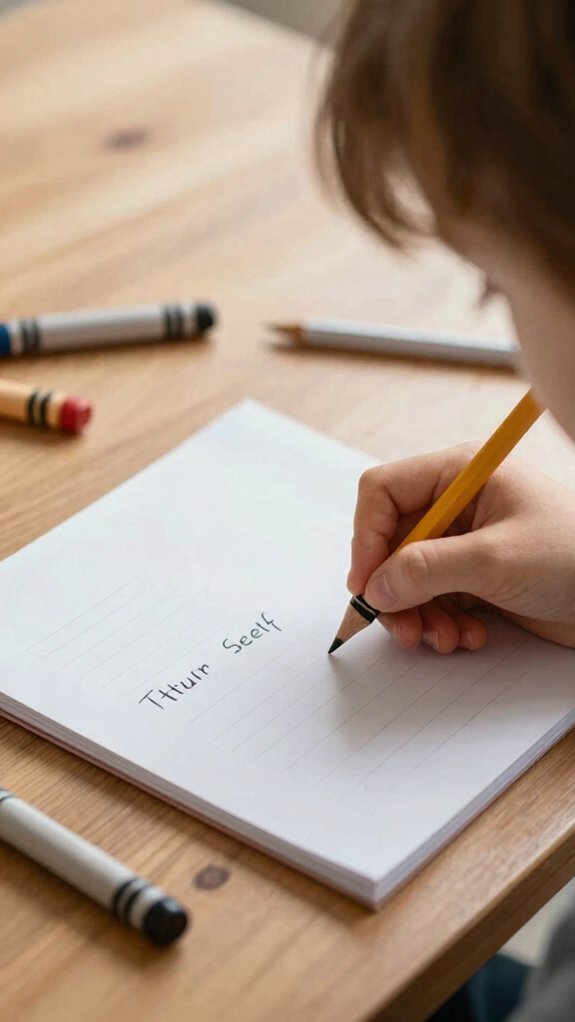
A simple format can make your future letter easy to read and fun to write.
Start with “Dear Future Me,” and the date.
Then write 2–3 short paragraphs with clear labels like Past, Present, and Future.
This setup helps your Gratitude Practice and Goal Planning stay organized.
In the Future part, share one goal, one place, and one skill you hope to learn.
Keep your thoughts simple and true.
End with “I hope you remember…” and a kind reminder.
Finish with “Love, [Your Name].”
Your letter doesn’t need to be perfect; it just needs to feel like you.
Write About the Past, Present, and Future
Start your letter by telling the story of your past, present, and future in that order.
In the past, name a change that tested you, like a move or new hobby, and say how it formed you.
In the present, describe your life like a snapshot and notice what feels steady now.
A Gratitude journal can help you spot those good parts.
- Write what you learned
- Share how you feel today
- Imagine one-year changes and friendship goals
In the future, show where you’ll grow and how you’ll get there.
Then reread for a clear flow.
Add Specific Details Kids Can Relate To
As you picture your future, add details that make it feel real. Name your Dream bedroom, your city, and the people you want near you. Write about daily habits you want to keep, like reading or finishing homework early. Include new friends you hope to meet and what you’d do together. Mention classes, skills, and proud achievements you want to celebrate.
| Detail | Example | Feeling |
|---|---|---|
| Dream bedroom | Blue walls | Calm |
| daily habits | Read 10 minutes | Ready |
| new friends | Play basketball | Included |
| proud achievements | Win art award | Proud |
| memory | School show | Excited |
Adapt the Activity for Younger Kids
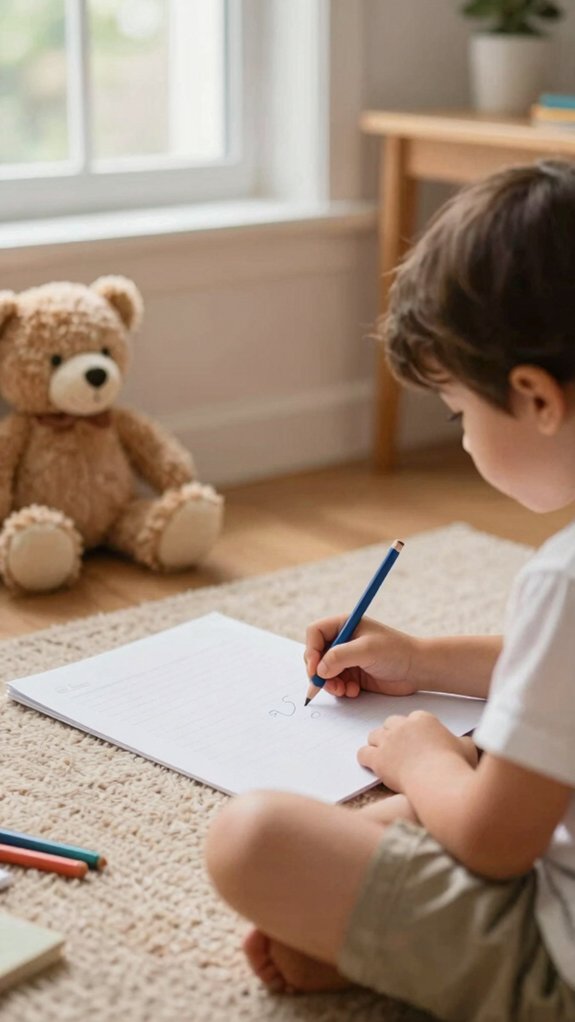
When you’re writing with younger kids, keep the prompt simple and clear. You can ask, “In one year, what’s one thing you’ll be proud of?” Then help them build confidence with Drawing prompts and sentence stems.
Keep it short, friendly, and private so they feel safe and included.
- Draw first, then write one or two sentences.
- Offer choices like “My favorite thing right now is…” or “I will feel happy when…”
- Let them keep the letter for a classroom-safe timeline, like the end of the school year.
That way, you make the activity feel easy, welcoming, and fun.
Try Future Self Letter Prompts
Try a few future-self prompts and choose the one that feels most exciting to you.
You might write about one goal, one challenge, or how proud you want to feel later.
Think about your fun today, then imagine what you’ll value in one year.
Add identity reflections too.
Maybe you’re a friend, sibling, creative, athlete, or leader.
Let your goals dreams show what you hope to build.
If you pick a struggle prompt, name one hard thing and picture how you’ll grow past it.
Write like you’re cheering for yourself, because you belong in your own story.
Save and Mail the Letter Later
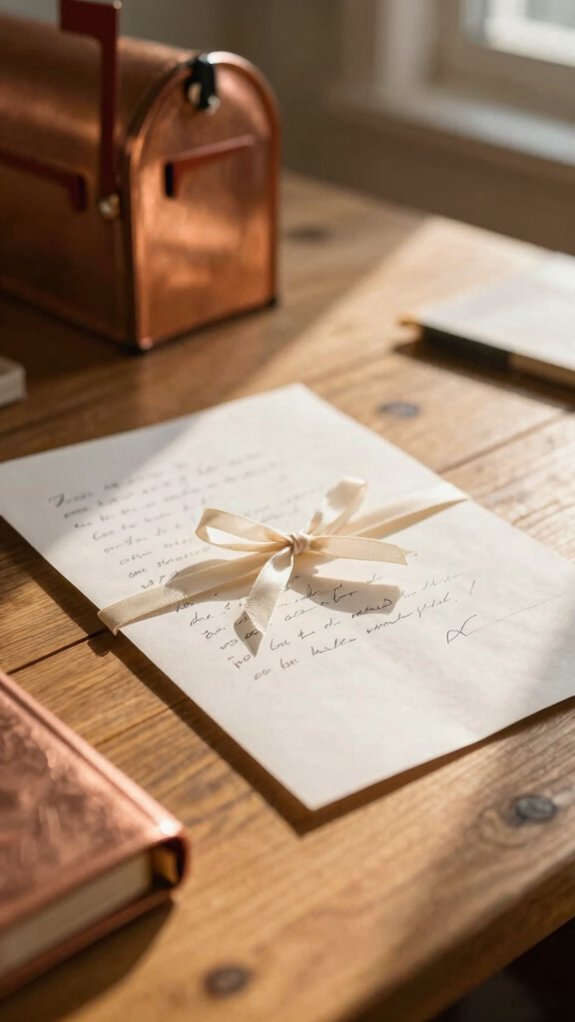
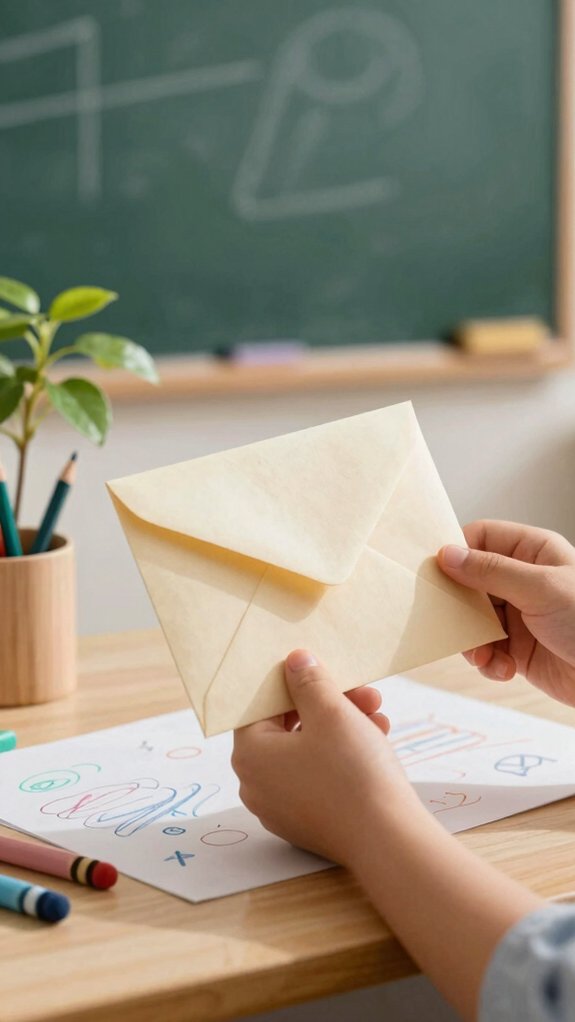
Seal your future-self letter in a stamped envelope and set it aside for later. Choose an exact date to open it, like the last day of school. That way, you’ll know when your message will come back to you.
- Ask a teacher to hold it safely until then.
- If you might move, add a forwarding plan so it still reaches you.
- Slip in a note that says who it’s from and invites a reply.
This simple step can feel special. It helps with goal planning and can spark new friendships when you share your hopes.
Read the Letter and Reflect
After you’ve written your future self letter, read it slowly and really think about it.
Ask yourself if your life feels on track with the future you pictured.
Track habits, compare goals, and look for small gaps between now and then.
Notice strengths, plan fixes by naming what helps you and what gets in the way.
Then write a few first steps you can take today.
You might practice a skill, ask for help, or change a routine.
Put the letter away for a little while.
Read it again later and check if your direction still feels right.