How to Learn Any Subject Faster Even If You Struggle

- How to Learn Any Subject Faster Even If You Struggle
- Key Takeaways
- Start With Why You’re Studying
- Ask Three Questions Before You Begin
- Follow the Study Cycle
- Teach It in Your Own Words
- Read Less, Recall More
- Active Recall Wins
- Teach It Out Loud
- Space Your Retrieval
- Space Out Short Study Sessions
- Make Study Sessions Short and Intense
- Short Study Bursts
- Focus Without Wasting Time
- Test Yourself Before You Feel Ready
- Cut Distractions Before You Start
- Study in the Best Place for the Task
- Take Handwritten Notes, Then Sleep On It
You can learn any subject faster when you start with why it matters to you. Ask what you need it for today, then preview, recall, and test yourself instead of rereading. Break lessons into short bursts, close your notes, and teach the idea in your own words. Cut distractions, study in a steady spot, and use handwritten notes. Sleep after class helps lock it in, and the next step gets even clearer.
Key Takeaways
- Clarify why you’re learning it, how you’ll use it soon, and when you’ll test yourself.
- Preview, attend, review immediately, then self-test to turn exposure into real learning.
- Replace rereading with active recall, error correction, and teach-back in your own words.
- Space short study sessions over days and weeks, instead of cramming everything at once.
- Remove distractions, study in a consistent spot, and sleep after learning to strengthen memory.
Start With Why You’re Studying

Before you explore into, ask, “Why exactly am I learning this?” That one question helps your brain notice what matters and ignore extra details. This personal motivation framing gives you a clear reason to care.
Then try immediate use planning by asking, “How will I use this in the next 24 hours?” That makes the lesson feel real and helps you focus.
If the topic feels hard, don’t say you’re bad at it. You’re probably facing new ideas without enough context. Link the idea to a story or example you know, and your memory will hold it better.
Ask Three Questions Before You Begin

Try this quick starter: ask three questions before you study. First, ask why exactly you’re learning this. That gives you goal clarity and helps your brain spot what matters.
Second, ask how you’ll use it in the next 24 hours. That keeps your time use smart and makes the idea feel useful now.
Third, ask when you’ll practice recalling. That builds retrieval scheduling and sets up active practice. If you can’t answer one of these, pause.
Your plan isn’t ready yet. Fix it before you begin. These questions act like an accelerator, helping you study with purpose and confidence together.
Follow the Study Cycle

When you want to learn faster, follow the study cycle from start to finish. First, preview the topic so class feels familiar. Then attend class and listen with care.
After class, review right away, then study again in a second pass. Use both reading and listening so ideas stick better.
Make weekly goals and daily time blocks so each step has a place. Keep Motivation rituals ready to help you begin.
At the end of each block, check understanding with self-tests. Ask what you’d hate to miss on the exam. That builds study accountability, and it shows gaps early.
Teach It in Your Own Words

Explain it like you’re teaching a friend, and your brain will work harder.
When you study, say the idea in your own words out loud or in writing.
Teach back boundaries help you see what you truly know.
If you get stuck, break the topic into small chunks and explain examples one by one.
Use a study buddy, or pretend someone is listening, so you can clarify misconceptions fast.
- Turn your note into a mini lesson.
- Add self check questions and answer them.
- Compare your answer with the source.
- Fix what you missed and teach again.
Read Less, Recall More

You learn more when you stop rereading and force your brain to remember first.
Close the page, say or write what you know out loud, and use small questions to guide what you read next.
Then come back later and test yourself again so the facts stick for good.
Active Recall Wins
Instead of re-reading the same page again and again, try active recall. Close your notes and write what you remember from memory cueing techniques. Then check the source and make quick error correction loops. You’ll spot gaps fast and feel part of the learners who actually improve.
- Study one or two small chunks at a time.
- Test yourself right away after each chunk.
- Use spaced repetition at the start of the next session.
- Repeat later with Anki-style timing to beat forgetting.
Self-quizzing isn’t extra work. It’s learning that sticks, and it helps you see exactly what to fix.
Teach It Out Loud
Once you’ve tested yourself, try teaching the idea out loud in your own words. This is the Teach back method, and it works because you must pull ideas from memory. Explain it to a friend, or use peer explaining, even if they know less than you. Teach it down a level so your steps stay clear.
| Step | What you do | Why it helps |
|---|---|---|
| 1 | Close the page | You recall more |
| 2 | Say the key points | You spot gaps |
| 3 | Check and fix | You learn faster |
Make a short guide from your words. Then quiz yourself on what a student might miss.
Space Your Retrieval
Often, the best way to remember something is to leave it alone for a while. You learn more when you space your retrieval and test yourself later.
This keeps you in the desirable timing, avoid cramming zone. Try day 1, then tomorrow, then a month, then six months.
Close the book, write what you recall, and check your notes. That active recall builds stronger paths than rereading.
- Use memory cues, retrieval practice.
- Keep sessions short and spread out.
- Let Anki handle the timing.
- Return just before forgetting starts.
Space Out Short Study Sessions

To learn faster, spread your study time across short sessions instead of one long cram. You’ll remember more when you return to the same idea again and again. Start with study goals setting and tracking progress weekly so your plan feels clear. | Session | What you do | How it helps |
| — | — | — |
|---|---|---|
| Day 1 | Learn new ideas | Strong start |
| Day 2 | Review again | Better recall |
| Week 1 | Practice more | Less forgetting |
| Month 1 | Retest yourself | Deeper memory |
| Month 6 | Review once more | It sticks |
Take 30 to 50 minutes, then rest. Breaks and sleep help your brain work quietly.
Make Study Sessions Short and Intense

You learn faster when you study in short, strong bursts of 30 to 50 minutes.
After that, take a 5 to 10 minute break so your mind can reset and stay sharp.
If starting feels hard, use the 5-minute rule, then keep going once you’re in motion.
Short Study Bursts
Short study bursts can make hard topics feel much easier. You don’t need marathon sessions to belong with the fast learners. Try 30 to 50 minutes of intense focus, then rest 5 to 10 minutes.
Longer can leave you with a burning head.
- Use Pomodoro challenges to stay motivated.
- Build study stamina building by repeating bursts across days.
- Close your notes and self-test inside each burst.
- Plan the next burst now, with one weak topic.
These short rounds keep your mind fresh and help learning stick better.
Focus Without Wasting Time
If short study bursts help you keep going, focus is what makes them really work. You can study hard for 30 to 50 minutes, then take a 5 to 10 minute break.
Before you begin, ask why you’re learning this, how you’ll use it in 24 hours, and when you’ll practice recall. That keeps you from wasting time.
Turn off your phone and move other devices away. For hard topics, use the five-minute rule to beat the start-up block.
These steps help with Overcoming procrastination and building study routines, so you feel part of a focused study crew.
Test Yourself Before You Feel Ready
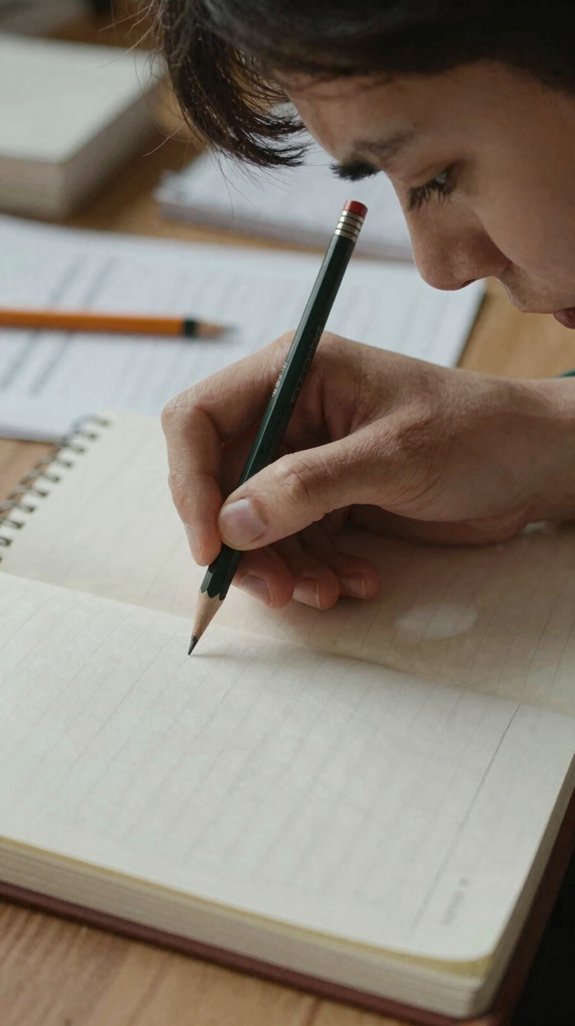
Often, the fastest way to learn is to test yourself right away.
Close your notes and use retrieval practice to answer from memory.
That struggle is good; it gives you desirable difficulty.
Early self-tests stop false confidence from tricking you.
Try SQR3: Question, Read, Recite, Review.
Then test again with spaced testing: day 1, next day, one month, six months.
Keep each quiz hard but possible.
If you blank out, shrink the chunk and try again.
You’re building real skill, and you belong in that progress.
Cut Distractions Before You Start

Before you begin, clear your space so your brain can stay on task. Put your phone out of reach, and turn it off if you can. Move TVs and tablets far away so they don’t pull your eyes. A quick Metacognitive Check helps you spot Distraction Triggers before they win. Build a steady Study Environment with simple tools that support focus.
| Action | Why it helps |
|---|---|
| Hide your phone | Cuts multitasking |
| Block sites | Guards your focus |
| Take timed breaks | Keeps you in control |
| Pick a good spot | Supports attention |
You’ll learn faster when your space works with you.
Study in the Best Place for the Task

Now that your space is clear, think about where you should study too. Pick a spot that matches the real place you’ll use the skill. That helps environment based recall and makes learning stick.
Choose your best focus time, like morning or evening, and protect it.
- Keep your phone away for phone free focus.
- Use active distraction control with blockers if you need them.
- Try study spot switching when one place feels stale.
- Start with the five minute rule in that same spot.
Skip the bed. It can pull you toward rest, not learning.
Take Handwritten Notes, Then Sleep On It
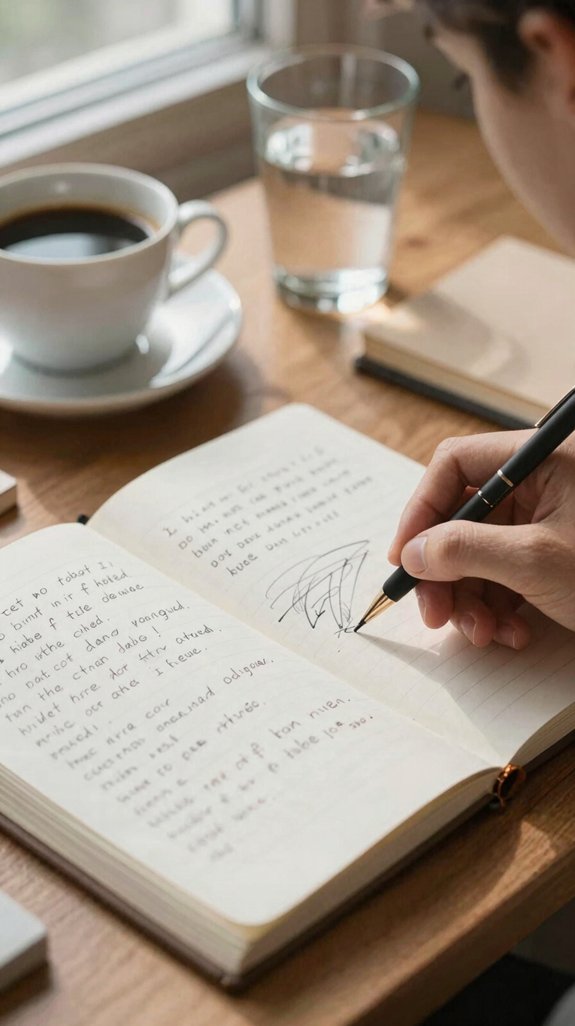
When you take notes by hand, your brain has to slow down and choose what matters most. That helps you listen better and spot big ideas, not every tiny word.
After class, sleep on it. Your brain keeps working while you rest, and memory gets stronger.
The next day, do note review from memory. This is active recall, not copying.
Add practice testing to check what sticks.
If you can, ask for Peer feedback on what you missed.
Handwritten notes plus sleep can help you learn faster and feel like you belong in the lesson.