Toddler Learning Activities That Build Confidence Through Everyday Play
- Toddler Learning Activities That Build Confidence Through Everyday Play
- Key Takeaways
- Understanding How Toddlers Learn Best
- Language Activities for Everyday Conversations
- Simple Sensory Play Ideas
- Early Problem-Solving Activities
- Music and Movement Games
- Building Fine Motor Skills Through Play
- Outdoor Learning Adventures
- Encouraging Independence During Play
- Learning Through Daily Routines
- Creating a Screen-Light Learning Environment
You build confidence when you let your toddler touch, move, and try everyday tasks. Offer brief jobs like carrying napkins, stacking blocks, or putting toys in a basket. Describe what they do, then pause for their sounds or words. Try scooping rice, hiding toys under towels, dancing to music, or crossing a safe blanket line. Praise persistence, not perfection, and stop when attention fades. Keep going to find more simple ways to learn together today.
Key Takeaways
- Offer short, hands-on jobs like carrying napkins or putting blocks in a basket to build independence and family belonging.
- Narrate play actions, pause for responses, and offer simple choices to strengthen language and confidence in communication.
- Use sensory bins, fabric textures, and water play to explore touch words like “smooth,” “rough,” “scoop,” and “pour.”
- Practice problem-solving with in-and-out games, hidden toys, and safe obstacle paths while praising persistence through frustration.
- Add music, dancing, tapping, and simple fine-motor tasks to build listening, self-control, coordination, and confidence.
Understanding How Toddlers Learn Best
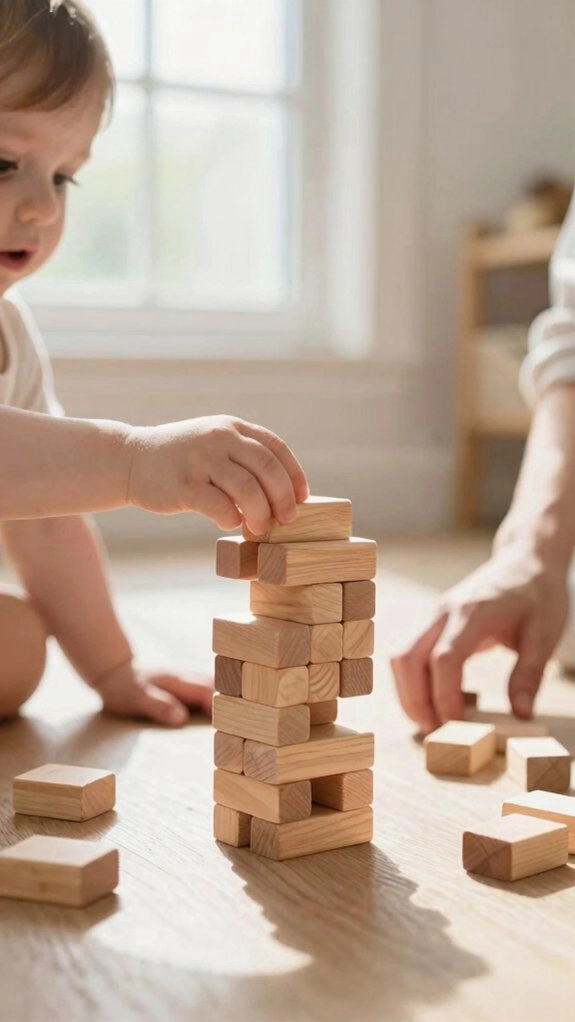
Toddlers learn best when they can touch, move, test, and try things themselves.
You build confidence by inviting Active exploration during simple play. Let your child put blocks in a basket, carry napkins, or uncover which toy fits where.
These jobs help them feel like a valued part of your family.
Offer warm consistent support as they practice, even when attempts are messy. Keep each activity brief and manageable, often about two minutes for a two-year-old.
Give a choice within boundaries: “Would you like cups or blocks?” Clear limits keep play safe while choices help your toddler join in.
Language Activities for Everyday Conversations
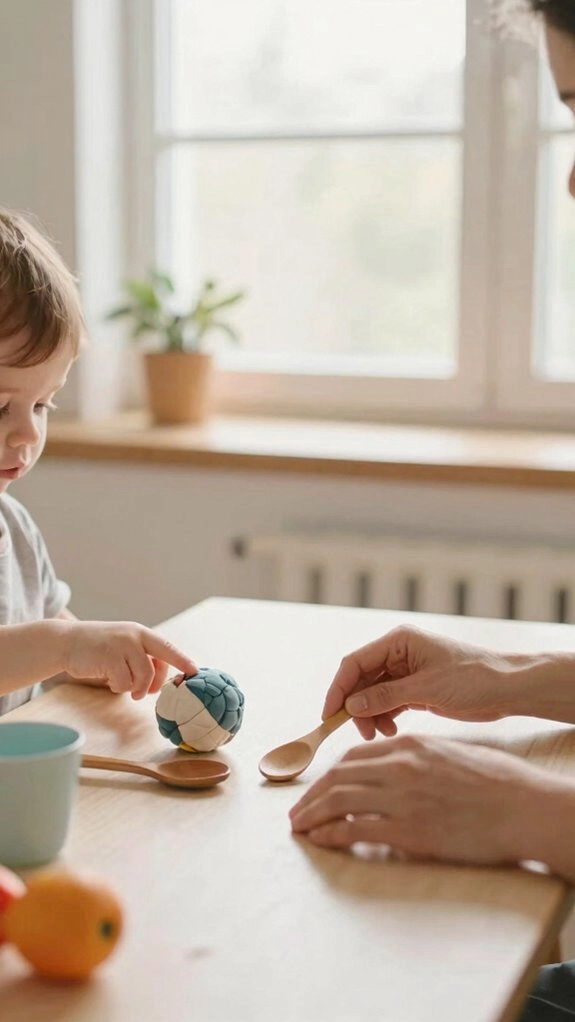
Everyday moments give you great chances to build your toddler’s conversation skills.
During play, comment on what they do: “You’re stacking!” Then pause for their sound or word before adding more.
These Turn taking cues show your child that their voice belongs.
At snack or bath, pair words like “in,” “wash,” and “all done” with actions.
Try choice based prompts: “Blue cup or red cup?”
When they point, gently model “juice, please” and welcome close attempts.
Practice tiny role-plays for greetings, sharing, and joining games.
Switch roles so you both ask and respond.
Your daily chats help them connect.
Simple Sensory Play Ideas
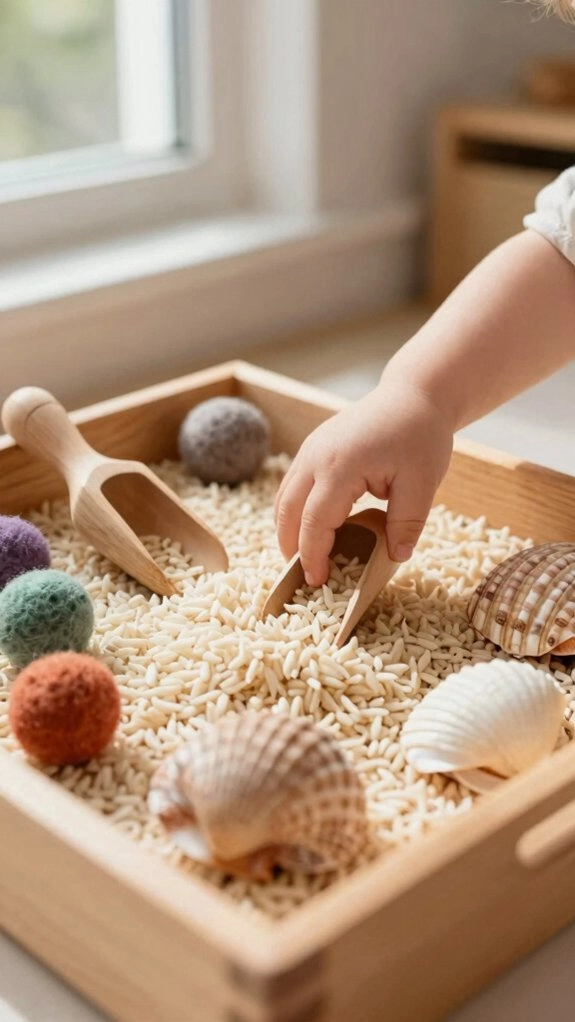
With simple sensory play, you can turn touch and movement into small learning adventures. Set out a bin of dried rice, sand, or water beads with spoons and scoopers.
Narrate: “Scoop, pour, pat.” Your child hears Sensory vocabulary while joining you in play.
Offer fabric swatches, such as smooth silk and rough denim, and name each feeling.
Include calming textures, like a dry sponge or cloth. Let your toddler choose between two materials, so they feel included and capable.
A water bottle invites shaking and watching.
Try play dough or finger paint.
Stop when attention fades, then return later.
Early Problem-Solving Activities
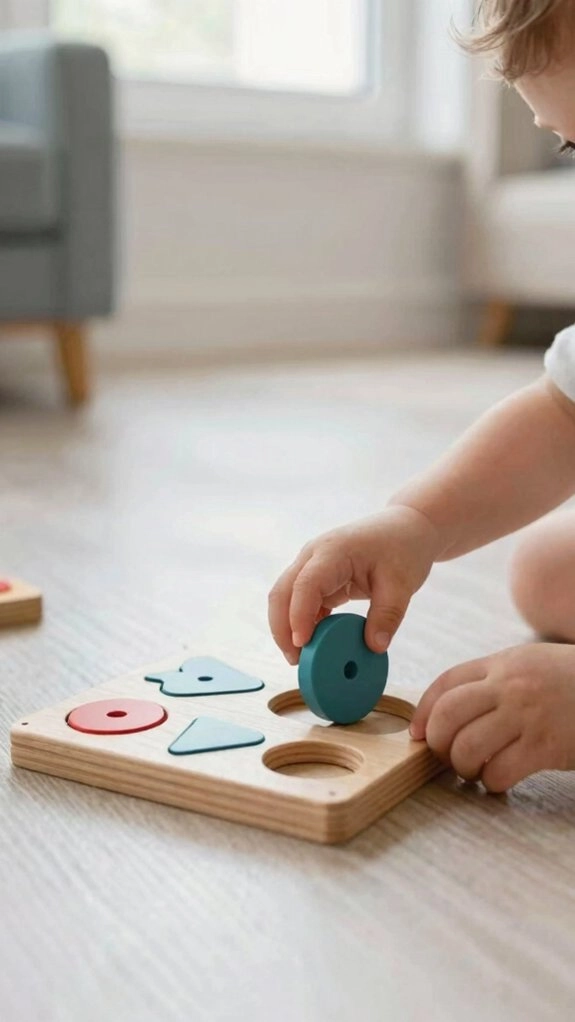
Little challenges help your toddler uncover that actions can solve problems. Set out a box or bucket for in-and-out play. Model “in” and “out” as they open it, choose toys, and drop them back.
Try a flashlight or tap, saying “on” and “off.” Pause so they can predict what happens next.
Build a safe blanket bridge or line to cross. Let them use trial and error before you help.
During Emotion coaching, name frustration and celebrate persistence.
Hide a toy under a towel, or wash snack dishes with a sponge. Your support helps them feel capable, included, and ready.
Music and Movement Games
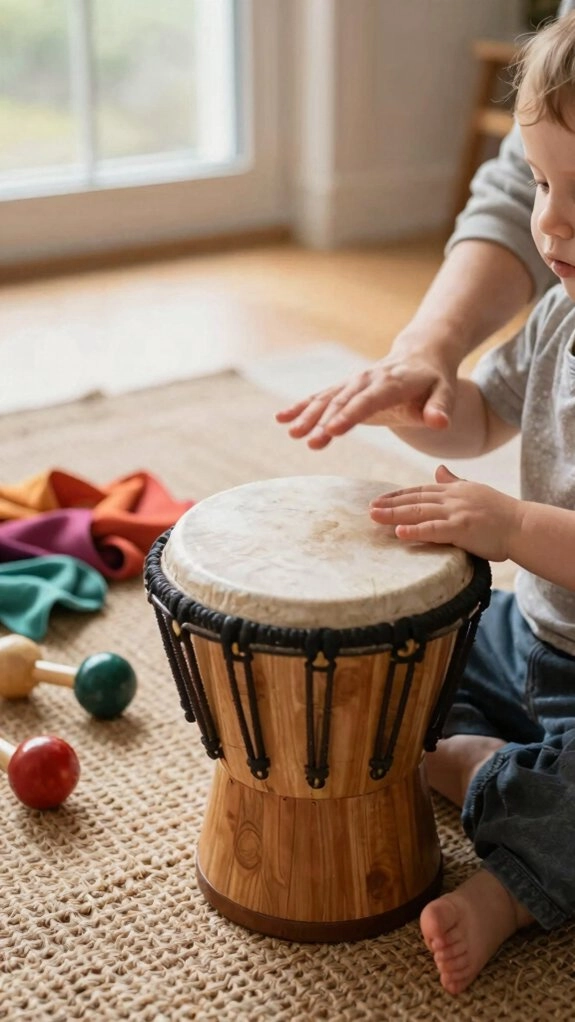
When music starts, your toddler can learn through joyful movement and shared rhythm. Try Tap Along, using hands or feet during a short song. You build listening attention and turn-taking while joining in together.
Play Freeze Dance with brief clips. Your child dances, stops, and practices self-control when pauses arrive.
Musical spots teach waiting, cues, and another turn for everyone. Add songs that invite clapping once or stomping twice, so directions feel achievable.
Finish with slow swaying, stretches, and flower-and-candle breaths. This cool-down supports Sensory regulation and safe listening while helping your toddler feel calm, capable, and included today.
Building Fine Motor Skills Through Play
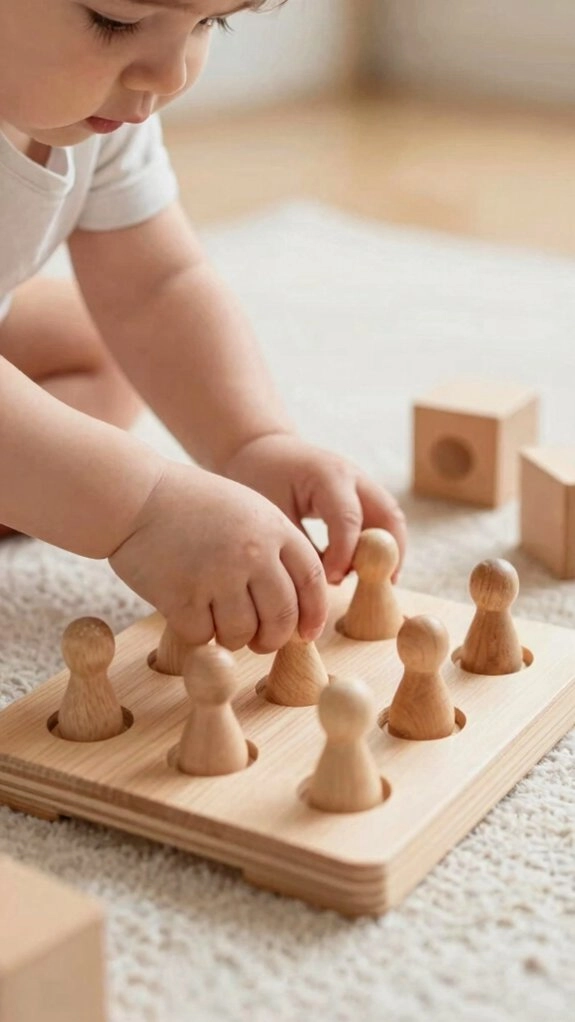
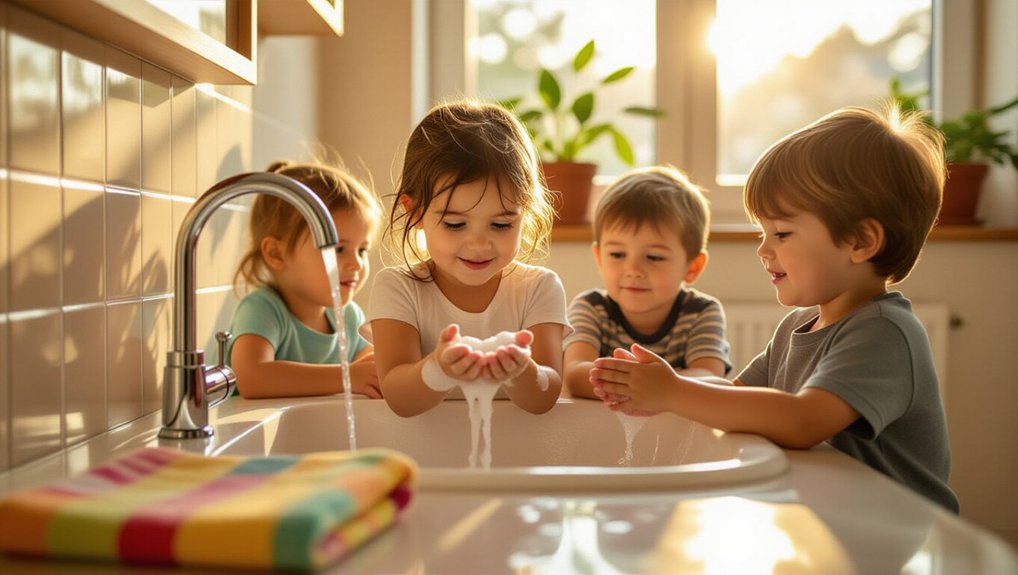
Building strong hands can feel like play, especially during everyday helping jobs. You and your toddler belong on the same team: offer a small sponge and shallow soapy water for Sensory cleaning. Wiping plates builds grasp, pressure, and release.
| Try | It builds |
|---|---|
| Open containers | Finger control |
| Squeeze bath toys | Hand strength |
| Clip pegs on board | Grasp and release |
Choose one short activity daily. One minute per year of age gives your child repeat successes. Putting objects in and out also sharpens hand-eye coordination. Midline crossing helps both brain sides work together, supporting future self-feeding and writing with you nearby.
Outdoor Learning Adventures
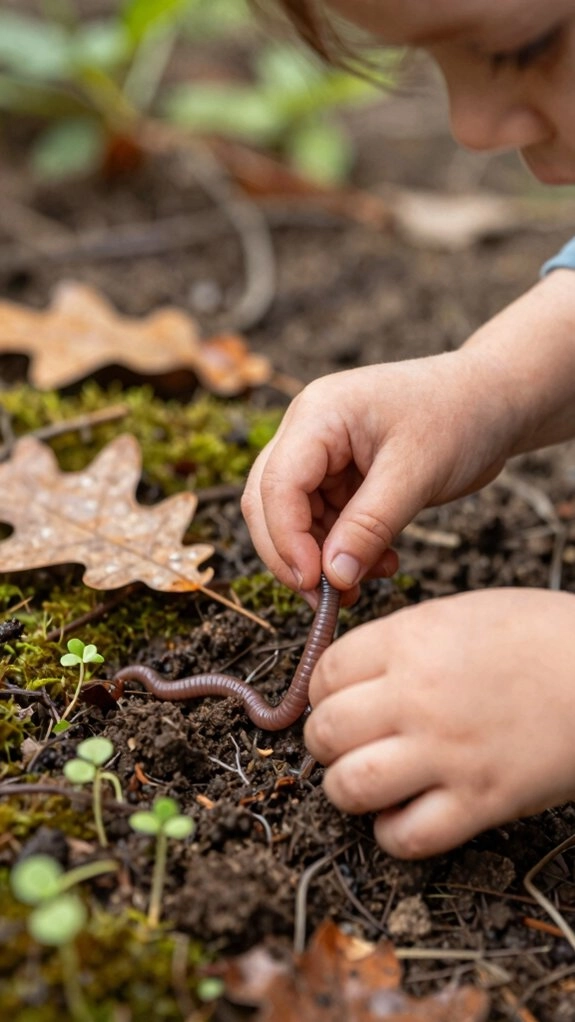
After indoor hand-strength play, outdoor adventures give your toddler new ways to learn. You can make your neighborhood feel like a welcoming classroom with safe exploration and shared findings.
- Take short walks and name birds, leaves, and cars. Ask what your toddler hears.
- Set up sensory stations with water or a dirt dig zone. Let them repeat new textures comfortably.
- Try a nature scavenger: three red things, two flying things, or one soft leaf.
Add an obstacle path for brave choices. Let your toddler water plants or gather toys. Each helpful win shows they belong on your family team.
Encouraging Independence During Play
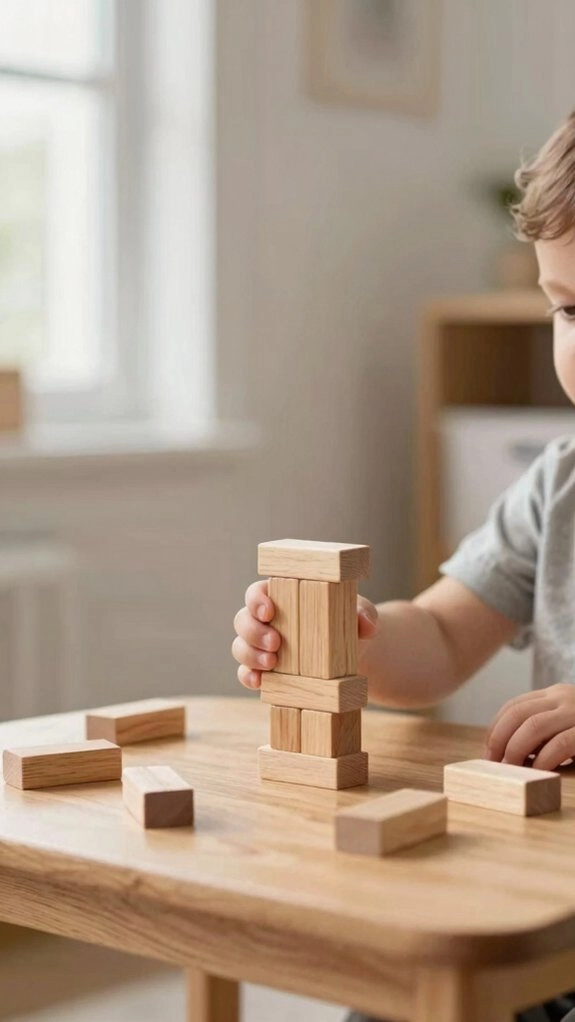
Playtime can help your toddler feel capable while you stay nearby for safety. Offer real jobs such as choosing one toy to put away or checking materials.
These small roles show they belong in the group. Give two options, blocks or puzzles, and keep limits clear.
Choice with boundaries lets them decide without feeling lost. Create helping routines with a safe wash station and repeat simple steps.
Ask them to try for about one minute per year of age. When mistakes happen, say, “You kept trying. What else could you try?”
Their effort builds confidence, connection, and pride.
Learning Through Daily Routines
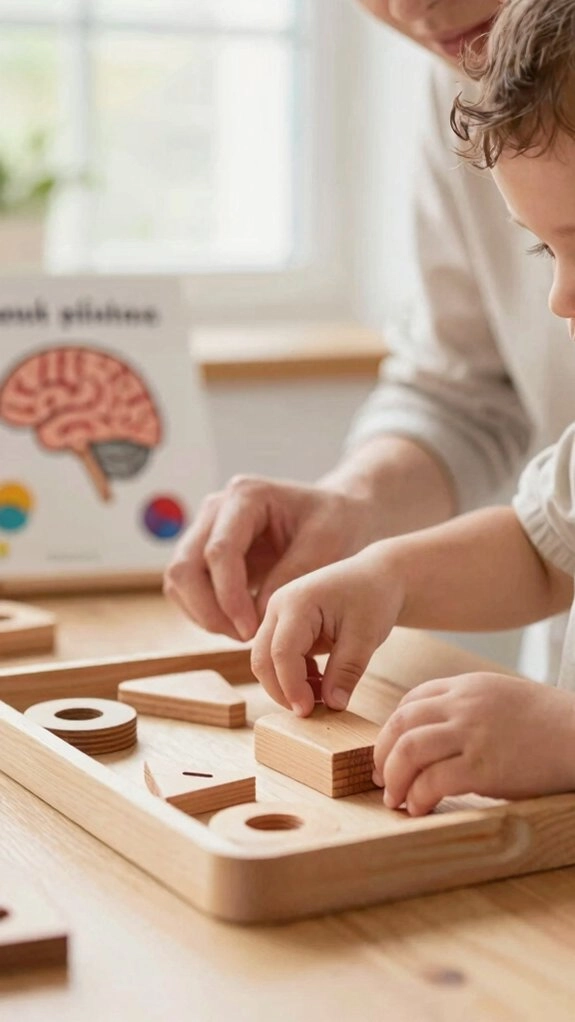
Everyday routines give your toddler real chances to practice independence, skills, and confidence. When you invite them into family tasks, they feel like an important part of the team. Watch behavior cues, then keep each job short and safe.
- Offer a small cloth for table wiping or ask them to sort socks.
- Build routine consistency with the same steps and words each day. Give two choices: cups or spoons first?
- Let them grip, pour, open, and place items. Say, “You kept trying when it felt tricky. Let’s do the next step.”
These moments build persistence for self-care.
Creating a Screen-Light Learning Environment
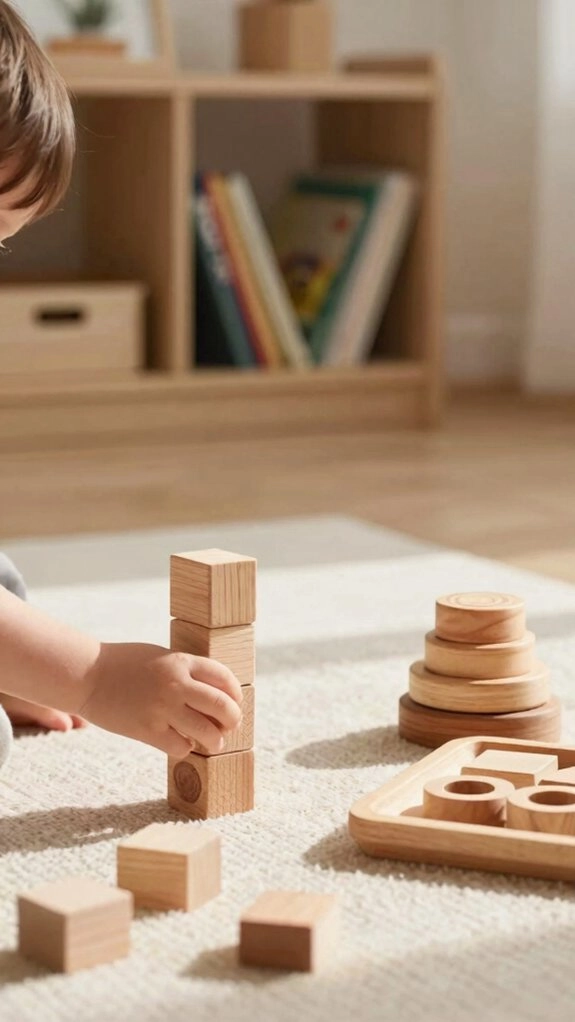
When screens stay off and out of reach, your toddler can focus on the world around them.
Create a safe yes space with blocks, pretend play, helping jobs, and sensory choices like a simple bin.
Keep play short and repeatable: about one minute for each year of age.
A two-year-old may enjoy two minutes.
Use the same start and stop routine each day.
Your toddler will look to familiar spaces and caregiver cues for comfort.
Notice their effort during meaningful work.
Say, “You kept trying when it felt tricky.”
You’re building confidence together through real, hands-on exploration, not screens.