How Curiosity Shapes Brain Development in Early Childhood
- How Curiosity Shapes Brain Development in Early Childhood
- Key Takeaways
- Why Curiosity Is Essential for Learning
- The Brain's Reward System
- Curiosity and Long-Term Memory
- Asking Questions Builds Stronger Thinkers
- The Role of Exploration in Child Development
- How Parents Can Encourage Curiosity
- Classroom Strategies That Inspire Discovery
- Everyday Moments That Spark Scientific Thinking
Curiosity shapes your brain by turning questions into influential learning moments. When you wonder why or how, your reward system helps you focus. Dopamine signals tell your brain that the answer matters. Your hippocampus then stores new details, especially when you investigate, test, and try again. Each discovery builds connections that support memory, self-control, and problem-solving. Sharing questions with adults and classmates also grows confidence. Keep wondering, and you’ll discover how to make learning exciting.
Key Takeaways
- Curiosity activates reward pathways, increasing attention and motivation to explore unfamiliar information.
- Child-led questions help the brain connect new experiences with existing knowledge and personal meaning.
- Focused curiosity supports hippocampal memory formation, making discoveries easier to retain over time.
- Exploration through play, testing, and safe mistakes strengthens problem-solving, working memory, and self-control.
- Supportive adults can nurture brain development by welcoming questions, uncertainty, and shared investigation.
Why Curiosity Is Essential for Learning
Why does curiosity make learning stick so well? When you notice something you don’t know, your mind gets ready to uncover.
You focus more closely when the answer arrives. Motivation boosts learning because your own questions give new facts a purpose.
Active attention benefits memory, helping you hold onto findings instead of merely hearing them.
When you ask questions, you lead the learning voyage. You aren’t alone: sharing wonder with classmates and adults helps everyone feel included.
In your early years, your brain builds connections at a pace. Each question can strengthen those growing pathways and make learning feel welcoming.
The Brain’s Reward System
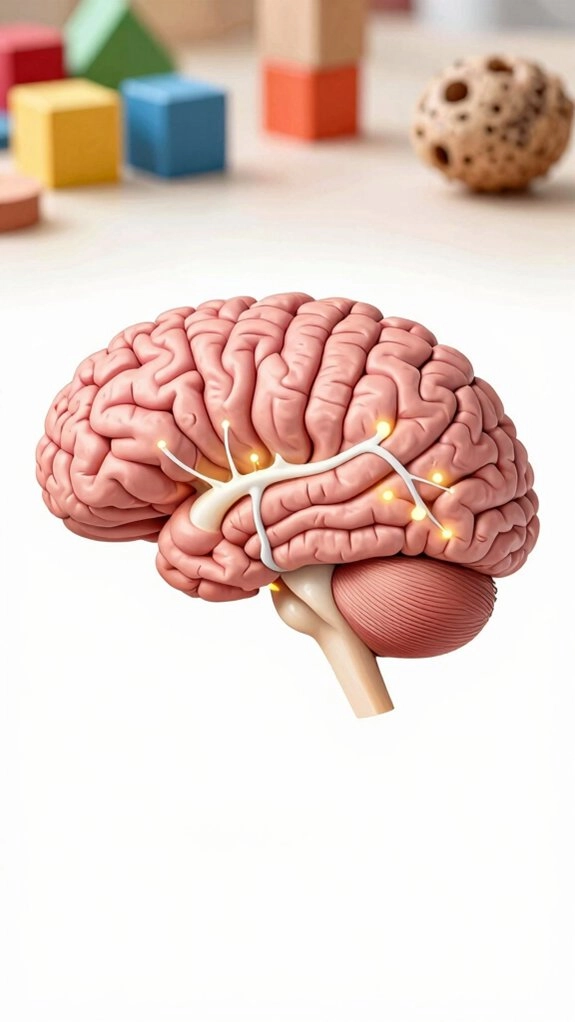
Imagine spotting a mystery and wanting to solve it right away. Your brain treats that feeling like an invitation to join in.
When something surprises you or leaves a gap, your reward system wakes up.
Dopamine pathways, including areas such as the ventral striatum, help focus your attention.
They build learning motivation by making exploration feel worthwhile.
Child-chosen questions can spark signals beyond following directions.
During early developmental timing, your brain builds connections fast.
Reward sensitivity helps guide which experiences matter most.
Curiosity and Long-Term Memory
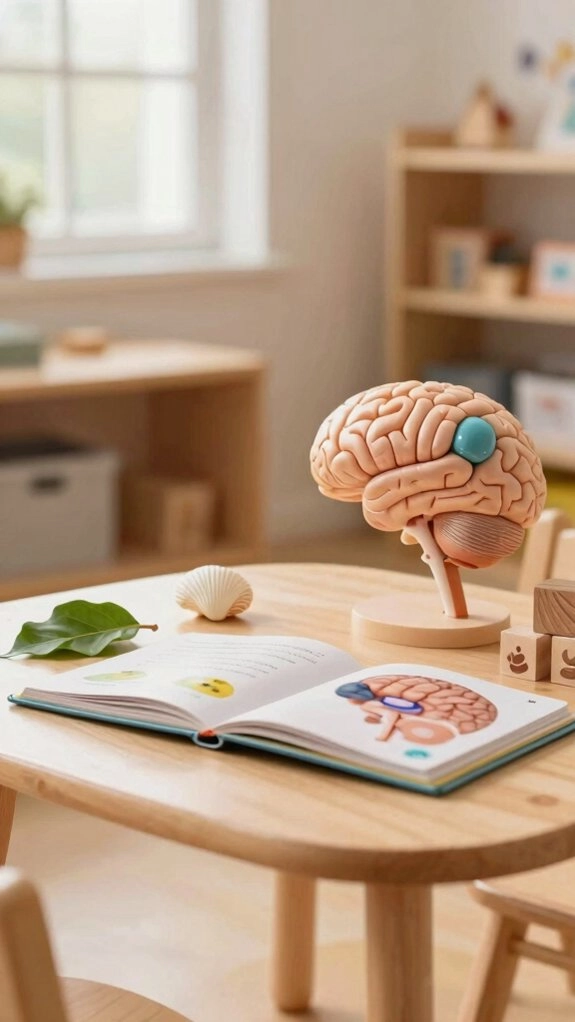
When a question grabs you, your brain gets ready to save the answer.
Curiosity signals that something new matters.
Your hippocampus helps store the details, while attention regulation helps you stay with the finding.
A reward signal can mark the information as worth remembering.
When you survey an interesting surprise, your brain is more prepared to connect it to what you already know.
Play based memory can make this feel natural and shared.
As you grow, your brain’s connection systems strengthen.
That can help curiosity turn new findings into memories you can revisit and share with your community later.
Asking Questions Builds Stronger Thinkers
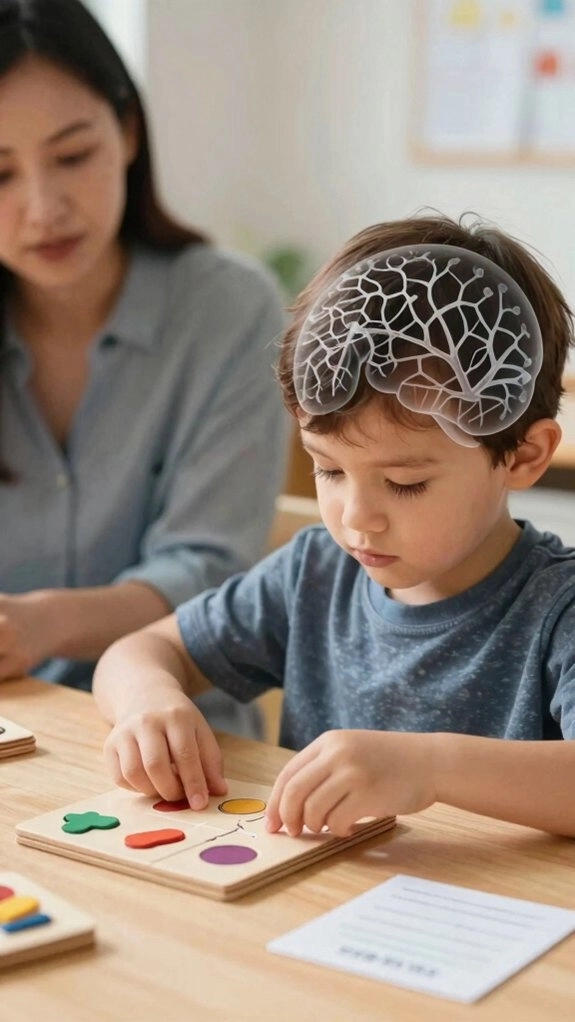
Memories grow stronger, and questions help your brain build the next step.
When you ask “Why?” or “How?” you show what you don’t know yet.
That honest moment helps you search for answers and learn more deeply.
In science lessons your questions can make new ideas more exciting and help you remember them.
Adults can use Socratic prompting like “I wonder…” or “What if?” to invite your thinking.
You’re part of a community where curiosity belongs.
With caring support and playful experiments you can share ideas test reasoning and grow into a confident thinker every day with friends too.
The Role of Exploration in Child Development
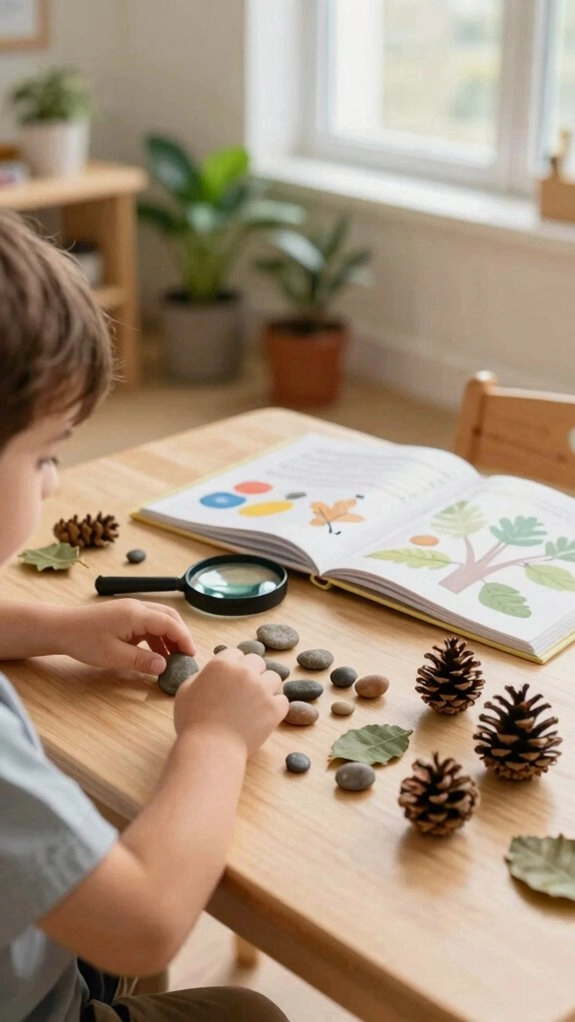
Through exploration, you find out how your world works by touching, testing, and noticing. Your brain grows quickly in early childhood, forming about one million connections each second. You learn best when new discoveries hold your attention.
- Nature play lets you inspect leaves, mud, and insects with your community.
- Sensory learning helps you pour, build, and feel changes as you work.
- Safe mistakes invite you to try, observe, and retry without fear.
- Self directed discovery strengthens memory, impulse control, and working memory.
Each experiment shows that you belong in the learning process. You build answers through action every single day.
How Parents Can Encourage Curiosity
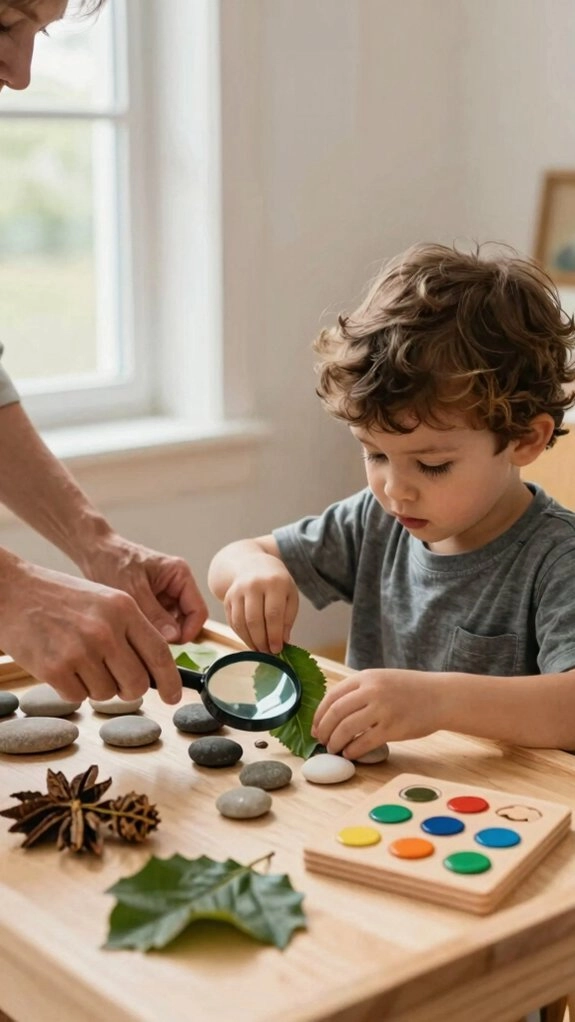
Parents can help curiosity grow by showing that find questions are always welcome.
During play, ask what your child wonders and listen closely.
Say, “I wonder…” when you don’t know something.
This shows that everyone belongs in learning, even when answers aren’t clear.
Use Curiosity prompts during cooking, shopping, or gardening: “Why did that happen?”
Keep blocks and simple tools within reach.
Step back so your child can try, observe, and try again.
This mistake learning, builds confidence.
Ask “What if…?” rather than solving everything right away.
Your warm attention helps quiet children feel safe sharing ideas and discoveries.
Classroom Strategies That Inspire Discovery
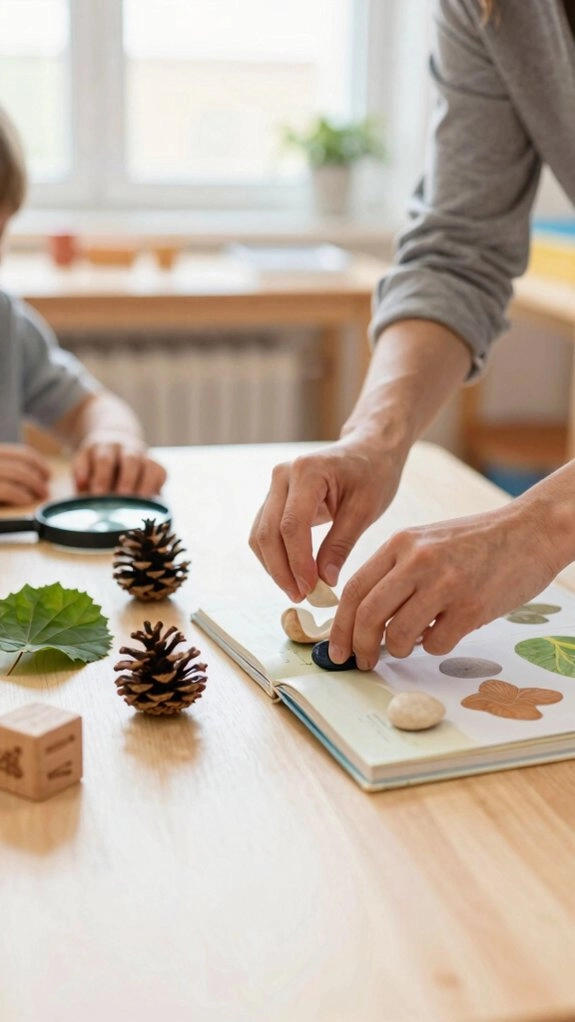
A classroom can become a finding lab when questions are welcome every day.
You belong here, and your ideas matter.
- Set aside question time. Ask all you want, then revisit your questions during science.
- Use open ended prompts and science talk moves: “Why do you think that happened?” Let your explanation lead.
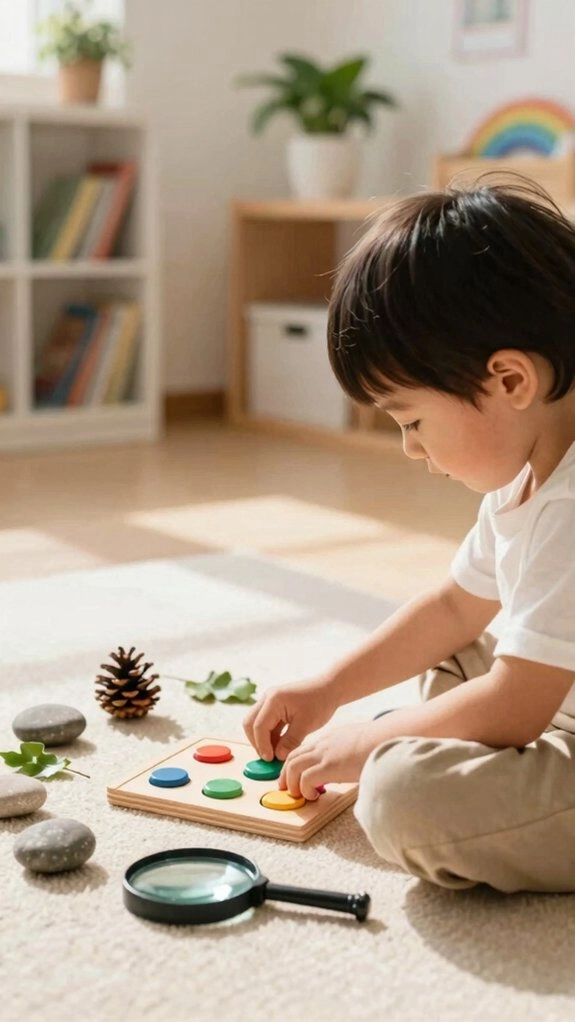
- Build curiosity corners with blocks, leaves, art tools, and sorting trays. Choose what interests you.
- Invite playful inquiry. Try, notice spills or mismatches, and try again. You won’t be rushed to get the “right” answer. Each attempt helps your brain remember, focus, and learn with growing confidence.
Everyday Moments That Spark Scientific Thinking
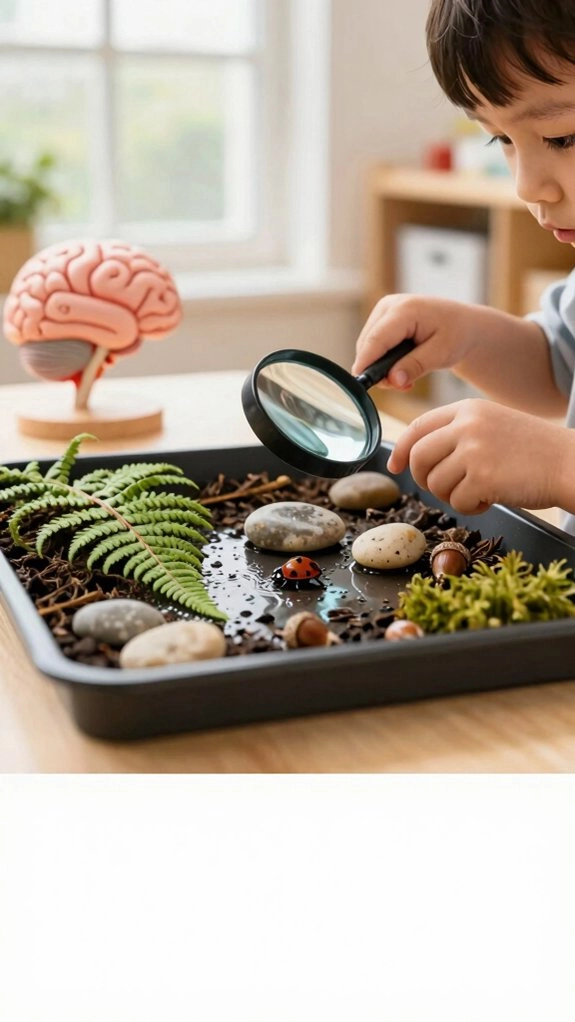
Why can ordinary moments feel like tiny science adventures? You belong in the group of young discoverers who ask why water splashes or shadows move. Each question helps your brain pay attention and remember. In your first five years, it builds about 1 million connections each second.
| Try this | Ask yourself |
|---|---|
| Curiosity stations | What might happen? |
| Prediction play | What changed? |
Pour, sort, or build. Don’t rush for answers. You can try, observe, and adjust. During routines, ask, “What do you think will happen if…?” Your curious brain may use dopamine to mark discoveries as worth remembering for later recall.