Simple STEM Activities That Introduce Scientific Thinking at Home
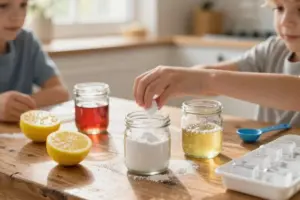
- Simple STEM Activities That Introduce Scientific Thinking at Home
- Key Takeaways
- What STEM Means for Young Children
- Why STEM Starts with Curiosity
- Kitchen Science Experiments
- Building Challenges with Household Materials
- Nature Exploration Activities
- Water-Based STEM Experiments
- Engineering Through Play
- Asking Better Scientific Questions
- Turning Everyday Moments into STEM Lessons
You can introduce scientific thinking at home by turning everyday play into investigations. Pour water, stack blocks, mix ingredients, or sort rocks, then ask, “What do you notice?” Make a prediction, test it, and change one thing if your idea fails. Build a pasta tower, grow a bean, or layer liquids to study forces, living things, and density. There’s no right answer; your observations matter. Keep going to find experiments and questions to try.
Key Takeaways
- Use everyday materials like cups, blocks, water, leaves, and sand to encourage pouring, building, sorting, and observing.
- Ask curiosity prompts such as “What do you notice?” and “What might happen next?” to practice scientific thinking.
- Try simple kitchen experiments, including lemon volcanoes, slime, density jars, or salt crystals, and compare changes.
- Create household building challenges with pasta, marshmallows, cardboard tubes, or toothpicks, then test and redesign structures.
- Explore nature by cataloging rocks, journaling bird visits, planting beans, or making water filters to observe patterns over time.
What STEM Means for Young Children
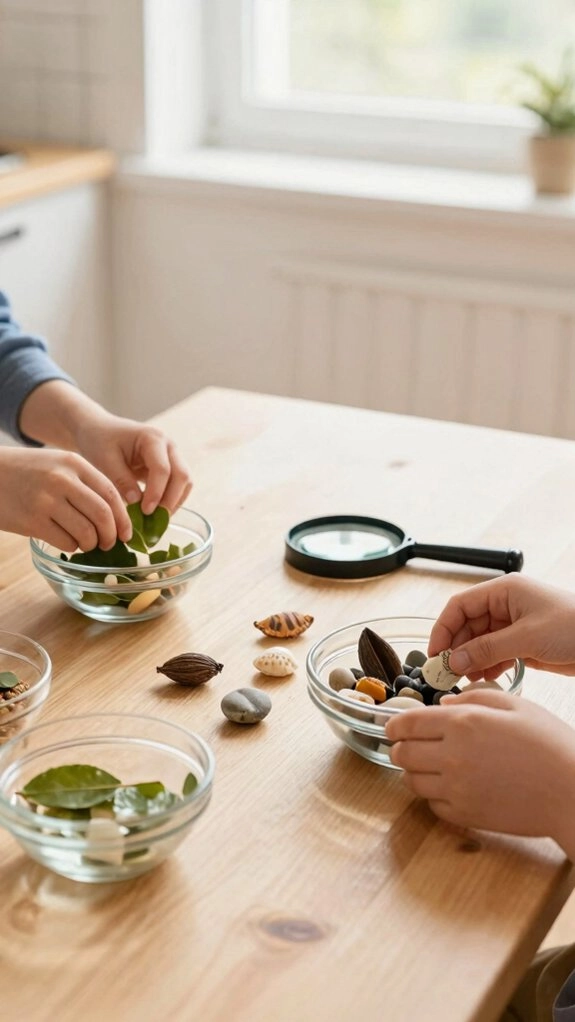
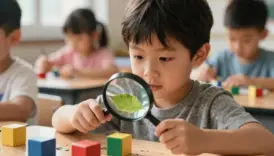
STEM helps young children learn how the world works through everyday play. You can investigate science and engineering by pouring, scooping, mixing, stacking, building, and watching what happens.
At home, your cups, blocks, water, leaves, and sand become tools for learning.
You don’t need a right answer. Instead, you practice making predictions, test your ideas, notice changes, and try again.
Curiosity prompts such as “What do you notice?” help you share your thinking.
You also build math, measurement, patterns, steady hands, and persistence.
When you ask, “How could we try that differently?” you learn that your ideas belong here.
Why STEM Starts with Curiosity
Curiosity gives every STEM activity its spark. You belong in the exploration process when you pour, build, or change one small thing. Curiosity First helps you predict, test, and learn without chasing one right answer.
| Try | Notice | Wonder |
|---|---|---|
| Change water level | Observe Then | What changed? |
| Build a taller tower | Questions Spark | What happens next? |
Ask, “What do you notice?” Your ideas matter. A young child can explore water, while older preschoolers compare shapes and sizes. When a plan fails, try again and check the change. Confidence Builds as you uncover patterns yourself with your family, like real scientists do.
Kitchen Science Experiments
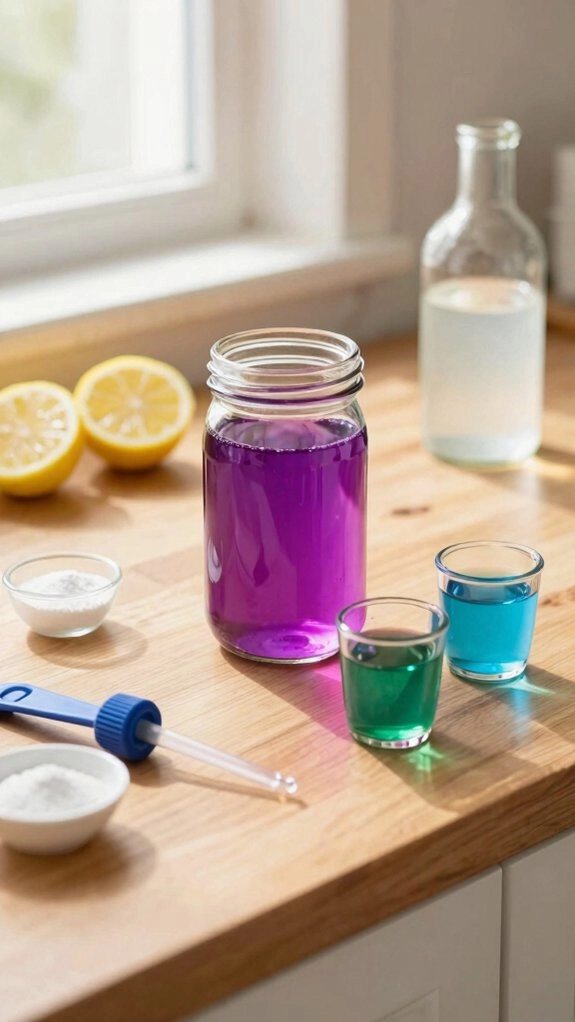
Your kitchen can become a science lab when you test everyday ingredients. Follow Daily Safety Rules, and invite everyone to share predictions.
Make a lemon volcano with baking soda, dish soap, and lemon juice. Ask what causes the fizz.
Mix glue, baking soda, and contact solution to watch slime become stretchy.
Create a candy DNA model to investigate how genetic patterns fit together.
Layer colored liquids in a jar and observe density.
Your team can compare before and after, record results, and find that science doesn’t always deliver Predictable Outcomes.
What’ll you test next with your curious crew?
Building Challenges with Household Materials
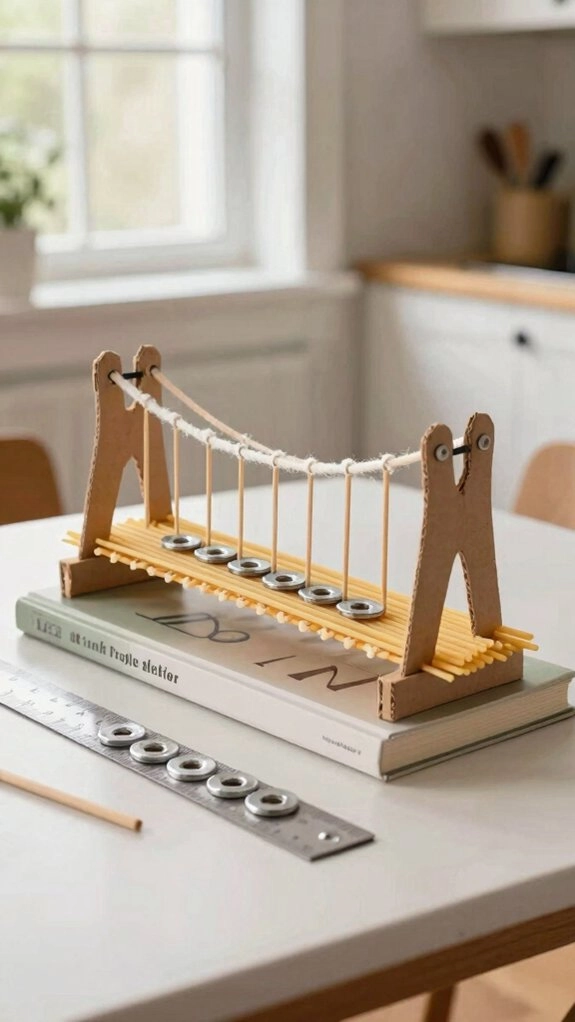
When you build with simple supplies, you can uncover how real structures work. Join your family or friends for a pasta tower challenge. Use spaghetti and marshmallows, then try load testing with a book or small ball.
Notice how compression and tension help or weaken your design.
Create a cardboard-tube winch with string to study force vs motion.
Turn the wheel and watch how rotation changes lifting strength.
You can also build a bridge across a gap with toothpicks. Roll a toy car over it and compare results.
Change one feature each time.
Share ideas, rebuild together, and celebrate every uncovering.
Nature Exploration Activities
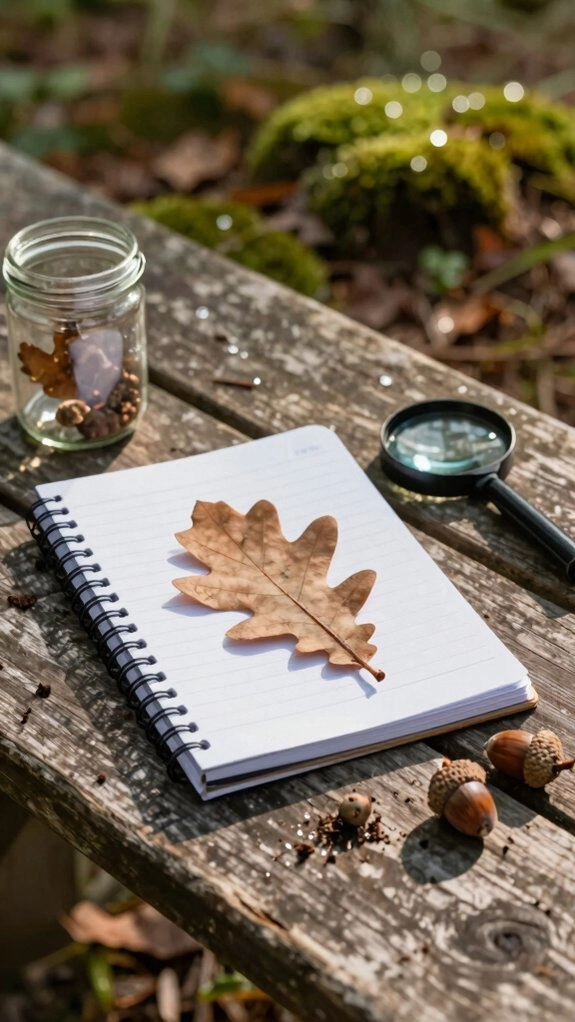
Nature can turn simple outdoor finds into exciting science investigations at home. Invite your family to uncover, notice patterns, and share findings together.
- Start Bird watching journaling. Sketch feathers, count visitors, and record what changes daily.
- Try rock collection cataloging. Predict which stones feel heavier, then sort them by color, texture, and size.
- Build taped roads outdoors. Add leaves and sticks, test toy routes, then redesign obstacles.
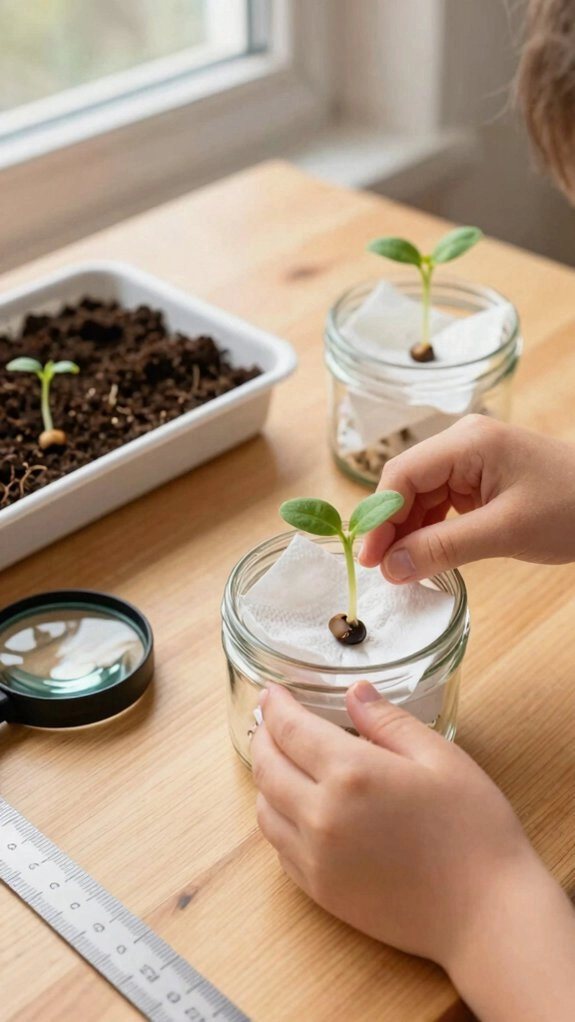
Plant a lima bean in soil, water lightly, and watch its living changes each day. Your questions matter, and every observation helps you feel like a real scientist in your growing community.
Water-Based STEM Experiments
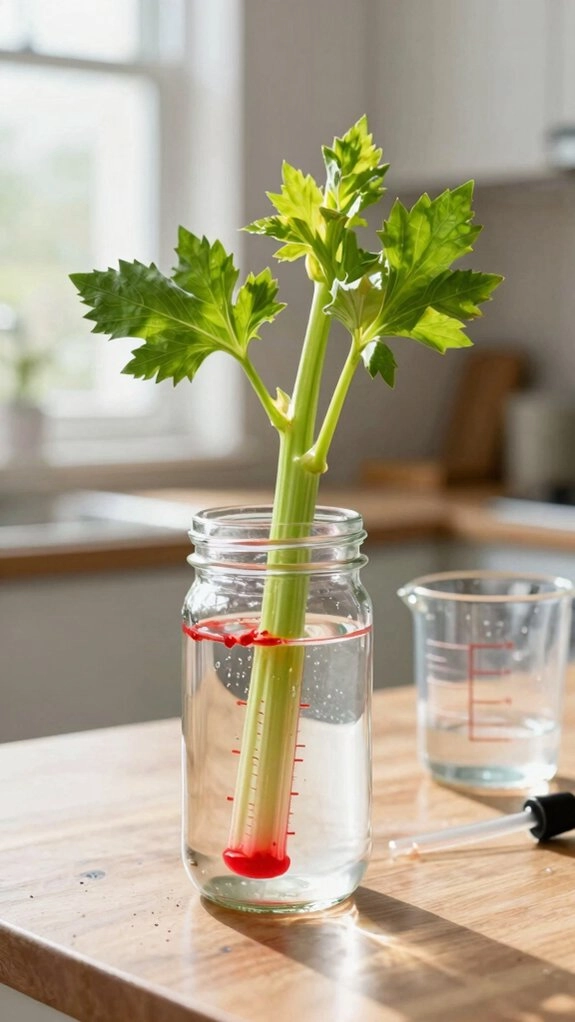
Water can help you examine big science ideas with simple tools at home. You’ll belong in the role of scientist as you test, watch, and share findings. Uncover balance and volume by pouring equal water amounts between tall and wide containers. Notice sinking and floating during sink play.
| Activity | What you notice |
|---|---|
| Cloud jar | Pressure makes a cloud |
| Rainbow jar | Density keeps colors layered |
| Water filter | Layers trap particles |
| Salt crystals | Evaporation grows crystals |
Ask why water changes, then compare results with your family. You don’t need perfect answers; careful observations help everyone learn together in your shared home.
Engineering Through Play
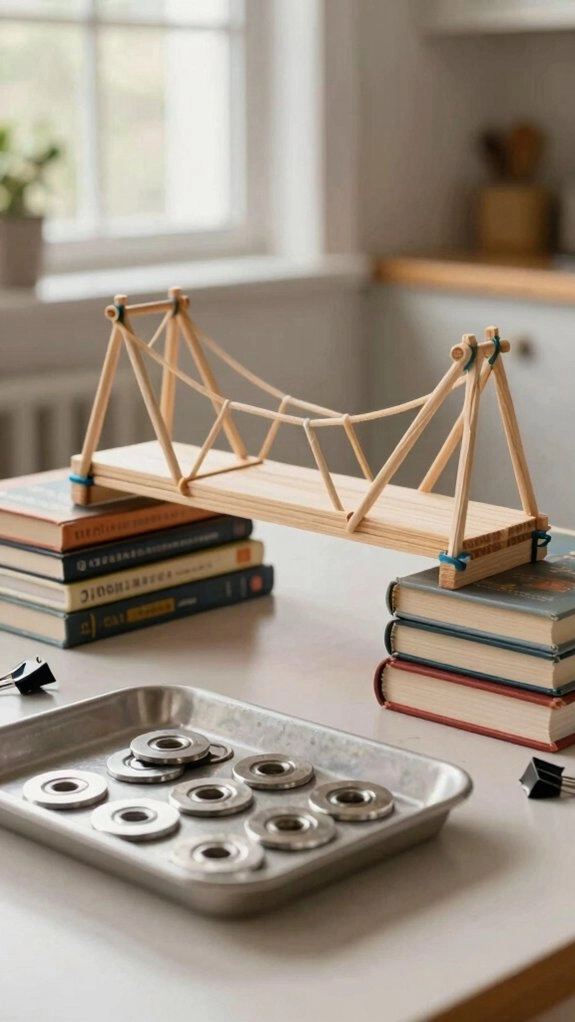
Engineering begins with play, and you can build big ideas from simple materials. You belong in the engineer’s circle when you test, adjust, and create together with your friends.
- Tape roads, block buildings, and arch bridges make a busy toy-car playscape. Test routes and stability.
- Dry spaghetti and marshmallows become simple prototypes. Build a tower that supports an egg, then notice compression, tension, and load distribution.
- A toilet-roll winch, paper coaster, or balloon rocket reveals cause and effect through moving objects.
Use Design iterations for patient problem solving: change one part, try again, and watch your design grow stronger.
Asking Better Scientific Questions
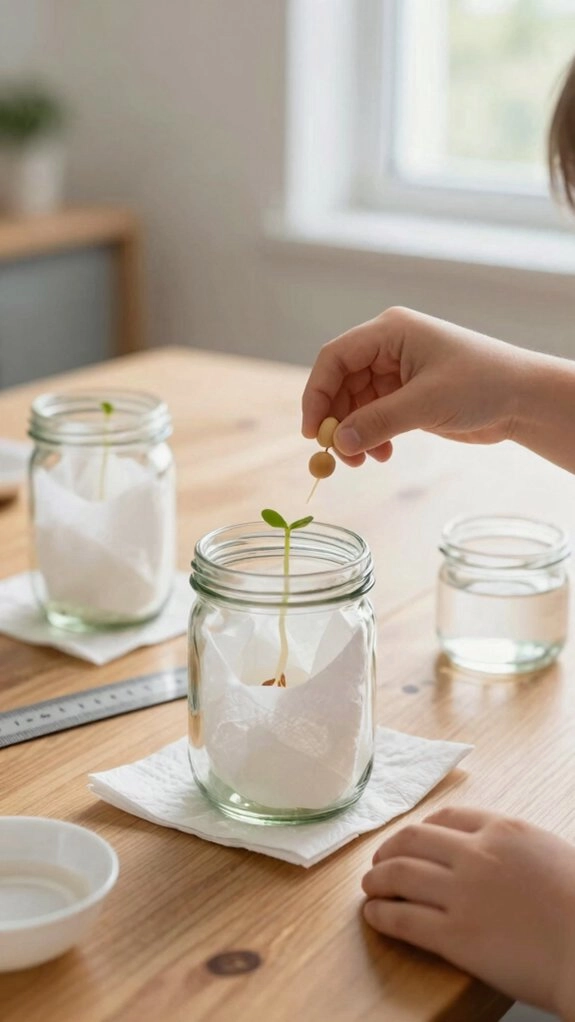
Great scientists begin by noticing small details and turning them into clear questions.
Ask what you see, smell, or measure.
A measuring cup or scale can show that equal amounts may look different.
Try Prediction practice before you test.
Write your guess in simple words: “Will two more spoonfuls of salt make crystals grow faster?”
Keep one change at a time.
Then ask what changed and what stayed the same.
Compare results after pouring water back and forth.
Your questions help everyone in your science team test ideas fairly.
Could you repeat the test with another container or material?
Turning Everyday Moments into STEM Lessons
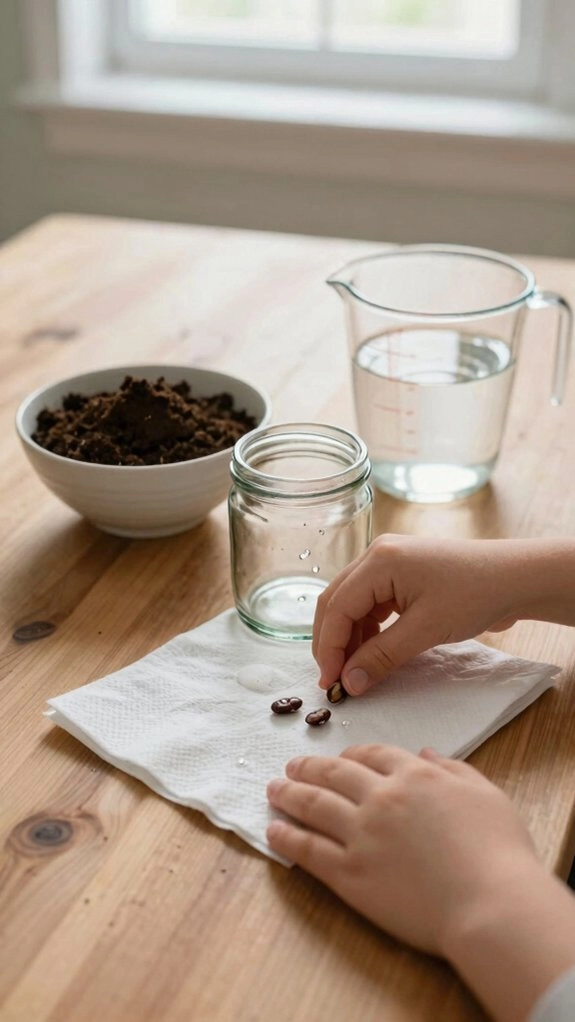
Everyday moments can become STEM lessons when you stop and investigate them. You’re already part of a community of curious thinkers. Try Prediction games during ordinary routines and share what you find.
- At bath time pour equal water into tall and wide cups. Ask which has more then pour it back.
- While cooking or planting safely make sensory comparisons. Notice smells textures and daily changes in sunlight.
- Sort blocks leaves or toys by color then size. Predict first and test your idea.
For ages 4–5, compare measuring-cup colors or weigh snacks. Scoop stack pour observe together.