How the Brain Processes What Children See During Learning
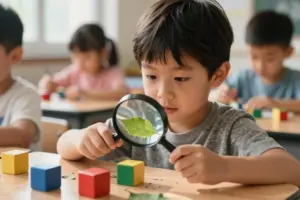
- How the Brain Processes What Children See During Learning
- Key Takeaways
- Understanding the Visual Processing System
- How the Eyes and Brain Work Together
- Visual Perception vs Eyesight
- Why Pattern Recognition Supports Reading Readiness
- The Link Between Visual Memory and Learning
- How Play Strengthens Visual Processing Skills
- Common Difficulties Children May Experience
- Supporting Healthy Visual Development at Home
- When to Seek Professional Advice
Your eyes collect light and send messages through the optic nerve to your brain. Your brain sorts shapes, colors, movement, and details, then connects them with memories. Repeated experiences strengthen useful pathways and help your attention stay steady. Pattern spotting helps you recognize letters, faces, and objects more quickly. Play with puzzles, blocks, and drawing builds these skills. Clear sight matters, but your brain gives images meaning. Investigate to learn how you can support it.
Key Takeaways
- Light reaches the retina, which sends signals through the optic nerve to visual areas of the brain.
- The brain interprets clear images by identifying meaningful objects, faces, shapes, letters, and movement.
- Repeated visual experiences strengthen useful neural pathways while less-used connections are gradually pruned.
- Attention and visual memory help children hold important images long enough to connect them with prior knowledge.
- Play, pattern practice, and clear visual input support reading readiness, recognition skills, and confident learning.
Understanding the Visual Processing System
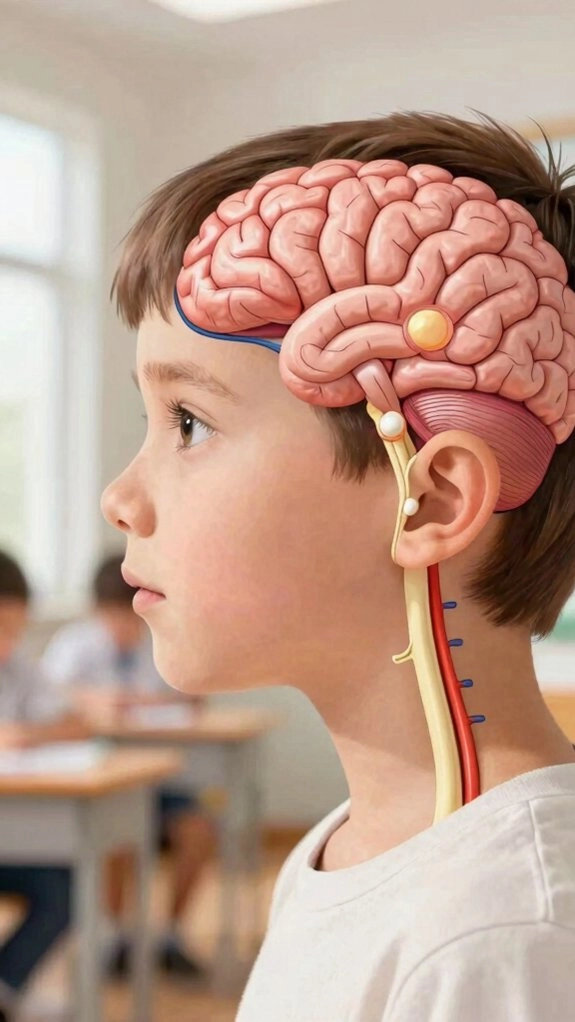
When you look at a page or picture, your eyes begin an amazing chain of events. Light becomes signals that help you notice edges, contrast, shapes, and eventually familiar objects.
Your visual system learns from what you see often. This Early vision bias helps your growing networks become skilled at the sights around you.
During early childhood, extra connections form quickly. The synaptic timing helps circuits keep useful connections.
Pruning mechanisms explain why less-used links fade away.
Myelination acceleration effects make signals faster and steadier. That speed supports attention and helps you remember letters, words, and shared lessons.
How the Eyes and Brain Work Together
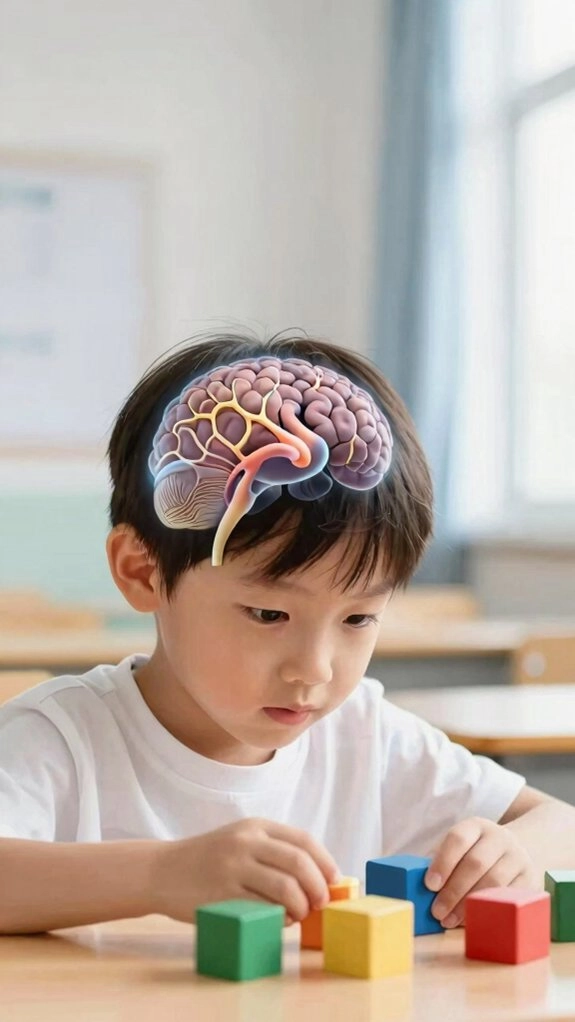
Your eyes and brain act like a fast-working team during every learning moment. Light enters your eyes and reaches the retina.
There, it becomes messages your brain can read. Through nerve signal travel, the optic nerve carries these messages to visual brain areas.
Eye brain coordination helps you focus on details that matter most. As you grow, repeated experiences tune these pathways.
Brain connections become quicker and more accurate, helping you learn alongside classmates.
If early images are blurry, treatment can help your system improve.
Your shared learning world keeps shaping how you see and understand each new thing.
Visual Perception vs Eyesight
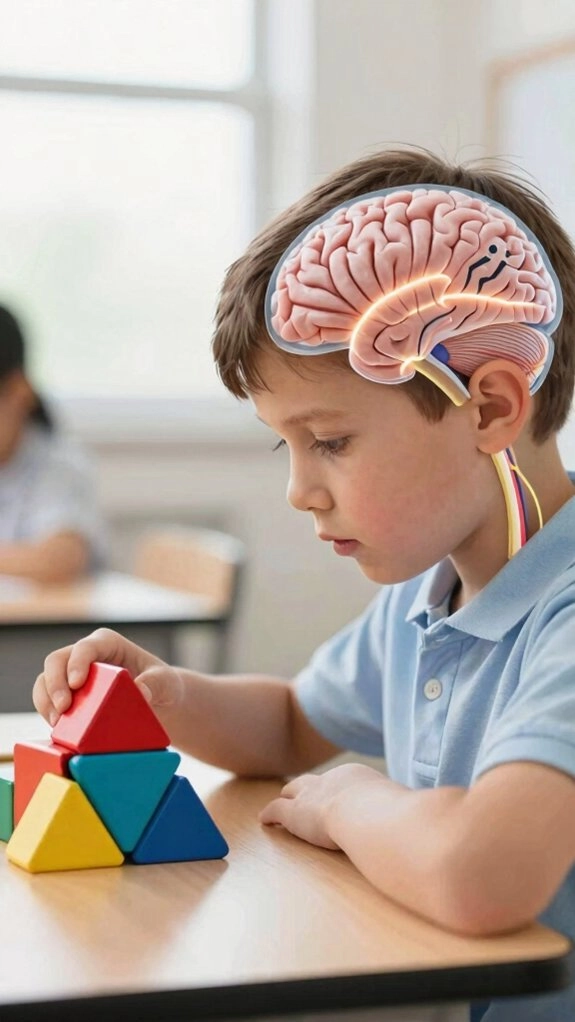
Sharp eyesight gives your brain a clear picture, but visual perception explains what it means. Your eyes may see a crisp shape, but your brain decides whether it’s a face, toy, or letter.
This developmental visual skill grows through shared experiences each day. When you investigate new sights, your brain strengthens helpful connections and trims weaker ones. Early experiences matter because they guide what your visual system processes efficiently.
As sensory pathways gain insulation during preschool years, messages travel faster. With practice and support, your perception accuracy improves, helping you feel confident and connected while learning alongside others too.
Why Pattern Recognition Supports Reading Readiness
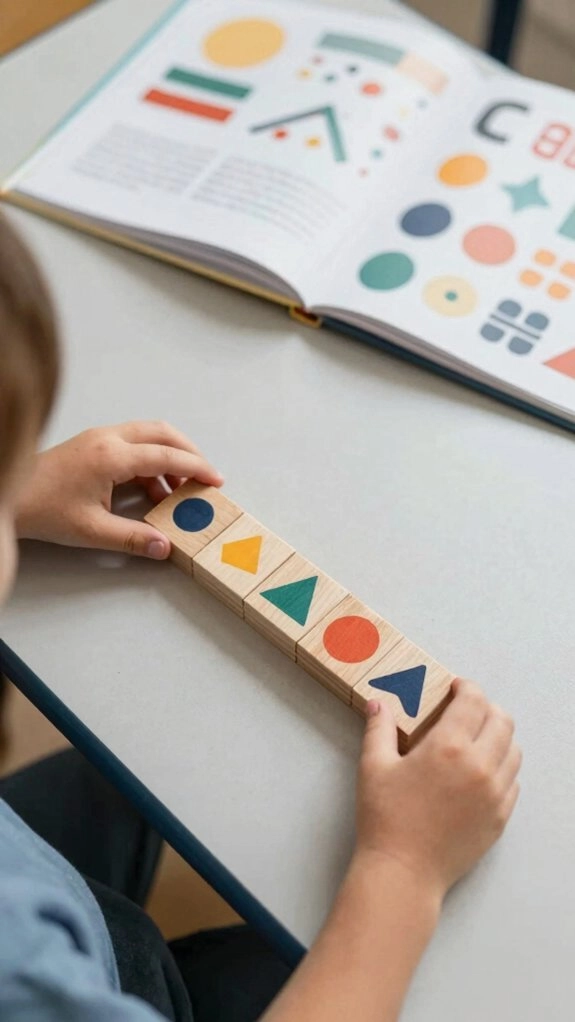
Pattern recognition gives your brain a head start before reading becomes fluent. When you spot repeated letter shapes and sequences, your brain connects print to sounds more efficiently. This supports Phonemic awareness and helps decoding feel less like a puzzle.
Early practice matters because your developing brain strengthens useful pathways through exposure and feedback. Try comparing similar patterns, then match letters with their sounds.
Systematic decoding practice helps your reading circuits grow stronger. You’ll join the community of readers who can recognize words quickly, building confidence and reading motivation with every page you survey together among people who cheer.
The Link Between Visual Memory and Learning
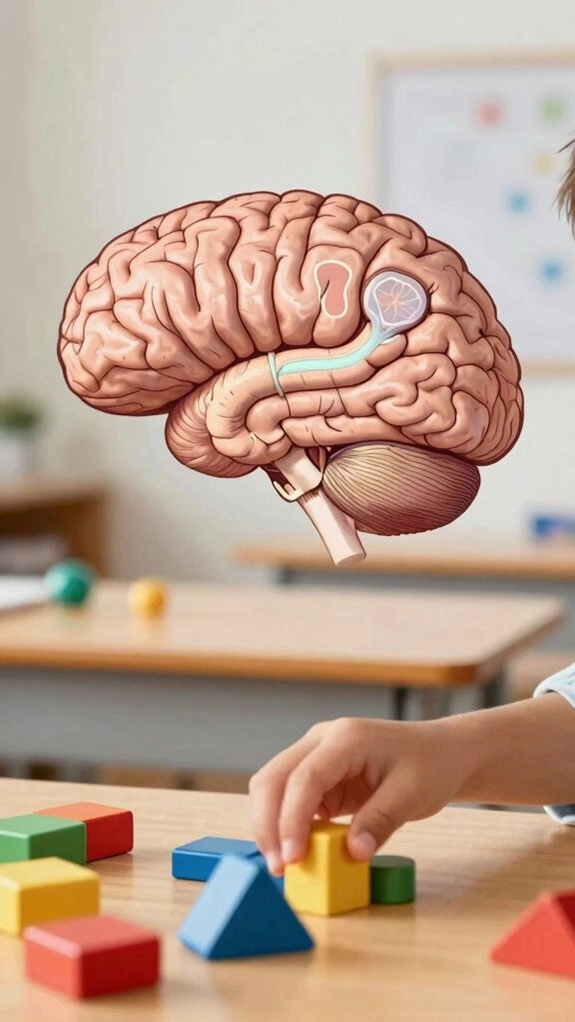
When you look at a letter or diagram, your brain holds its image briefly. This lets you connect new sights with what you’ve seen before. Focus helps Visual memory retention because fewer distractions compete for space. Repeated viewing strengthens brain pathways, so recognition becomes faster and supports learning stability over time. You’re part of a learning community: everyone benefits from clear visual support.
| What | Your brain does |
|---|---|
| Letter | Matches it to stored knowledge |
| Diagram | Holds key parts in working memory |
| Repetition | Keeps useful connections strong |
| Attention | Helps images become durable memories |
Targeted support makes reading feel more accessible.
How Play Strengthens Visual Processing Skills
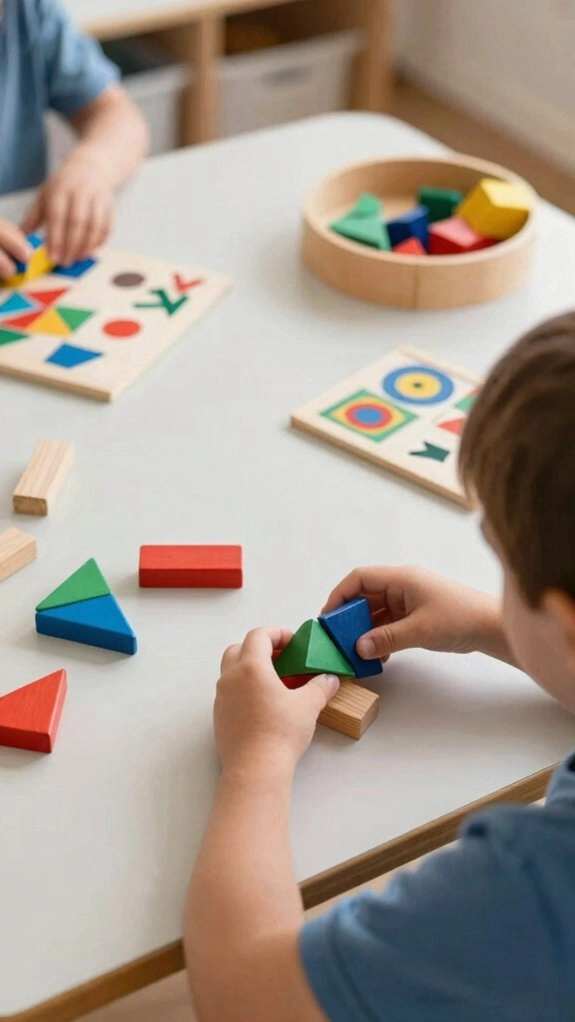
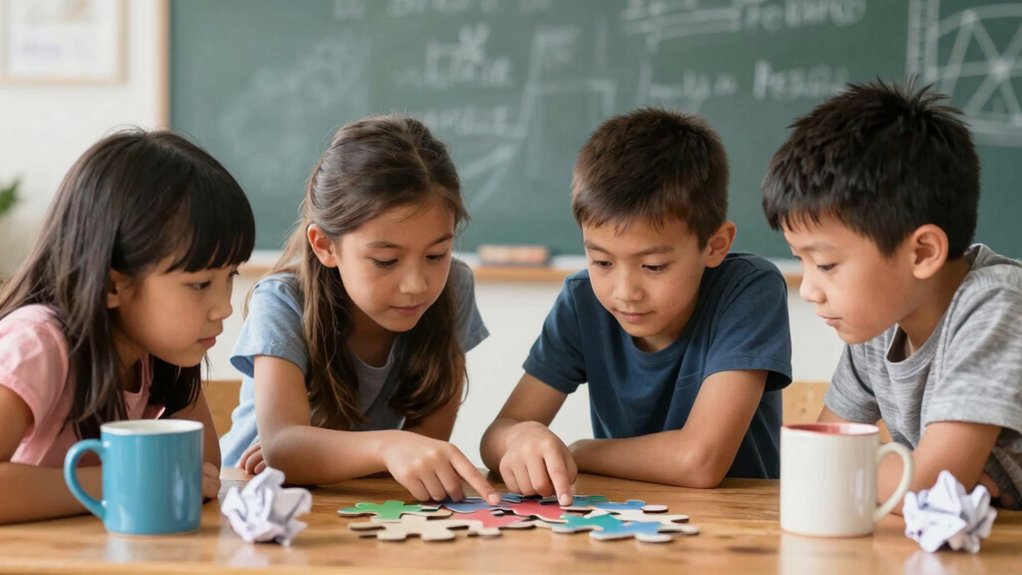
As you play with blocks, puzzles, or drawings, your eyes and brain practice working together. Each game helps you notice shapes, colors, and movement. Your play attention grows as you choose what to watch. A visual search for a missing puzzle piece trains you to focus.
Through sensory exploration, you touch, move, and compare what you see. This builds visual coordination between your eyes and hands. Repeated play strengthens brain pathways, especially while you’re young. Those pathways can become faster and more efficient. With varied activities over time, you keep learning visual patterns. You’re building skills alongside your classmates.
Common Difficulties Children May Experience
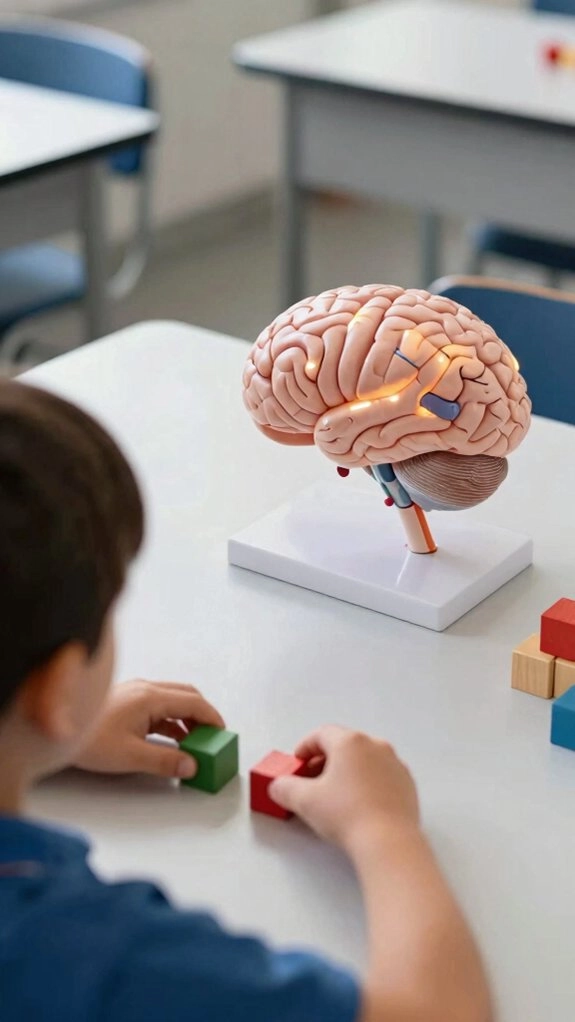
Sometimes, learning from what you see can feel harder than it looks. Your eyes may work well, yet your brain mightn’t connect letters with sounds and meanings. This can make reading feel slow or tiring.
Classroom distractions can pull your focus away from details. When you decide what to notice and ignore, your working memory has less room to learn. Stress can make this tougher by weakening attention and memory.
Sleep and learning are connected because tired brains struggle to focus. These challenges don’t mean you don’t belong in class. Brains learn in different ways, and skills can change through practice.
Supporting Healthy Visual Development at Home
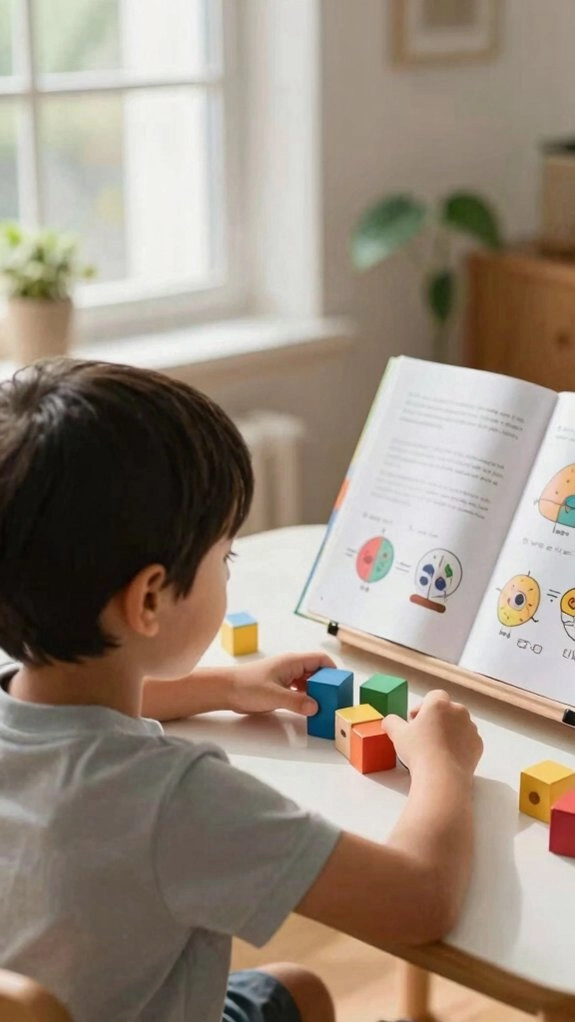
You can help your brain and eyes work together through simple daily habits. Your choices give growing vision systems useful practice, and your family can build these routines together.
- Choose screen-free time each day. Build outdoor play habits with walks, games, and nature watching.
- Use bright, gentle light for reading. Hold books at a comfortable distance. These Eye comfort tips can make letters clearer.
- During reading or tablet work, look far away, then back. Try blocks, ball catches, and find-the-object games. They help both eyes share depth clues and help you stay focused while learning new skills at home.
When to Seek Professional Advice
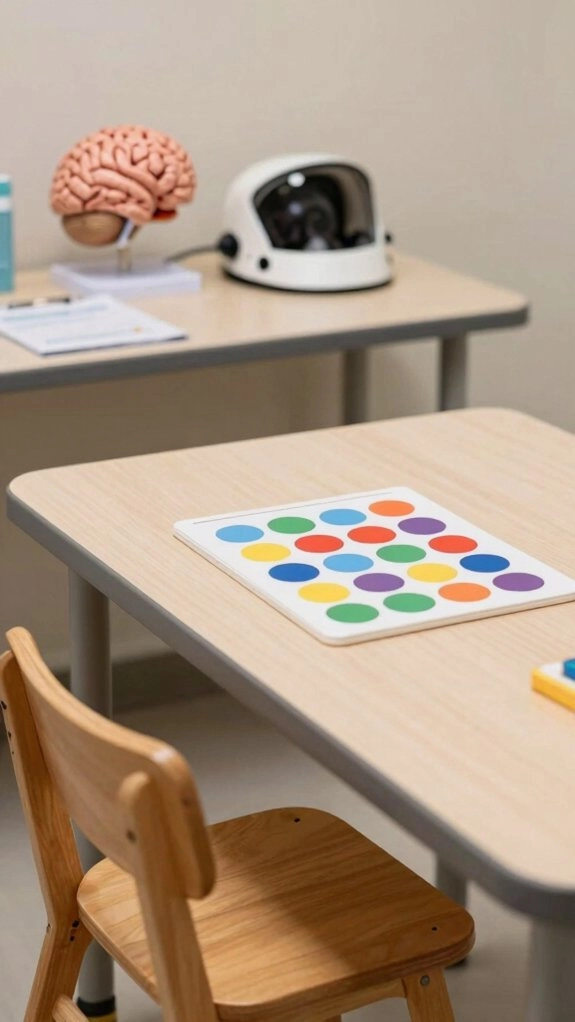
Daily habits can support learning, but some challenges need extra help. Talk with a teacher, doctor, or learning specialist if you notice ongoing trouble recognizing letters, holding visual attention, or telling similar shapes apart.
You’re not alone, and these struggles aren’t about trying harder.
Ask right away when school reports difficulties despite regular teaching. Helpful classroom reading supports and testing can show what fits your child’s needs.
Seek guidance after early problems with spatial patterns or quantity, which can affect later math.
Also share worries about stress; the anxiety impact on learning can weaken focus and planning.
Teams can help.