How Children Learn to Care About Nature
- How Children Learn to Care About Nature
- Key Takeaways
- Why Environmental Awareness Starts Early
- How Children Develop Empathy for Living Things
- The Science Behind Nature-Based Learning
- Why Outdoor Experiences Build Environmental Responsibility
- Teaching Sustainability Through Everyday Activities
- How Families Can Build Eco-Friendly Habits
- Classroom Ideas That Encourage Environmental Stewardship
- Raising the Next Generation of Planet Protectors
You learn to care about nature when you spend time noticing it. Discover a park, watch insects, or visit the same garden often. You’ll see that plants and animals need food, water, and homes. Gentle actions, like leaving worms in soil and picking up litter, show respect. Nature time can help you feel calmer and focused. Simple habits at home and school help you protect shared spaces. Keep going to explore how to help.
Key Takeaways
- Regular outdoor play helps children form emotional connections with plants, animals, and local places.
- Observing living things repeatedly teaches children that creatures have needs and deserve gentle care.
- Nature time can reduce stress, restore attention, and make children more ready to learn.
- Hands-on activities, such as gardening and cleanups, build responsibility and confidence in protecting shared spaces.
- Everyday sustainable habits, including recycling, composting, and reusing materials, turn environmental care into practical action.
Why Environmental Awareness Starts Early
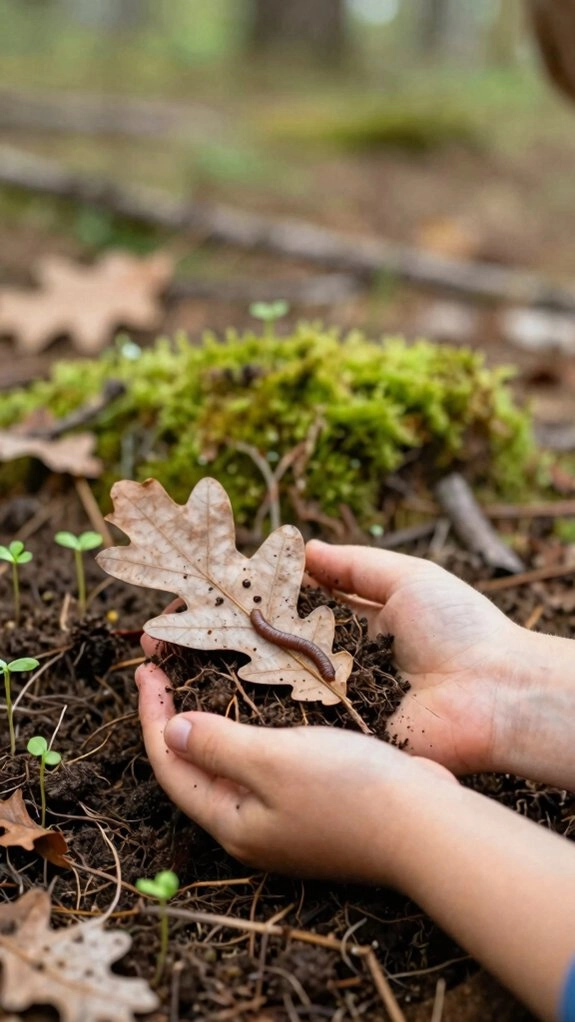
Environmental awareness often begins when children spend time outside and notice life around them.
You build a nature connection through Nature play, early bonding, and repeated outdoor findings with people who care.
Fresh air and green spaces can lower stress and help you focus.
That makes it easier to remember what you’ve seen and learn why it matters.
Small habits let you join others who care.
Sort recyclables, reuse supplies, or help with a neighborhood cleanup.
Each action shows you belong to a community protecting its shared home.
Over time, outdoor moments shape hopeful attitudes and encourage caring choices.
How Children Develop Empathy for Living Things
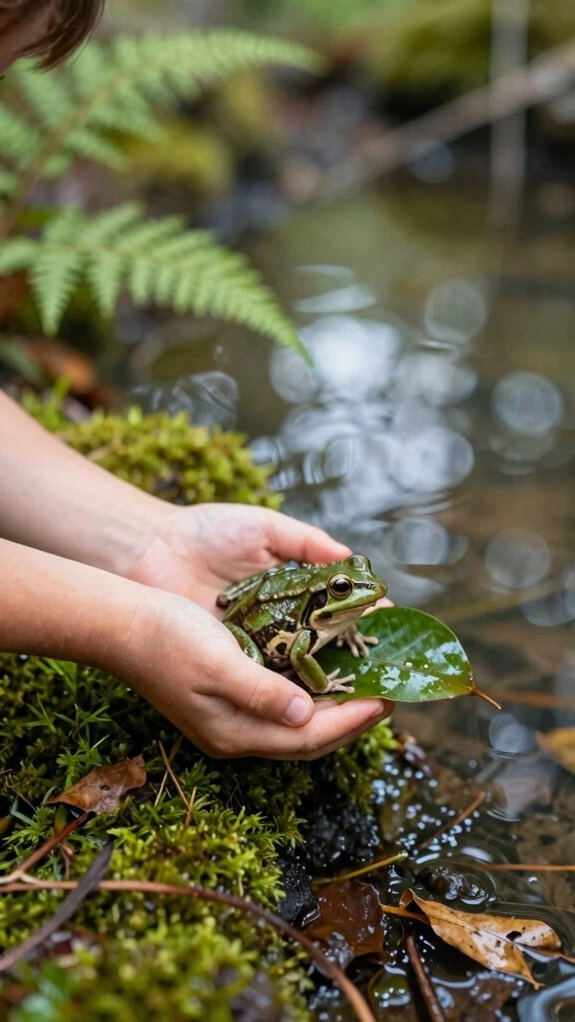
When children spend time with living things, they begin to see that every creature has needs. You can visit the same pond, nest, or garden and notice changes. This helps you feel part of a caring community. Try Play empathy by giving an earthworm a voice: “I need warm soil.” Practice animal listening for one quiet minute. Use gentle handling, then leave found things in their homes.
| Try this | What you learn |
|---|---|
| Watch tadpoles weekly | They grow and need safety |
| Listen quietly | Nearby lives matter |
| Leave a beetle | Its home matters too |
You’ll belong among people who protect living neighbors.
The Science Behind Nature-Based Learning
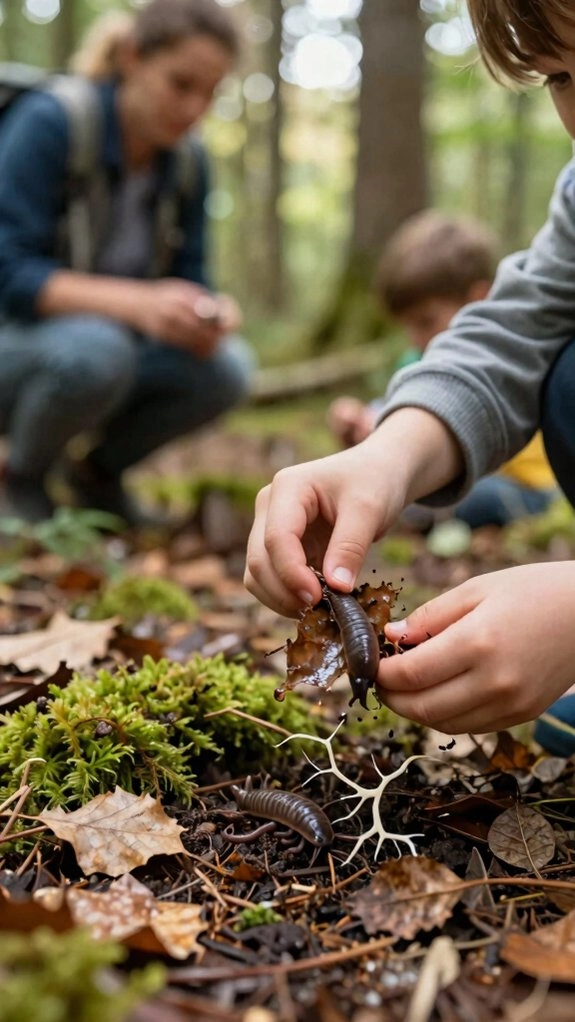
Nature helps your brain get ready to learn. When you spend time outside, your stress can ease and your attention can reset.
This supports stress reduction learning, so you can focus, remember, and join your classmates more easily.
Outdoor classes may also help your body keep calmer daily stress patterns.
The neuroscience of play shows that active, hands-on experiences can strengthen self-control. You might watch tadpoles grow or notice a nest change.
Each visit lets you compare clues using your eyes, ears, and hands.
Together, these science habits make learning feel welcoming, shared, and full of insights for everyone.
Why Outdoor Experiences Build Environmental Responsibility
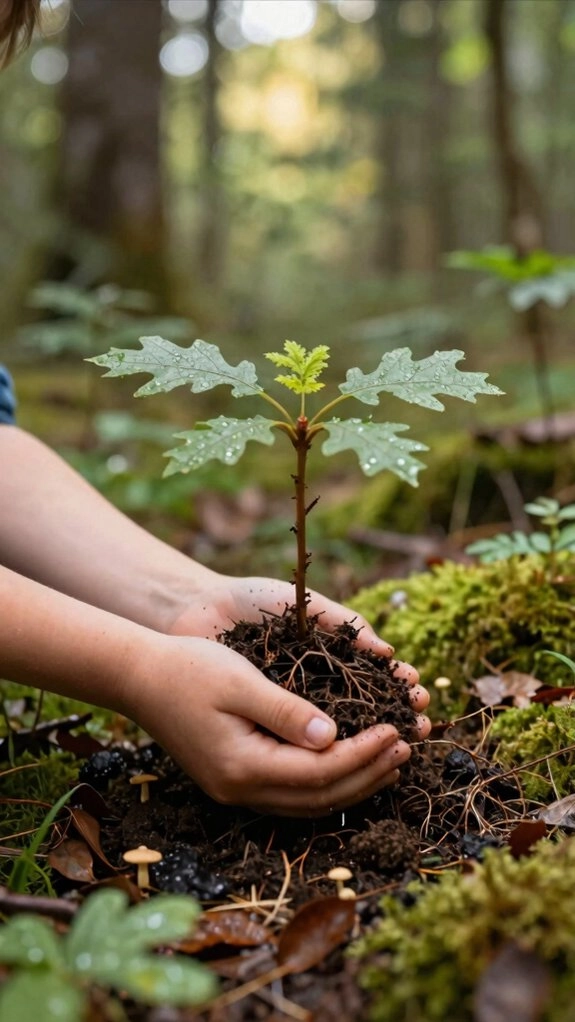
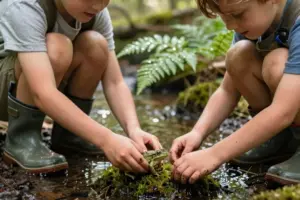
Those outdoor findings can also help you care about the places you navigate. When you uncover often with a caring adult, plants and animals become familiar neighbors. That connection can lift your well-being and make protecting shared spaces feel important.
- You turn sticks, stones, and mud into finds.
- You watch a habitat change and ask thoughtful questions.
- You join your Local community for cleanups or tree planting.
- You take part in stewardship projects and see your help matter.
Each small action builds confidence. You aren’t just visiting nature; you’re part of its community. Together, protect the places everyone loves.
Teaching Sustainability Through Everyday Activities
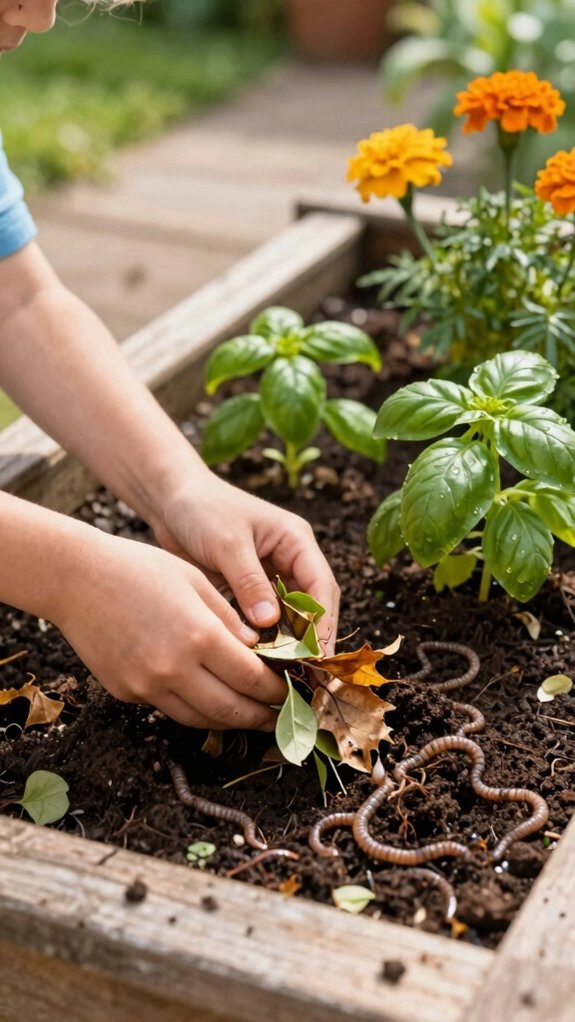
Sustainability starts with small choices you can make every day at home. Play Nature games that ask you to sort recyclables, then turn old paper and boxes into art.
You can compost at home and try seed starting to watch food scraps become soil and plants.
Practice rainwater saving for a garden pot.
Choose thrift shopping and donate toys, so useful things get a second life.
Mindful consumption means asking whether you need something before buying it.
Read *The Lorax* or *We Are Water Protectors*, then join a cleanup or tree-planting day.
You’ll see your shared efforts help neighbors.
How Families Can Build Eco-Friendly Habits
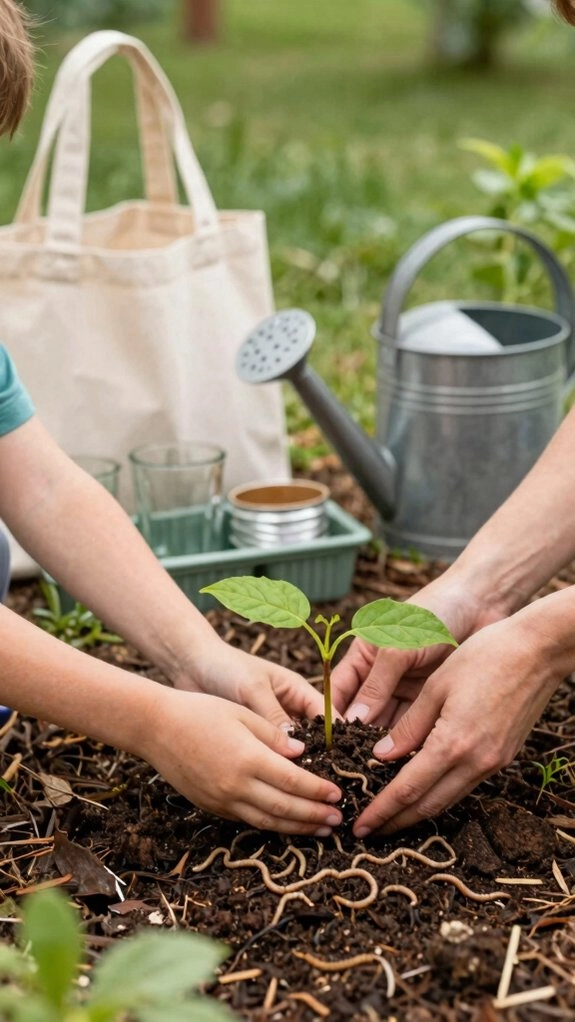
Families can turn caring for the planet into habits that feel easy and fun. Your family can learn together, notice progress, and feel part of a community that protects shared places.
- Sort recyclables for 10 minutes, then reuse scrap paper for art.
- Bring reusable bags, switch off lights, and walk or bike when possible.
- Read *The Lorax* or *We Are Water Protectors* and discuss the characters’ choices.
- Use family habit tracking during seasonal challenges, celebrate Earth Month goals, and join cleanups, farmers-market visits, gardens, or tree-planting days.
Return to local projects. You’ll see change grow and your actions matter.
Classroom Ideas That Encourage Environmental Stewardship
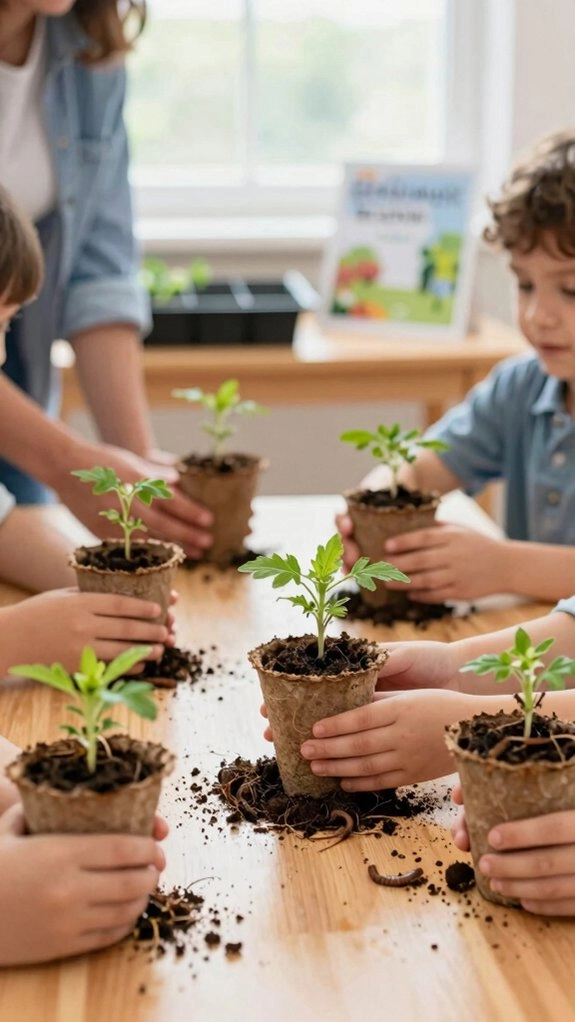
Your classroom can become a place where caring for nature feels real. Try Recycling roleplay, where you sort items and decide what belongs in each bin. Make art from reused materials, so your group sees waste differently.
Use Nature journaling after walks, seed planting, or insect searches. Share what you notice with a caring adult, and let curiosity grow into kindness. Read conservation stories and give found objects critter voices.
Celebrate your team’s wins: turning off lights, carrying reusable bags, and joining cleanups. Visit a garden, plant trees, or help at a farmers market. Together, you can see change.
Raising the Next Generation of Planet Protectors
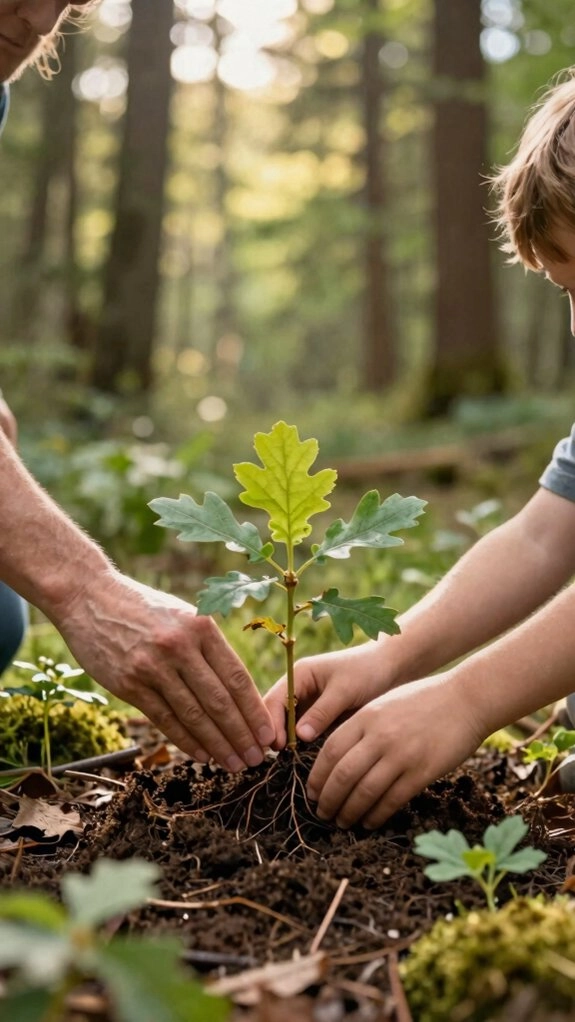
When you spend time outdoors, you begin to see nature as something worth protecting. You belong to a team of planet protectors when you notice, care, and act together.
- Build outdoor routines by revisiting a pond, garden, or log. Try nature journaling and record changes.
- Practice small actions: sort recycling, reuse art paper, and donate toys. Celebrate each choice.
- Grow storytelling empathy through conservation books and role models. Their challenges can show you solutions.
- Join community service, such as cleanups, garden visits, or tree planting. You’ll see how shared work changes your neighborhood.
These moments build well-being and connection.