Homeschool Preschool Activities That Keep Learning Fun Every Day
- Homeschool Preschool Activities That Keep Learning Fun Every Day
- Key Takeaways
- Building a Simple Preschool Homeschool Routine
- Literacy Activities for Home Learning
- Early Math Through Play
- Creative Art and Craft Projects
- Science Exploration for Preschoolers
- Outdoor Learning Activities
- Fine Motor Practice at Home
- Social Skills Through Everyday Experiences
- Organizing a Flexible Learning Space
- Avoiding Homeschool Burnout
Keep preschool homeschool fun by starting with five minutes of stickers, beads, or playdough. You can use letter races, picture books, and simple sound hunts for literacy. Build math skills through counting games, pretend shops, shapes, and measuring. Add art, kitchen science, and outdoor scavenger hunts for variety. Use labeled baskets and calm shifts so your child knows what comes next. End with screen-free drawing or talking. Keep going for easy activity ideas.
Key Takeaways
- Begin with five to ten minutes of fine-motor play, such as stickers, beads, tweezers, or salt-tracing activities.
- Use hands-on literacy games like letter races, picture-book discussions, daily read-alouds, and outdoor sound hunts.
- Make early math playful with counting safaris, cube games, pretend shops, shape hunts, and simple weighing experiments.
- Rotate art, science, sensory, and outdoor activities to keep learning fresh while following children’s interests.
- Create predictable routines with labeled baskets, timers, quiet reading time, and screen-free evenings for calm transitions.
Building a Simple Preschool Homeschool Routine
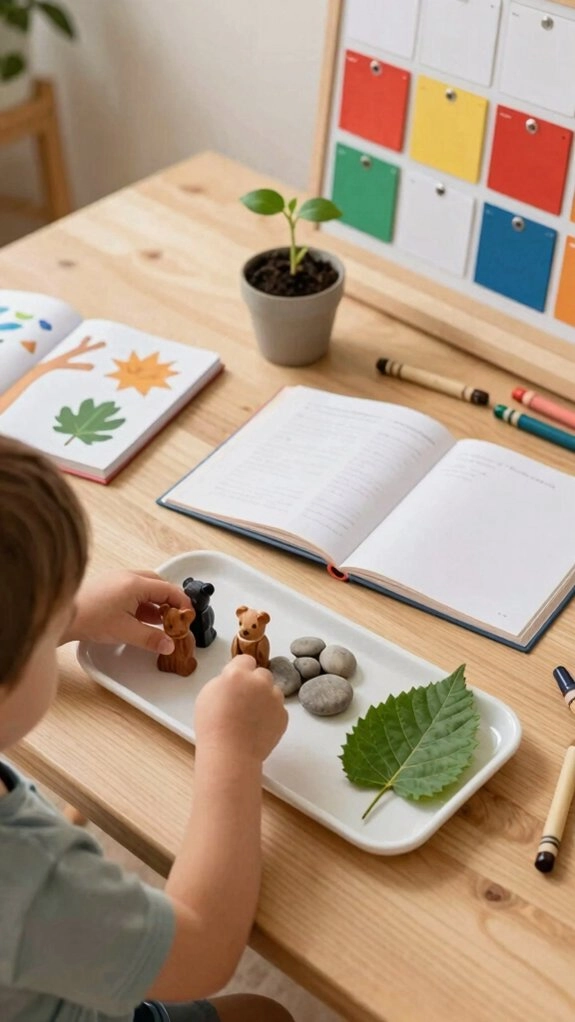
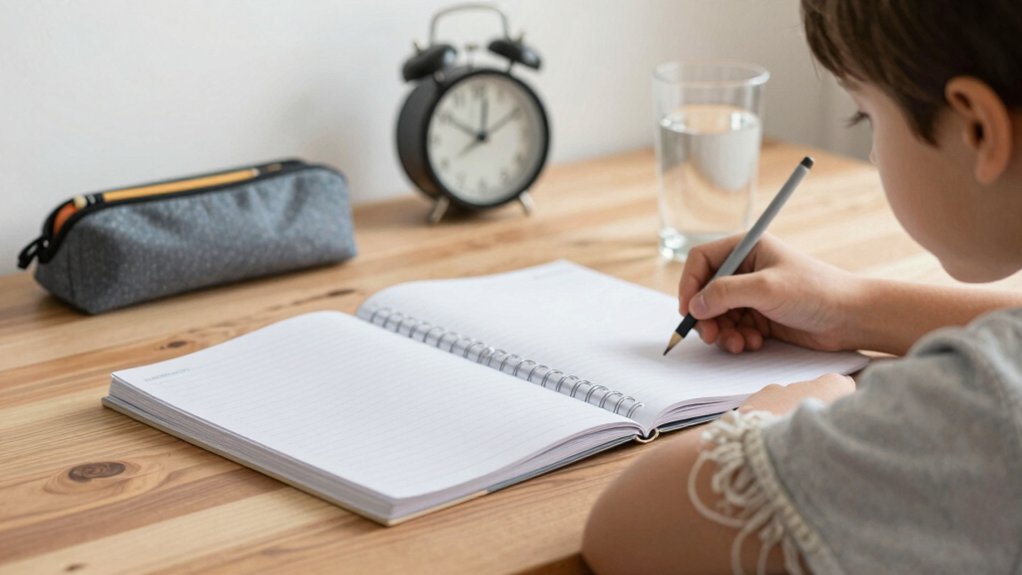
A simple preschool routine gives your day a calm, familiar shape. Start your Morning rhythm with five to ten minutes of fine-motor play. Try stickers, beads, tweezers, or shapes traced in salt.
These activities build hand-eye coordination as children grasp, release, and place small objects with growing control.
Next, investigate counting, sorting, patterns, and sounds with cubes or number mats. Keep lessons playful, not packed with worksheets.
Share a cozy read-aloud after math, then make art your family can proudly display.
Use transition timers and labeled baskets to help everyone know what comes next. Your plan can flex when energy changes. A weekly chart lets you notice what works.
These calm routines help your child feel secure, capable, and part of your learning team.
Literacy Activities for Home Learning
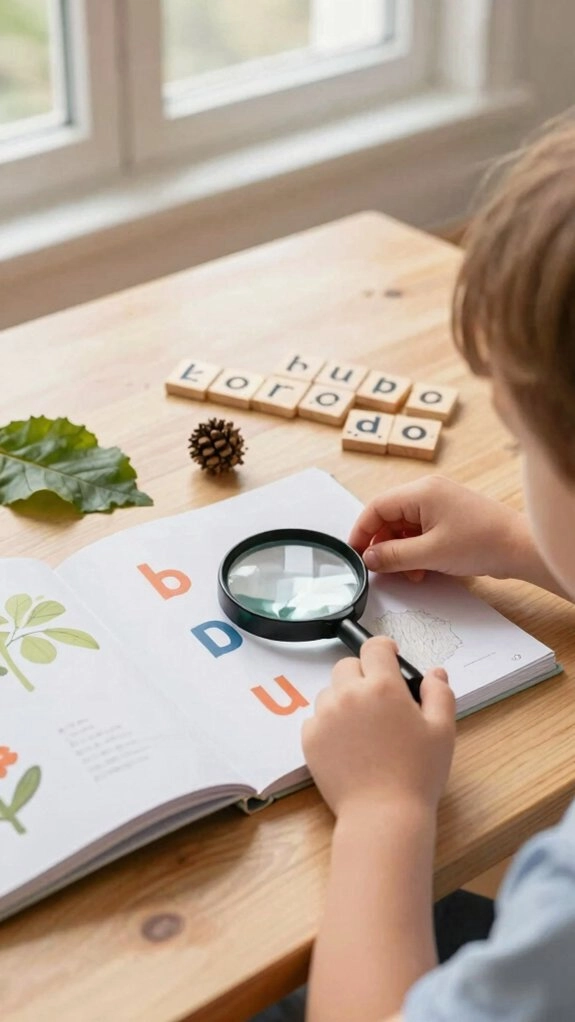
You can also hold Letter Races with magnetic letters and a board. Call a sound, and let your child find its letter. Before writing, build hand strength by peeling stickers, lacing beads, or tracing in salt.
Use picture book prompts to talk about characters and pictures. If you want extra support, Reading Eggs offers guided preschool phonics games. Daily read-alouds also build vocabulary, understanding, and confidence while giving your child a chance to predict what might happen next.
Early Math Through Play
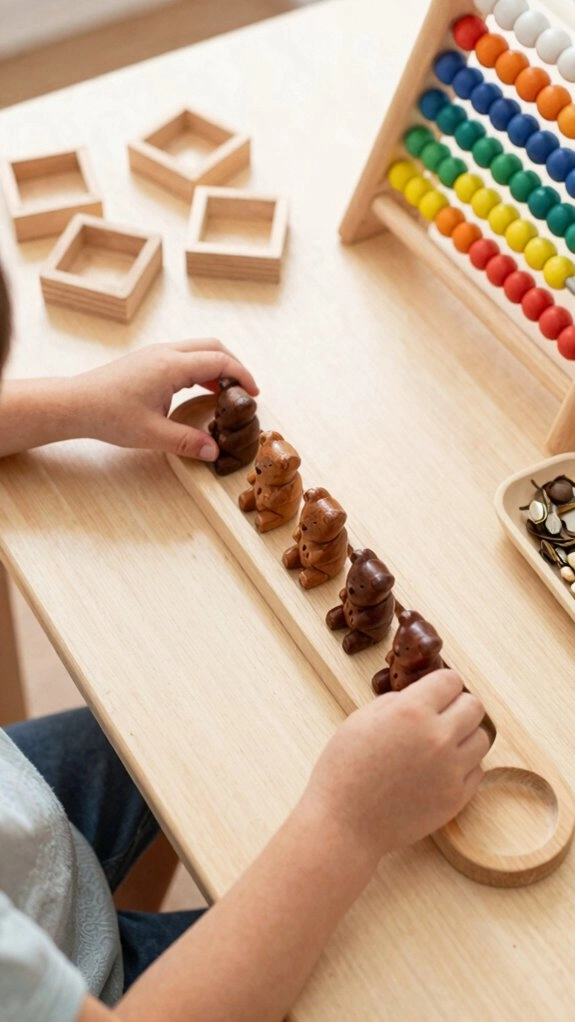
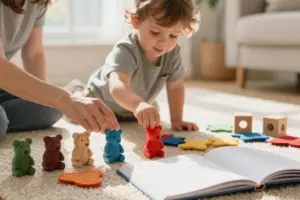
Math can grow from everyday play, especially when children can touch and move objects. Try Number games with cubes and number mats, matching each amount together. Play Shop builds recognition as you buy priced items with pretend money.
| Play idea | Happy discoverry |
|---|---|
| coin tosses | Probability play shows heads or tails each have a 1-in-2 chance. |
| shape spotting | Pattern hunts on signs help your child feel like a sharp-eyed explorer. |
Add measurement fun with Guess the Weight. Let your child predict, then weigh a pumpkin or roll. You’re building a learning team where every answer invites curiosity. Block-building challenges can introduce symmetry and measurement as your child experiments with shapes and sizes.
Creative Art and Craft Projects
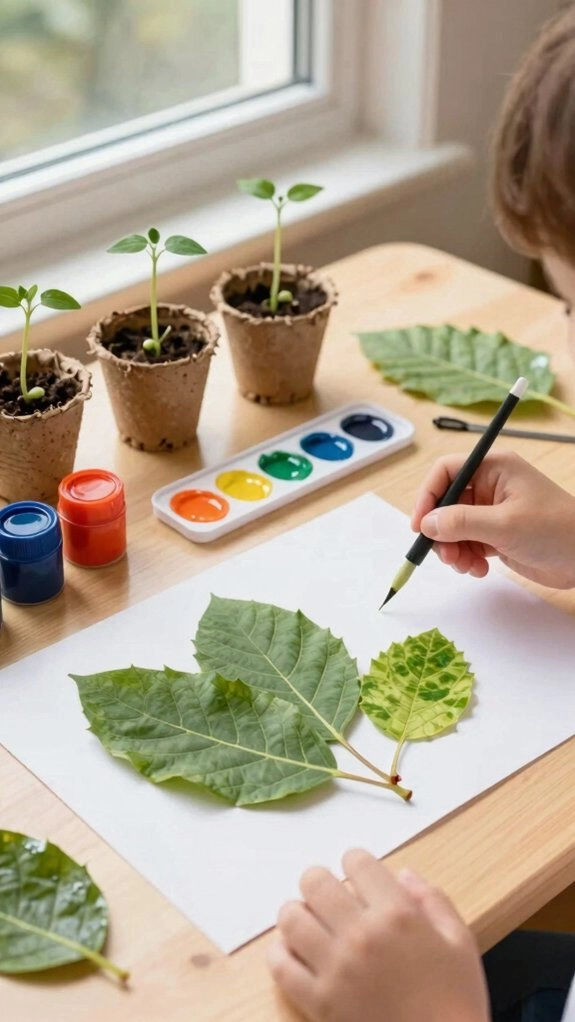
Creative art gives your homeschool day a colorful break after math and lunch. Connect a read-aloud to Process art, painting, or mixed-media creations.
Your child can investigate weekly themes with seasonal paper crafts that make learning feel personal. Try an artist-study day without worksheets.
Let them copy a style, then create something inspired by its techniques. Build hand strength by peeling stickers, cutting lines, tracing letters in salt, or shaping playdough numbers.
Make homemade taste-safe play dough with simple edible ingredients for a fun, sensory way to practice shaping letters and numbers.
Add wonder with a hidden white-crayon message under watercolor. When the paint reveals it, celebrate together.
Place each finished piece in a special fridge display. This simple pride routine helps your little learner feel seen and included.
Science Exploration for Preschoolers
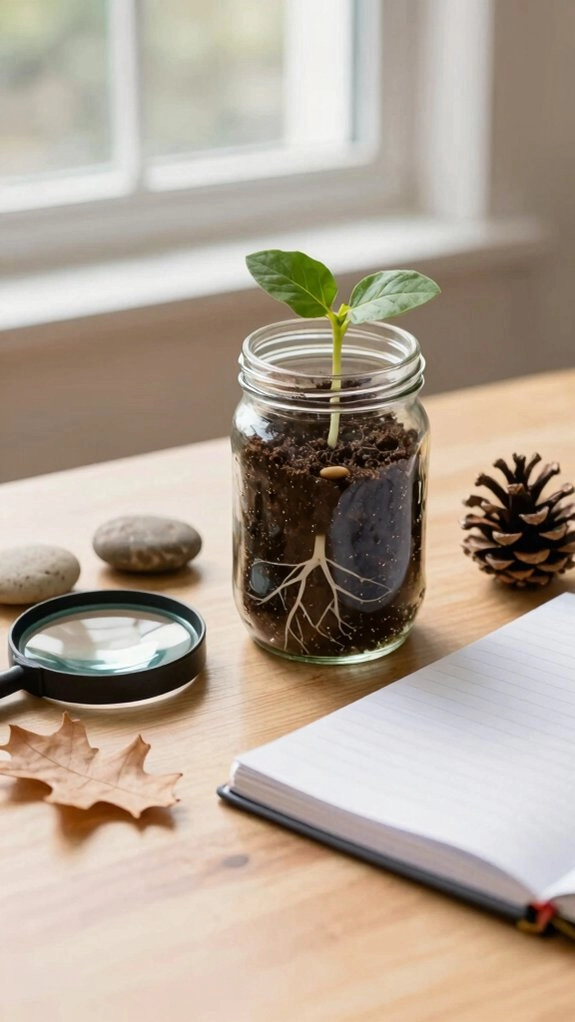
After displaying your art, invite your preschooler to investigate the science hiding in everyday materials.
Try Kitchen chemistry by mixing baking ingredients or watching sourdough rise.
You can follow each step together and notice yeast making bubbles and changes.
Create sensory bubbles with water, scoops, and safe textured items.
Ask what happens when your child pours, stirs, or squeezes.
For sidewalk science, spray chalk with vinegar and watch foam appear.
Use words like bubble, foam, and change.
Explain that the fizzy reaction releases carbon dioxide gas, which creates the bubbles.
Add sound hunts by asking, “Can you find something that starts with sss?”
Finally, estimate and weigh household objects on a kitchen scale together.
Outdoor Learning Activities
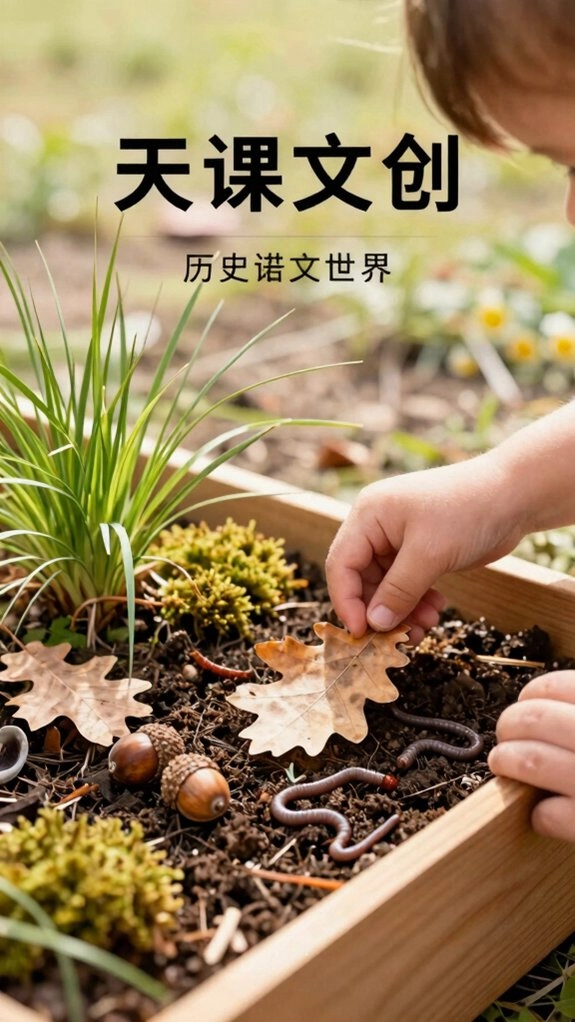
Outdoor learning turns a yard, sidewalk, or park into a busy preschool classroom. You and your child can discover together through Phonics nature walks.
Try a sound hunt outdoors by naming a letter sound and finding animals or objects that match. Create an alphabet letter scavenger with signs, labels, and house numbers.
Play Number Safari for counting yard treasure, then notice numbers on shops and roads.
Add shape search routes and pattern spotting games as you walk.
Invite your preschooler to identify plants, watch the weather, and sketch a bird.
These simple adventures help your child feel curious, capable, and connected.
Fine Motor Practice at Home
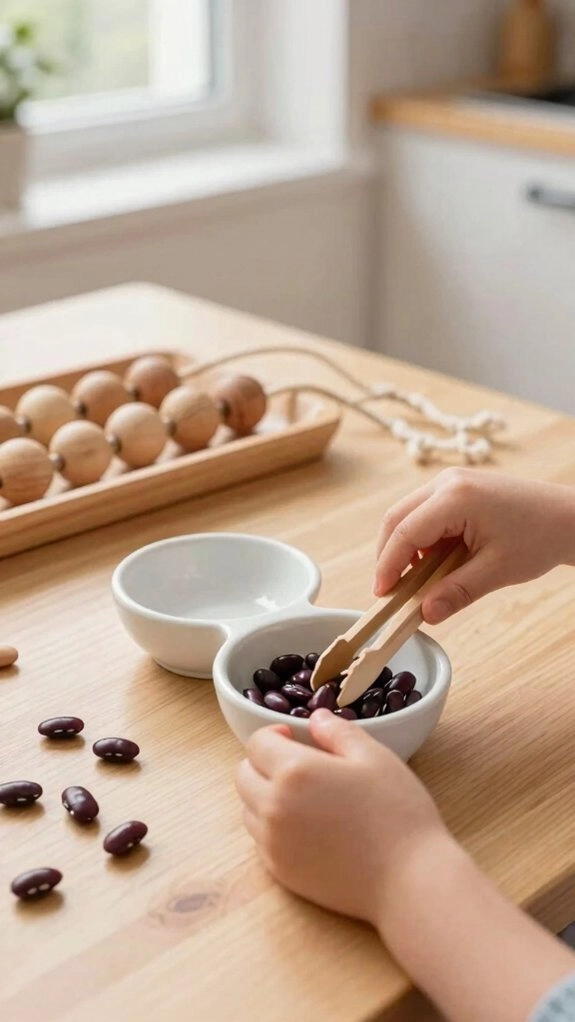
Back at home, fine motor practice helps little hands grow strong and steady. Begin your preschool routine with five to ten minutes of warm-ups.
Try tweezers with pom-poms or lacing beads for gentle grip strengthening.
Choose one or two activities each day so practice feels familiar and doable.
Your child can peel stickers, cut dotted lines, or trace circles with dry-erase markers.
Sensory play adds another fun step.
Let them trace shapes or letters in a salt tray before using paper.
Focus on slow, controlled movements instead of perfect letters.
These small routines build finger control, confidence, and readiness for everyday learning.
Social Skills Through Everyday Experiences
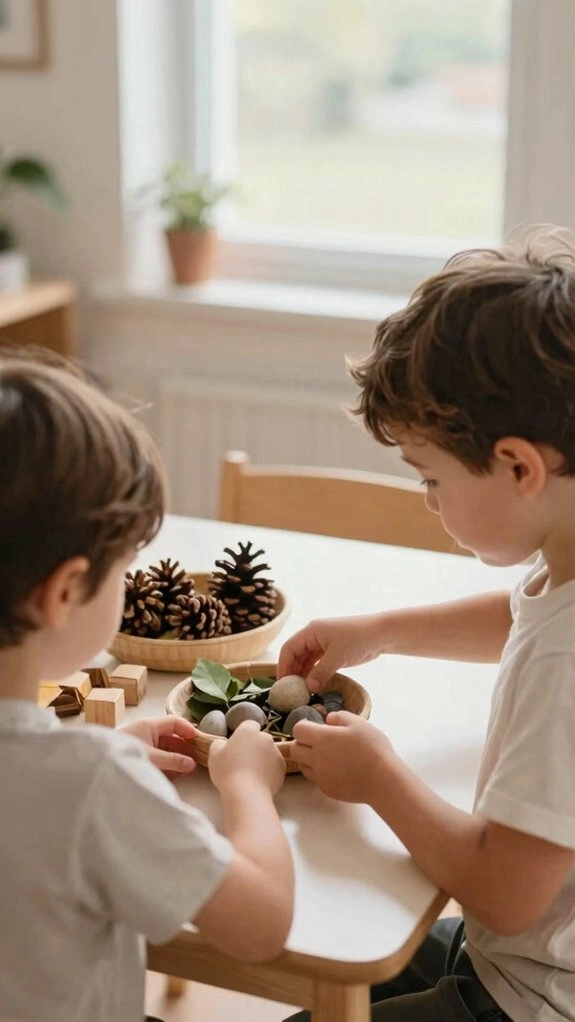
Everyday moments give your preschooler simple chances to practice getting along. Predictable routines help them handle transitions with emotional regulation and confidence.
- Try pretend grocery store games for turn-taking and empathy practice.
- On library walks, encourage waiting, questions, and friendly observations.
- Share family jobs like play-shop math to build communication and cooperation.
- Hold a weekly chat where everyone listens and shares favorite learning moments.
When disagreements arise, guide gentle conflict resolution: name feelings, listen, and choose a fair next step.
These warm, low-pressure experiences help your child feel included and valued. They also strengthen Kindergarten readiness while showing your family that learning together matters.
Organizing a Flexible Learning Space
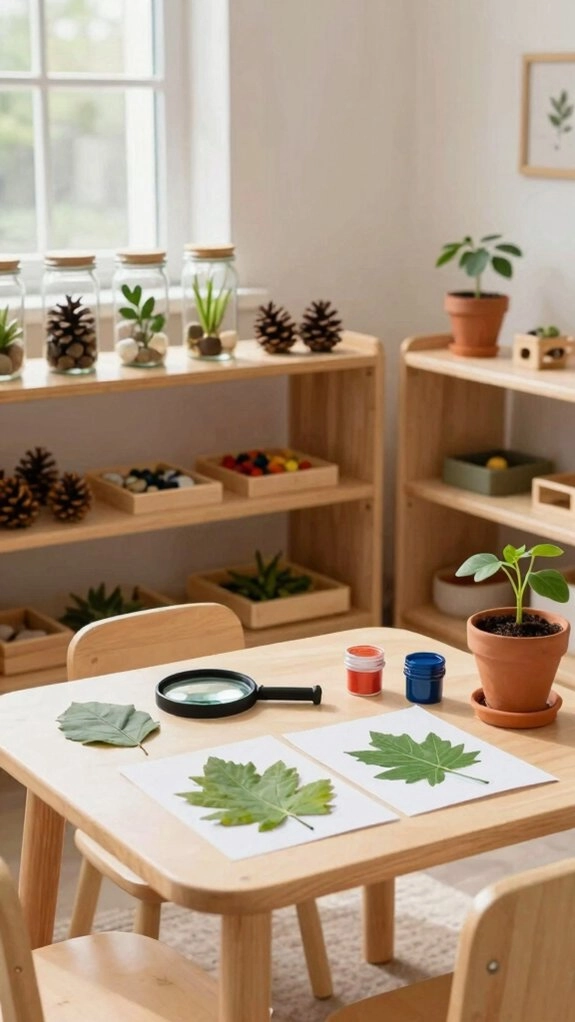
A flexible learning space helps your preschool day feel calm, even when plans change.
Use Storage baskets to hold cubes, playdough, letters, and picture books for easy activity swapping.
Begin with fine-motor play, then move into early math or literacy when your child is ready.
Visual routines in a school basket help everyone know what comes next.
Set up independent stations, including a safe Tinker Station, so curiosity can continue while you work nearby.
Create screen free zones with a cozy corner for a quiet readaloud, blankets, and snacks.
Display finished art proudly.
Your shared space can feel welcoming, organized, and ready for uncovering.
Avoiding Homeschool Burnout
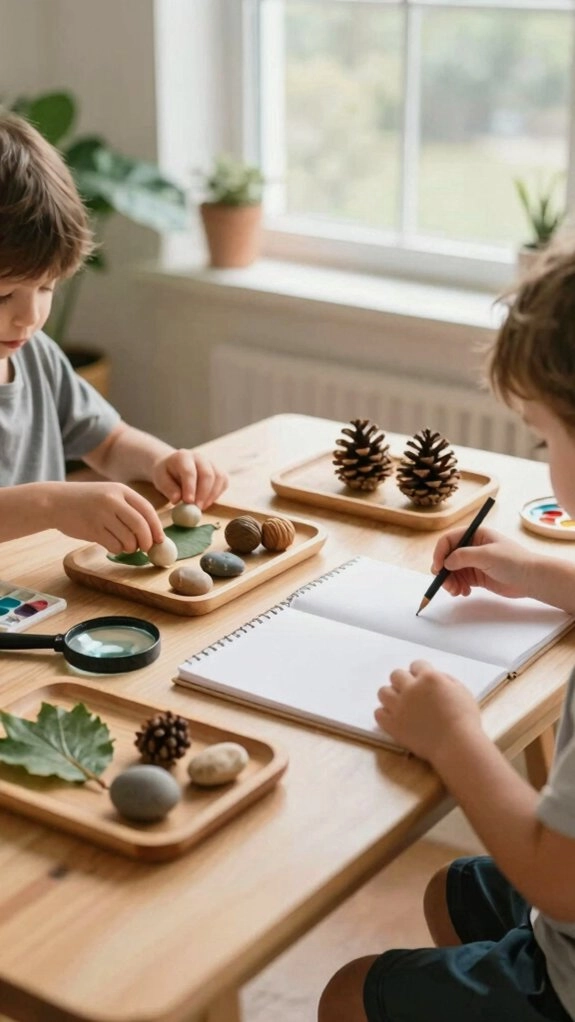
Often, homeschool burnout starts when each day feels like a brand-new plan. You’re not alone. A gentle rhythm protects caregiver bandwidth and cuts daily decision fatigue.
- Repeat a loose order: warm-up, learning, read-aloud, then play.
- Use a routine chart, but flex times when energy changes.
- Choose curiosity over finished worksheets. Try beads, tweezers, or salt-tray letters.
- Keep easy backups ready, like wiggle breaks, treasure hunts, or sound games.
End with a screen-free shutdown hour for reading, drawing, or talking. You’ll recover, your child will feel secure, and tomorrow can begin with more calm and wonder.