How Outdoor Learning Supports Child Development
- How Outdoor Learning Supports Child Development
- Key Takeaways
- Why Children Learn Differently Outdoors
- Outdoor Play and Physical Development
- Nature and Attention
- How Outdoor Experiences Support Language Development
- The Connection Between Nature and Creativity
- Risk, Exploration, and Problem-Solving
- Creating Meaningful Outdoor Learning Opportunities
Outdoor learning helps you grow stronger, calmer, and more curious. You run, climb, jump, and balance, which builds coordination and confidence. Nature’s softer sounds and open spaces can help you focus and manage big feelings. On walks, you can name a worm, describe an acorn, or share ideas with friends. Drawing, building, and safely testing limits grow creativity and problem-solving skills. Keep exploring to uncover simple ways outdoor experiences can support your learning every day.
Key Takeaways
- Outdoor learning strengthens gross motor skills through running, climbing, balancing, jumping, and other whole-body movement.
- Natural settings support attention and emotional regulation by offering calmer sensory experiences, mindful breaks, and space to reset.
- Hands-on exploration builds curiosity, observation, and problem-solving as children test ideas, adapt plans, and try again.
- Outdoor walks and play expand language skills through naming discoveries, describing observations, asking questions, and sharing stories.
- Creative outdoor activities encourage imagination, confidence, and safe risk-taking with supportive adults nearby.
Why Children Learn Differently Outdoors
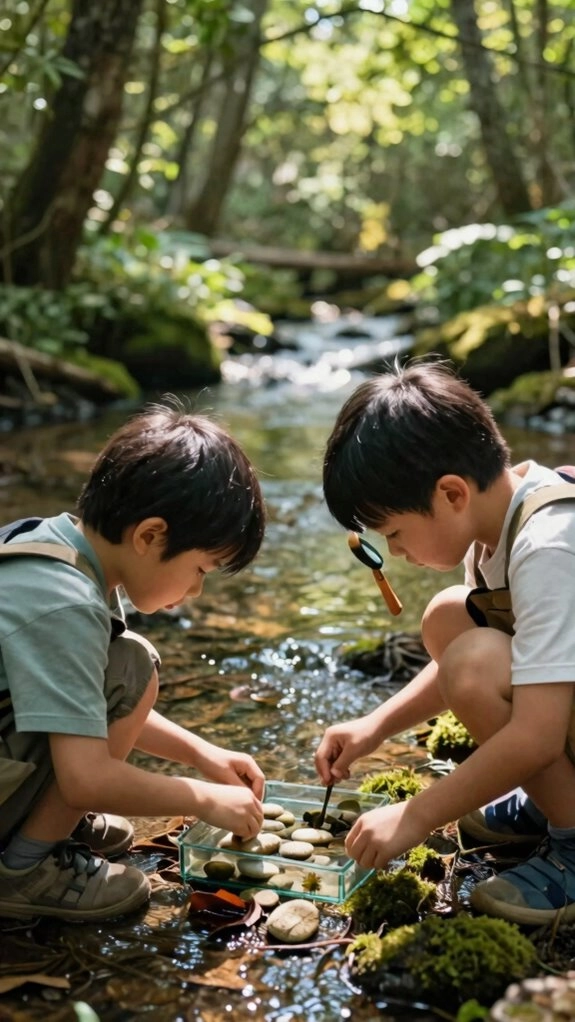
Outside, learning feels different because your brain and body stay active together. Natural sights and softer sounds can help you feel calm, clear, and ready to notice new ideas.
Sensory learning happens when you search textures, colors, and changing weather with curiosity. You also practice emotional regulation when plans change or you need to wait your turn.
During open-ended investigations, peer collaboration helps you share choices, solve problems, and include others. With a trusted adult nearby, you can try age-appropriate challenges and make decisions.
Guided play lets adults ask thoughtful questions or offer materials while children remain in charge of their exploration.
Each success supports confidence building, independence, and a sense that you belong in the learning community.
Outdoor Play and Physical Development
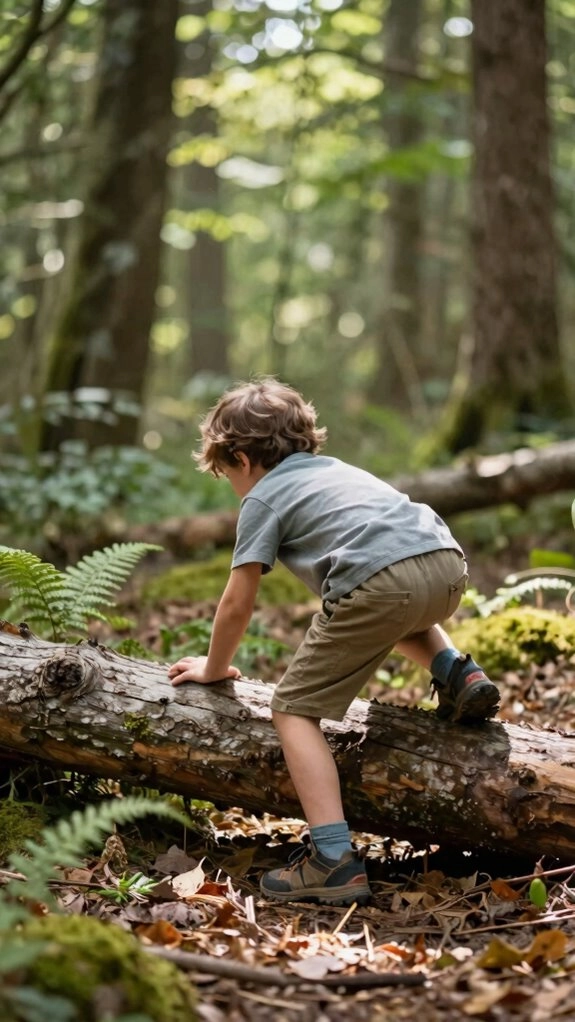
When you play outdoors, your whole body gets a chance to learn. Running, climbing, jumping, and balancing support gross motor growth.
These adventures build coordination skills, strength building, and balanced movement.
You can test what your body can do while caring adults help you stay safe.
Each new challenge helps you feel capable and included in the fun.
Toddlers need daily active playtime, including guided activity and free play.
Outdoor games can also bring sleep improvement, helping you rest better at night.
Moving often supports healthy growth and can help families build healthy habits every day with joy.
Try animal walk actions, such as bear crawls and frog hops, to build coordination and strength through play.
Nature and Attention
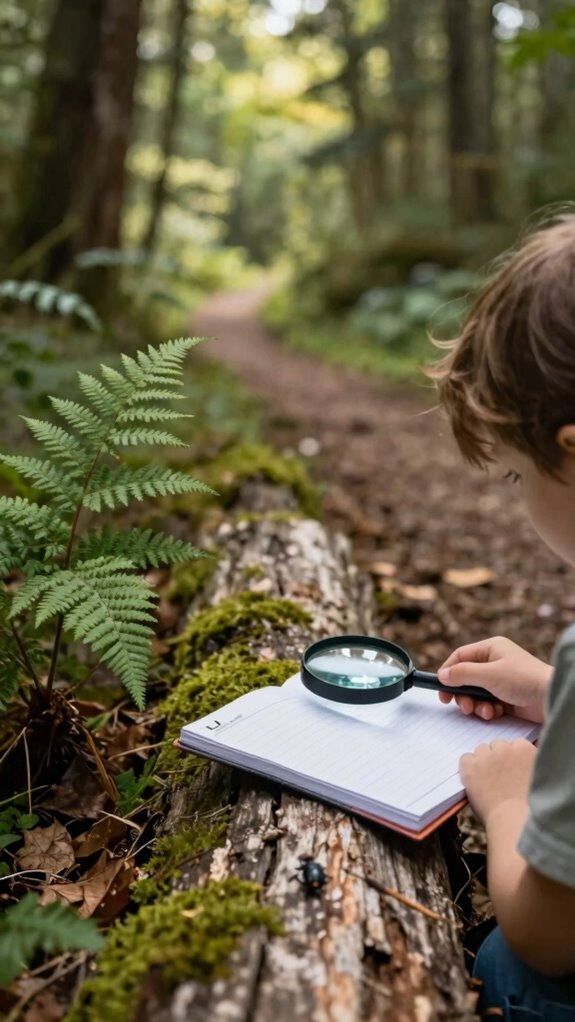
Nature gives your mind a helpful break after all that active play. Trees, open sky, and quieter spaces offer sensory calm, while Mindful breathing helps you settle.
This distraction reduction lets you stay with your class and tasks longer. Short focus sprints with quick movement or water breaks can help you practice staying with a task. Running, climbing, and balancing prepare your brain for focus support, smoother choices, and easier *transits*.
When you feel calm, you can join others and learn together. Outdoor play may also help you sleep better at night.
With more rest, your attention can feel stronger during the school day. You belong in this calm, curious learning space with friends nearby.
How Outdoor Experiences Support Language Development
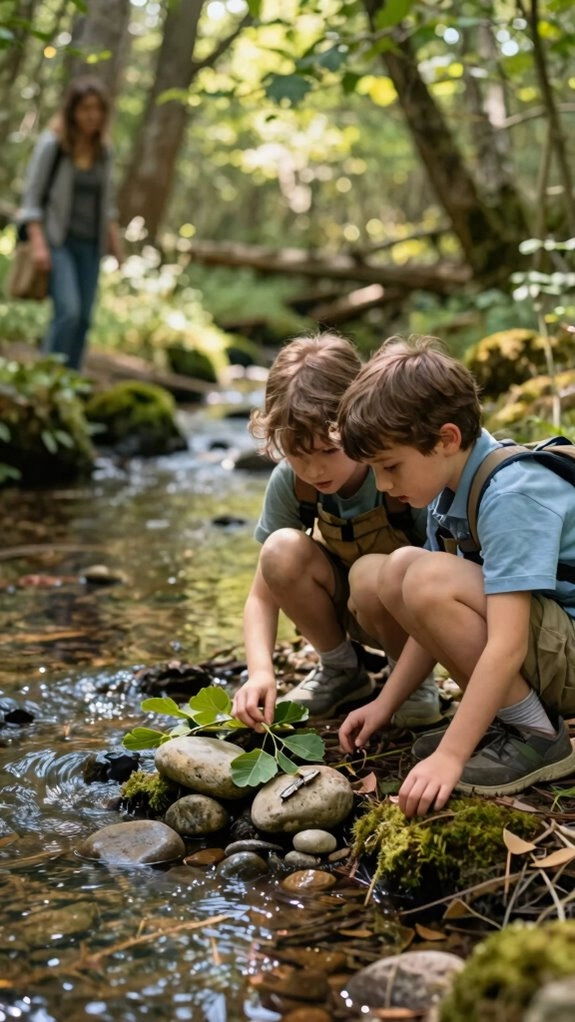
A walk outdoors gives you real things to notice, name, and share. You might say, “I found a worm!” or ask what grows from a seed. Your outdoor observations help everyone join the conversation. You practice explaining, listening, and taking turns while solving problems together.
| You notice | You can say | You can do |
|---|---|---|
| Acorn | “It’s smooth.” | Ask questions |
| Seedling | “It grew!” | Tell its story |
| Worm | “It wiggles.” | Draw with chalk |
Storytelling prompts from books such as *The Carrot Seed* help you connect pictures, words, and experiences. When you stay involved outside, your ideas grow clearer each day with friends too. You can also describe tiny air bubbles when you notice foam, puddles, or clouds outdoors.
The Connection Between Nature and Creativity
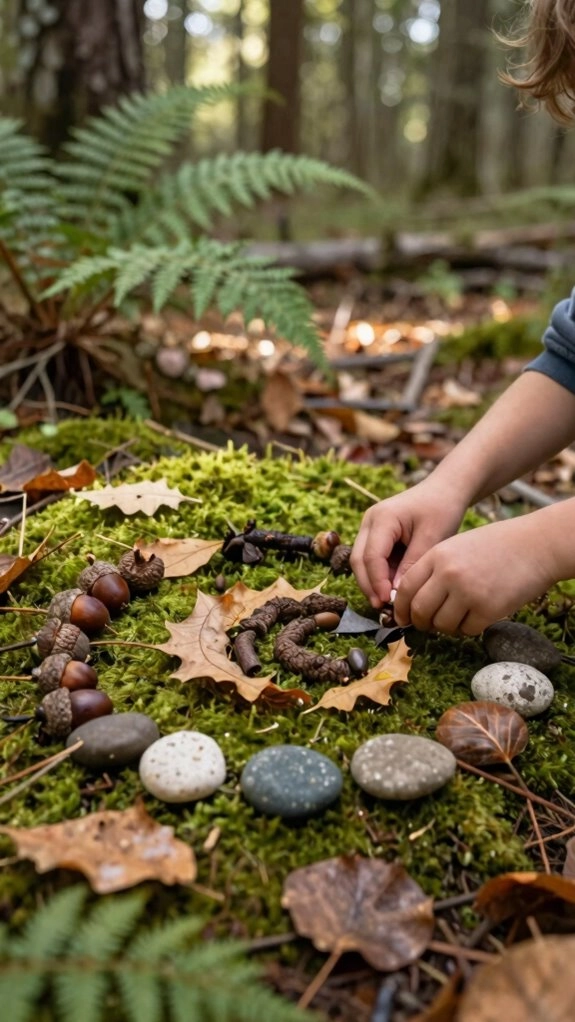
Outside, you can turn ordinary findings into brand-new ideas. When you notice rain on leaves or worms in grass, your Sensory imagination wakes up. You belong in this shared world of textures, sounds, and colors.
Try these creative moments:
- Draw winding paths with sidewalk chalk.
- Paint pavement with water and big brushes.
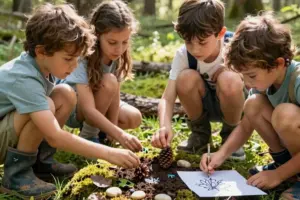
- Arrange pinecones, rocks, and leaves into a proud display.
- Give your collection a character and begin story building.
Nature becomes your canvas. Each splash, pattern, and uncovering can anchor a new picture or tale. Your ideas matter, and the outdoors gives them room to shine. Nature journaling can help you notice tiny details and turn your observations into creative stories.
Risk, Exploration, and Problem-Solving
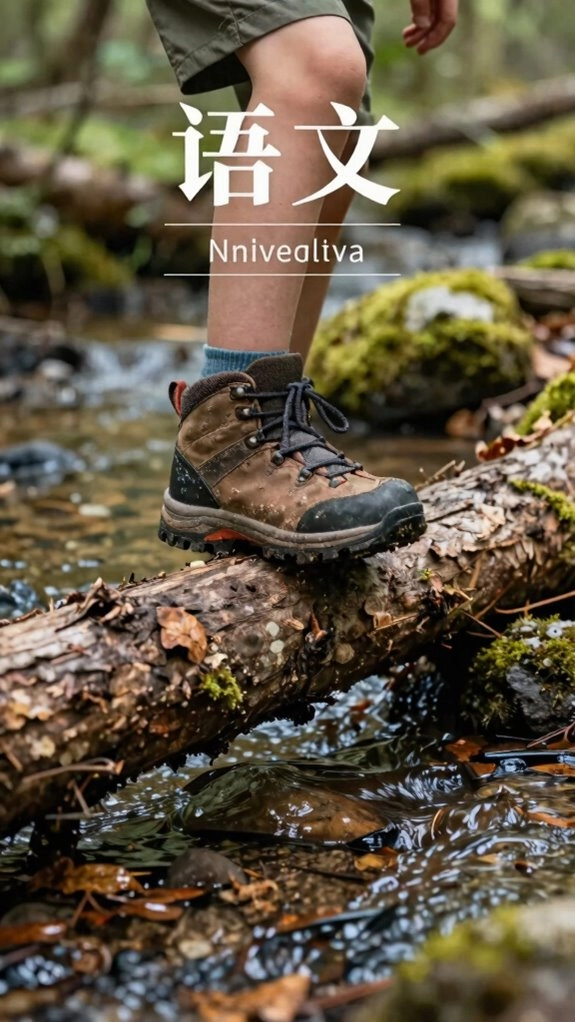
When you climb a little higher or jump a little farther, you learn what you can do. With a trusted adult nearby, you can test safe limits and build confidence.
You might pause, regroup, and try again when a challenge feels big.
Sensory discovery helps you notice a robin searching grass or water changing sand. Those observations spark questions and solutions.
During Imagination trials, you test ideas, adjust plans, and share roles.
You and your friends take turns, help after small slips, and celebrate progress.
Together, you learn that exploration strengthens your thinking, self-control, and place in the group.
Creating Meaningful Outdoor Learning Opportunities
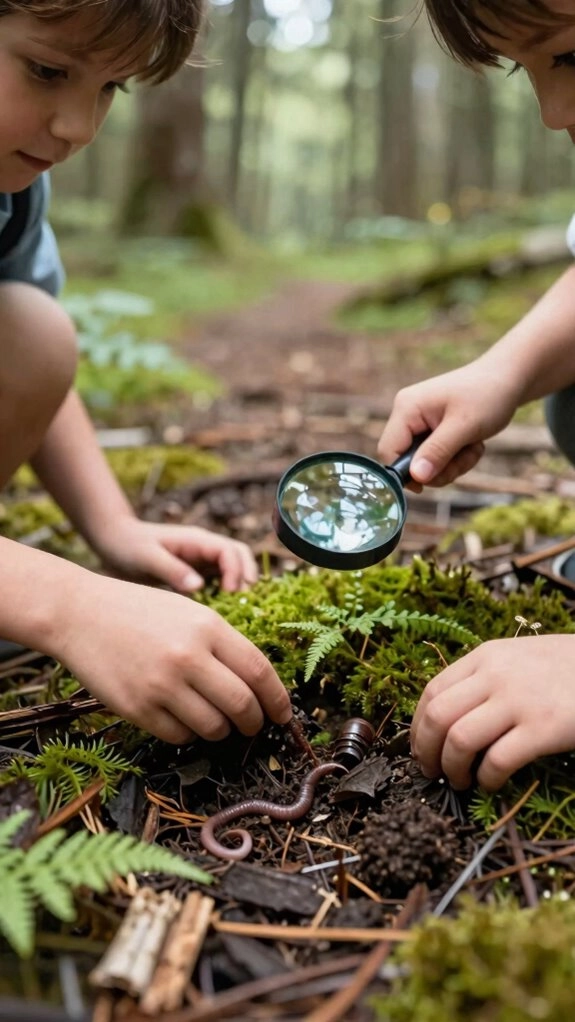
Great outdoor learning starts with the questions you notice during play. You can turn an Acorn inquiry into a shared adventure by tracking sprouts over months. Build belonging when everyone’s ideas guide the next step.
- Offer guided goals and free play each day.
- Give toddlers 30 minutes structured movement and 60 minutes supervised open outdoor time.
- Extend class learning with water play chalk marks and sorted leaves rocks or pinecones.
- Take photos or videos and invite family storytelling.
You’ll show children their findings matter and bring home and school closer. Their wonder can help your whole community feel connected.