
What the Battle of Britain Changed About Modern Warfare
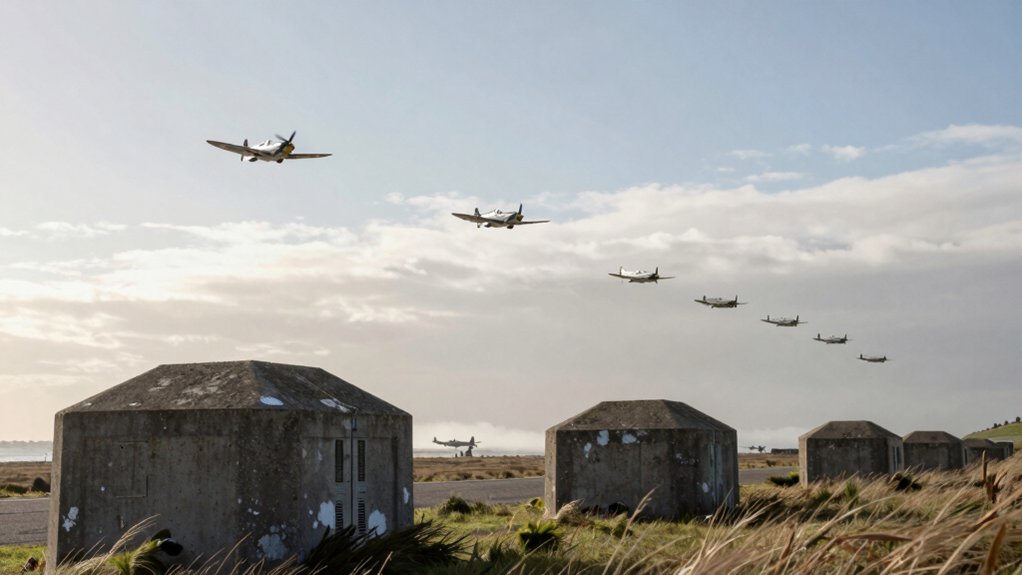
- What the Battle of Britain Changed About Modern Warfare
- Key Takeaways
- What the Battle of Britain Changed About Warfare
- Why the Battle of Britain Mattered in 1940
- Britain’s Air Defence
- Turning Point in War
- How Britain’s Air Defenses Held the Line
- RAF Fighter Command
- Chain Home Radar
- The Few Hold Fast
- What the Luftwaffe Wanted to Achieve
- How the Battle of Britain Shifted by Phase
- Why Air Superiority Became the New Goal
- Winning The Skies
- Air Superiority Matters
- Beyond Ground Battle
- The Dowding System and Air Defense
- How Intelligence Helped the RAF Respond
- Intelligence Networks
- Radar Warning System
- Early Threat Detection
- The Human Cost of the Battle of Britain
- Why “The Few” Became a National Symbol
- How the Battle of Britain Changed Invasion Plans
- Luftwaffe Air Superiority Failed
- Sea Lion Delayed And Cancelled
- How the Battle of Britain Influenced Allied Strategy
- How Science and Industry Supported the Battle of Britain
- Why Aircrew Training Mattered More Than Numbers
- Battle of Britain Day and Its Meaning
- How the Battle of Britain Reshaped Air Power
- Battle of Britain Lessons for Modern Air Policing
- Why the Battle of Britain Still Matters Today
The Battle of Britain changed modern warfare by showing you could win with radar, teamwork, and fast control. Britain’s radar stations and observer posts spotted raids early. Then Fighter Command sent Spitfires and Hurricanes to the right place quickly. This stopped the Luftwaffe from gaining air superiority and helped block invasion plans. It also proved that strong communication and readiness matter as much as weapons, and there’s even more to uncover next.
Key Takeaways
- Radar and observer networks showed modern warfare depended on early warning and rapid command, not just aircraft numbers.
- Integrated control centers proved defenders could direct fighters quickly and efficiently across large air spaces.
- The Battle of Britain made air superiority a decisive strategic goal in modern war.
- Teamwork between pilots, ground crews, and intelligence services became essential for sustained combat effectiveness.
- The RAF’s success demonstrated that resilient air defence could stop invasion and change the course of a war.
What the Battle of Britain Changed About Warfare
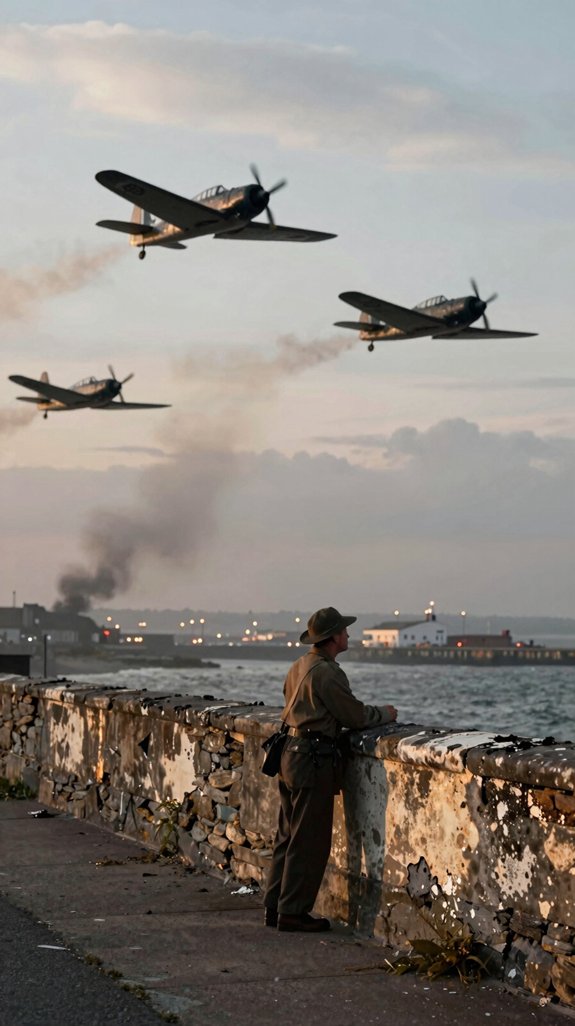
Although Britain didn’t win the Battle of Britain by controlling all the skies, it changed war forever.
You can see that air strategy now needs teamwork, not just bigger planes.
Radar, observers, and Fighter Command worked together to guide pilots fast.
That system beat stronger attacks because it kept reacting.
Attrition theory also mattered.
Britain kept flying, repairing, and replacing aircraft and aircrew.
Spitfires and Hurricanes gave steady pressure.
You learn that modern air combat can shift targets and still stay effective.
This battle taught you that smart systems and grit can outlast force.
Why the Battle of Britain Mattered in 1940
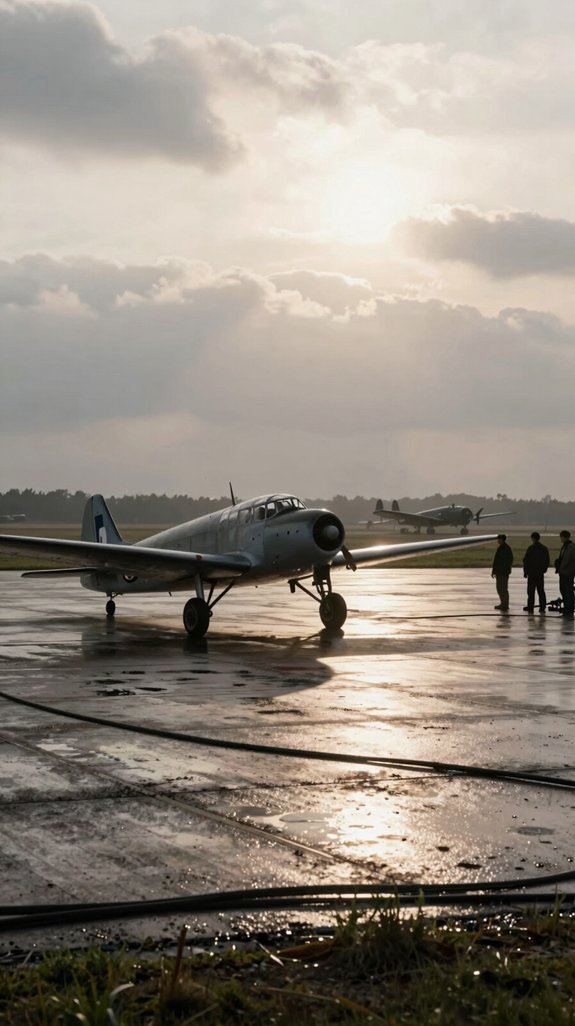
In 1940, you saw Britain’s air defense stand as the first big test of strength alone.
The RAF and Fleet Air Arm stopped Germany from winning the skies, so invasion plans lost their chance.
That victory showed you Britain could keep fighting, and it marked a real turning point in the war.
Britain’s Air Defence
Because Britain had built a strong air defence network, the Battle of Britain became a turning point in 1940. You can see its Code of resilience in radar stations, observer reports, and quick fighter control. This decentralized command helped Spitfires and Hurricanes reach the right place fast.
When German planes came in July and August, they first hit ships and ports, then airfields. Britain’s defense kept working.
On 15 September, the RAF fought back hard and held firm. You belong with this story of courage. Their air shield stopped defeat and changed war forever.
Turning Point in War
When Germany tried to break Britain in 1940, the Battle of Britain became a make-or-break moment. You can see why it mattered so much.
The RAF stopped the Luftwaffe from winning the sky, so Hitler lost his chance to invade.
After the huge fight on 15 September, Britain held firm. That kept Operation Sea Lion from moving ahead.
It also gave you and others an Allied morale boost after France fell.
Britain stayed in the war, and the world saw it wouldn’t give up.
This battle became a real turning point in war for everyone.
How Britain’s Air Defenses Held the Line
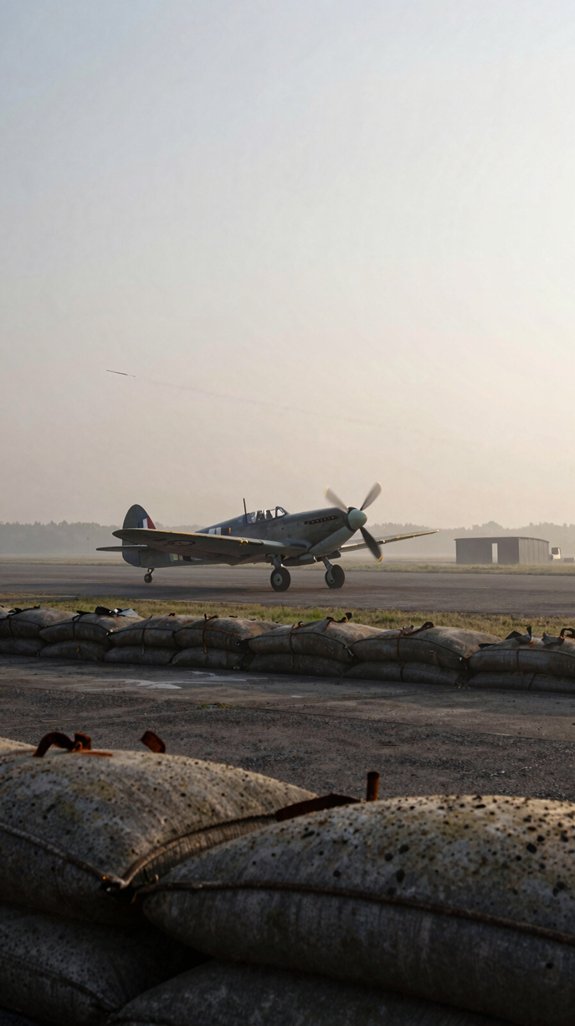
You can see how Britain held the line through RAF Fighter Command and Chain Home radar.
These tools helped spot raids fast and send fighters where they were needed most.
The Few kept flying back into danger, and their courage helped stop the Luftwaffe.
RAF Fighter Command
RAF Fighter Command held Britain’s sky by using smart teamwork, not luck alone. You can see how radar integration and command control helped squads race to the right place fast.
During the Battle of Britain, they joined observer reports with central direction and guided fighters where danger rose.
On 15 September, they met the biggest daylight raid and pushed it back. That victory hurt the Luftwaffe and slowed Hitler’s plans.
You should also remember the cost: many brave aircrew and ground staff died.
Still, their effort showed that layered defense can keep a nation standing together.
Chain Home Radar
Britain’s air defense line had a secret weapon before many people even knew it was there: Chain Home radar. You’d hear planes coming before you saw them. That early warning let RAF crews scramble fast.
| Signal | Action |
|---|---|
| Radar ping | Spot raids early |
| Observer report | Confirm direction |
| Fighter Control Systems | Choose targets |
| Airfields threatened | Keep fighters ready |
| Teamwork | Hold the line |
With Chain Home Radar, you joined a smarter defense. Reports flowed into one command system, so fighters flew where needed. Even when enemy numbers were higher, Britain kept eyes on the sky and confidence alive.
The Few Hold Fast
When the Battle of Britain grew fiercest, Britain’s air defenses held firm and refused to break.
You can see how radar, observers, and command worked as one team.
They sent Spitfires and Hurricanes right where danger came.
Day after day, RAF pilots flew many sorties and kept the line.
Their sortie endurance mattered as much as their skill.
Ground crews also showed airframe resilience by repairing damaged planes fast.
On 15 September, they stopped the biggest assault and shocked the Luftwaffe.
By October, they’d saved Britain’s skies and delayed invasion.
You belong to this story of courage.
What the Luftwaffe Wanted to Achieve
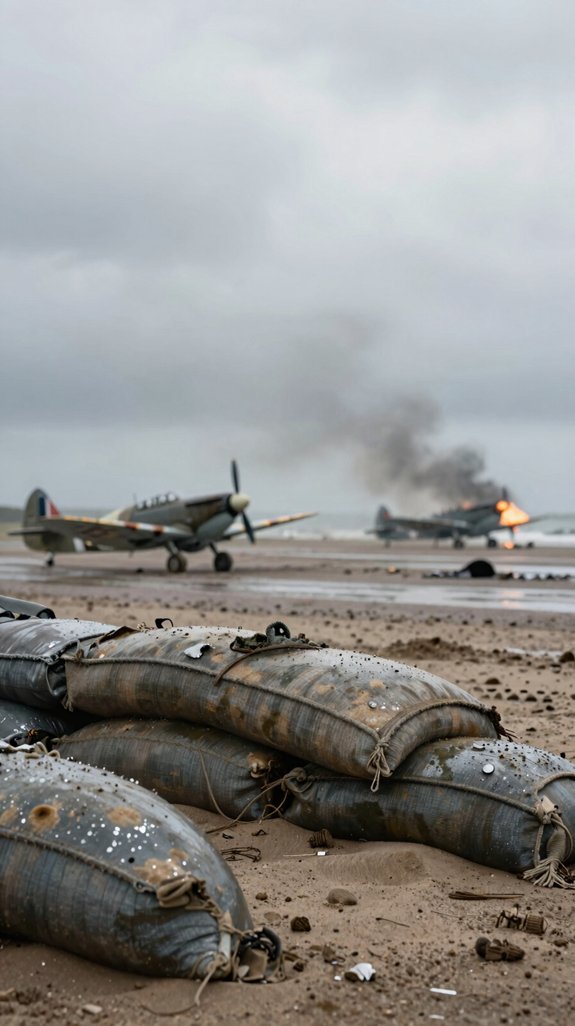
In 1940, the Luftwaffe hoped to make Britain give up without a land invasion. You can see its negotiated peace aims clearly: break the RAF, then force talks. Its RAF incapacitation focus started with a sea and air blockade, hitting convoys and ports.
- First, it tried to starve Britain of supplies.
- Then it bombed airfields and key bases.
- Later, it struck factories and industry.
On 1 August, it chased air superiority over the RAF. By September, it wanted to crush resistance in the skies, but it failed.
How the Battle of Britain Shifted by Phase
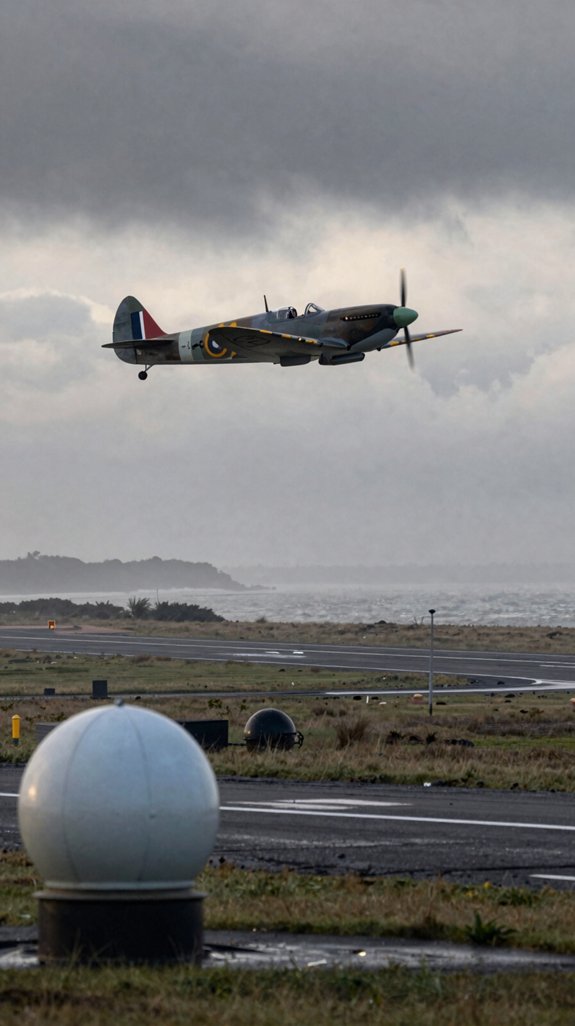
At first, the Battle of Britain was about ships and supply lines. You can see phase targeting shifts as the Luftwaffe first hit coastal convoys and ports.
Then its operational priorities changed, and RAF airfield pressure grew fast.
After that, the Luftwaffe campaign escalation widened to factories and other key sites.
By September, the attacks turned toward London and major cities, with daylight raids reaching a peak on 15 September.
At night, the Blitz continued.
You watched the battle move step by step, and RAF resistance kept Britain standing together.
Why Air Superiority Became the New Goal
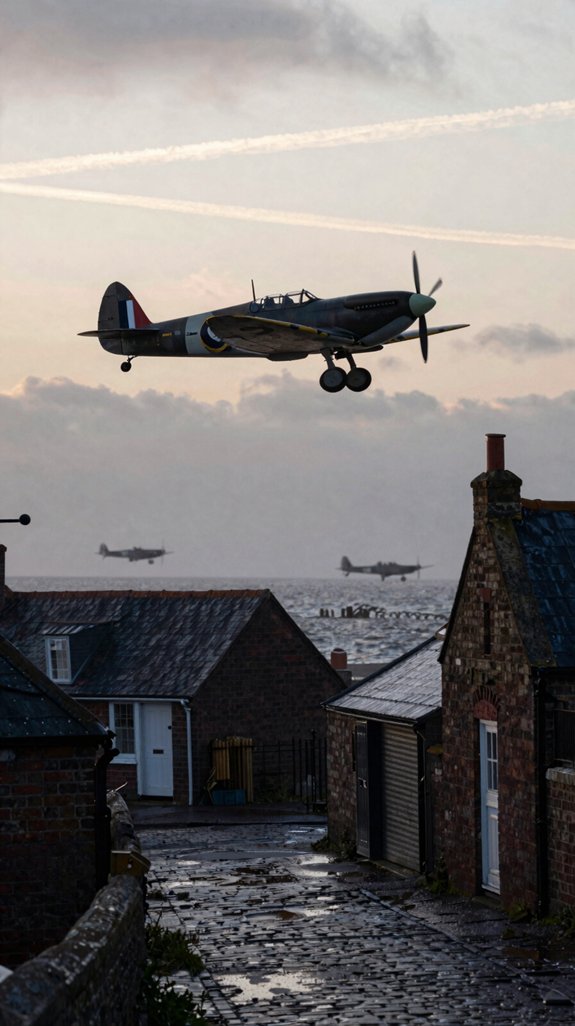
You can see why winning the skies became the new goal after the Luftwaffe failed to break the RAF.
If you couldn’t control the air, you couldn’t stop RAF fighters or launch a safe invasion.
That’s why air superiority mattered so much before any ground or sea attack could work.
Winning The Skies
When Britain faced invasion in 1940, winning the skies became the real prize. You can see why: if the Luftwaffe ruled the air, an invasion could follow.
Hitler first targeted RAF Fighter Command, then shifted to airfields and support sites.
Britain fought back with:
- Radar coverage to spot raids early
- Fighter coordination, so pilots met threats fast
- Ground observers who filled the gaps
This team system let defenders place fighters where needed. The Luftwaffe couldn’t break that shield. So the RAF kept the air open, and the planned invasion faded.
You belonged to a nation that refused surrender.
Air Superiority Matters
Air superiority became the new goal because the Battle of Britain proved the sky could decide a war. You can see why Germany changed plans in August 1940.
Hitler wanted the Luftwaffe to beat RAF Fighter Command first. If you lose control of the air, invasion plans can’t move ahead.
On Battle of Britain Day, RAF pilots pushed back huge attacks and showed strong defense.
That lesson changed modern warfare for you and your allies. It made fighter bomber tactics and pilot training matter more. It also showed that radar, airfields, and fighters must work together to keep the skies safe.
Beyond Ground Battle
Because of the Battle of Britain, generals learned that winning wasn’t just about taking land. You needed the sky first. If you lost control of the air, your ships, troops, and Coastal Commerce all stayed exposed. That’s why Naval Interdiction and bombing raids aimed to crush RAF Fighter Command, radar, and airfields.
- Air strength could stop an invasion before it started.
- Radar and pilots worked together as one defense team.
- Heavy losses turned bold plans into costly stalemates.
You can see the shift: modern war now asked who could keep flying longest, not just who could march farther.
The Dowding System and Air Defense
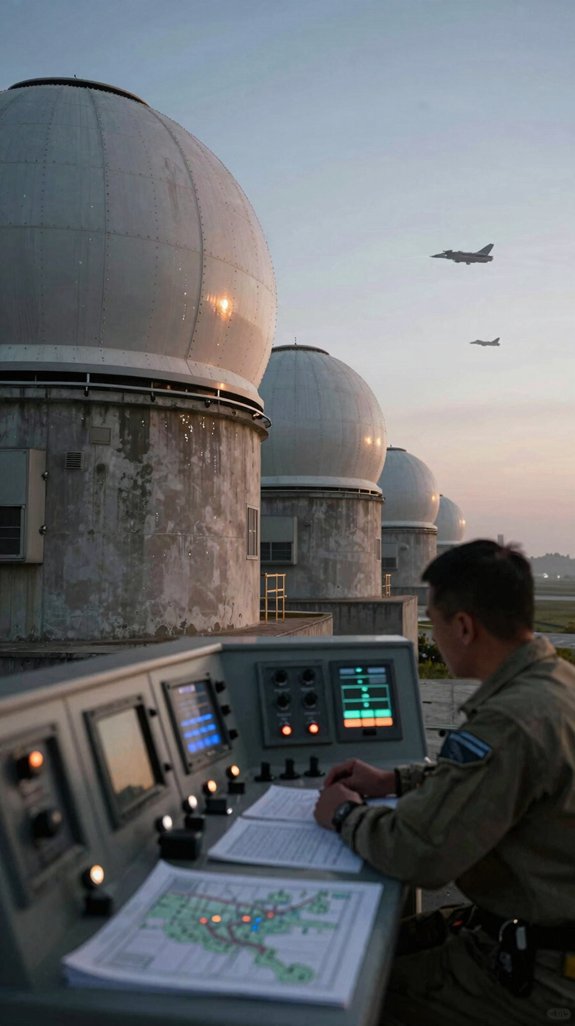
While German bombers headed for Britain, the RAF used a clever shield called the Dowding System. You can picture it as a team effort that made everyone stronger.
| Part | Job | Result |
|---|---|---|
| Radar | Spotted raids | Early warning |
| Observer corps | Checked sightings | Better reports |
| Command rooms | Chose targets | Fast action |
| Fighter squadrons | Intercepted bombers | Fewer wasted sorties |
| Communications | Linked it all | Real advantage |
This network supported Civilian resilience and Strategic logistics. You belong to this story too, because clear teamwork helped protect towns. The RAF didn’t just fly fighters. It guided them with skill, speed, and trust.
How Intelligence Helped the RAF Respond
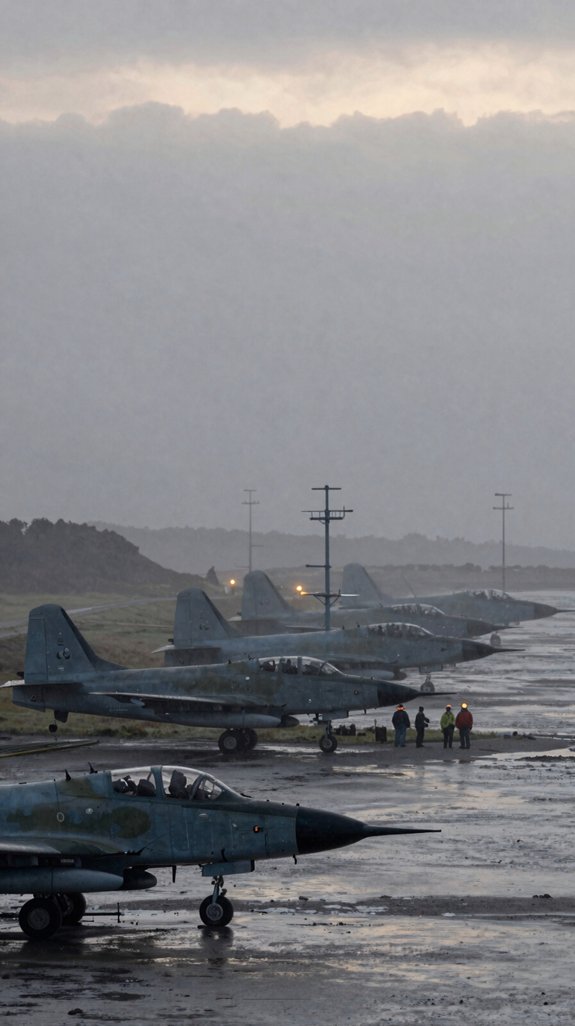
You can see how the RAF used radar, observers, and command posts to spot raids fast. This network helped you understand where German planes were heading and when they’d arrive. With early warning, the RAF could send fighters up quickly and meet each attack with strong, smart defense.
Intelligence Networks
The RAF didn’t just fight with brave pilots and fast planes. You were part of a team that used intelligence networks to stay ahead. With combined threat analysis, Fighter Command raised decision making tempo and sent squadrons where raids entered British airspace.
- Radar crews and Observer Corps members shared quick reports.
- Cipher decrypts warned leaders that invasion plans were growing real.
- Overseas pilots and ground staff helped turn alerts into action.
This meant you weren’t flying blind. You’d a clear picture by day and night.
That teamwork helped the RAF stop the Luftwaffe from winning the skies.
Radar Warning System
Radar changed how the RAF fought back during the Battle of Britain. You can see how signals intelligence from Chain Home and the Observer Corps fed Fighter Command with the enemy’s height, direction, and size.
This gave Air Chief Marshal Hugh Dowding the authority to send Spitfires and Hurricanes where they were needed most. That’s decentralized command in action.
As raids grew in August 1940, the RAF could scramble fast and hold key airfields.
The system worked like modern counter UAS detection and distributed sensor networks. It helped Britain stay ready, together, and strong.
Early Threat Detection
Because the RAF could spot danger early, it could react before the Luftwaffe struck hard.
You can see how this teamwork built trust and speed. Chain Home radar, observer reports, and Hugh Dowding’s command gave the RAF Target Intelligence fast enough to scramble fighters.
- Spitfires and Hurricanes moved where needed.
- Airpower Doctrine became more linked to shared warning.
- The network adjusted as raids shifted from ports to airfields.
The Human Cost of the Battle of Britain
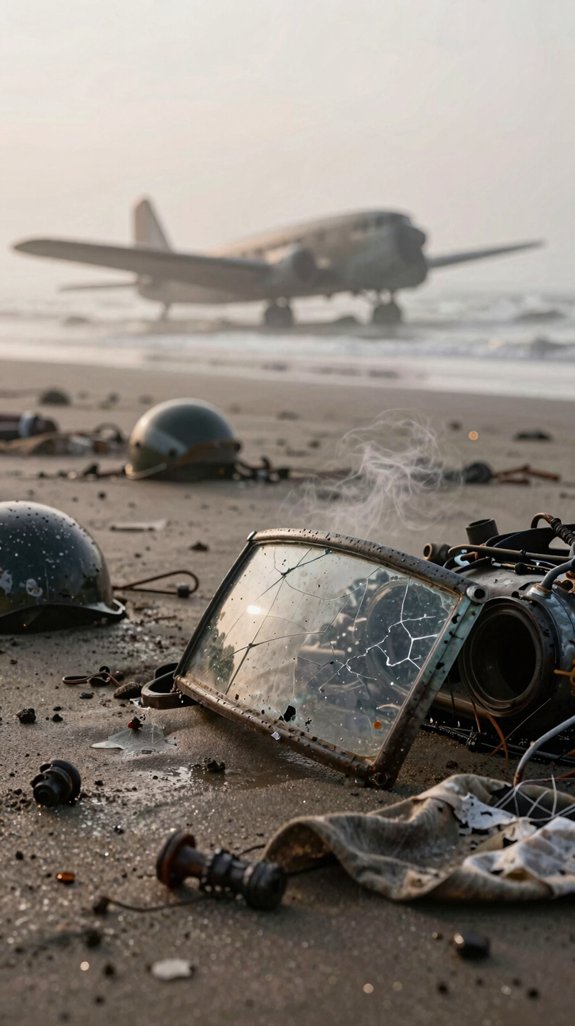
Britain’s sky defense came with a painful human cost.
You can see personal sacrifice in every sortie.
From July to October 1940, more than 500 RAF pilots and crew died, many still teenagers.
On Battle of Britain Day, 544 aircrew and 312 ground personnel were killed.
You should also remember radar teams and ground crews, because they kept stations working under attack.
Airmen from Poland, Czechoslovakia, Canada, and other nations stood with Britain too.
Their courage showed civilian resilience and shared duty.
You belong to this story when you honor their sacrifice.
Why “The Few” Became a National Symbol
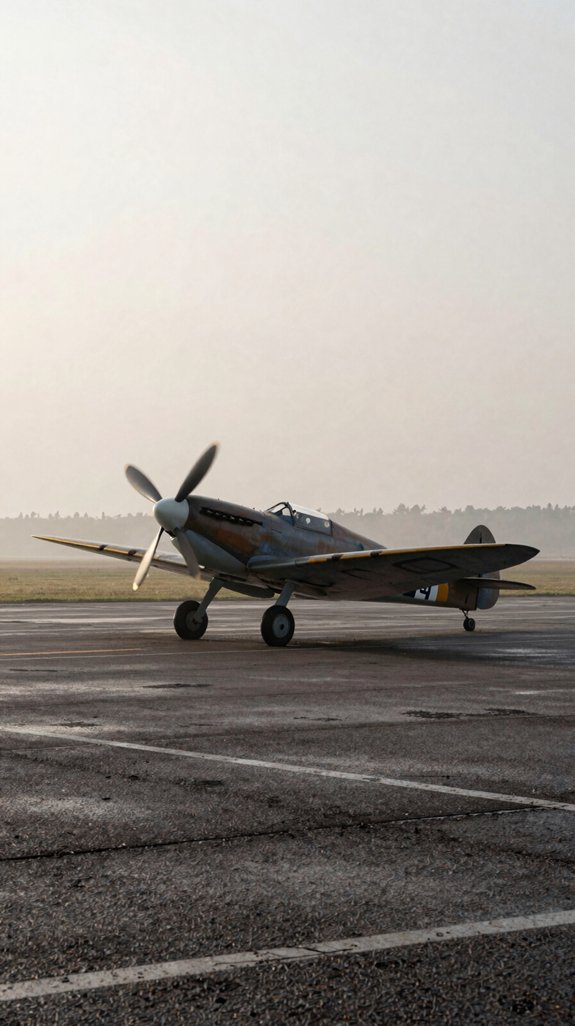
When people talked about the Battle of Britain, they called the fighter pilots “The Few.” This name stuck because only about 2,945 RAF aircrew faced the Luftwaffe in daylight from July to October 1940. You can see why it became a symbol of belonging.
- They showed skill under huge pressure.
- Their sacrifice lifted Aircrew morale across Britain.
- National mythmaking turned their story into shared pride.
The phrase “so much owed by so many to so few” made them famous. On Battle of Britain Day, you remember their courage and the young lives behind it.
How the Battle of Britain Changed Invasion Plans
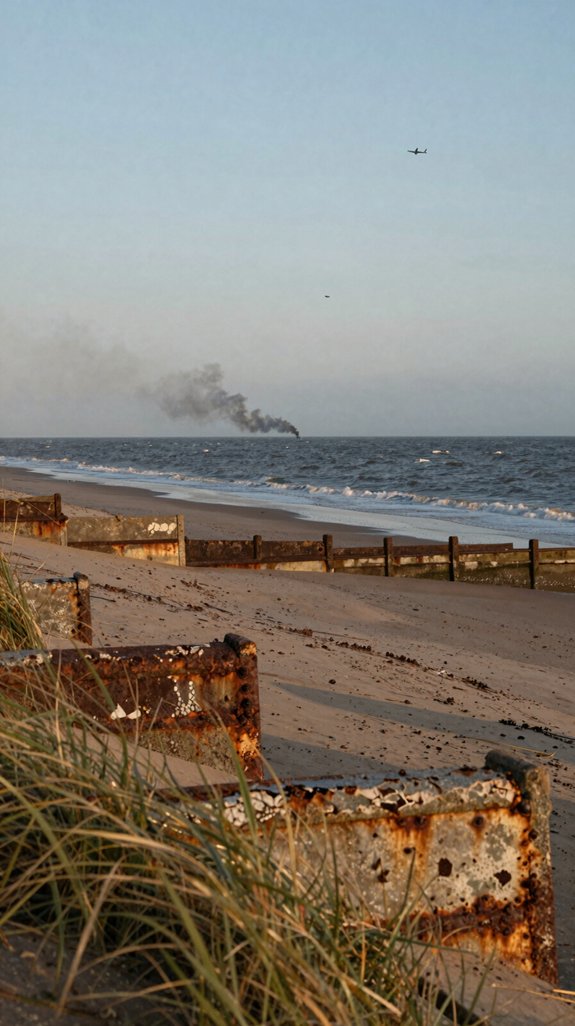
You can see how the Battle of Britain changed Hitler’s invasion plans.
When the Luftwaffe failed to win air superiority, Operation Sea Lion was pushed back and then canceled.
That meant Britain’s skies stayed protected, and a German landing became much harder to pull off.
Luftwaffe Air Superiority Failed
Because the Luftwaffe failed to win the skies, Germany’s invasion plans quickly ran into trouble. You can see why. No unified command slowed German strikes, and radar deception tactics kept RAF fighters in the fight.
Hitler had wanted air cover for an invasion force, but that never came.
- The RAF kept control over British airspace.
- The September 15 assault failed to break Fighter Command.
- German leaders lost confidence in Sea Lion plans.
Sea Lion Delayed And Cancelled
After the RAF held firm, Hitler’s invasion plan ran into serious trouble. You can see why Sea Lion stalled. Germany needed air superiority before any landing could work.
But the Luftwaffe couldn’t break RAF Fighter Command, even with hard daylight raids. On 15 September 1940, heavy losses hit both sides, and Hitler delayed the attack.
That meant German air strategy lost its edge, and operational logistics for an invasion fell apart. Without safe skies, ships and troops stayed back.
Soon, Sea Lion was cancelled, and Britain’s invasion threat faded. You helped see how one battle changed the whole plan.
How the Battle of Britain Influenced Allied Strategy
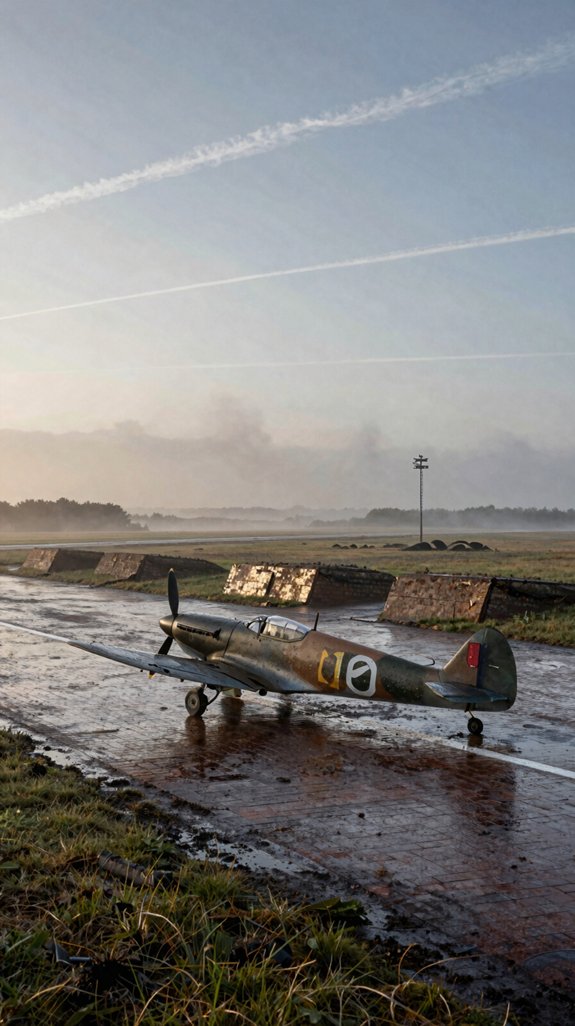
The Battle of Britain changed how the Allies thought about war in a big way. You can see them shift toward air defense first, not last.
They learned that a network of radar, observers, and command could wear down a stronger enemy. That pushed you and other Allies to plan together.
- assimilated logistics helped keep fighters ready
- airbase resilience mattered during the Blitz
- radar interoperability and pilot rotation policy kept the team strong
The fight also showed that air superiority came before bigger attacks. Since pilots came from many nations, you got a model for shared strength and real belonging.
How Science and Industry Supported the Battle of Britain
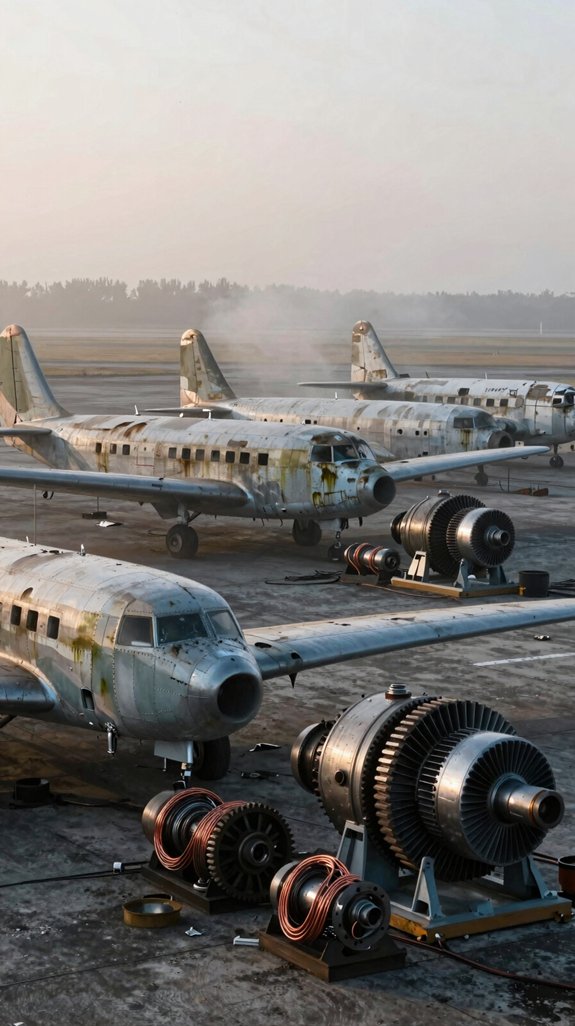
In 1940, science and industry became Britain’s hidden shield in the skies. You can see it in radar, observer posts, and quick command links that guided RAF fighters. This was Air Force Doctrine in action, using information fast.
When German raids hit ports and shipping, Civil Defense helped protect factories, docks, and supply lines.
Engineers built reliable planes in growing numbers, so Britain could replace losses and keep flying.
Workshops across the UK and overseas joined the effort.
Together, these systems helped you and your nation stand strong, even when the Luftwaffe kept coming back.
Why Aircrew Training Mattered More Than Numbers
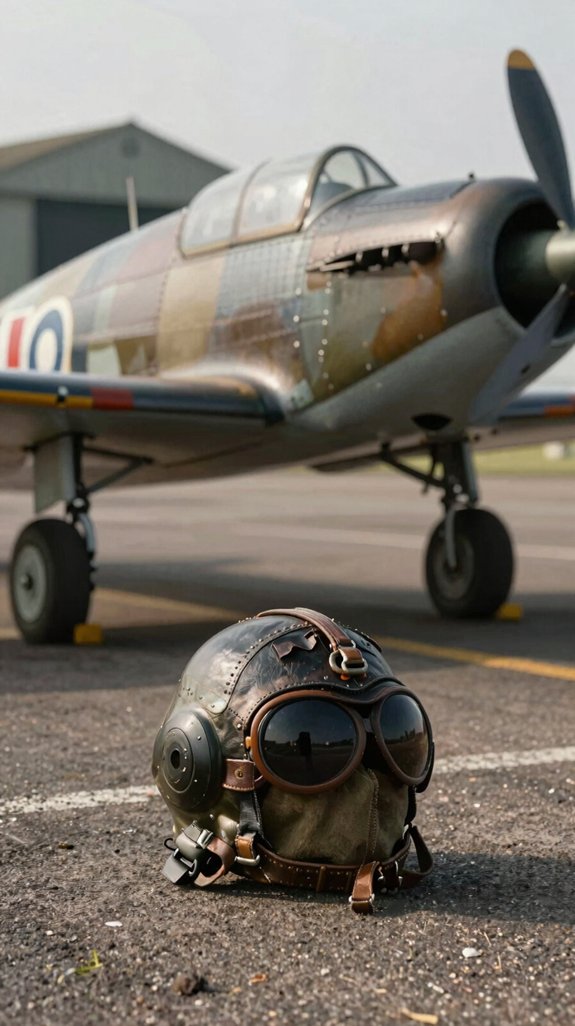
Science and industry gave Britain the tools, but trained aircrew gave those tools real might. You can see why numbers alone didn’t decide the fight. RAF crews flew many sorties each day, and their Training tempo built quick reflexes.
They learned to trust radar calls and turn fast.
- You needed sharp formation discipline to stay alive.
- You’d to repeat intercepts until they felt natural.
- You’d to adjust when raids shifted from ships to airfields.
With skill, the “Few” became a team that could keep fighting. That’s why readiness mattered more than count.
Battle of Britain Day and Its Meaning
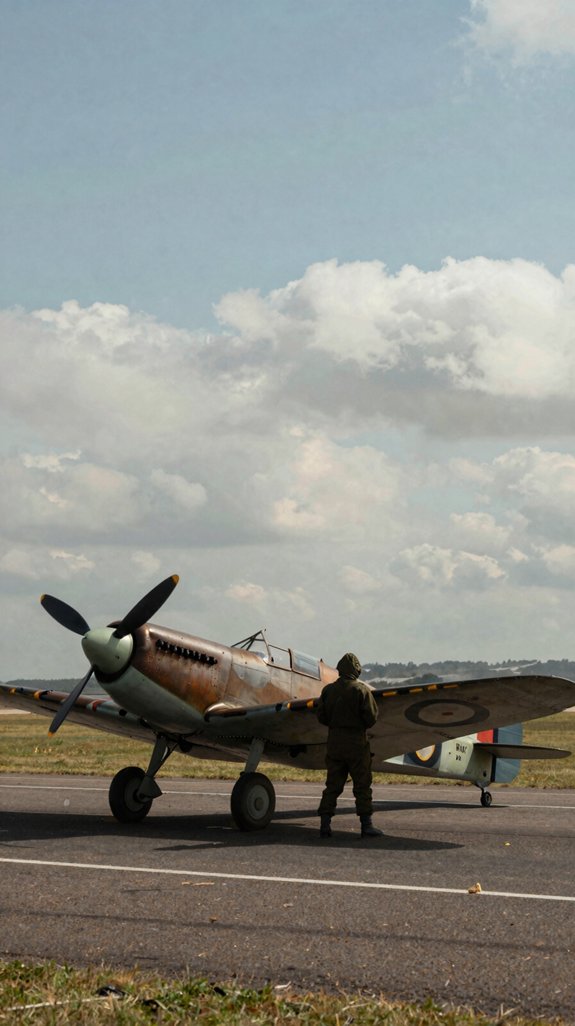
Although the battle ended long ago, Battle of Britain Day still matters today.
You remember 15 September 1940, when the Luftwaffe attacked Britain and lost badly. The day honors the RAF aircrew and ground teams who stood together.
Churchill’s words about “the Few” and “the Many” help shape Postwar memory and museum narratives. You can see why people mark this date with pride.
It also speaks to you now, because the RAF keeps ready through Quick Reaction Alert. That same spirit of watchfulness links past courage with your world today.
How the Battle of Britain Reshaped Air Power
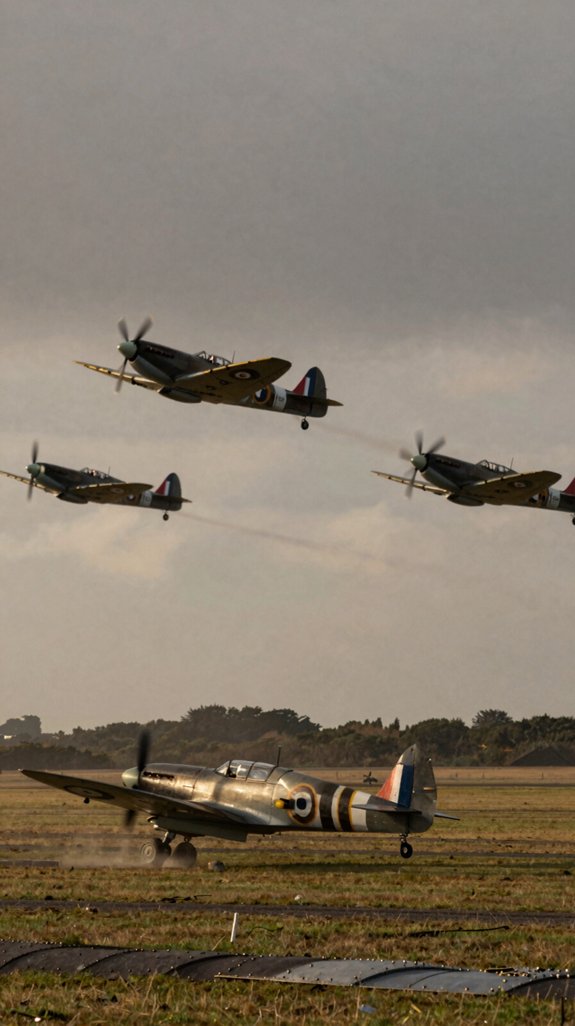
The Battle of Britain changed air force because it proved that winning the sky took teamwork, not just brave pilots. You saw RAF tactics grow smarter with radar, observers, and central control. That gave command redundancy and helped fighters meet raids fast.
- Luftwaffe logistics struggled as targets shifted from ships to airfields and London.
- Airframe endurance mattered because sortie sustainability depended on aircraft maintenance and ground crew coordination.
- Pilot fatigue rose as losses mounted, so air force became a test of endurance, not heroics.
You learned that air campaigns win when every part works together.
Battle of Britain Lessons for Modern Air Policing
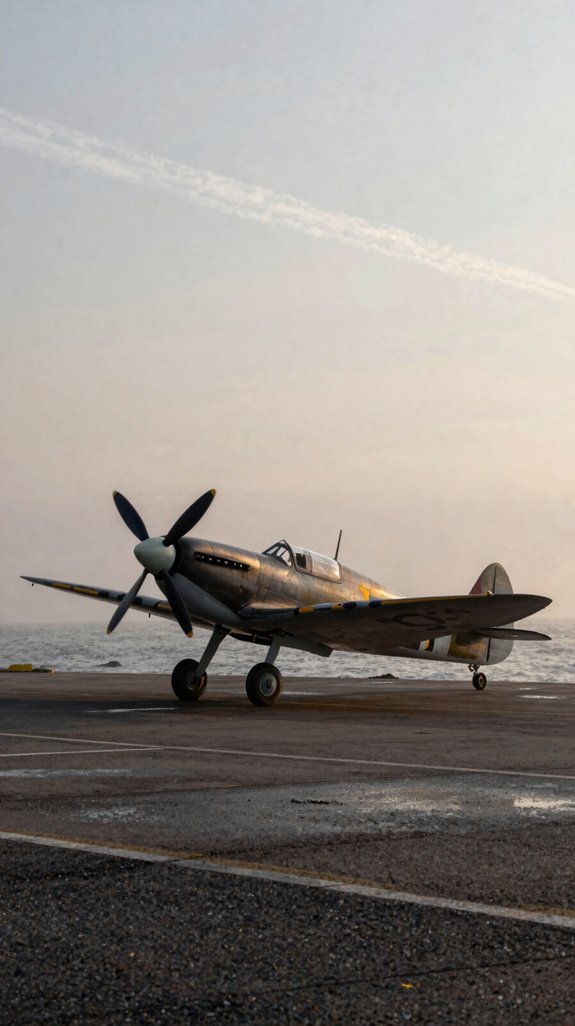
Look closer at the Battle of Britain, and you’ll see a big lesson for today’s air policing.
You need command and control that links radar, reports, and fighters fast.
That network helps you send the right jets to the right place.
You also need surge readiness, because threats can grow in a flash.
The RAF flew again and again, not just once.
It also protected bases, radar sites, and factories.
You can see that real strength comes from many people working together, not just the pilots in the sky.
Why the Battle of Britain Still Matters Today
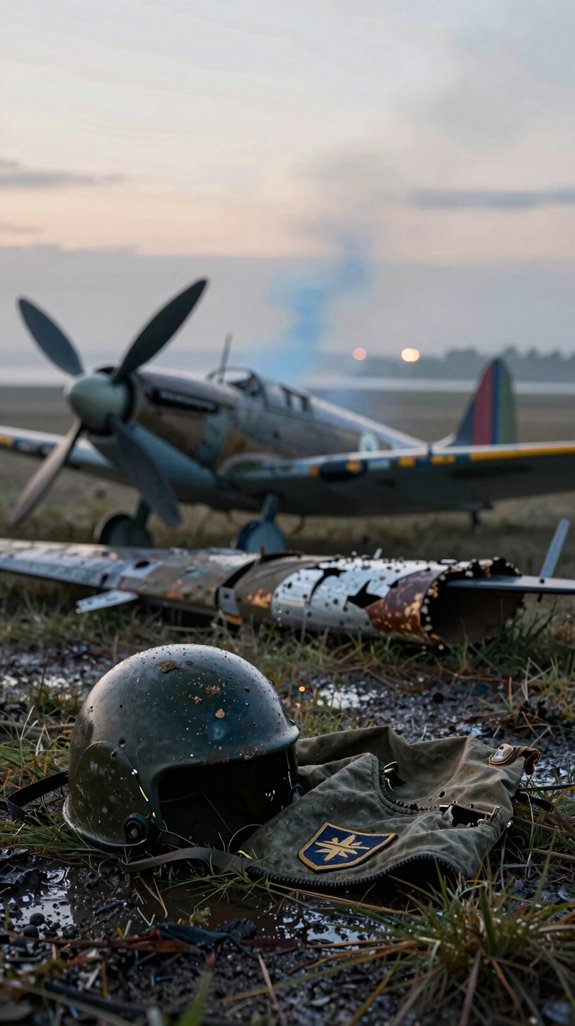
Even today, the Battle of Britain matters because it showed how a country can stay free under attack.
You can see its lesson in Air Policing, where fast response still protects homes and skies.
- Radar and control rooms prove teamwork wins.
- Doctrine Transfer helps today’s pilots learn fast.
- Quick Reaction Alert shows readiness never stops.
When you study this battle, you join a story of courage and smart defense.
The RAF fought with grit, and Britain endured.
That same spirit still guides you, because threats change, but the need to stand together doesn’t.