
Computer Science Majors Often Learn More Outside the Classroom

- Computer Science Majors Often Learn More Outside the Classroom
- Key Takeaways
- Why Computer Science Learning Happens Outside Class
- The Case for Learning CS Outside Class
- How Outside CS Learning Builds Confidence
- Why Side Projects Matter in CS
- Skill Growth Through Practice
- Building Real-World CS Experience
- Small Builds That Teach Big CS Skills
- Tiny Projects, Real Skills
- Build, Test, Improve
- Ownership Through Making
- Open Source Experience for CS Majors
- Team Projects That Sharpen Problem-Solving
- What You Learn From Hackathons
- Why Networking Helps CS Students Grow
- Finding Mentors Through Alumni and Events
- Alumni Networking Circles
- Event-Based Mentorship
- Peer Role Models
- Clubs and Communities That Build CS Skills
- How Online Courses Fill Skill Gaps
- Building a CS Portfolio Outside the Classroom
- Personal Projects
- Open Source Contributions
- Showcasing Skills
- Real-World Tools CS Students Learn On Their Own
- How Outside Learning Supports Internships
- Why Independence Matters in CS Education
- Self-Directed Skill Building
- Exploring Beyond Coursework
- Balancing Classes and Self-Directed Learning
- Learning CS for Different Career Interests
- How Employers Value Side Projects
- Why CS Learning Outside Class Sticks Longer
You often learn more in computer science outside class because you get to build, test, and fix real ideas. That hands-on work helps you move at your own pace and try new tools faster. Side projects, clubs, hackathons, and open source also build confidence and teamwork. They show employers real proof of skill, not just grades. If you keep going, you’ll see how these paths can shape your CS growth in meaningful ways.
Key Takeaways
- Computer science changes quickly, so students often learn new tools and languages outside class to stay current.
- Extra learning helps close skill gaps and prepare students for real-world job expectations.
- Side projects build confidence, debugging ability, and portfolio evidence through hands-on practice.
- Clubs, hackathons, and open source projects add teamwork, feedback, and community learning opportunities.
- Mentors, networking, and online courses help fill knowledge gaps and improve career visibility.
Why Computer Science Learning Happens Outside Class

Computer science learning often happens outside class because the field changes so fast. You can’t wait for school to catch up. New tools, platforms, and languages show up all the time.
Outside learning helps you build Asynchronous skill gaps and feel ready for real jobs. It also gives you room to mess around, try ideas, and learn from mistakes.
That can make CS feel more real and less scary.
In K-12, not every teacher has deep CS training, so extra help matters.
Mentorship matching programs can connect you with support and belonging while you grow.
The Case for Learning CS Outside Class
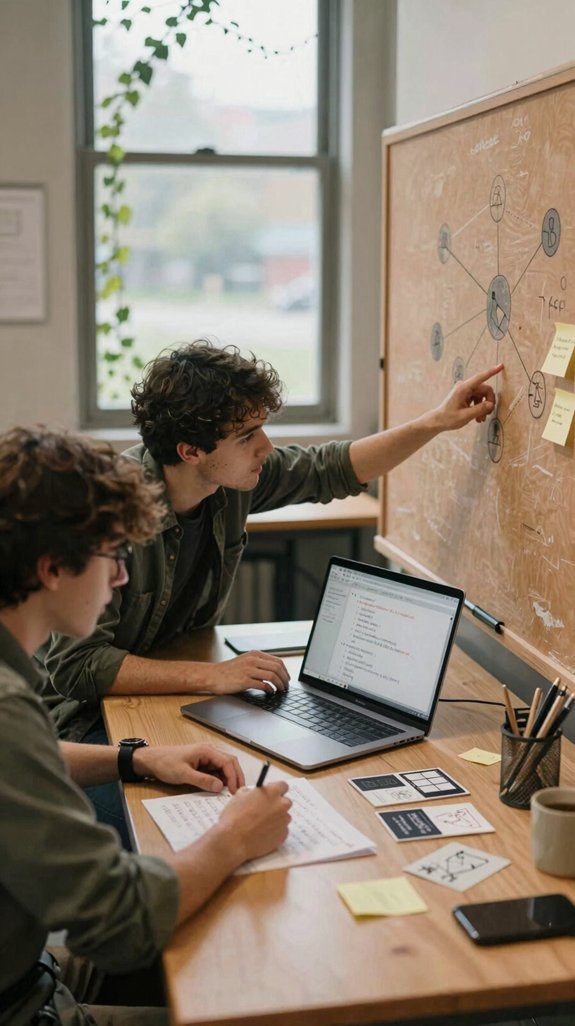
Even though class is important, learning CS outside school can give you a big boost. You get to try ideas your own way and join a bigger tech family. That matters when teacher readiness gaps leave some classrooms short on help. In a 2021 U.S. study, students who learned in and out of school often showed stronger CS career interest.
| Way | Why it helps | Example |
|---|---|---|
| Project | You build real skills | A simple app |
| Video | You learn at your pace | YouTube |
| Meetup | You find support | Out of school mentorship |
This kind of learning keeps you current and connected.
How Outside CS Learning Builds Confidence

Outside CS learning doesn’t just build skills. It builds your belief in yourself.
When you try coding at home or in a club, you get quick confidence via feedback. You see what works, then fix what doesn’t.
That matters because students who learn CS outside school often feel more sure they can succeed.
Small wins help you trust your effort.
Each mistake becomes part of project iteration loops, not a final grade.
You can start with a tiny app or simple output.
Then you keep going, and your progress starts to feel real and yours.
Why Side Projects Matter in CS

Side projects let you pick a tech idea you care about and build it into something real.
You’ll practice skills by trying, fixing, and improving things as you go, just like real developers do.
They also give you proof of real-world work you can share with others.
Skill Growth Through Practice
Build your skills by doing, not just by listening. You learn CS best through practice loops that keep you moving. When you try, fail, and try again, your debugging habits and iteration cycles get stronger.
- Start small with one word in a console.
- Grow into bigger apps like an online store.
- Repeat with new tools until they feel normal.
Each side project turns hard ideas into real work you can touch.
You’ll feel less alone too, because you’re joining other builders who learn by making.
This steady practice helps you grow, show passion, and feel ready.
Building Real-World CS Experience
Now that you’ve seen how practice builds skill, let’s look at why side projects matter so much.
You build job-ready skills by using tools and languages as you go, just like real coding work.
Start small with a project you care about, then grow it step by step with free tutorials.
That path boosts Internship readiness and strengthens portfolio credibility.
Your projects also give you clear stories for interviews.
If you want teamwork, invite classmates to build a hackathon idea or mini app together.
You don’t need nonstop hustle.
One or two strong projects can open real doors.
Small Builds That Teach Big CS Skills

You can build tiny projects that teach you real CS skills fast.
You’ll build, test, and improve as you go, which helps you learn by doing.
Each small win gives you more ownership and confidence to make the next project better.
Tiny Projects, Real Skills
Small CS projects can teach big skills because they keep the goal clear and manageable. You don’t need a giant app to belong here; you need one tiny build. Try a resume ready mini that solves one exact problem and shows real skill.
- Pick one topic you can search by exact words.
- Build the smallest working version end to end.
- Use learning feedback loops: watch, try, enjoy, repeat.
You can also join an open-source or friend project for small shared work. Each finished mini-project gives you confidence, practice, and proof that you can learn on your own.
Build, Test, Improve
When you build something tiny first, you start learning fast.
You can make a one-word console app and test it right away.
Then you fix it, improve it, and try again.
That cycle teaches you how code breaks and how to spot why.
Your debugging routines get stronger each time.
You also learn to split big problems into small parts.
Use quick feedback loops to check what should happen, what might fail, and how you’ll know.
If you mess around a bit, that’s okay.
Each small build helps you feel capable, welcome, and ready to grow.
Ownership Through Making
Making something yourself can teach CS in a strong way. You start small, build with care, and feel real ownership. That helps you join the maker crowd.
- Pick one tiny goal, like a console print or simple app.
- Search exact words online and match one CS concept.
- Keep a Debugging Mindset and use repeated Prototyping.
When you make your own tool, robot, or code challenge, you learn by trying, fixing, and improving.
That skill sticks with you.
If you can, team up or join open source.
You’ll grow faster and feel less alone while learning.
Open Source Experience for CS Majors

Have you ever wondered how computer science majors learn to code like real developers? Open source helps you join a real coding community. You can start with issue first contributions and simple bug fixes. Many projects offer good first issue guides and contributor notes. That means you don’t need to build a whole system alone. | Path | What You Do | Why It Helps |
| — | — | — |
|---|---|---|
| Issues | Find small tasks | Build confidence |
| Branches | Make changes safely | Learn workflow |
| Reviews | Read feedback | Improve faster |
| Pull requests | Share your work | Track progress |
| Tools | Try new tech | Grow skills |
Mentorship feedback loops and shared norms make you feel welcome.
Team Projects That Sharpen Problem-Solving

Open source can teach you a lot, but team projects add a new kind of challenge. You face collaboration challenges and learn to mix ideas with care. That helps you solve problems in ways solo work can’t.
Try this:
- Build a small app with classmates.
- Join a research group.
- Start a shared repo with check-ins.
In each step, you practice peer feedback and learn to debug together. You also gain stories for interviews when people ask how you worked with others.
These projects show you can code and coordinate. That makes you a stronger teammate and helps you feel you belong.
What You Learn From Hackathons
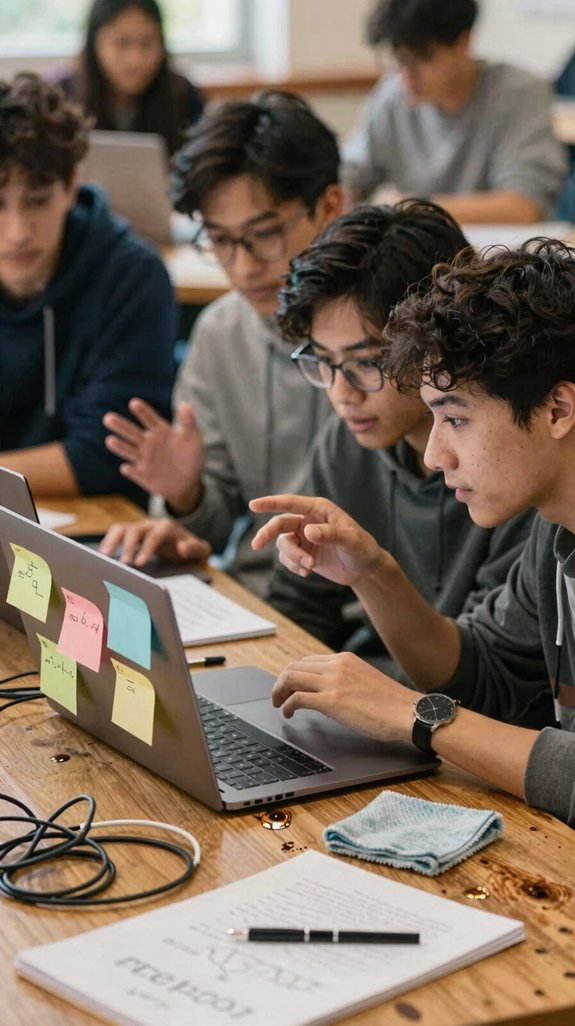
What can a hackathon teach you in just one weekend? You can build a real prototype fast, even when time feels tight.
You’ll practice coding, debugging, and trying again after mistakes.
You also learn real collaboration skills by sharing roles, joining code, and talking clearly.
Team demo practice helps you explain your work with confidence.
Many events let you choose topics you care about, like AI or web apps, so you grow in your own direction.
If you can’t attend one, try the same setup with classmates and a demo day.
Why Networking Helps CS Students Grow

Even if your grades are strong, networking can still open big doors for you. It helps with Career navigation because people can point you toward real openings and paths. Try this referral strategy:
- Start a short, friendly chat with someone tied to your target company.
- Ask for a referral only after you’ve built quick trust.
- Use alumni connections on LinkedIn to find graduates who share your school.
When you connect well, you may get seen sooner for interviews. Networking also helps you match your goals, whether you want special skills or any available opportunity.
Finding Mentors Through Alumni and Events
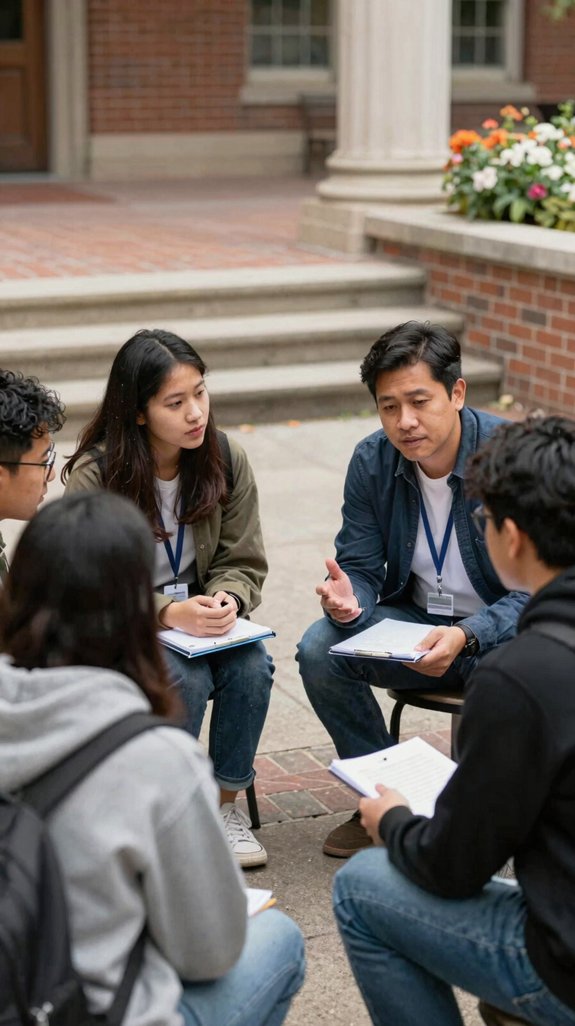
You can find strong mentors by reaching out to alumni on LinkedIn and asking for a quick chat.
At CS events like hackathons or research nights, you’ll meet people who can share advice and point you forward.
You can also learn from peer role models and local tech meetups, where students and professionals often lead the way.
Alumni Networking Circles
One smart way to grow your CS network is through alumni circles. You can find graduates on your university’s LinkedIn page and send a short note. Mention your school and the path you admire.
Before you reach out, make a target list of companies. That keeps your search focused and helps you feel grounded.
- Connect with alumni who work where you want to be.
- Talk briefly, then ask about mentor referrals.
- Use Alumni events to meet people face to face.
These circles can open doors. Referrals often boost interview chances and bring you closer to internships.
Event-Based Mentorship
Alumni circles can lead to something even better: real mentors you meet at events.
Go to hackathons, research meetings, and tech meetups.
Ask alumni about their path and what skills helped most.
Use LinkedIn to follow up after a short chat.
Say you share a school or interest, then ask for advice.
Treat this like a loop: meet, learn, act, and return.
Build one small project from each tip.
That helps portfolio building.
If you need help first, try peer learning through collaborative projects or project demonstrations.
Then bring your work back and find a coach there.
Peer Role Models
If you want a mentor, start by looking for peer role models at events and online. You can find them through alumni storytelling on LinkedIn and at meetups.
- Search alumni at target companies, send a short shared-school message, then ask for a referral after a quick chat.
- Join hackathons or research teams for peer troubleshooting, project ownership, and interview readiness.
- Keep showing up to repeat events so trust can grow.
When you hear how peers talk about CS careers, you’ll spot the signals. Students with role models often feel more ready, and you can too.
Clubs and Communities That Build CS Skills
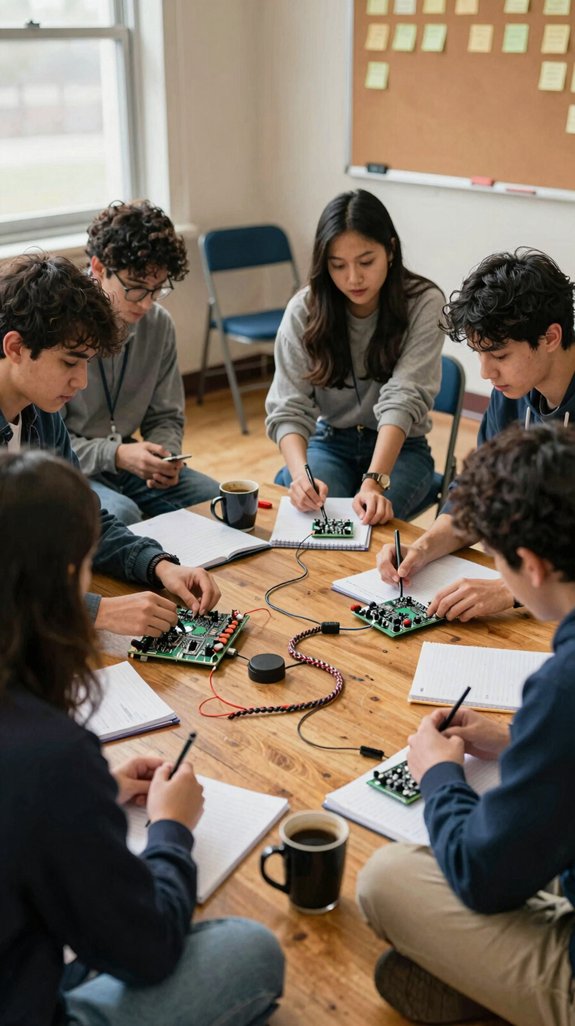
When you join a CS club, you get to learn by doing, not just by listening.
In robotics, coding clubs, math circles, or hackathons, you practice real skills with friends who get it.
AI research clubs and cybersecurity CTF teams can help you explore special interests and feel like you belong.
You can debug, test, and try again in a safe group.
Club build nights also teach teamwork, which matters in interviews and jobs.
Mix local meetups with online communities, and you’ll keep learning through watch, try, repeat.
How Online Courses Fill Skill Gaps

Clubs can spark your CS interest, and online courses can fill in the missing pieces. You can close a Skill Gap fast with Online Tutorials that match your pace.
- Watch short lessons, then try them right away. These Practice Loops help you learn by doing.
- Build Tool Familiarity with platforms colleges may skip.
- Choose Rapid Specialization in cloud, AI, or cybersecurity for Certification Readiness.
You’ll also get better at learning new tools as you go. That skill matters in real CS work. Online learning can boost your confidence, too, and help you feel like you belong.
Building a CS Portfolio Outside the Classroom

You can build a strong CS portfolio with small personal projects that show real growth.
You can also join open source work to practice teamwork and learn from other coders.
When you share these projects well, you show employers the skills you can actually use.
Personal Projects
Even if class gives you the basics, personal projects help you show what you can really do.
Your personal curiosity can guide you toward a small app, a game, or a tool that feels right.
That choice builds portfolio credibility because it proves you can create, fix, and improve code on your own.
Try this path: 1) pick one topic you care about; 2) build a doable version first; 3) learn one skill deeply, then grow it next time.
You’ll keep learning, and you’ll also feel like you belong in CS.
Open Source Contributions
Personal projects can show your skills, and open source can take that even farther.
Pick a small issue first, like a bug fix or doc update, so you can join in without feeling lost.
You’ll learn project docs, issues, and build tools as you go, just like real CS work.
Choose teams that fit your interests and follow a watch, read, try, improve loop.
Each merge gives you proof of teamwork and coding skill.
This student driven practice can also open doors through friendly relationships.
If you care about privacy first development, you’ll find communities that share that value too.
Showcasing Skills
A strong portfolio can turn your curiosity into proof. You can showcase outcomes by building from tiny console prints to full apps. Use skill storytelling to explain what you tried, learned, and shipped.
- Start small: show a simple tool, then a bigger project.
- Mix experiences: add open source work, class help, and team builds.
- Share results: tell alumni or peers what changed and why it matters.
When you write each project, name the technique, platform, and result. That helps you feel seen, and it helps others trust your growth.
Real-World Tools CS Students Learn On Their Own

Because computer science changes so fast, many students teach themselves the tools they need.
You can build a strong Career Portfolio by learning Practical Tooling on your own.
You might watch YouTube or Udemy lessons, then practice Python or natural language work.
Open Source projects and free software help you learn without much cost.
You also get better with Unix and Linux, which teams use every day.
As you try Independent Projects, you grow fluent in more than one language.
Meetups can also help you use new tools with friends who get it.
How Outside Learning Supports Internships

When you learn outside class, you show that you can work on your own and keep going. That helps you shine in internships because employers want people who can learn fast and fit in. Try this simple path:
- Build a small app or open-source fix for Resume Storytelling.
- Join hackathons or meetups to make friends and get referrals.
- Practice with others so your teamwork stories show strong Internship Impact.
You also get better at new tools like cloud or AI. Each project helps you feel more ready and more welcome in real teams.
Why Independence Matters in CS Education

You need to build your own skills, because CS jobs change fast.
You won’t learn everything in class, so you’ll try new tools and solve problems on your own.
That freedom also helps you find what you like most, like AI, cybersecurity, or cloud work.
Self-Directed Skill Building
In computer science, learning on your own matters a lot. You grow fastest when you build skills outside class. Your time management and project prioritization help you stay steady and avoid burnout.
- Pick a small topic you like, such as AI or cybersecurity.
- Watch a video, try a problem, and repeat until it clicks.
- Use YouTube, free tools, and meetups to keep going with friends who get it.
This path helps you feel ready for new tools and real jobs. You don’t have to do it alone. You’re part of a growing CS crew.
Exploring Beyond Coursework
Beyond the classroom, CS students learn why independence matters so much. You can’t wait for school to cover every tool. Tech changes fast, and employers want you to solve problems now. That’s where Self Directed Projects help build Career Readiness.
| What you do | What you gain |
|---|---|
| Watch a video | Fresh ideas |
| Try a problem | Real skill |
| Repeat the loop | Stronger confidence |
| Join a meetup | People who get you |
You can use YouTube, Udemy, and free software to learn new skills. You may focus on cloud, AI, or cybersecurity. Each step helps you belong in the field.
Balancing Classes and Self-Directed Learning

Alongside your classes, self-directed learning can keep your CS skills growing fast. You don’t have to choose one or the other.
Try this simple loop:
- Watch a short video.
- Solve one nearby problem.
- Repeat when you’ve got time.
This keeps learning fun and fits around homework.
It also builds Interview communication, because you can explain your work better.
Mentorship through alumni and community meetups can help you stay motivated.
Pick a small deliverable, not an insane app.
If you enjoy one path, like future specialization, use free resources and keep going.
Learning CS for Different Career Interests

Your career goal can act like a compass for what you learn next.
If you want software development, build tiny apps and grow them step by step.
If AI or ML calls you, use tutorials and practice problems to keep up with new tools.
For cybersecurity, learn by doing labs and hands-on tasks.
For data or cloud jobs, choose one clear Career Lab Pathways track and work toward a certification.
Whatever you pick, join hackathons or team projects so you can build Job Ready Portfolios and learn with others who share your path.
How Employers Value Side Projects

Now that you know how career goals shape what you learn, side projects show employers how you use that knowledge. They give employer proof of work and build portfolio credibility fast. You don’t need a giant app. Small wins matter.
- A console tool or simple app shows you can learn alone.
- A project with code or hardware proves real thinking, not just app use.
- Group projects add collaborative signals and help interview storytelling.
When you meet people at clubs or online, your portfolio can start real talks. That’s how project work can open doors and help you feel you belong.
Why CS Learning Outside Class Sticks Longer

Outside the classroom, CS ideas tend to stick because you get to mess around with real projects. You try things, fix bugs, and learn without fear. That builds belonging, because you see yourself as part of the field. Expectancy value theory helps explain it: hands-on work raises confidence, value, and success chances while lowering Cost and confidence, fears about mistakes.
| Setting | Confidence | Stay Power |
|---|---|---|
| In class | Lower | Short |
| Outside | Higher | Long |
| Both | Strongest | Strongest |
Survey data shows outside learning can improve later performance and keep your CS interest growing.