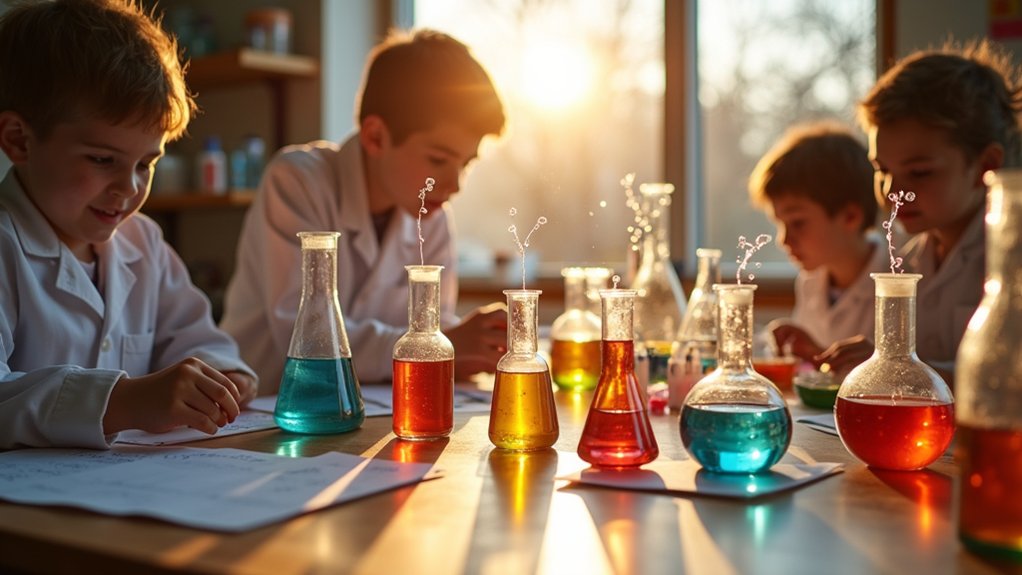
Preschool Learning Activities for Curious Little Scientists
- Preschool Learning Activities for Curious Little Scientists
- Key Takeaways
- Choose Easy Preschool Science Activities
- Set Up a Safe Science Space
- Ask Simple Observation Questions
- Make Magic Milk With Food Coloring
- Test Sink-or-Float Preschool Activities
- Create an Ice Excavation Adventure
- Grow Bean Seeds in Clear Cups
- Trace Shadows During Outdoor Play
- Explore Simple Weather Observations
- Add Counting and Sorting to Experiments
- Help Kids Predict and Share Results
- Make Simple Predictions
- Share What Happened
- Extend Preschool Science Activities at Home
You can become a curious scientist with simple supplies from home. Try magic milk with food coloring and dish soap. Test whether safe objects sink or float in water. Watch shadows change outside, or grow beans in a clear jar. Make a prediction before each test and draw what you notice. Use trays and goggles for bubbly projects. Keep exploring to uncover more fun ways science explains the world around you.
Key Takeaways
- Set up a safe science space with trays, clear cups, non-toxic materials, and simple rules like wearing smocks for messy experiments.
- Make Magic Milk with milk, food coloring, and dish soap to watch colors swirl and introduce surface tension.
- Explore sink or float by predicting whether safe household objects will stay on the water’s surface or sink.
- Grow beans in a clear jar with damp paper towels, then observe and draw root and stem changes each day.
- Encourage young scientists to predict, observe, draw results, and explain discoveries using “because” statements.
Choose Easy Preschool Science Activities
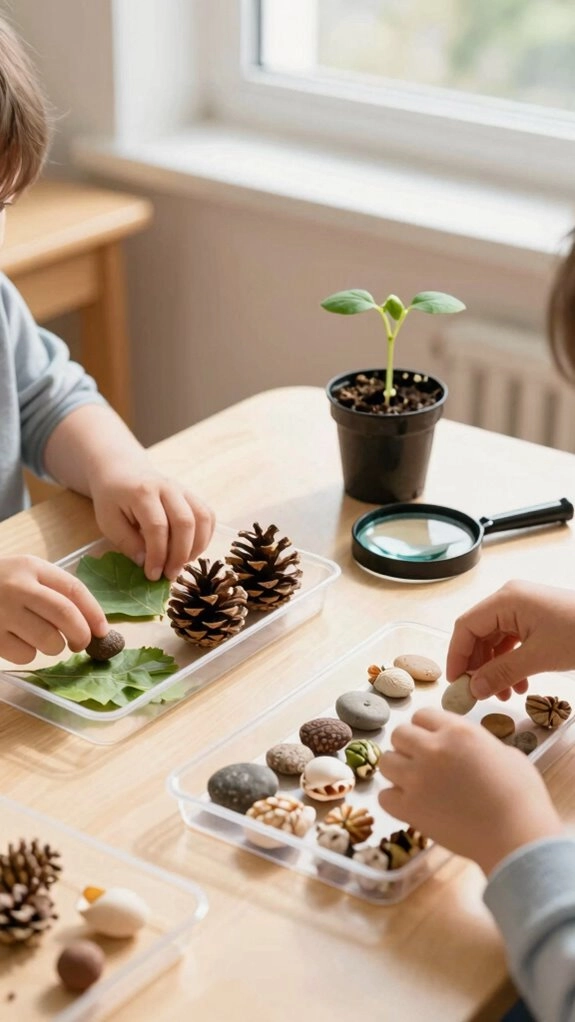
Start with easy, hands-on science that turns everyday items into findings.
You can make Magic Milk with milk, food coloring, and dish soap. Watch the colors move and share what you notice.
Try Sink or Float? Predict what’ll happen, then test safe objects in water.
Delve into soil science, compare textures; observe bugs closely, compare colors.
Trace your shadow at different times and see how it changes.
Plant beans on wet paper towels in a clear jar. Keep them moist and check them each day.
You’ll practice observing, comparing, and explaining findings.
Add a small experiment to playtime each week.
Use guided play by asking open-ended questions and offering materials while letting children lead the investigation.
Set Up a Safe Science Space
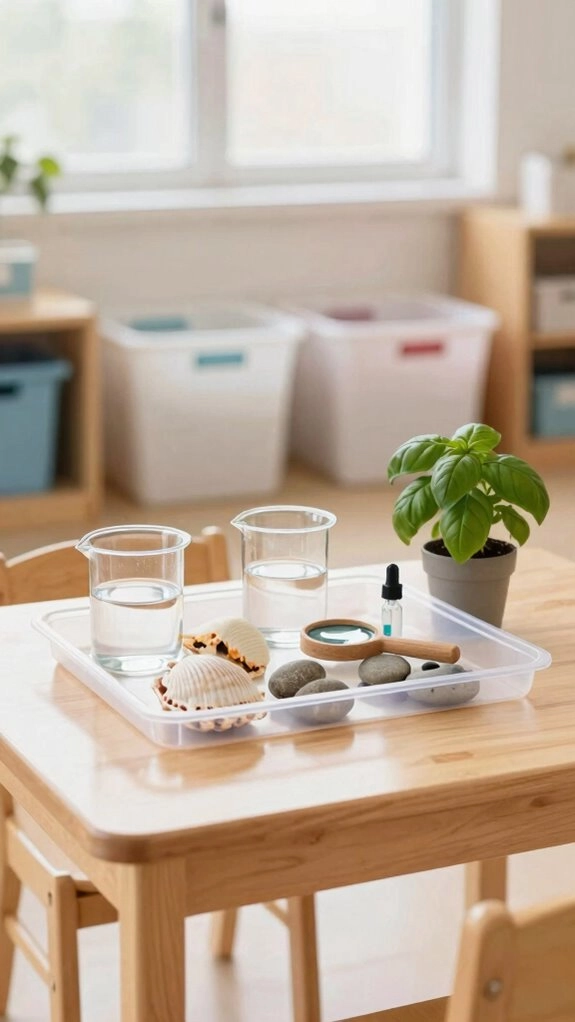
A safe science space helps every experiment feel fun and easy to research. Choose one cozy spot, like a floor mat or low table, where your group can gather.
Keep cups, clear jars, paper towels, and non-toxic supplies there. You can use milk, food coloring, dish soap, vinegar, and baking soda.
Follow simple safety rules together, including wearing goggles or smocks for bubbly projects. Use shallow trays for mess control and keep towels close for safe cleanup.
For baking soda and vinegar activities, the carbon dioxide gas can create bubbly, frothy overflow, so leave extra room in the tray.
An adult stays nearby with close adult supervision.
Make a routine: set out materials, try the activity, clean up, then store everything. Everyone can research confidently.
Ask Simple Observation Questions
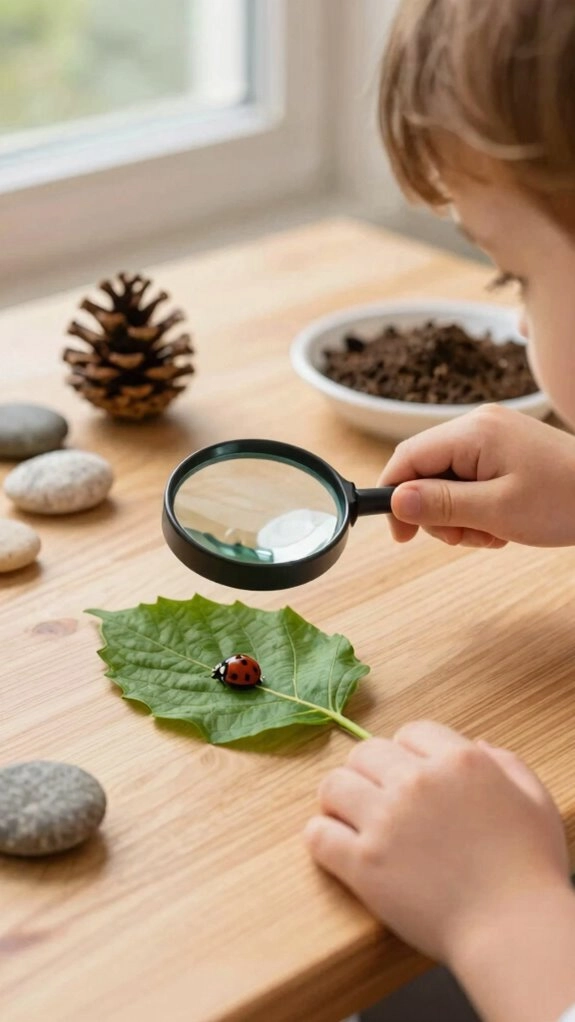
What do you notice when colors begin to swirl or bubbles lift tiny grains of rice? You’re part of a team of young scientists when you watch closely and share ideas.
Ask, “What changed?” or “Which part moves faster?” Help everyone notice changes by looking for colors that spread, bubbles that rise, or objects that sink.
Before you test, make a guess: “Will it float?” Then ask if the result matched your idea.
Encourage “because” answers to connect what happened with why it may have happened.
You can describe observations with words, drawings, and a friend’s help.
After the activity, use active recall by asking children to explain what they remember in their own words.
Make Magic Milk With Food Coloring
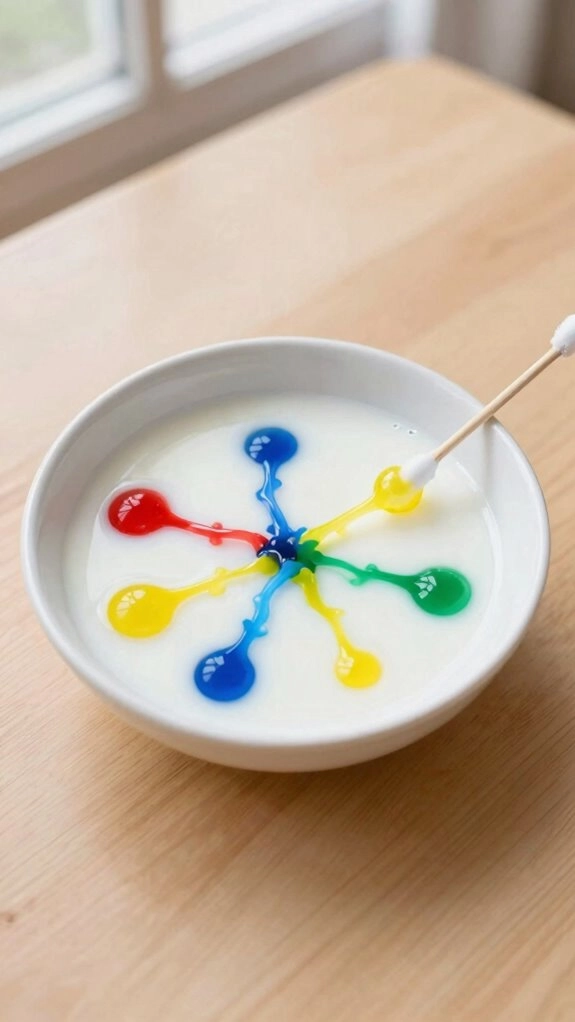
Watch colors race across milk when you add one tiny drop of soap.
Pour whole or 2% milk into a shallow dish.
Add food-coloring drops near the center without letting them touch.
You’ll see little pools waiting to move.
Dip a cotton swab in dish soap, then gently touch the milk’s center.
The colors burst, spin, and slide outward together.
Soap breaks the milk’s surface tension, which pushes the colored liquid around.
Try fresh swabs and different colors to investigate color mixing, patterns, and speed.
This hands-on experiment uses sensory input and curiosity to help young brains build learning connections.
Invite a grown-up to supervise.
You and your fellow scientists can use food-safe coloring and dish soap safely.
Test Sink-or-Float Preschool Activities
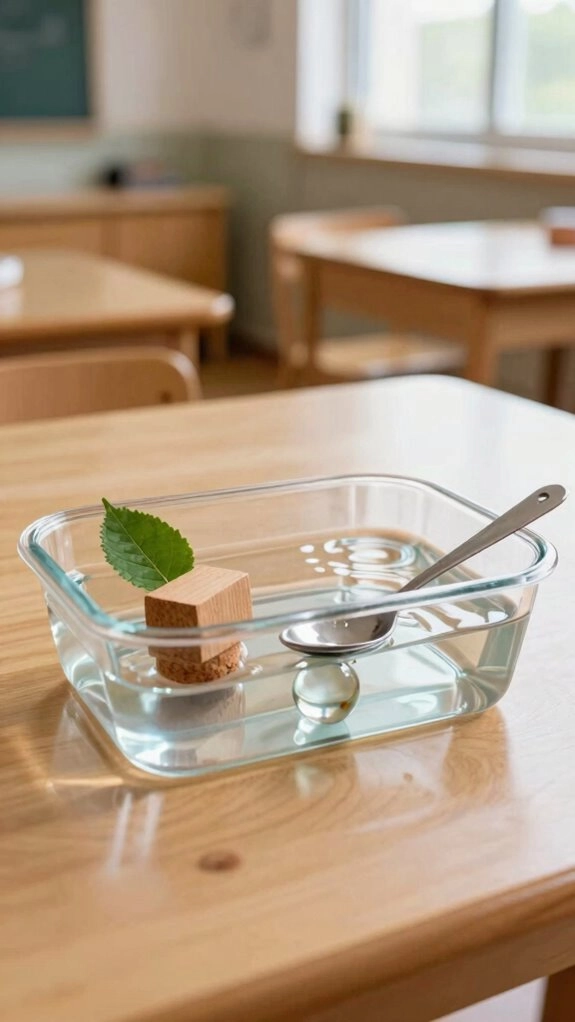
After the swirling milk experiment, investigate what happens when objects meet water. Gather toys, balls, and plastic pieces with your science team.
First, predict whether each item will sink or float.
Then drop it into a water bin and watch closely.
Does it stay on the surface or move to the bottom?
Compare the result with your guess.
Talk together about water behavior and what you noticed.
You’ll build Buoyancy vocabulary as you learn that density matters.
Some objects float because they’re less dense than water.
Water displacement can show how an object changes the water level when it enters the bin.
Draw quick pictures or explain your results aloud.
Every test helps your group learn from evidence.
Create an Ice Excavation Adventure
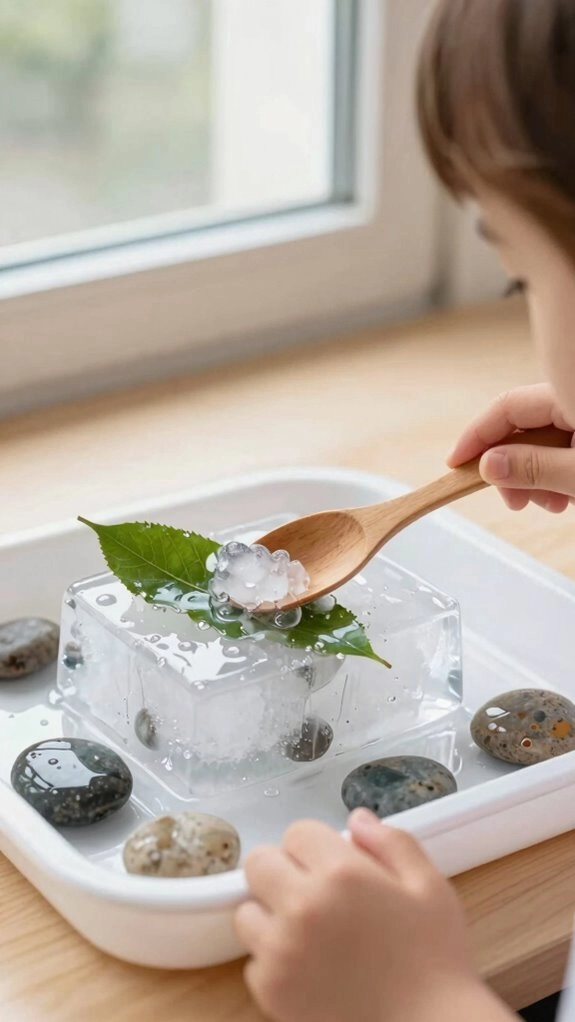
Turn frozen water into a treasure hunt with an ice excavation adventure. You and your fellow scientists can uncover hidden toys while watching ice change.
- Freeze small objects in a bowl or ice tray overnight.
- Use spoons, warm water, or kid-safe hammers to chip carefully.
- Add salt and warm water to help melting happen faster. Salt effects explained: it lowers water’s freezing point.
- Watch for Cracks and dripping, then predict what’ll happen next.
Try one treasure per block as a timed station. You’ll practice problem-solving together and celebrate every object you free.
Grow Bean Seeds in Clear Cups
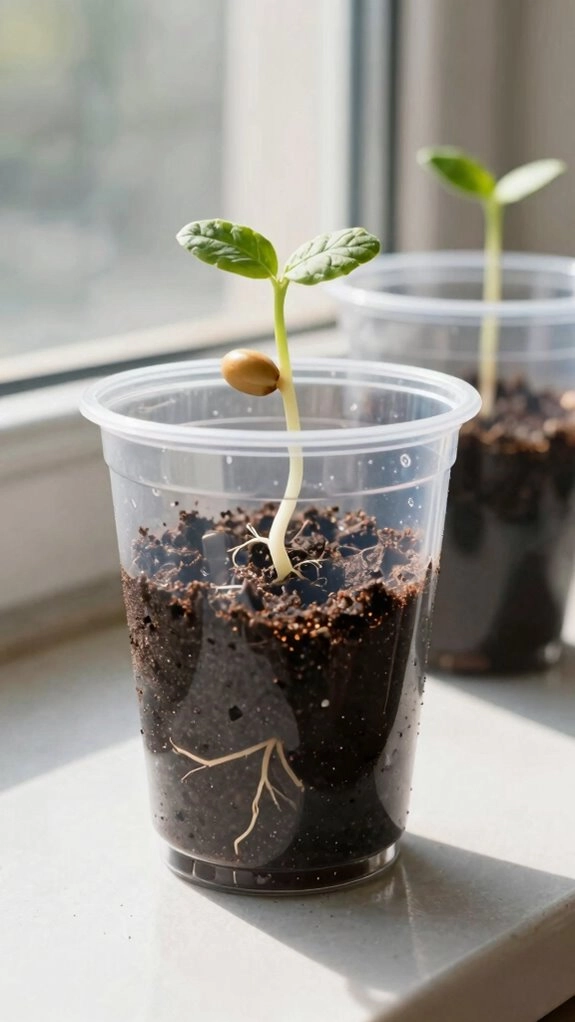
Although beans seem plain at first, they hold a tiny plant waiting to grow.
Soak four to ten beans overnight with your family or classmates.
Then tuck them between a damp paper towel and a clear cup’s wall.
Place your cup near a warm, bright window.
Spray the towel lightly each day so it stays damp, not soggy.
In three to seven days, watch the seed coat split and roots appear.
Use a ruler to observe seed height and root length.
Invite friends to compare sprout sizes each day.
When roots reach the bottom and sprouts form, move your seedlings into soil to grow stronger.
Trace Shadows During Outdoor Play
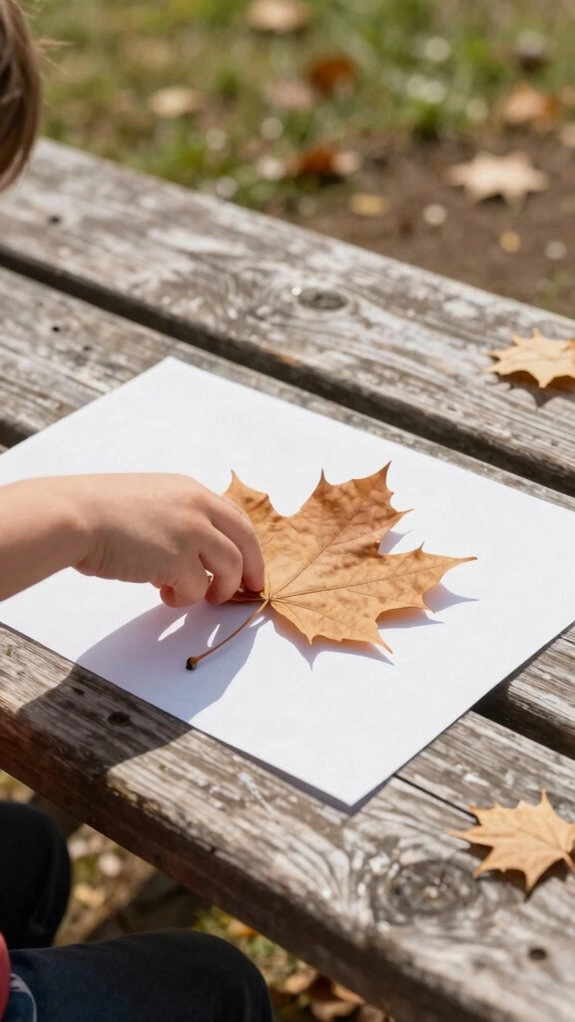
On a sunny day, you can turn outdoor play into a shadow science experiment. Invite friends or family to join your little science team.
- Place a toy on paper and trace its dark shadow.
- Ask why it appears. The sun’s light gets blocked by the toy.
- Return morning, midday, and afternoon to trace again.
- Compare outlines: Is it longer, shorter, or moved?
You’ll uncover Sunlight versus shadows as you watch shadow directions changes throughout the day.
Keep your papers together and check again next week. You can notice patterns and share discoveries with your group. Every new outline shows how Earth’s rotation changes the sunlight angle.
Explore Simple Weather Observations
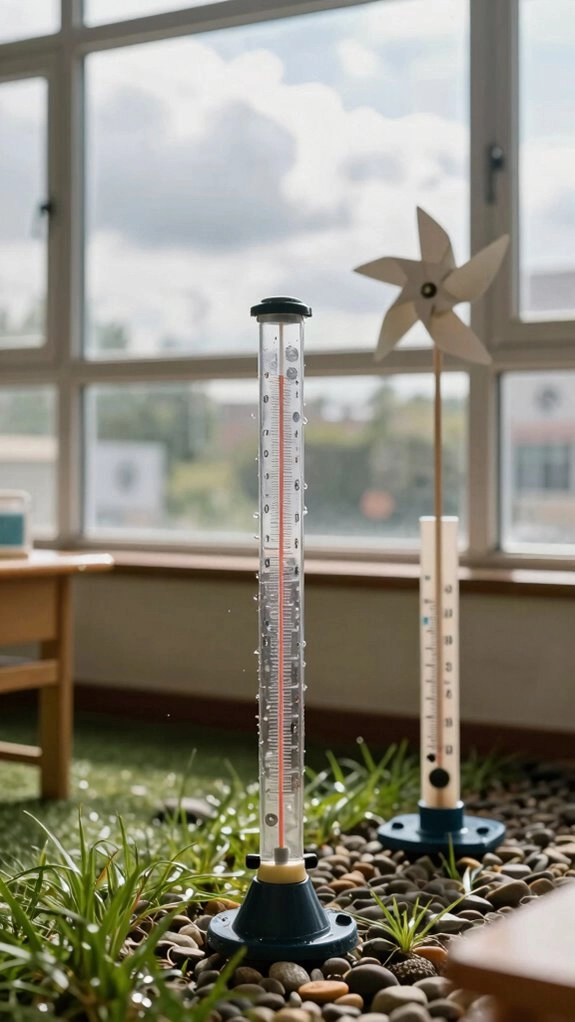
After tracing shadows, look up and become a weather watcher.
Join your little scientist team and check the sky each day.
Notice whether it’s sunny, cloudy, rainy, or windy.
Describe how the air feels: warm, cool, or wet.
Begin with safety checks and choose Weather clothing that fits the day.
For cloud watching, look outside in the morning and afternoon.
Add journal drawings of changing cloud shapes.
Watch leaves dance, spin a pinwheel, or feel wind on your hands.
After rain, place a clear container outside to collect water.
Compare how full it looks after different storms.
Your weather journal helps everyone spot weekly patterns.
Add Counting and Sorting to Experiments
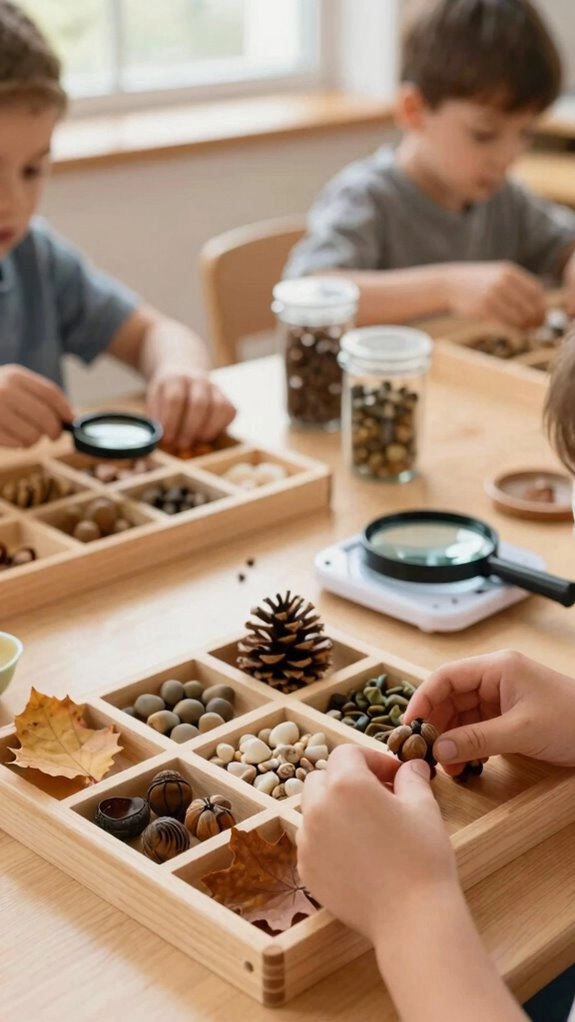
Counting and sorting can turn each experiment into a fun math finding. You and your science team can notice patterns together while you investigate.
- For sink or float, sort objects into two groups. Practice Counting totals for each group.
- During magic milk, count color drops before you use cotton swabs for turns.
- In ice excavation, count found toys and do sorting results by cars, animals, or blocks.
- When planting seeds, count each seed. Make a group tally of sprouted cups later.
Use simple marks like 1, 2, 3 after every test. Your trial comparisons help everyone see what happened.
Help Kids Predict and Share Results
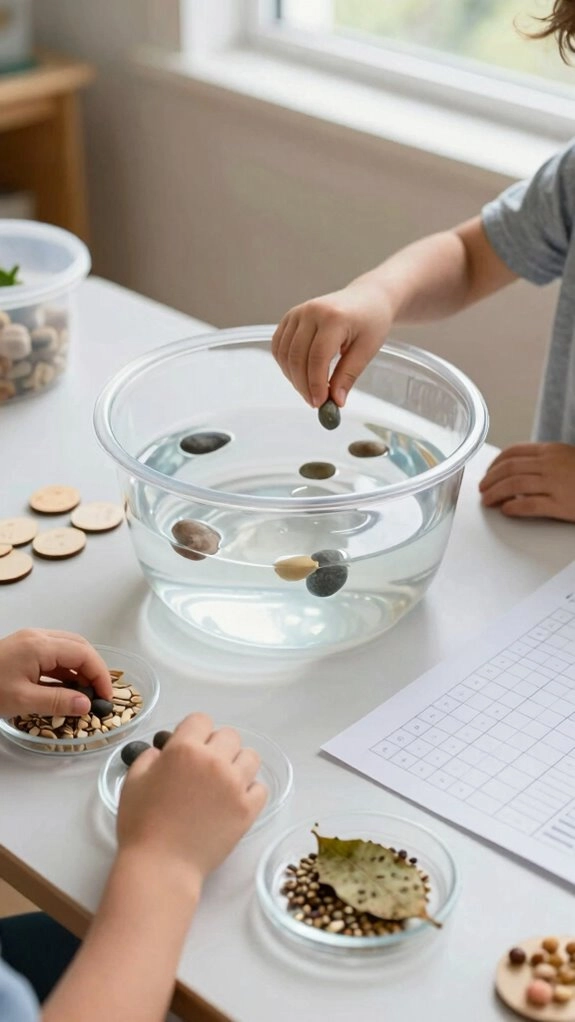
Before you test, make a simple guess about what’ll happen. Ask yourself if an item will sink or float, then watch closely.
Share what you noticed with words or a quick sketch, and discuss why the results happened.
Make Simple Predictions
Science feels even more exciting when you make a guess first. You’re part of a team of curious scientists.
- Pick an item for a sink-or-float test.
- Say, “I think it will float because…” before testing.
- Make observations as you watch for clues and ask “Why?”
- Draw your guess or add a check mark afterward.
Your prediction doesn’t need to be right. It helps you gather evidence and notice cause and effect.
Try the same item again in the same water. Did anything change? Compare results with your first guess.
Each careful look helps you become a stronger scientist.
Share What Happened
What happened when you tested your idea? Gather with your science team and talk about it.
Ask, “What did you notice?” “When did it change?” and “What happened because of that?”
You can record changes with a quick drawing or a few spoken words.
Did the object sink, float, spread, or stay the same?
Now compare predictions with the real results.
It’s okay if your guess was different.
Scientists learn by trying, watching, and trying again.
Listen to your friends’ ideas too.
Together, you can use new words, solve puzzles, and uncover how one action can cause another.
Extend Preschool Science Activities at Home
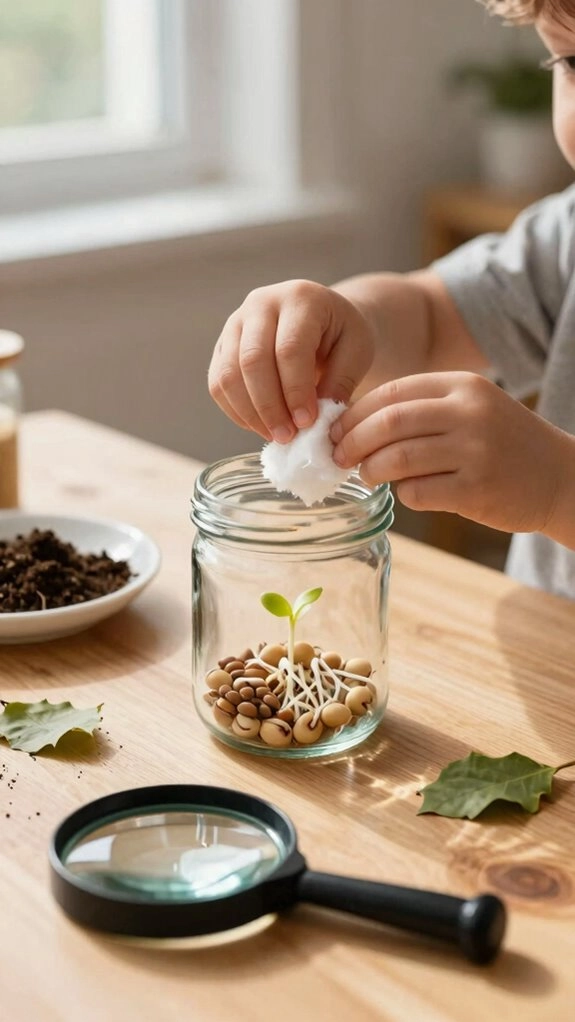
You can keep the wonder going at home with simple weekly science activities. Invite your family to investigate beside you and share findings.
- Make magic milk. Add food coloring to milk, then touch soap to watch colors swirl.
- Try ice excavation. Freeze tiny toys, then use warm water and spoons to rescue them.
- Grow beans in a clear cup with damp paper towels. Watch roots and stems appear.
- Play sink or float. Guess first, test household items, and talk about why they move differently.
Add Magnets playtime and Weather journaling to your routine. Use safe materials, stay supervised, and let your questions lead.