Nature Activities for Preschool That Turn Outdoor Play Into Learning
- Nature Activities for Preschool That Turn Outdoor Play Into Learning
- Key Takeaways
- Why Nature Experiences Matter for Young Children
- Simple Nature Walk Activities
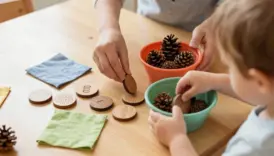
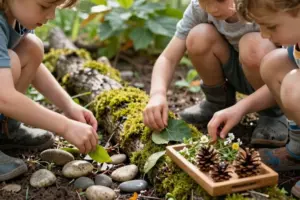
- Collecting and Sorting Natural Objects
- Observing Leaves and Plants
- Looking for Insects Safely
- Weather Observation
- Nature Art Projects
- Outdoor Math and Counting Games
- Encouraging Children to Ask Questions About Nature
You can turn outdoor play into learning by inviting preschoolers to notice nature closely. Let them hunt for colors, listen for bird calls, and compare leaves. Gather safe rocks or acorns, then sort them by size, texture, or color. Watch clouds, feel the wind, and name plant parts together. Count treasures, make mud art, and observe insects from a distance. These small adventures build movement, focus, curiosity, and creativity. Keep exploring for more easy ideas.
Key Takeaways
- Turn walks into scavenger hunts by finding colors, textures, sizes, and weather clues in safe outdoor spaces.
- Build observation skills by comparing leaves, listening for bird calls, and describing clouds, wind, and changing seasons.
- Practice early math by sorting rocks or acorns by size and color, creating patterns, and counting natural treasures.
- Encourage sensory learning through safe exploration of sunlight, breezes, scents, water sounds, and rough or smooth textures.
- Support creativity with nature art, such as mud painting on logs, leaf drawings, and sketches of birds or cloud shapes.
Why Nature Experiences Matter for Young Children
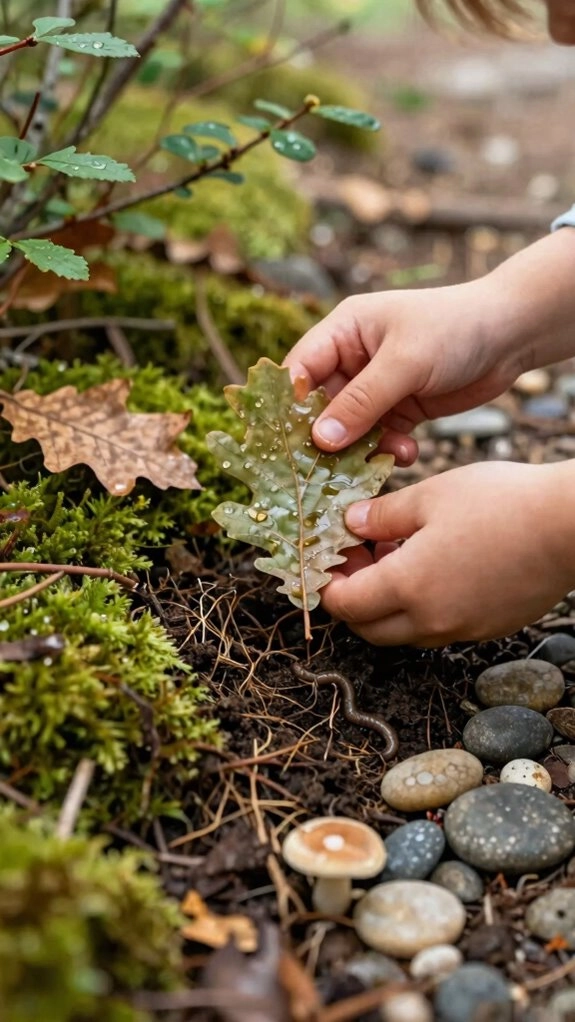
Nature experiences help young children grow in ways that indoor play can’t always match. When you spend time outside, your body gets sunlight for vitamin D, which helps bones grow strong.
Moving freely builds your heart, lungs, and muscles while cutting screen time. Nature also sharpens attention and observation as you notice changes around you.
Wind, scents, water, and rough textures support sensory regulation and creativity.
You can pause for mindful breathing when feelings feel big. Sharing outdoor spaces helps you take turns and care for living things.
Regular safe outdoor time helps you feel capable, connected, and included. Outdoor scavenger hunts can build early literacy as children listen for sounds and share what they find.
Simple Nature Walk Activities
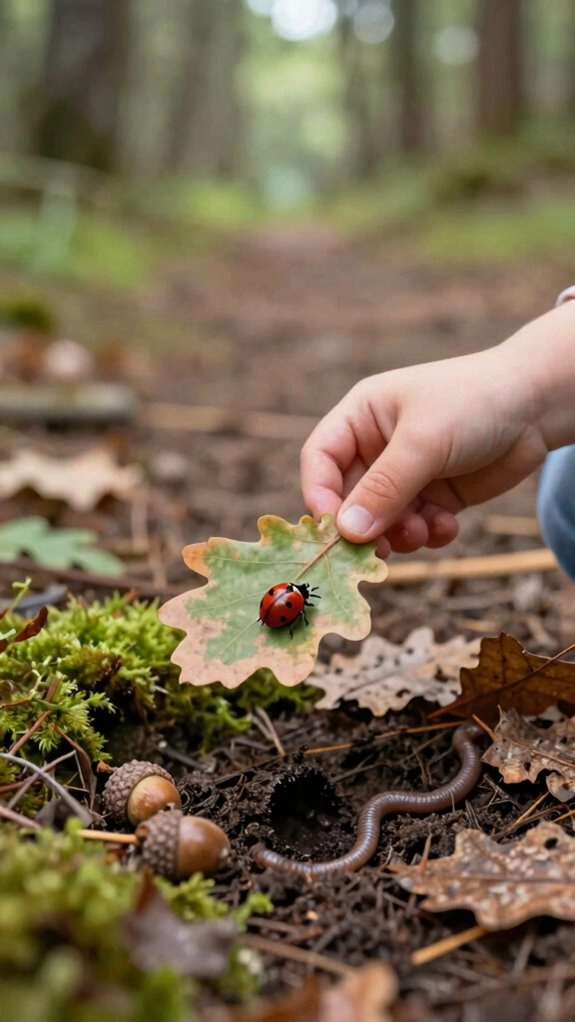
On a simple walk outdoors, you can turn each step into a small revelation. You belong on this adventure, noticing what others might miss. Try color clues: find green, brown, shiny, wet, tiny, or huge things. Make cloud guessing a shared pause; tilt your heads and describe the pictures overhead.
| Look for | Do together | Learn |
|---|---|---|
| Bird calls | Listen, then sketch | Careful attention |
| Green shades | Count and draw one | New words |
| Rock collecting | Notice texture safely | Curious questions |
Use binoculars or magnifier for looks. Back home, examine and press leaf or flower. Your walk becomes science you can remember. Paint a smooth stone into superhero rock art to give your nature find a colorful new story.
Collecting and Sorting Natural Objects
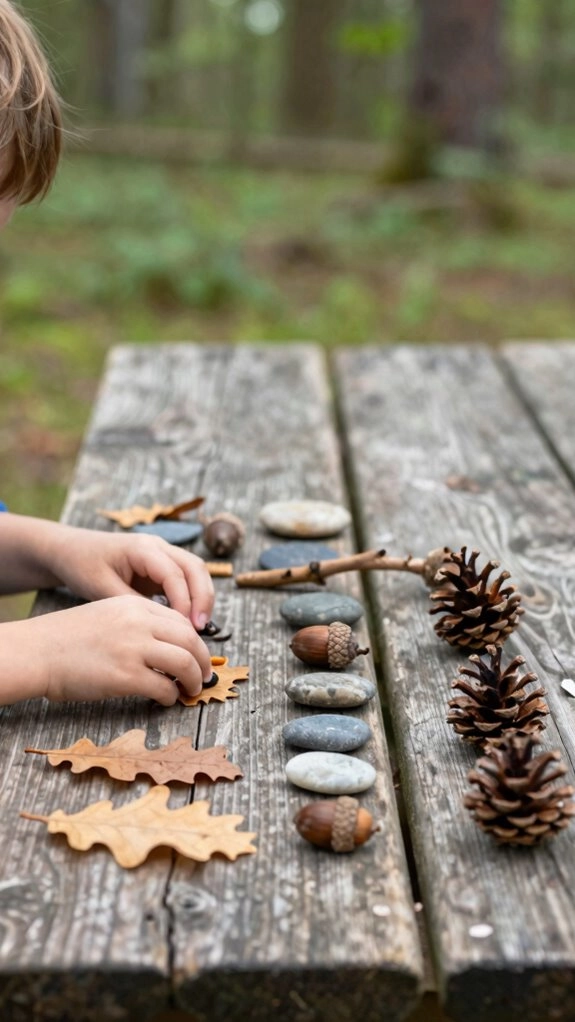
With a small basket in hand, you can turn outdoor finds into a sorting adventure.
Invite your group to become a nature scavenger team.
Collect rocks, acorns, and safe treasures, then examine them carefully.
Try Bug safe viewing from a distance, without touching.
- Make size comparisons by placing big and small rocks in separate piles.
- Practice color matching with pebbles, then create a repeating ground pattern.
- Play nature shop: trade acorns for treasures and choose what belongs together.
You can hide gems and acorns in sand, too.
Sort them by type.
Add scooping and pouring to build fine-motor skills while children sort their outdoor treasures.
Keep collections briefly, return them where they belong.
Observing Leaves and Plants
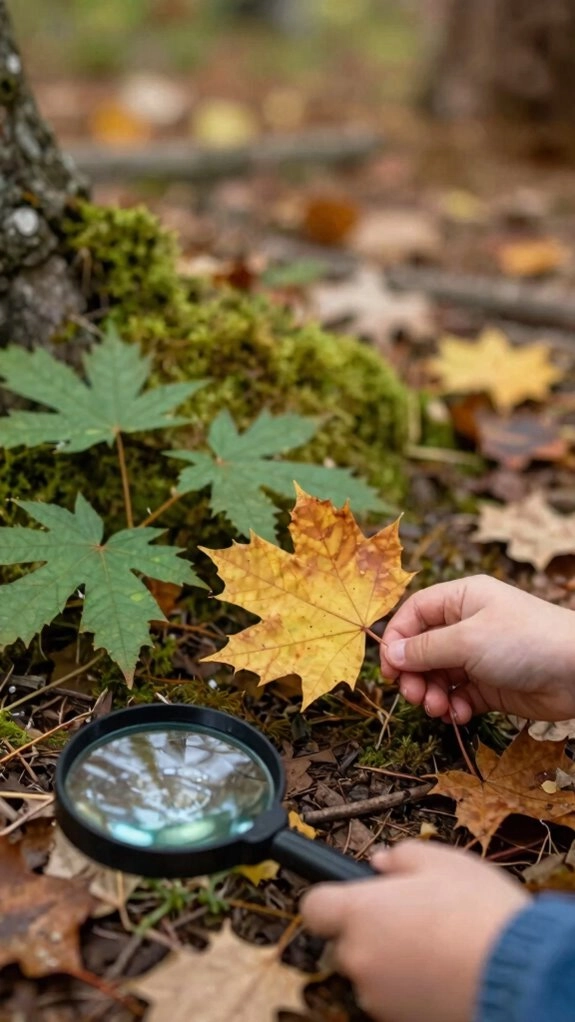
A leaf walk turns an ordinary path into a close-up find trip. You and your friends can notice each leaf’s shape, color, veins, and edges.
Compare two leaves side by side. What looks alike? What feels different?
This Leaf texture talk builds careful attention for reading and learning.
With an adult, gently touch safe plants. Notice whether they feel soft, rough, or sticky, and wonder what those surfaces protect.
Try Plant part naming as you find leaves, stems, and flowers.
Study one leaf for minutes, then sketch it on paper or dirt.
Collect few leaves and return materials afterward.
Make a simple nature journal to record drawings and tiny details you notice outdoors.
Looking for Insects Safely
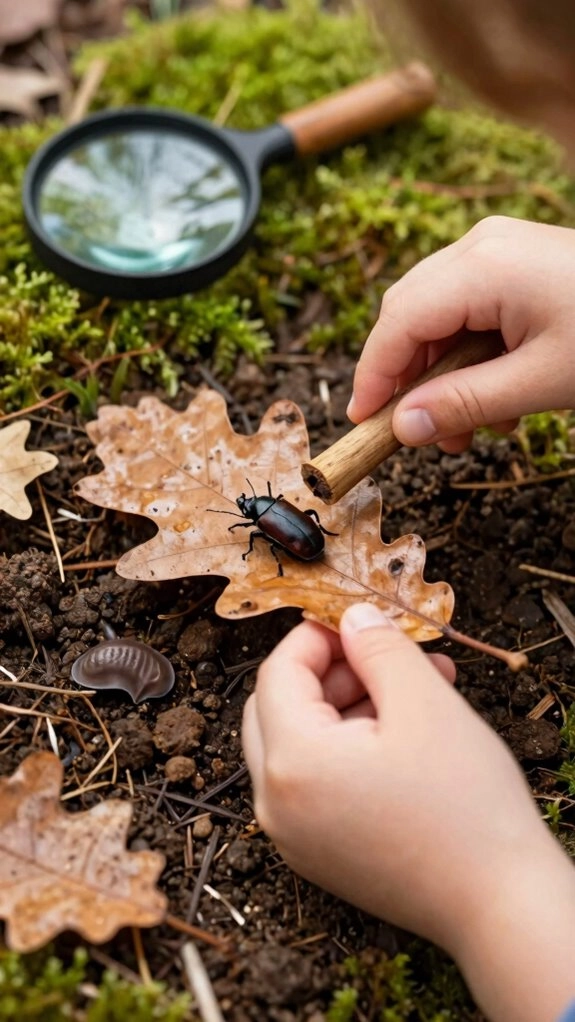
Tiny insects can uncover your nature walk into an exciting mystery to solve. Your group can practice Bug Observation with a magnifying glass, clear container, or bug catcher.
Follow these Safety Rules:
- Stay on paths and use Gentle Hands. Don’t pinch or squeeze.
- Look, then move. Watch antennae, legs, and travel before following.
- Keep your distance from bees, wasps, or angry-looking bugs. Identify them from afar, then Return Insects where you found them.
Jumping spiders are active daytime hunters with excellent vision that helps them spot tiny insect prey.
After your hunt, wash hands and sanitize skin and touched surfaces. You’ll protect your friends while sharing a caring outdoor discovery together with your nature club.
Weather Observation
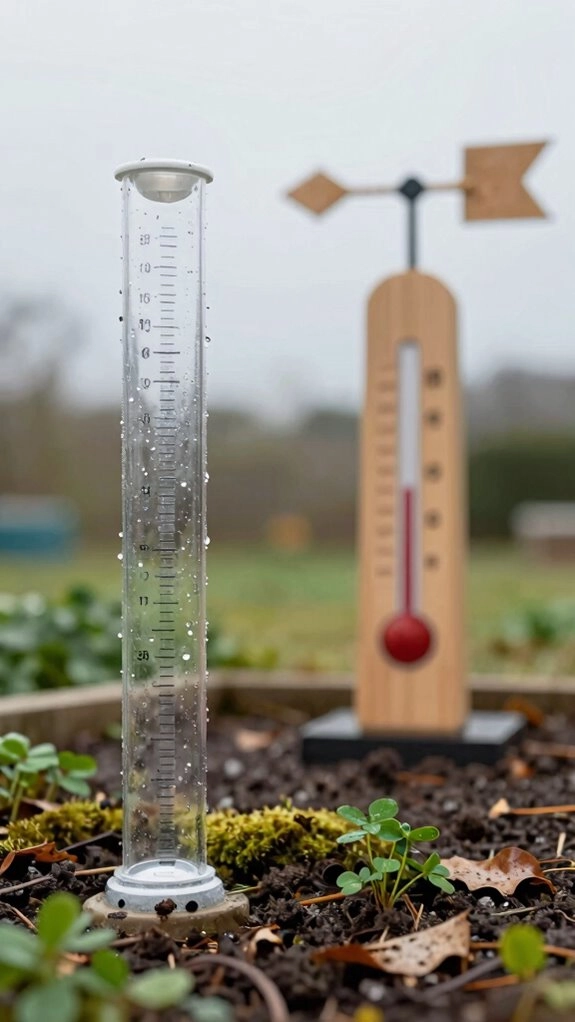
What can the sky tell you during a nature walk? Gather your friends and try Cloud Watching together. Lie back and find animal, object, or face shapes drifting above. This Nature Science game builds careful attention.
| Clue | Notice | Share |
|---|---|---|
| Clouds | Fluffy or gray | Bright or heavy |
| Wind | Cool or warm | Rustling leaves |
On a Rainy Day, stay near your grown-up and listen for tree rustles, flower scents, and changing stream sounds. Try Sky Writing: name one clue, then draw it with a stick in dirt or on paper. You’ll build weather words and help your group notice the outdoors.
Nature Art Projects
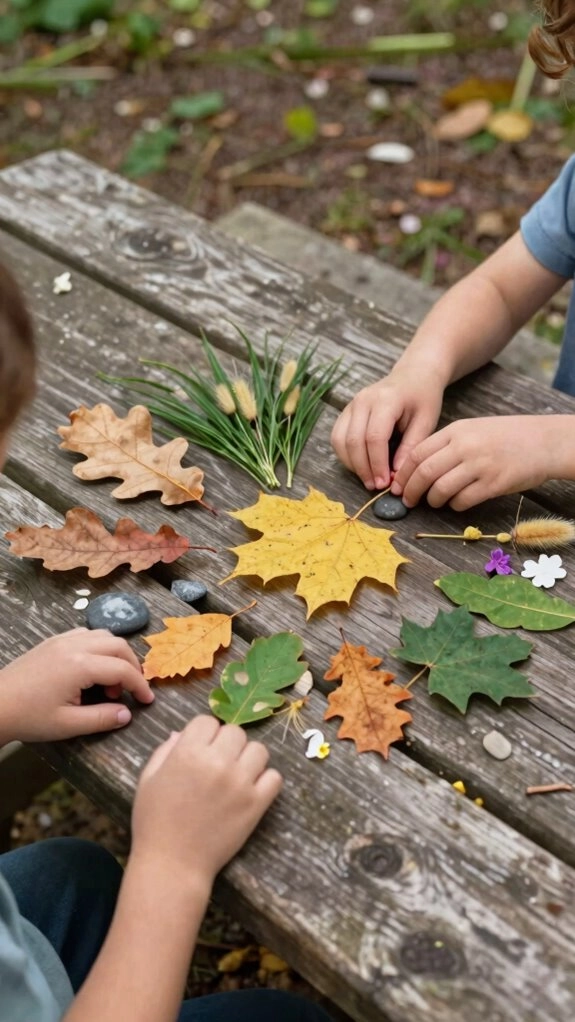
After you study the sky, let the ground become your nature art studio. Gather twigs, leaves, grasses, and flowers with your friends. Try Texture exploration as you sort soft, rough, and bumpy finds.
- Paint a log with mud using an old brush. Mix wet earth shades for color mixing.
- Build a tiny fairy garden beside a tree with sticks, stones, and plants.
- Make face models from leaves and pebbles for emotional check ins.
Draw quiet pictures in sand with a stick. Press leaves in heavy books, then use them in contact-paper placemats. Creations show nature changes.
Outdoor Math and Counting Games
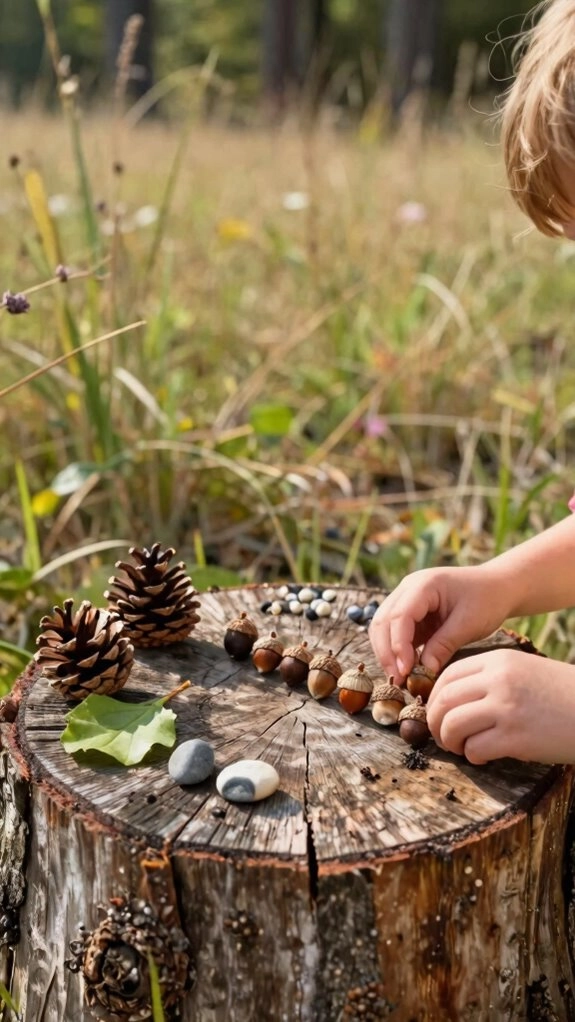
Your nature treasures can also help you play math games outside. Try Counting scavenger hunts: give your group a color list and count greens or browns they find. Name each finding together.
For Number sorting races, place number cards in one bucket and labeled piles nearby. Children run, retrieve a card, and match each card correctly.
Sort leaves, rocks, and twigs to build A-B-A-B patterns.
Draw shapes in dirt, then line edges with acorns to count and investigate geometry.
Put number cards on cones, call a number, and let everyone kick toward its match.
You’ll learn and cheer together.
Encouraging Children to Ask Questions About Nature
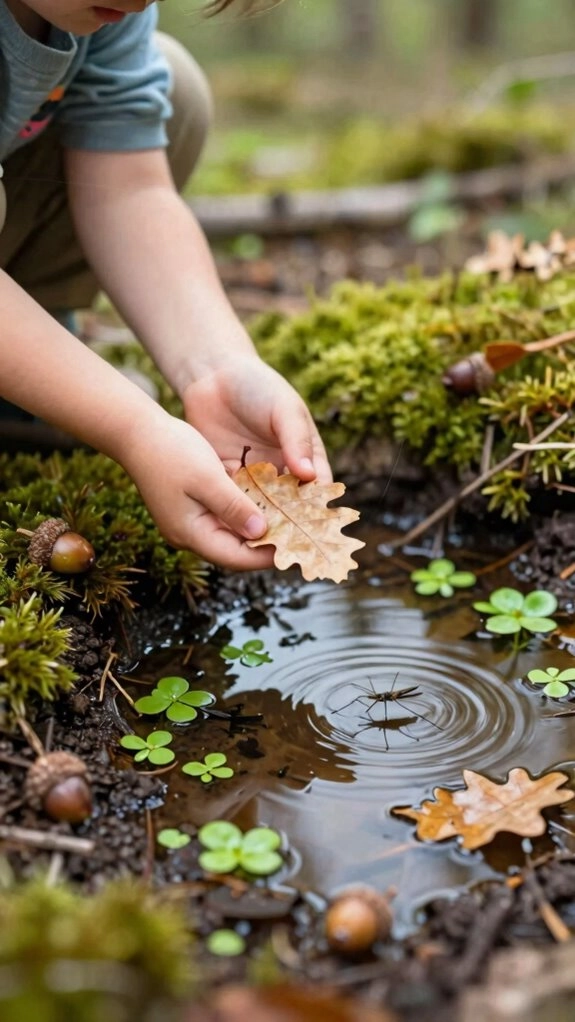
Nature becomes even more exciting when you let questions lead the way. You and your friends can explore like real scientists, sharing discoveries and wondering together.
- Try Cloud spotting. Lie back, find shapes, and ask figure questions: “What do you see, and why?”
- Search under logs and on trunks for bug hiding. Use curiosity prompts: “Where are they hiding? What’re they doing?”
- Observe and sketch leaves or flowers. Compare veins, petals, colors, and textures. Ask, “How is this leaf different?” Watch a wormery or nest over several days. During scavenger hunts, test dry, wet, shiny, or windy clues.