How the Human Body Helps Children Heal
When you get a small cut or scrape, your body begins repairing it right away. Blood vessels tighten, and platelets form a clot that helps seal the wound. Your skin blocks germs while immune cells manage swelling and fight invaders. Rest, water, healthy food, and calm activities give your healing team extra support. You might notice warmth as more blood brings oxygen to the area. Keep going to learn how each body defense works together.
Key Takeaways
- After an injury, blood vessels and platelets quickly slow bleeding and form a protective clot.
- Skin acts as a flexible barrier that blocks germs while the wound heals.
- The immune system sends helpful cells to fight germs and manage healing inflammation.
- Rest, sleep, water, and nutritious foods give the body energy and materials for repair.
- Feeling safe, playing, and calming activities can lower stress and support recovery.
What Happens When We Get a Small Injury
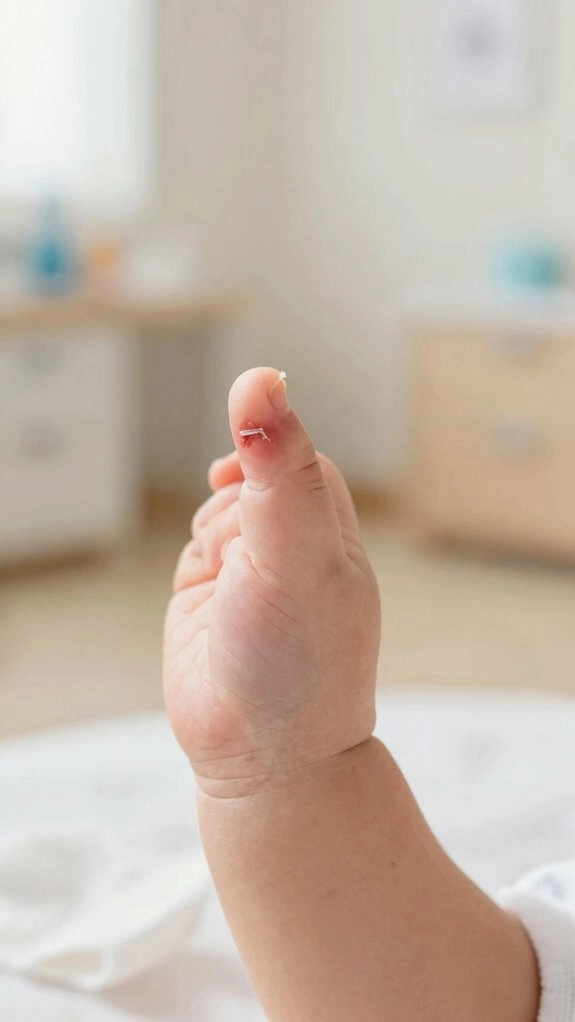
When you get a small cut or scrape, your body starts helping right away.
First, stress signals release hormones that help you notice what happened and stay alert.
Then nearby blood vessels tighten to slow bleeding.
Platelets begin the clotting process, creating a seal over the wound.
Soon, vessels open wider and bring oxygen and nutrients.
You may feel healing warmth and see slight swelling.
Immune cells clear damaged tissue.
Gentle care and reassurance help with Brain calming, so your body eases back into recovery.
Calm, low-stress activities can support learning readiness while your body rests and recovers.
You’re not alone; your body has a caring team working together for you always.
How Skin Protects the Body
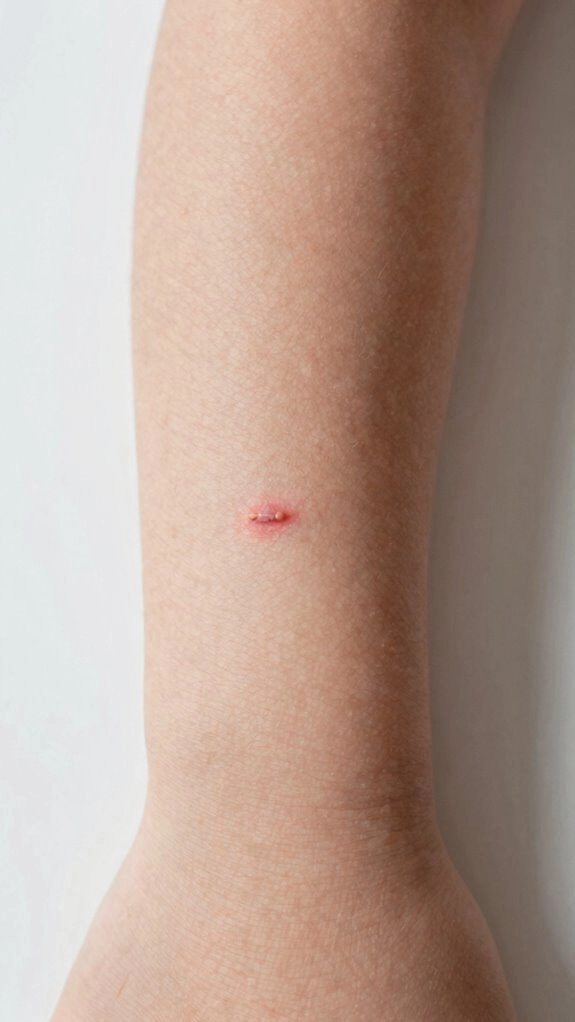
Your skin acts like a strong, flexible shield around your whole body. It blocks many germs and irritants, helping you stay comfortable while a scrape recovers.
Your skin also manages heat by sweating and changing blood flow. This keeps your body ready for repair.
- Wash gently with soap and water.
- Use sunscreen and moisturizer when needed.
- Tell an adult about rashes or wounds.
These habits protect your body’s outer barrier and reduce extra irritation. Adults can teach wound hygiene, while you learn to recognize healing signs, such as less redness and a closing cut. You’re part of a team.
Gentle activities like drawing can build hand-eye coordination while you recover and help your hands practice careful movements.
Why the Immune System Matters
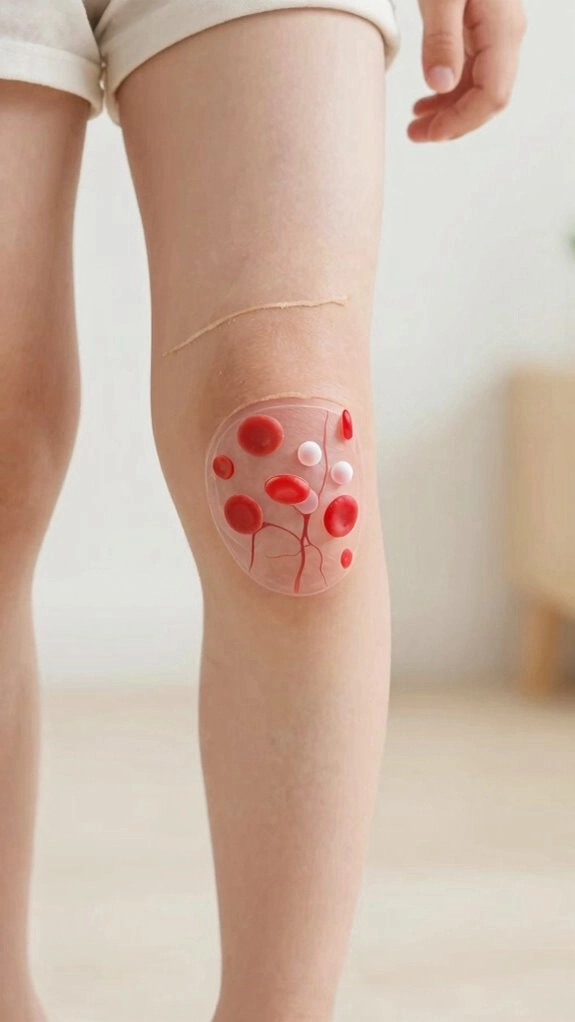
Inside you, the immune system works like a skilled safety team. It helps your body stay balanced after hard moments.
When stress lasts too long, your stress response can stay switched on. This raises cortisol and may confuse helpful immune signals.
Your nervous system also stays on high alert, making inflammation control harder.
You aren’t alone in this.
Safe adults, caring friends, and playful time help your body settle.
With repeated moments of comfort, your systems learn that they can relax.
This gradual practice can support appetite, healthy choices, recovery, and your growing ability to feel well each day.
Keeping a goal journal can help you notice small signs of progress and celebrate the caring habits that help your body feel safe.
How the Body Fights Germs
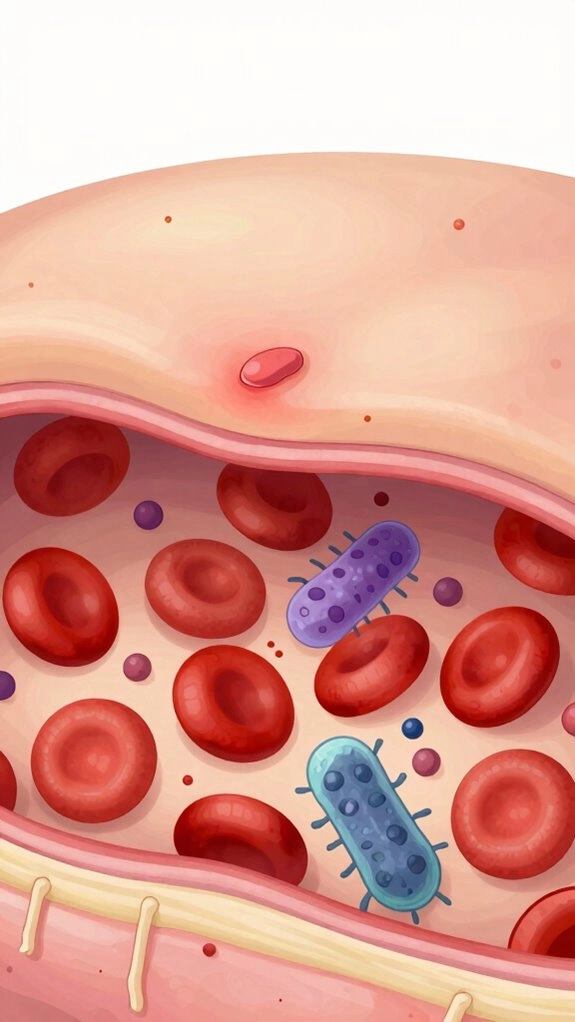
Each day, your body meets tiny germs that try to make you sick. You’re not alone: your body’s defenses join a strong team effort.
- Skin and a mucus defense block many germs before they enter.
- If germs get inside, immune signaling calls helpful cells to the spot.
- Healing inflammation brings warmth and swelling, while fever purpose is to slow germ growth.
Your fast innate defenses act first. Then responsive defenses learn the germ’s shape and remember it. Next time, your body can respond more precisely. These steps show how you belong to an amazing community of cells working together. Asking evidence questions about body changes can help you notice clues, such as warmth, swelling, or a fever.
Why Rest and Nutrition Support Recovery

During recovery, rest and nourishing food give your healing team important support.
Sleep helps calm your body’s alarm system. It gives your brain time to guide feelings and choices.
A flexible, soothing bedtime routine can steady your mood when worries feel big.
Food helps too. Vegetables, water, and fewer processed snacks can lower stress-related inflammation.
These choices support steady energy and appetite.
Hydration habits keep your body ready to do its work.
Create screen free calm before bed, then share balanced meals with people who care for you.
Sleep consolidation helps your brain sort new memories and supports clearer thinking the next day.
Together, rest and nutrition help your brain and body heal.
Simple Ways to Teach Children About Their Bodies
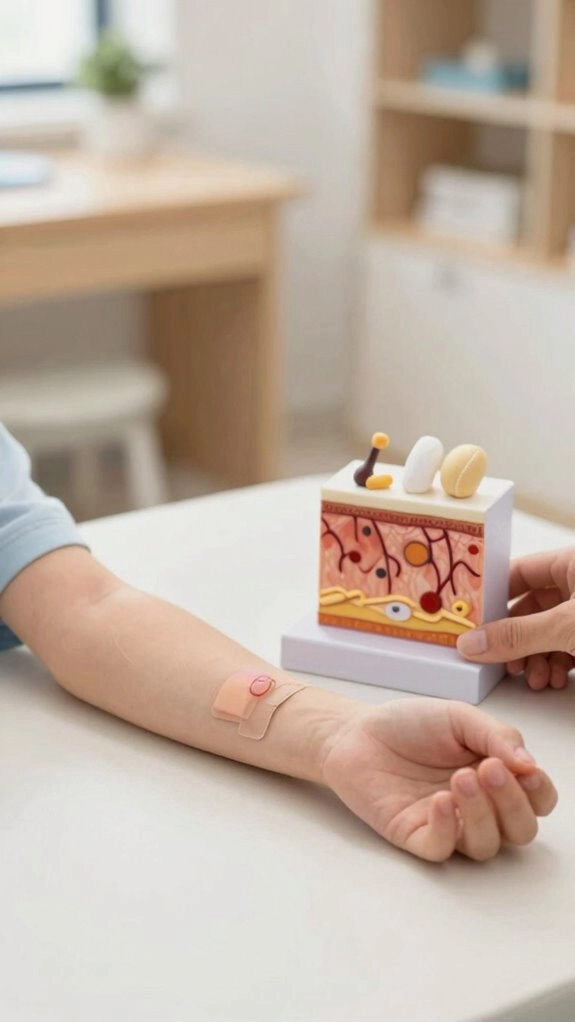
Your body has a built-in “help me” system that reacts to stress. It may fight, flee, or freeze when you feel unsafe. That’s your stress response, not your fault. You belong here, and you can learn your body signals together.
- Name clues: “My heart races” or “My stomach feels tight.”
- Try calm strategies: belly breaths, dancing, bubbles, or Play-Doh help your nervous system settle.
- Offer feeling choices: “Would you like a hug, water, or quiet space?”
As stress settles, your brain returns to prefrontal mode. Thinking gets easier. Practice tools when calm, and you’ll recognize them during strong emotions.