
The Science of Learning Through Repetition
- The Science of Learning Through Repetition
- Key Takeaways
- Why Repetition Helps the Brain Learn
- How Memory Is Formed
- Active Recall vs Passive Review
- Why Young Children Need Repeated Practice
- Spaced Repetition for Early Learners
- Balancing Repetition with Variety
- Common Mistakes Parents Make
- Simple Ways to Reinforce Learning Every Day
Repetition helps your brain turn new information into knowledge that lasts. Each time you revisit an idea, you strengthen connections between brain cells. Your hippocampus helps link new facts to what you already know. Don’t just look over notes; try answering questions without help. Short reviews spaced across several days work better than cramming. Add small changes, like new examples or games, to keep practice fresh. Keep going to uncover how learning can stick each day.
Key Takeaways
- Repetition strengthens memory pathways, making information easier to recall and more durable over time.
- Spaced repetition usually improves long-term retention more than cramming material into one extended study session.
- Active recall—answering without looking—builds stronger memory than passively rereading notes or watching explanations.
- Repeated learning supports consolidation, as the hippocampus and cortex strengthen connections after initial study.
- Varying practice times, settings, and question formats prevents mindless drilling while reinforcing the same core knowledge.
Why Repetition Helps the Brain Learn

Each time you revisit an idea, your brain makes its memory pathway stronger. This is why practice can help you feel more confident beside other learners.
Repetition and retention work best when you return to material more than once.
Soon after studying, you may forget much of what you learned. A quick review gives that idea another chance to last.
Synaptic strengthening mechanisms help explain this growing durability.
With several reviews and helpful gaps, your recall usually outperforms one long cram session.
Studies also show repeated learning can keep hippocampal activity steadier across longer periods.
Your steady effort matters.
How Memory Is Formed

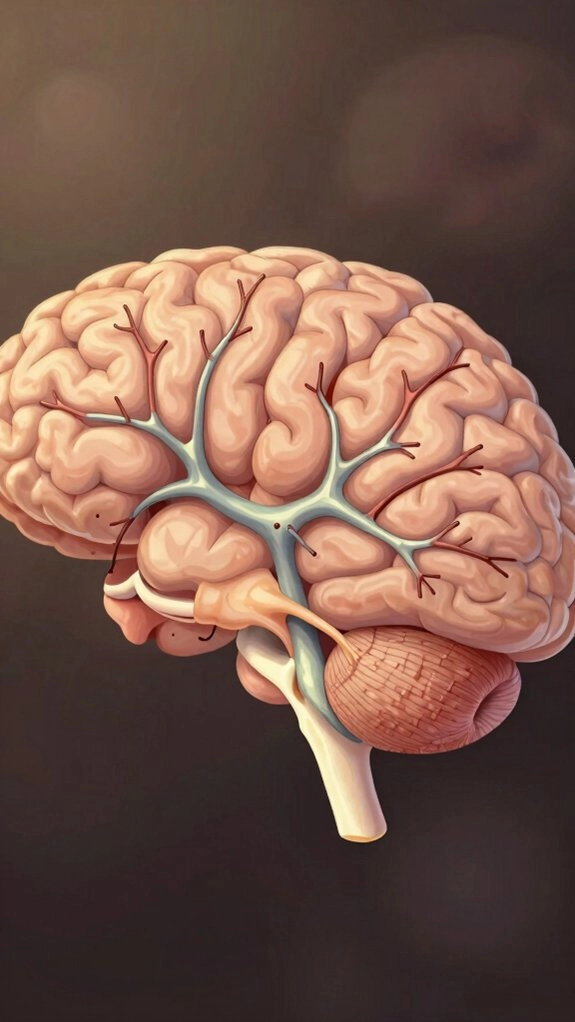
Memory-building begins when your brain notices something worth keeping. Each repeat helps a fresh trace become steadier, so you can feel connected to what your group is learning. Your brain builds lasting links through:
- synaptic strengthening between active brain cells
- hippocampal indexing that links a face with a scene
- Long term consolidation during time after learning
- stable hippocampus activity after several repetitions
- retrieval support from coordinated hippocampal and cortical networks
After six exposures, hippocampus works more strongly than after one. Some regions, including the perirhinal cortex and vLPFC, work less. This shift helps memories last from minutes toward months.
Active Recall vs Passive Review
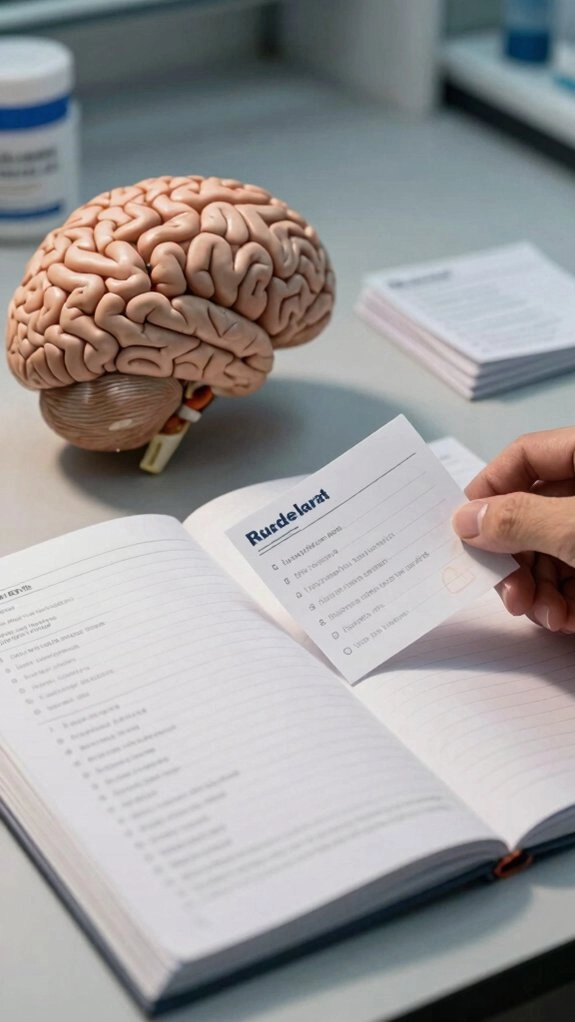
When you recall an answer without looking, your brain gives that memory stronger practice.
Reading notes again can feel helpful, but familiarity isn’t the same as knowing.
Active recall asks you to bring the idea back yourself.
That effort wakes up brain mechanisms, including the hippocampus, which helps connect clues and answers.
Turn study time into a team challenge: ask a question, pause, answer, then check.
This boosts attention involvement and shows what needs work.
Space these quick checks across several days.
You’ll build stronger memories and join other learners who grow through practice, one recall at a time.
Why Young Children Need Repeated Practice
Active recall grows even stronger when you practice it more than once. Your brain forgets quickly, sometimes losing half within an hour. Repeating a skill helps your hippocampus and cortex build a lasting memory trace. You’re not alone: every learner grows through practice.
- Playful repetition makes learning welcoming.
- Attention boosting games keep you involved.
- Parent led routines create support.
- Short focused sessions use multisensory cues.
- Memory friendly timing brings progress celebrations and comfortable challenge levels.
Each return helps you retrieve ideas after longer delays. That’s why repeated practice keeps learning from fading after minutes and helps you feel included.
Spaced Repetition for Early Learners
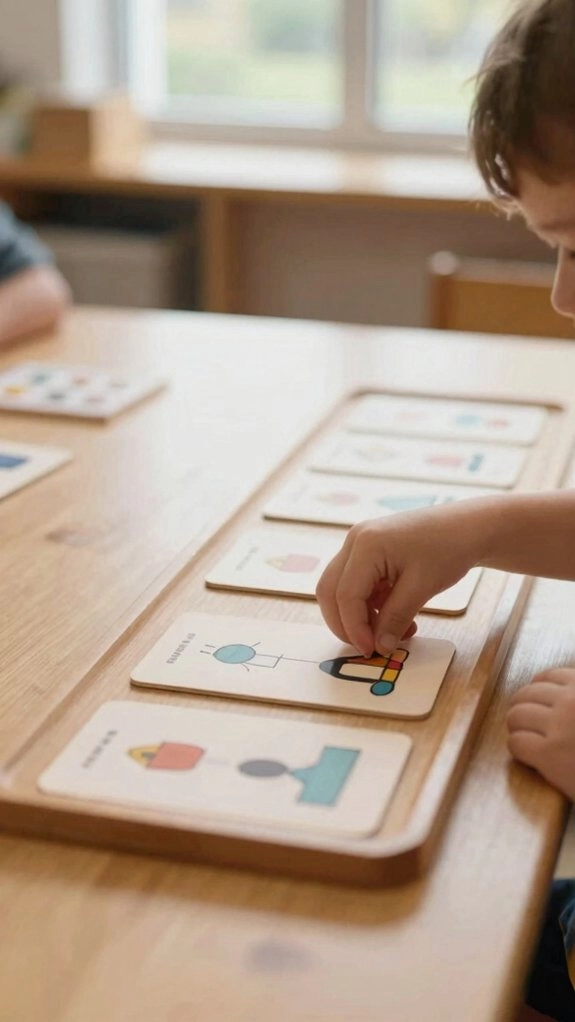
Spaced repetition gives your brain helpful breaks before you practice again.
When you first learn something, review it soon because memories can fade quickly.
Then let a little more time pass before each new practice.
You and your classmates can build confidence by trying to recall answers, not just rereading them.
Each recall attempt helps your memory grow stronger.
Parent guided practice can make these short sessions feel supportive and shared.
Try weekly review routines for skills that already feel familiar.
More reviews, wisely spread out, help learning last longer.
Pausing helps your brain prepare for success with friends.
Balancing Repetition with Variety

Although practice helps memories stick, your brain also learns better with fresh changes. You’re part of a learning team: mix repeats with small changes. Practical mindset shifts help you stay curious and confident.
- Review after a break, not nonstop drilling.
- Try sentence-making, then imagery, for contextual switching.
- Use short review intervals to strengthen retrieval cue strength.
- Test yourself at different times and places.
- Stop when focus fades, then return later.
Six rounds can deepen memory, yet your brain adjusts, so variety matters. Together, these choices make recall steadier from today through the coming weeks.
You’ll learn together over time.
Common Mistakes Parents Make
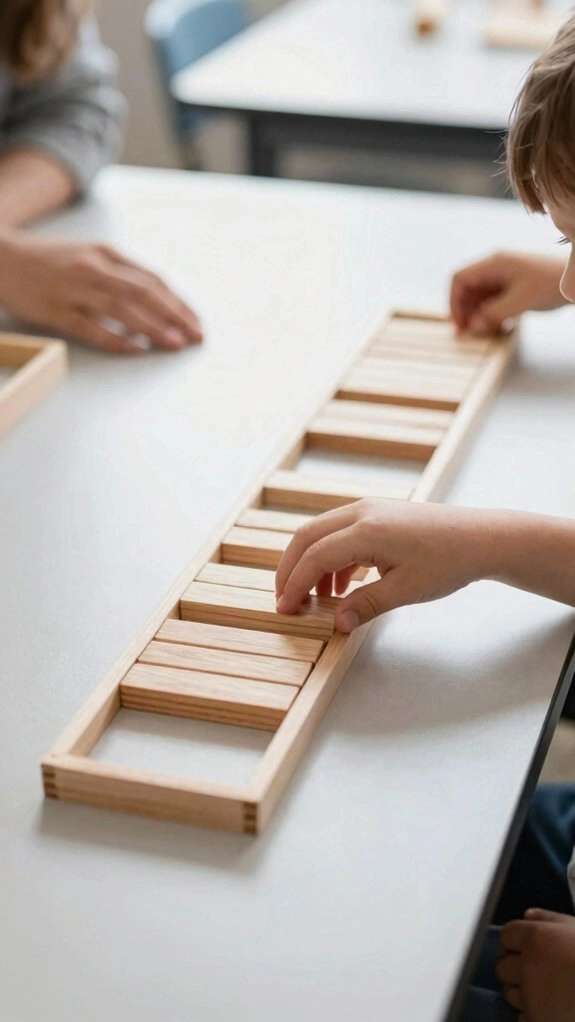
Variety keeps practice fresh, but parents can still make a few common mistakes.
You might Misread practice when you equate extra watching with learning.
Passive exposure feels easy, yet your child’s brain needs repeated learning across time.
Don’t Overlook retrieval: recognizing an answer isn’t the same as remembering it independently.
A Cramming mindset can create quick familiarity, but it fades after longer gaps.
Poor timing happens when one big session must do all the work.
There’s no One size approach, either.
Different memory areas respond differently to repetition.
Simple Ways to Reinforce Learning Every Day

You can build stronger memories through small review moments woven into each day.
Daily review helps your brain keep learning after a week or longer.
Try these shared habits:
- Use short practice after new lessons.
- Create memory cues with pictures or sentences.
- Plan micro sessions close together, then widen gaps.
- Use feedback loops to notice what needs another try.
- Add calm parent routines before bed for sleep support.
These steps build habit formation and a growth mindset.
You aren’t alone; everyone forgets at first.
Recalling answers, not just rereading, makes learning stronger.
Practice brings stress reduction to your group.