
Why Most Qualified People Still Don’t Get the Job

- Why Most Qualified People Still Don’t Get the Job
- Key Takeaways
- Why Qualified Candidates Still Miss Out
- The Real Odds In Executive Hiring
- Baseline Odds Aren’t Equal
- Risk, Bias, And Advocacy
- Why Job Postings Don’t Tell The Full Story
- What Recruiters Look For Beyond Skills
- Presence Over Paper
- Clear Signal, Not Noise
- Trust, Fit, Readiness
- Why Referrals Beat Applications
- When Roles Are Filled Before They’re Posted
- How Internal Candidates Change The Math
- Internal Advantage
- Hidden Head Start
- Odds Shift Fast
- Why Strong Resumes Still Get Skipped
- What Employers Notice After Reading Your Resume
- How Rambling Hurts Interview Performance
- What Clear Interview Answers Sound Like
- Why Applying More Stops Working
- Applying More Backfires
- Volume Creates Silence
- Build Smarter, Not Harder
- How To Build Daily Networking Momentum
- Why Visibility Matters More Than Volume
- Visibility Beats Applications
- Presence Builds Recall
- What Employers Read Beyond The Resume
- Why Transparency Signals A Better Process
- How To Reframe The Role Before You Chase It
- Why Some Searches Need More Than One Profile
- How Executives Win In Risk-Averse Hiring
You can be the strongest candidate and still miss out because hiring isn’t only about skill. Teams also look for a clear story, calm answers, and proof you’ll fit fast. A messy resume or long rambling interview can hide your best points. Referrals, insider trust, and hidden shortlists can matter too. Some jobs also need two different strengths, not just one. Keep going, and you’ll see how to turn that into an advantage.
Key Takeaways
- Hiring decisions often favor clear fit stories, not just credentials.
- Rambling interviews can hide strong points and weaken perceived confidence.
- Recruiter screens and hidden shortlists can eliminate qualified candidates early.
- Internal referrals and insider support often outweigh raw resume strength.
- Unequal odds, bias, and risk aversion make executive hiring especially unpredictable.
Why Qualified Candidates Still Miss Out

Even when you look like a perfect fit, you still might miss out. Your Credential Signal can impress, but it’s only one part of the picture.
Hiring teams also listen for your Interview Narrative. If you ramble, they may miss your best points.
If your story feels shaky, they may worry. Sometimes they choose someone with stronger support inside the company.
Other times, rigid checklists block you even when you could learn fast. So don’t blame your worth.
Focus on clear answers, simple proof, and a calm story that shows you belong.
The Real Odds In Executive Hiring

You might think the odds are fair, but executive hiring often starts with a tiny chance. By the first screen, you may be one of many strong people, and risk, bias, and insider help can shift the game. Even when you reach the end, you’re not facing equal odds, so one trusted candidate can change everything.
Baseline Odds Aren’t Equal
At the start of an executive search, the odds aren’t equal for everyone. You may look strong on paper, yet the field isn’t level.
A recruiter can screen 20 or more people before you get a real look. Then you may face four or five interview rounds.
That means your first chance at an offer is much smaller than it seems.
Decision criteria also matter, and narrative coherence helps you stand out.
Internal candidates, trusted referrals, and coached rivals all begin with an edge.
Your path is real, but it starts behind some others.
Risk, Bias, And Advocacy
Because executive hiring is full of hidden risk, the real odds can feel much lower than they look. You may meet strong people, yet preference mechanisms still shape the room. Decision psychology pushes leaders toward safe choices and trusted names.
| Factor | Effect |
|---|---|
| Insider status | More trust |
| Bias signals | Less risk |
| Internal champions | Better odds |
Why Job Postings Don’t Tell The Full Story

Even though a job posting looks official, it often tells only part of the story.
You may see a role online after recruiters already built Recruiter pipelines or used referral advantage to fill it.
Some postings mainly test the market or collect names.
Others hide that the team wants two different hires, not one.
You also can’t see who got noticed first or who already has trust.
Even “Easy Apply” jobs can move on a slow schedule.
So don’t treat the posting like the whole map.
It’s just one clue in a larger search.
What Recruiters Look For Beyond Skills

You need more than a strong resume; recruiters also watch how you show up in the room.
They want clear, simple answers that feel like signal, not noise, so they can trust your work style.
When you stay organized and easy to follow, you look ready, fit, and worth the risk.
Presence Over Paper
Showing up well matters as much as showing up skilled.
Recruiters watch how you act, not just what you know.
They notice if you stay calm, answer quickly, and follow through.
Those moments act like presence tests.
They show whether you can handle real work with care.
Your steady style can also send executive signaling, meaning you seem easy to trust and work with.
When you communicate kindly and obviously, people feel safer choosing you.
Some jobs go to people who are visible and connected, so being known can matter too.
You don’t need perfection.
You need reliable presence.
Clear Signal, Not Noise
A strong resume can open the door, but clear signals keep it open.
You need a role narrative that feels easy to follow and trust.
Recruiters scan fast, so your message discipline should make your value simple to remember.
They notice how you organize work, answer questions, and share timelines.
If you sound scattered, they may move on.
If you sound clear, you stand out.
In busy rounds, repeatable words help you stay in the group.
- Lead with one clear point
- Show how you work
- Keep updates prompt
- Avoid rambling
- Make your fit easy to see
Trust, Fit, Readiness
Even when someone looks qualified on paper, recruiters often ask a deeper question: can they trust this person to fit in and get the work done? You need trust signals, not just skill. | Clarity helps |
| — | — |
|---|---|
| Clear story | Lower risk |
| Team fit | Less friction |
| Calm interview presence | More confidence |
| Narrative clarity | Faster yes |
If your story feels tangled, they may lose interest fast. They want fit perception that says you’ll support the system. They also watch readiness. Can you work without lots of help? Can you explain yourself well? When your answers stay simple, you seem dependable, likable, and ready to belong.
Why Referrals Beat Applications

Referrals often beat applications because they can open doors before a job is fully public. In referral versus visibility, you’re seen as more than a resume. Closed door screening processes can move you ahead when checklists miss your value.
- You skip some first filters.
- You stay higher in the stack.
- You seem safer to hire.
- You get trusted advocacy.
- You show belonging, not just volume.
When 300 resumes pile up, your application can fade.
A referral gives you a human voice that says, “You fit here,” and that matters.
When Roles Are Filled Before They’re Posted

Sometimes the job is already spoken for before you ever click “apply.”
A company may decide on an internal worker or a referred candidate first, then post the role later.
That means you can be qualified and still miss the interview.
Internal selection happens behind the scenes, and the posting may only help fill process needs.
Pipeline signals drive, not always real hiring plans.
Some listings simply test the market or collect more names.
So don’t take silence as failure.
Keep learning, keep connecting, and remember you still belong in the search.
How Internal Candidates Change The Math

When you look at a hiring race, internal candidates often get a hidden head start.
They already know the team and have people rooting for them, so the odds shift fast.
That means your chances can change even when you seem just as qualified on paper.
Internal Advantage
Even if an outside applicant looks stronger on paper, an internal candidate can still have the edge. You’re not just seeing skills. You’re seeing trust, fit, and support from people inside.
- Executive referrals can open doors fast.
- Cultural advocacy helps others back you.
- Candidate sponsorship builds confidence in you.
- Internal visibility keeps your work known.
- Built-in relationships can ease worry.
That changes the interview math. A shortlist with you on it isn’t equal competition. Leaders already know your style and results. So the path can feel shorter, safer, and more welcoming for you.
Hidden Head Start
In many searches, internal candidates start with a hidden head start. You may see a fair race, but it isn’t equal. Inside names already have trust, known results, and insider sponsorship.
That lowers risk in the minds of hiring teams. Advocacy adaptation can also lift them before your interview even starts.
So your strong resume may face a smaller opening than the numbers suggest. When a search begins with many applicants, trusted insiders can pull the process toward them.
You still matter, but you must prove fit, skill, and flexibility from the first moment.
Odds Shift Fast
At first, the math can look simple, but it often changes fast. You may think four wins means a 20% shot, yet internal candidates bend the field.
Bayesian updating helps you see new facts. A trusted insider gets a boost from relationships and fit. That causes probability dilution for outsiders.
- Recruiter screens can start with 20+ names.
- Internal hires are easier to de-risk.
- Leaders often back a known person.
- External finalists face more caution.
- Clean stories and coach prep still may lose.
Why Strong Resumes Still Get Skipped
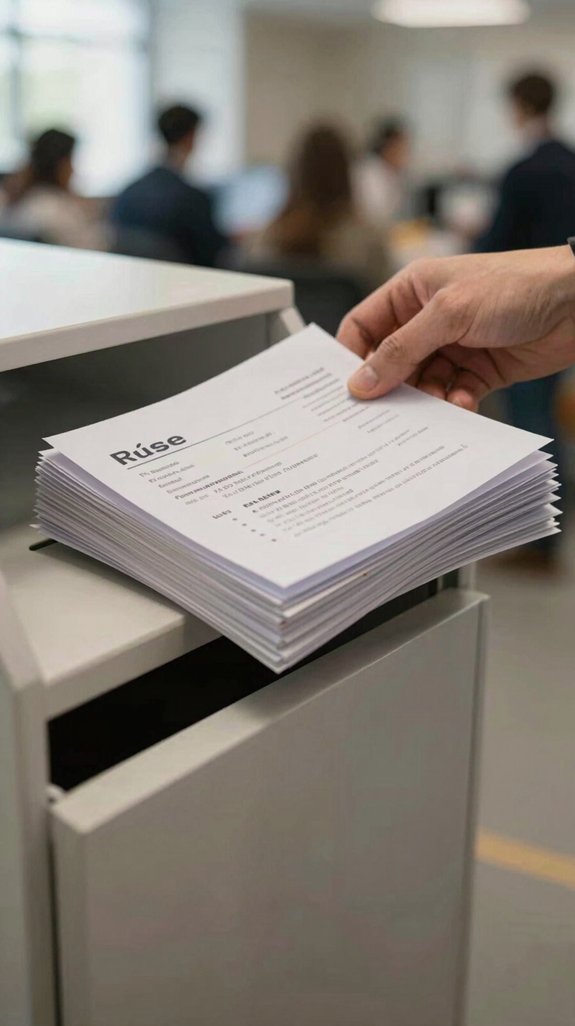
If your resume is strong, you might still get skipped for reasons that seem unfair. Hiring Filters can cut you early when a recruiter is testing the market or filling a hidden shortlist.
Your Resume Narrative may also feel hard to trust if gaps or moves look messy.
In big stacks, one missing detail can block you, even with years of good work.
Some teams want a simple fit story, not just skill.
So your name can slide past, even when you truly belong.
That’s frustrating, but it’s common.
Keep your story clear, steady, and easy to follow.
What Employers Notice After Reading Your Resume

After a recruiter opens your resume, they’re not just scanning words—they’re hunting for proof. They want signs you fit fast, belong on the team, and can do the job well. Your resume storytelling should show clear work scope, exact tools, and real results.
- Right certifications and levels
- Exact equipment or brand match
- Clear job titles and timeframes
- Signs you lead and also cooperate
- A clean story that boosts interview conversion
If your path looks messy, they may worry. In big applicant pools, small doubts can end your chance early. Even strong talent needs a neat, confident story.
How Rambling Hurts Interview Performance

In an interview, rambling can quietly sink a strong candidate. You may know the work well, yet long answers blur your best points.
When your thoughts wander, interview clarity drops and attention management gets harder for the hiring manager. They can feel bored or confused before they judge your skill.
That’s why concise impact matters. You need message structure that turns ideas into simple steps.
Listen for loops in your speech, then cut them off. Say the point once, then make it simpler.
This helps you sound clear, confident, and easier to connect with.
What Clear Interview Answers Sound Like

Clear interview answers sound like a quick path, not a maze.
You speak in one lane, one sentence, so they can see your value fast.
Think: “Say it again. But simpler.”
That’s not cold; it’s clear, and it helps you fit in.
When you build Candidate messaging, organizational structure, you turn thoughts into order on purpose.
That keeps your point steady and easy to follow.
Rambling sends a Boredom signal, attention drift, and your listener may miss your strengths.
Use short answers with purpose:
- state the point
- give one example
- stop on time
- match the question
- sound human
Why Applying More Stops Working

When you send out more and more resumes, the silence can grow instead of shrink.
Hiring teams often sort through huge stacks fast, so even good matches get missed.
You’ll usually get better results when you build a clear message and network with purpose, not just harder.
Applying More Backfires
The harder you spray applications, the more likely you’re to miss. You face tight qualifying criteria, and referral advantage often matters more than raw effort.
- More resumes can bury your signal.
- Most screens reject you early.
- Trusted names lower risk fast.
- One lane, one sentence helps.
- Roles may fill before you apply.
You’ll do better when you stop chasing count and start shaping a clear story. Hiring teams want someone they can picture on the job. So speak to their need, not the crowd. Then your fit feels real, not random.
Volume Creates Silence
More applications can make the silence louder, not smaller.
You send more, but silent pipelines still block most paths.
Applicant math looks hopeful, yet it often breaks at the first filter.
Many roles reach only a small screen of candidates.
Some get filled by referrals before you even see them.
So applying harder doesn’t always help.
It can also blur your story if each resume sounds different.
When you chase volume, you may feel busy but unseen.
Instead, focus on clear value and the right room, so people can notice you sooner.
Build Smarter, Not Harder
Often, sending out more job applications just makes the silence grow louder. You don’t need more resume noise.
You need a sharper story. When you keep changing tiny details and firing off lots of applications, recruiter silence grows.
That broken system rewards volume, not clarity. Build smarter by choosing one lane and one sentence.
Tell people the job impact you make, simply.
- Say it again, but simpler.
- Keep your message clear.
- Show one strong fit.
- Cut long explanations.
- Help them understand fast.
When you sound easy to follow, you feel like someone they can trust and invite in.
How To Build Daily Networking Momentum

Each day, you can build real networking momentum with small, steady steps.
Send 15 to 20 targeted outreach messages to people at companies you want.
Keep your focus on relationship building, not random asks.
Use insight requests, then wait a day and do daily follow ups if needed.
Your goal is consistent presence, so people start to know your name.
Stay kind and warm.
That warm visibility helps others feel safe around you.
Offer help during hard moments with real talk, not showy moves.
Over time, people remember you, trust you, and speak up for you when chances appear.
Why Visibility Matters More Than Volume

You can send many applications and still stay unseen by recruiters.
When you stay visible with steady, targeted outreach, people remember your name before a job even opens.
That’s why presence often beats volume, and a real connection can help you get noticed.
Visibility Beats Applications
Even when you send many applications, that doesn’t always help much. In crowded hiring funnels, you can be one more file.
Visibility beats applications because people choose names they already know.
Build steady presence online and in your network.
Ask for executive advocacy and friendly referrals. That helps decision recall when roles open.
- Show up before jobs appear.
- Share useful ideas often.
- Stay connected with target teams.
- Let trusted people speak for you.
- Make your name easy to remember.
When you feel seen, you join the circle sooner.
Presence Builds Recall
When hiring starts, being remembered matters more than sending one more application. You build recall when people see you often and know your name.
That steady presence can increase credibility and help you stand out in a crowd.
Post on LinkedIn, join real talks, and keep showing up with relationship consistency.
When you stay connected, warm referrals come easier because people trust what they remember.
Executive networking works best when you don’t vanish after one message.
Each touchpoint gives hiring managers a shortcut. They match your face, voice, and value to the opening, and you stay in mind.
What Employers Read Beyond The Resume

A resume gets your foot in the door, but employers read much more than that. They watch your role execution in real time and notice if you stay calm and organized.
They also listen for signal clarity, because clear words show respect for their time.
Your communication structure can show organizational fit and help people feel you’ll belong there.
- You solve tasks without extra confusion.
- You support how the team already works.
- You speak in short, clear steps.
- You avoid rambling and keep attention.
- You turn skills into simple outcomes.
When you sound steady, people trust you faster.
Why Transparency Signals A Better Process

Clear communication matters in the hiring process too. When you get timelines and next steps, you feel seen. That kind of transparency cuts Pipeline ambiguity and invites real candidate follow up.
Even scheduled delays can still show respect when a recruiter says what’s happening and why. You don’t wonder if your application disappeared. You know the process is alive.
That honesty also pushes back on empty postings and hidden decisions. When a team closes filled roles fast and labels future resume collection, you notice governance clarity.
It feels fair, and it tells you the process has care behind it.
How To Reframe The Role Before You Chase It

Before you chase a job, stop and ask what the role really needs. You may face a Role Misread, where one title hides two needs.
One path wants leadership that opens markets. Another wants steady help that moves work inside the team. Listen to Market Feedback and adjust what you signal.
- Name the core problem first.
- Check if the role asks for growth or structure.
- Show the profile that fits best.
- Rework your message, not just your résumé.
- Keep moving each day with fresh outreach.
When you reframe well, you stop chasing ghosts and start finding your place.
Why Some Searches Need More Than One Profile

Sometimes a job search isn’t really asking for one perfect person. You may see a role that mixes big-picture judgment with hands-on work.
That’s where Hiring Tradeoffs show up.
The team might need Role Partitioning, not one all-around star.
You can match 80% or even 90% and still miss the mark if the search wants two strengths at once.
One part may need senior market sense.
Another may need steady internal action.
When market feedback changes, the team may shift from one profile to two.
That helps you understand the real need and where you fit.
How Executives Win In Risk-Averse Hiring

At the executive level, hiring gets much more careful. You face many rounds and a crowded field, so you must lower doubt fast.
Interview storytelling matters, because your past must feel clear and steady.
Risk perception management means you answer age, gap, and change concerns before they grow.
You also need trusted allies inside the company. Their voice can tip the choice your way.
– Prepare sharp stories – Research the company deeply – Build internal champions – Rehearse hard questions – Show calm, fit, and value