Kids Worksheets Preschool That Support Everyday Learning
- Kids Worksheets Preschool That Support Everyday Learning
- Key Takeaways
- Why Preschool Worksheets Should Be Hands-On
- Choosing Worksheets Based on Developmental Stages
- Alphabet Practice Sheets
- Number Recognition Worksheets
- Shape Matching Activities
- Pattern Recognition Worksheets
- Scissor Skills Printables
- Coloring Worksheets with Learning Goals
- Using Worksheets Without Overwhelming Young Learners
- Printable Tips for Parents and Teachers
Preschool worksheets can help you practice everyday skills through touching, moving, coloring, and creating. Start with simple letter matching, number circles, and shape outlines that build confidence. You can trace letters, count familiar pictures, finish patterns, and cut safe practice lines. Choose one small challenge after each success, such as writing a number or naming a pattern. Keep sessions short, cheerful, and hands-on so learning feels like play. Ahead, you’ll find tips for every page.
Key Takeaways
- Choose hands-on worksheets with tracing, coloring, matching, sorting, and cut-and-paste tasks to build fine motor skills through active learning.
- Start with simple activities, then gradually add counting, shape, pattern, and early-writing challenges suited to your child’s development.
- Use alphabet worksheets for letter recognition, uppercase and lowercase tracing, sound matching, and completing missing-letter sequences.
- Support number confidence with 0–10 recognition, object counting, number tracing, color-by-number, and drawing activities.
- Include shape, pattern, scissor, and coloring worksheets to strengthen early math thinking, hand control, attention, and step-following.
Why Preschool Worksheets Should Be Hands-On
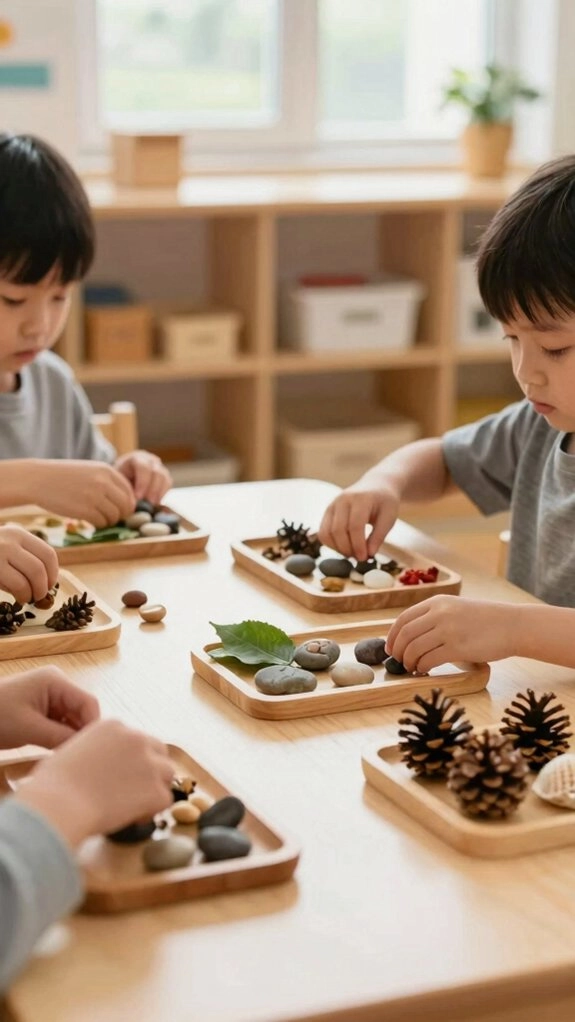
Preschool worksheets work best when you can touch, move, and create with them. You’ll feel part of the learning as you trace shapes, color pictures, and match cards.
These actions build fine motor practice and prepare your hand for writing. Sensory involvement makes each page more memorable because you see, feel, and do.
Participatory learning lets you circle numbers, draw answers, or sort items. Your active participation turns practice into finding.
Try dot-to-dots, letter paths, and cut-and-paste tasks. You can practice noticing details, following steps, and staying focused.
Each hands-on worksheet helps you learn alongside your classroom community.
Choosing Worksheets Based on Developmental Stages
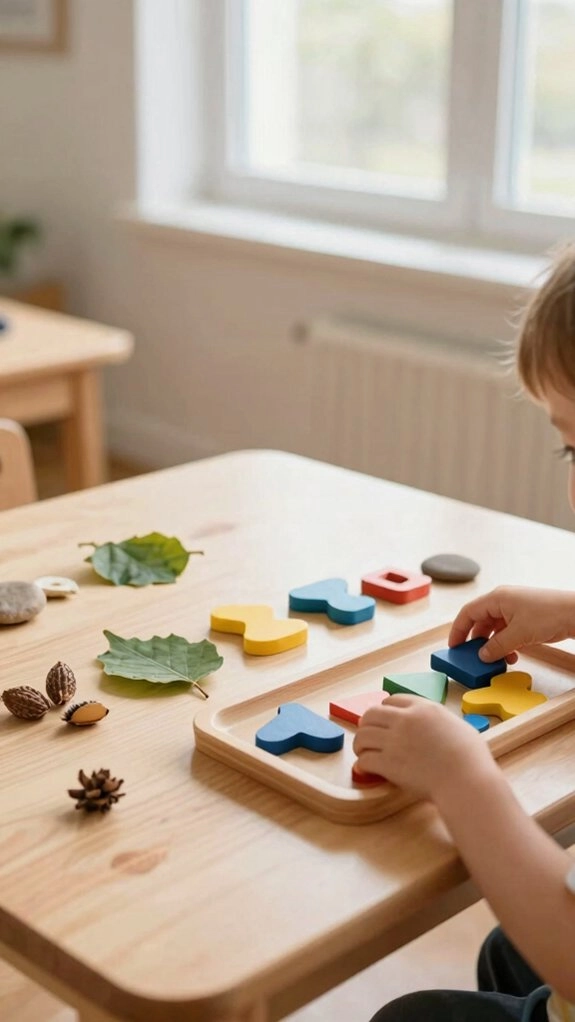
Hands-on learning works even better when each worksheet matches your current skills. Begin with simple matching or coloring tasks that build steady hand control and counting confidence.
Age appropriate pacing helps you feel successful alongside other young learners. Keep a skill progression focus: choose recognition first, tracing next, and independent practice later.
Check the activity type too. You’ll often start with engaging pages before print-and-color or cut-and-paste work.
A good worksheet difficulty balance adds just one small challenge. For kindergarten-ready learning, mix numbers, shapes, and early writing in child friendly routines.
You’re growing step by step with the group.
Alphabet Practice Sheets
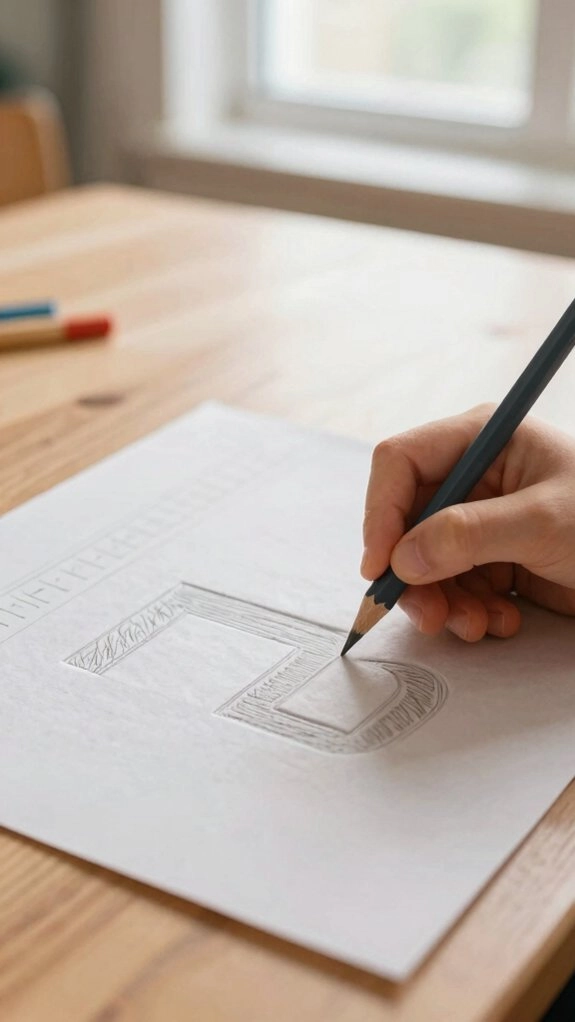
As you study alphabet practice sheets, you’ll learn how each letter looks and sounds. Trace uppercase and lowercase letters to build steady handwriting skills.
You’ll join other growing readers as you match letters and complete missing-letter prompts.
These Letter recognition games help you connect shapes with beginning sounds.
Finish-the-alphabet pages let you place A–Z in order.
Try weather or sky themes that make practice feel familiar and fun.
Add fine motor warmups with dot-to-dots, handwriting lines, or sentence tracing.
Each small step helps you feel confident sharing your new skills with your classroom community every day and at home.
Number Recognition Worksheets
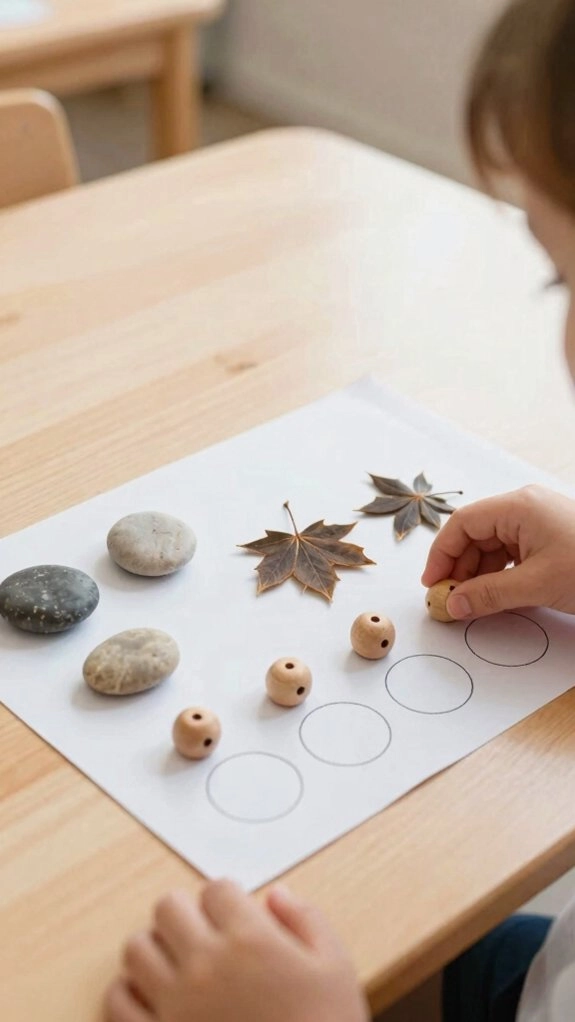
Once you know your letters, you can start spotting numbers all around you. Number recognition worksheets help you identify numerals from 0 to 10 while building confidence with your learning community. Try fish, ducks, balloons, and sunny pictures that make pages feel familiar.
- Circle the number that matches a group of objects.
- Use color-by-number ducks or balloons to connect numerals and amounts.
- Trace numbers, then try Draw to Add pages.
You can enjoy Day to day counting games and numeral scavenger hunts with friends or family. Each activity helps your hands and brain work together. You’ll notice numbers everywhere.
Shape Matching Activities
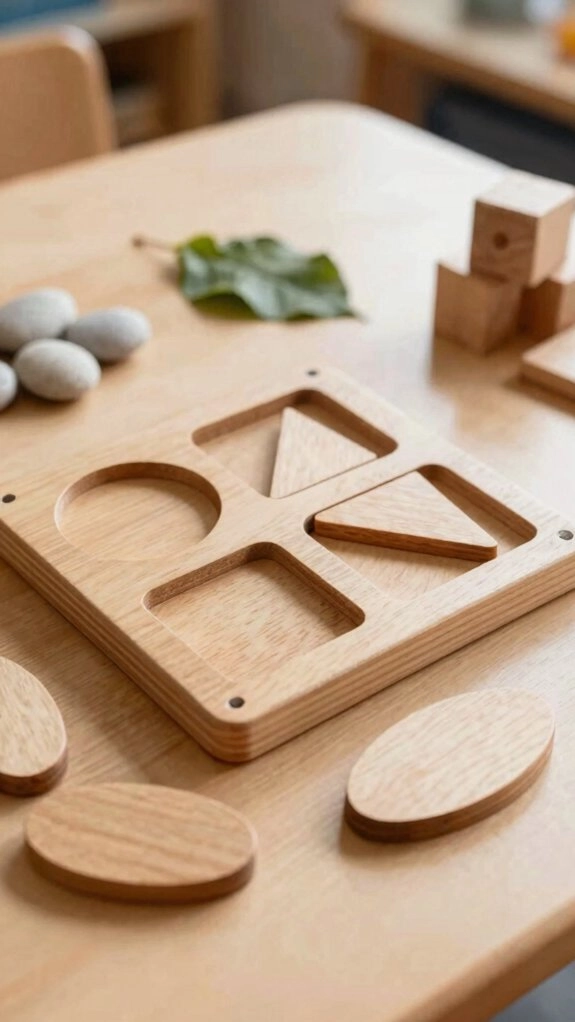
Shape matching activities help you spot circles, squares, triangles, and rectangles with ease. You can trace and color each shape, then practice matching outlines. These friendly tasks help you join learners who notice shapes everywhere. Shape sorting games build shape vocabulary growth and early math skills. Cut, place, and compare printable pieces at home or in a classroom center. Your hands grow stronger as you trace, color, and sort. Try a quick challenge during your day.
| Shape | Try |
|---|---|
| Circle | Find a round kitchen lid |
| Square | Match a wooden block |
| Triangle | Point to a triangle sign |
| Rectangle | Sort a book |
Pattern Recognition Worksheets
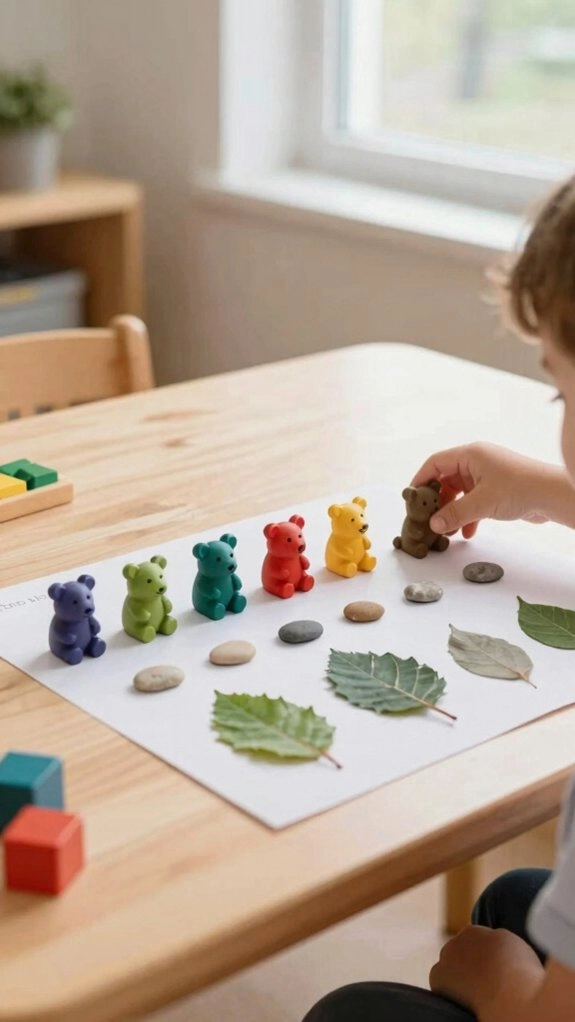
After matching shapes, you can uncover patterns that repeat in fun new ways. Pattern recognition worksheets help you spot ABAB, ABC, and color or shape sequences. You’ll join other young learners as you predict what belongs next, strengthening early math skills and building logical thinking.
- Complete pattern strips with bears, blocks, or pictures.
- Match repeating parts and name the unit that returns.
- Look for Everyday routine patterns, like socks, meals, or bedtime steps.
Regular practice helps you feel ready for counting patterns, number operations, and future STEM uncoveries. Every correct guess shows that you’re learning how ideas connect together.
Scissor Skills Printables
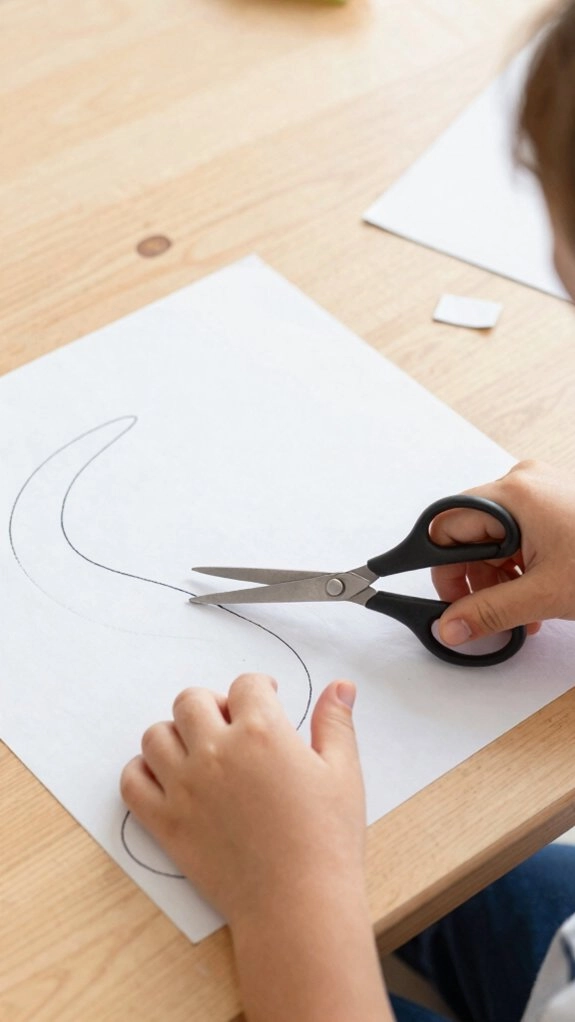
Scissors can help you turn simple lines and pictures into hands-on learning fun. You can begin with safety routines and kid-friendly scissors, then trace and cut straight lines.
Next, try curves, zigzags, and simple shapes from animal, ocean, or transportation pages. Your hands work together: one cuts while one holds the paper steady.
This builds hand strength, grip, and control with each short practice session. Add counting, matching, or tracing after cutting for an extra challenge.
Sensory cutouts and cut-and-paste projects make great Rainy day activities. As you practice, you’ll join many young learners building skills confidently every day.
Coloring Worksheets with Learning Goals
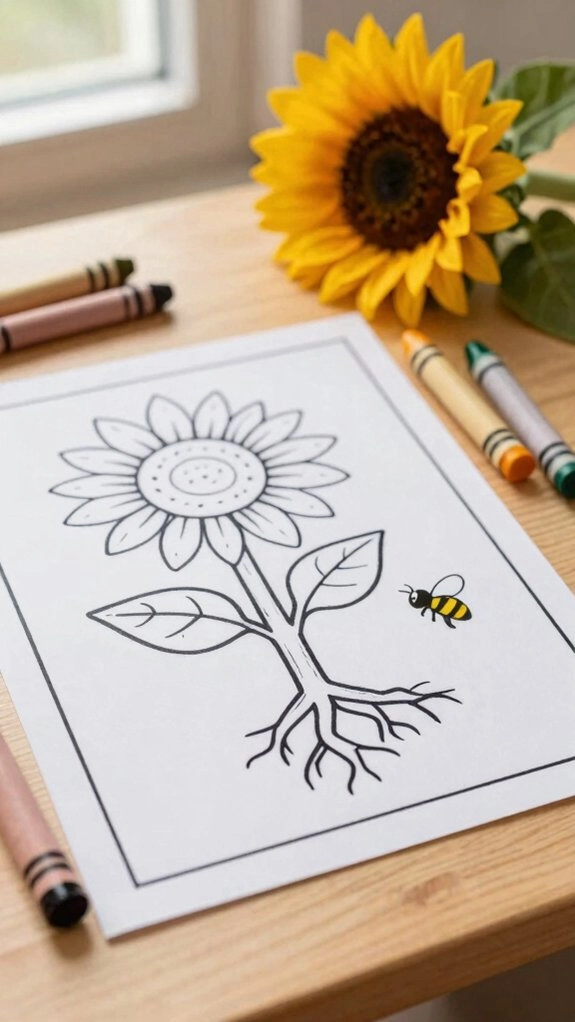
Coloring turns each bright page into a small learning adventure you can enjoy. You belong in this creative learning team, where every crayon mark builds skills.
- Try Color by Number ducks or balloons. You’ll count, match, and use one-to-one correspondence while choosing colors.
- Try letter pages. You can trace, match uppercase and lowercase letters, or write missing sounds.
- Choose Sunny Day or observation themes for Color mixing exploration and sensory color learning. You’ll notice details, learn new words, and strengthen hand control for writing, cutting, and tracing.
Share your page proudly with friends and celebrate discoveries you made together.
Using Worksheets Without Overwhelming Young Learners
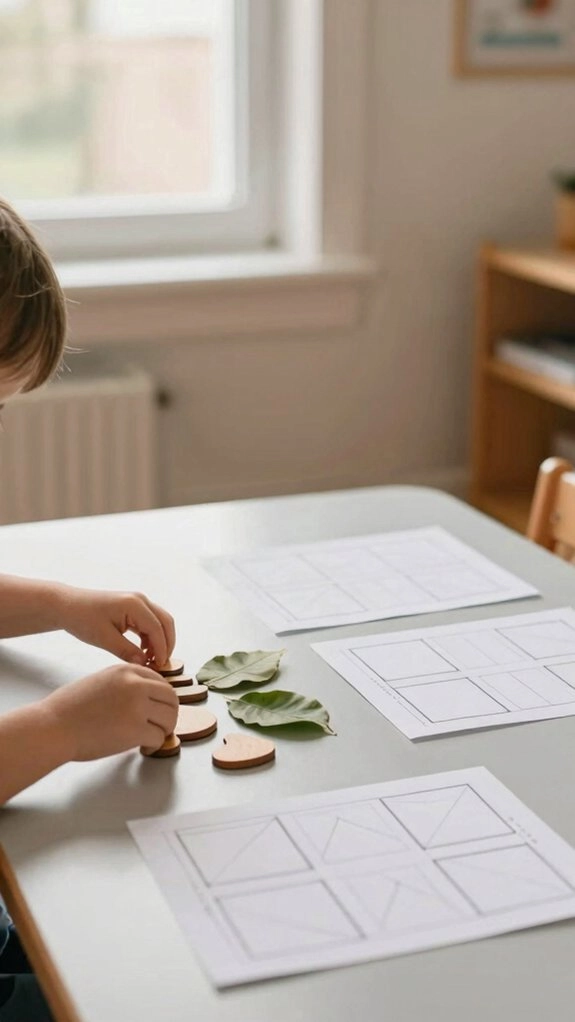
A small worksheet can feel like a fun challenge when it has one clear job. You belong in the learning team, so choose letters, numbers, shapes, or phonics one at a time. Short sessions create quick wins and protect your focus.
| Try | Then |
|---|---|
| Trace a letter | Sort matching objects |
| Color a fish number | Count buttons |
Use simple directions, such as “Circle the Number.” Rotate tracing, matching, and cut-and-paste pages. A calm classroom setup pairs each page with sensory play. Thoughtful worksheet pacing lets you investigate familiar sunny-day or balloon themes, then finish feeling proud with your learning friends nearby.
Printable Tips for Parents and Teachers
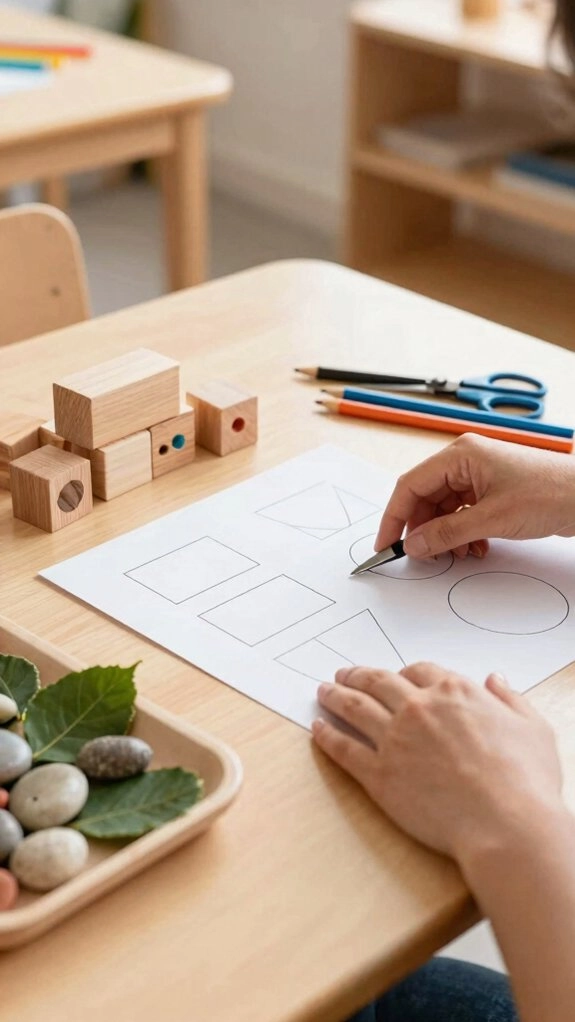
Once short pages feel manageable, printables make learning plans easier for everyone. You can choose a small goal and celebrate each step together.
- Try letters, phonics, number recognition, shapes, or tracing for steady practice at home and school.
- Use Weekly skill planning to match pages with counting, stories, simple addition, or social-emotional skills.
- Add Classroom routine ideas, such as block-center number cards, job charts, and sign-in sheets, for hands-on belonging.
Pair a color-by-number page with daily plans to save preparation time. Free choices offer variety, while a $24 yearly membership removes ads and opens exclusive resources. You’re building belonging.