Then and Now Comparisons That Reveal How Fast Human Behavior Changes

- Then and Now Comparisons That Reveal How Fast Human Behavior Changes
- Key Takeaways
- What “Then and Now” Reveals About Time
- Why Routine Makes Time Feel Faster
- Novelty Slows Time
- Routine Narrows Awareness
- How Novelty Slows Perceived Time
- What Information Processing Does to Time
- Information Load and Duration
- Attention, Novelty, and Time
- How Absorption Changes Time Perception
- Why Boredom and Anxiety Speed Time Up
- Boredom’s Diffuse Attention
- Anxiety’s Restless Chatter
- Why Time Perspective Changes With Age
- What Time Perspective Means?
- Time Perspective Basics
- Past Present Future
- How Past, Present, and Future Focus Work
- Why Past Focus Can Lower Self-Esteem
- How Present and Future Focus Help More
- What Adolescent Time Perspective Looks Like
- How Time Perspective Shifts in Adulthood
- What These Comparisons Reveal About Change
When you compare then and now, you notice how fast behavior shifts. Teens often think ahead, while adults focus more on today. Routine can make days blur together and feel faster. New places, ideas, and people can slow time because your brain notices more. Past-focused thinking can hurt self-esteem, but balancing present and future often helps you feel steadier. These comparisons show that time shapes how you act, feel, and grow, and there’s more to uncover next.
Key Takeaways
- Then-and-now comparisons show identity shifts over time, especially as past, present, and future priorities change with age.
- Teens usually focus more on the future, while older adults often focus more on the present.
- Replaying past mistakes can lower self-esteem and make personal change feel smaller than it is.
- Balancing present and future thinking supports steadier identity and a more hopeful self-view.
- Routine makes time feel faster, while novelty and new learning make time feel slower and fuller.
What “Then and Now” Reveals About Time
When you compare “then” and “now,” you can learn a lot about time itself. Your Generational timelines show how your focus shifts with age. As a teen, you may look ahead. Later, you may care more about today.
That change can shape your time narrative and your identity change. Memory biases can also color what you think is true. When you hold onto the past too tightly, self-esteem can dip.
When you balance present and future, you often feel stronger. New experiences help you notice each day, and that can make time feel richer, not rushed.
Why Routine Makes Time Feel Faster

When your days look the same, your brain notices fewer new details.
That makes time feel narrower and faster because routine crowds out fresh moments.
New places, hobbies, and mindful noticing can slow that rush and make days feel fuller.
Novelty Slows Time
New things can make time feel slower because your brain has more to notice.
When you visit new places, try new hobbies, or meet new people, each moment feels fuller.
That’s why Childhood memories often seem so long and bright.
Fresh experiences also shape aging perceptions, since fewer new moments can make later years rush by.
In one Oxford conference, four days felt like three weeks to many delegates.
A study found most adults say Christmas comes faster each year.
You can slow that rush by paying close attention and staying present.
Routine Narrows Awareness
Because routine repeats the same sights and sounds, your brain has less to notice. You absorb fewer fresh details, so days can seem to shrink. When your habits turn automatic, you miss more of what’s around you.
That narrow focus makes time feel quicker because your mind isn’t stretched. Adults often notice this with holidays that seem to fly by each year.
You can slow that feeling with novelty routines, like new walks or hobbies. Mindfulness training helps too, because it teaches you to notice small moments and feel more present each day.
How Novelty Slows Perceived Time

The more your brain has to process, the slower time can seem. In Childhood Learning, your Brain Plasticity soaks up new sights and sounds, so days feel long.
Your Attention Switching works hard, and Novelty Seeking keeps you alert. As you grow up, routines make moments blur.
A busy conference or a fresh class can stretch one hour into a huge memory. That’s why 77% of adults say Christmas comes faster now.
You can slow that rush by trying new places, new people, or mindful breathing. Then each day feels fuller, and you belong in it.
What Information Processing Does to Time

When you take in lots of new information, time can feel like it slows down.
Your attention changes how long events seem, so a busy day can feel much longer than a quiet one.
New places, fresh ideas, and strong interest can make the same minutes feel bigger in your mind.
Information Load and Duration
As your brain takes in more information, time can feel like it stretches out.
When you learn a lot at once, your mind works harder, and the moment seems longer.
At a then now conference, day three can feel like three weeks because you’ve met new people and heard many talks.
Even a 45-minute lecture can feel longer when it grabs you.
As you age, time may seem to speed up because fewer new things stand out.
To slow that rush, try new hobbies, travel, or mindfulness.
Your attention shifts, and you notice life more deeply.
Attention, Novelty, and Time
Often, time feels different because your attention changes what your brain notices.
When you stay alert and meet something new, your mind processes more, so moments can stretch.
When you fall into routines, time can rush by.
At that Oxford conference, one 45-minute talk felt long or short depending on how lively it was.
You may notice the same thing in seasonal memory, like Christmas seeming closer each year.
Comparative storytelling can help you spot these shifts.
Try new places, hobbies, or mindful pauses, and you’ll make time feel fuller again.
How Absorption Changes Time Perception

Because your brain absorbs more information, busy moments can feel much longer. When you sink into new sights, talks, and people, you process more details. That extra work stretches your sense of time.
At a conference, one day can feel like three weeks. Even a 45-minute talk can fly or crawl, depending on how involved you are.
As you get older, life may seem faster because fewer new moments get in. You can slow that rush with novelty and mindfulness practice.
Strong attention control helps you notice more and feel time fully.
Why Boredom and Anxiety Speed Time Up
When you’re bored or anxious, your attention spreads out and your mind starts chattering.
You may think about bits of the past or future, and that can make the day feel shorter.
Because you notice less new detail, time can seem to race by.
Boredom’s Diffuse Attention
If you’ve ever been bored or anxious, you may have noticed something strange: time seems to race ahead.
That happens when your attention gets loose and scattered.
Your mind starts filling gaps with old worries and future guesses.
With less fresh input, your brain processes fewer details, so minutes feel shorter.
New sights, sounds, and tasks usually slow time down because they add rich information.
That’s why a busy conference can feel long, while boredom does the opposite.
Chronotype effects and mindfulness training can shape this too, helping you stay present and more aware as days change.
Anxiety’s Restless Chatter
That loose, wandering attention doesn’t just happen with boredom. Anxiety does it too. Your mind starts its restless chatter and scans for danger. That leaves less room for new details, so time feels faster.
- Media loops, attention drift
- Uncertainty habits, worry rumination
- You replay the past and future
- You miss fresh sensory moments
- You feel days slip by
When you’re absorbed, you notice more, and time slows. A big conference can feel like three weeks after day three. New hobbies, travel, and meditation can help you feel present and belong in the moment.
Why Time Perspective Changes With Age

As people grow older, their view of time often shifts in surprising ways. You may notice that teens and young adults think most about the future.
Later, you may focus more on today. Mental aging can bring attention narrowing, so new moments feel fewer.
That changes time flexibility, and days can seem to race by.
Novel experiences make time feel longer, but routine speeds it up.
People who lean on the past too much often show lower self esteem.
When you balance present and future, you usually feel better.
Many adults even feel holidays arrive faster each year.
What Time Perspective Means?

Time perspective means how you think about the past, present, and future.
You might focus more on one time period, or see them as linked together.
When you notice all three, you can better understand your choices and feelings.
Time Perspective Basics
Ever wonder why people think so differently about their lives? Time perspective is the way you think about the past, present, and future all at once.
- You may feel past nostalgia and hold on to old memories.
- You may use future planning to set goals and feel ready.
- You may practice present mindfulness and notice what’s happening now.
- You build time awareness when you see how moments connect.
- Your time style can shape self-esteem and how you fit in.
Some people focus more on one time. Others link all three together.
Past Present Future
Maybe you’ve noticed that some people live in old memories, while others plan ahead. That’s time perspective: how you think about the past, present, and future.
You may lean toward one time more than another, or feel they’re linked. Teens and young adults often focus on the future, so adolescent planning feels strong.
Later in life, people often think more about today. If you dwell on negative memories, your time self esteem can drop.
But when you balance present and future, you often feel better, steadier, and more hopeful.
How Past, Present, and Future Focus Work

When you think about the past, present, and future, your mind does more than one job. You weigh each time, and you also link them together. In youth, you often lean toward the future. As you grow older, the present gets stronger. That shift can feel familiar, and you’re not alone in it. Novelty effects can make time seem slower, while routine can make it rush. Research also shows selfesteem links: past-heavy focus often hurts, but present-and-future focus can help.
- past
- present
- future
- interrelated time
- belonging grows
Why Past Focus Can Lower Self-Esteem

Focusing too much on the past can hurt how you see yourself.
When you replay old mistakes, you may start making self narrative comparisons that leave you feeling smaller.
Past-negative thoughts can make regret feel louder than growth.
That can lower self-esteem in teens, adults, and older people alike.
You might judge your worth by one bad chapter instead of the full story.
When the past gets too much weight, it shapes how you view your present and future.
How Present and Future Focus Help More
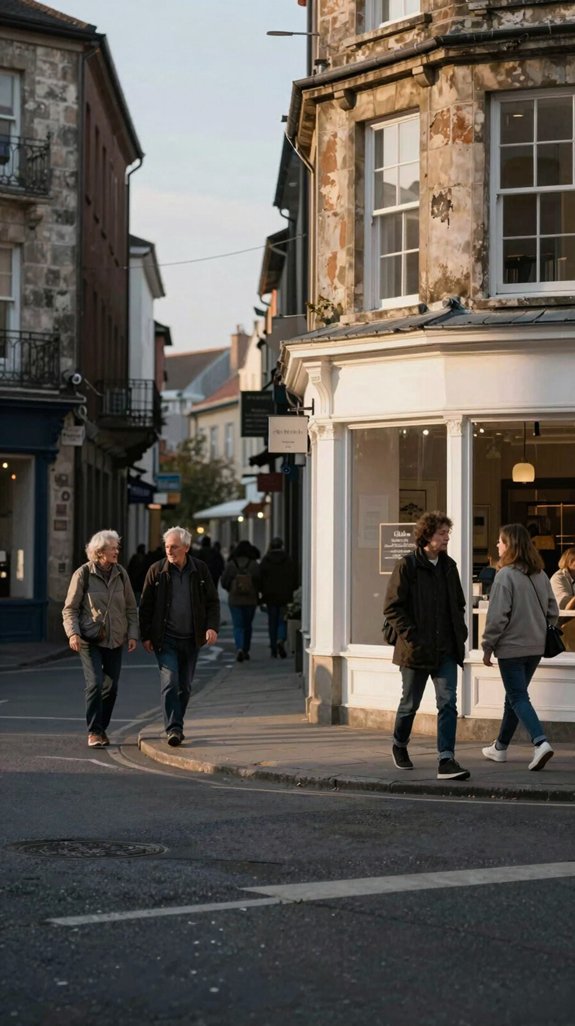
Looking ahead can give you a stronger and kinder view of yourself. When you balance today with tomorrow, you build Interplay Motivation and steady Identity Formation. That mix helps you feel capable and connected. You’re not stuck in the past. You can plan, act, and grow with others.
- Present and future focus links to higher self-esteem.
- This pattern helps adolescents and adults.
- A heavy past focus can weigh you down.
- Seeing time as connected supports growth.
- Planning and meaning-making make your future feel real.
You belong in that hopeful path, and it starts now.
What Adolescent Time Perspective Looks Like

During adolescence, people often think most about the future. You may picture who you’ll become and where you’ll fit in. That future focus can support Identity development, while a mix of present and future thinking often helps self esteem formation most.
You might still think about today, but less than you do about tomorrow. If you focus too much on the past, your confidence can dip.
Teens also often feel these time periods aren’t tightly linked. So your view of time may feel split, but it’s still full of hope and possibility.
How Time Perspective Shifts in Adulthood

As people grow up, their view of time usually changes in clear ways. You may notice adults think less about the future and more about today. That shift fits adulthood priorities and socioemotional selectivity, which favors close feelings now.
- Young people often plan far ahead
- Middle-aged adults focus more on the present
- Older adults may think about the past too
- Balancing present and future can support self-esteem
- Time links can feel different at every age
When you belong to a stage of life, your time focus can change with it.
What These Comparisons Reveal About Change

These comparisons reveal that change is a normal part of life and human history.
You can see Cultural Evolution in shrinking jaws, altering brains, and rising heights.
You also see Behavioral Plasticity when people and bodies adjust to new diets, tools, and daily habits.
Climate Constraints formed skin, noses, and hair as humans moved into new places.
Your Life History also matters, because age changes how you think about the past, present, and future.
Together, these patterns show that you’re part of a species that keeps evolving.
That’s pretty amazing, and you fit right into that story.