Games for Kids That Build Thinking and Problem-Solving Skills
- Games for Kids That Build Thinking and Problem-Solving Skills
- Key Takeaways
- Why Problem-Solving Games Build Kids’ Skills
- Puzzle Games for Problem Solving
- Building Problem-Solving Games for Kids
- Build, Test, Improve
- Balance and Stability
- Creative Design Challenges
- Strategy and Memory Games for Kids
- Planning Through Play
- Memory and Focus
- STEM Challenges for Kids to Test Ideas
- Role-Play and Community Problem-Solving Games
- Outdoor Problem-Solving Games for Kids
You build stronger thinking skills when you play games that make you plan, test, and try again. Try jigsaw puzzles, memory matches, Sudoku, or building challenges with blocks. You can build a bridge, test its strength, and improve it. Outdoor scavenger hunts and obstacle courses teach teamwork and quick choices. Role-play games help you solve everyday problems too. Keep going to uncover more fun ways to grow your skills.
Key Takeaways
- Use puzzle games like jigsaws, Sudoku, and matching cards to build pattern recognition, memory, and logical thinking.
- Try building challenges where kids design, test, and improve towers, bridges, or marble runs.
- Play strategy games that require planning ahead, adapting after mistakes, and explaining choices to teammates.
- Create outdoor scavenger hunts and obstacle courses that encourage teamwork, route planning, and quick decisions.
- Choose cooperative trust games, such as guided courses or Human Knot, to strengthen communication and problem-solving together.
Why Problem-Solving Games Build Kids’ Skills
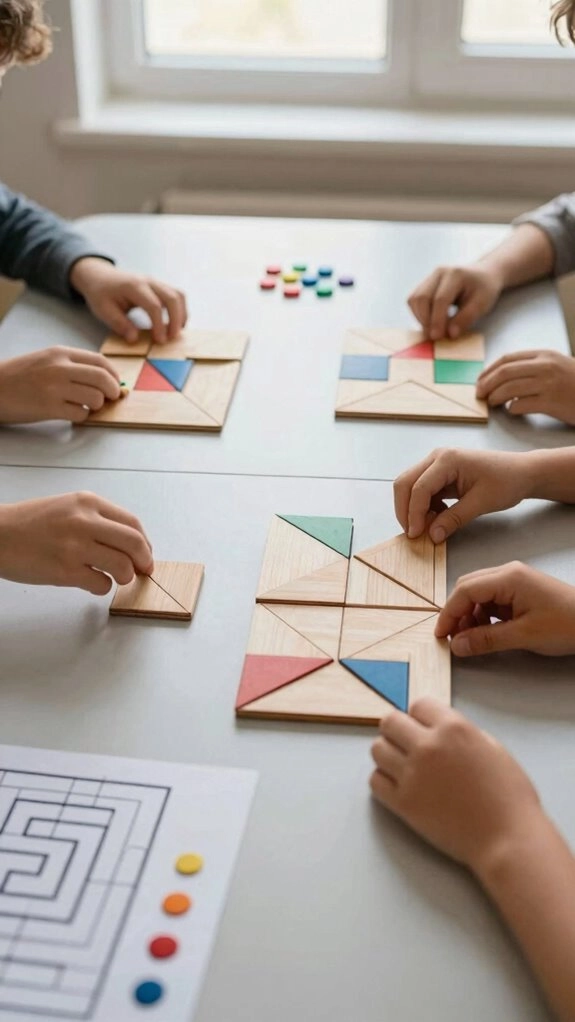
Problem-solving games help kids grow because each challenge asks them to think, try, and learn. You get to notice clues, create ideas, and test what works. When an answer fails, you can adjust and try again. That productive struggle builds persistence and confidence. You also practice planning before making your next move.
In group games, you learn that everyone’s voice matters. Clear team communication helps your group share directions and reach goals together.
Memory and pattern challenges strengthen focus and recall when information is missing.
A Curiosity mindset helps you stay open to new choices. These skills support smarter decisions at school, home, and with friends.
Playful repetition strengthens neural connections for attention, planning, and flexible thinking.
Puzzle Games for Problem Solving
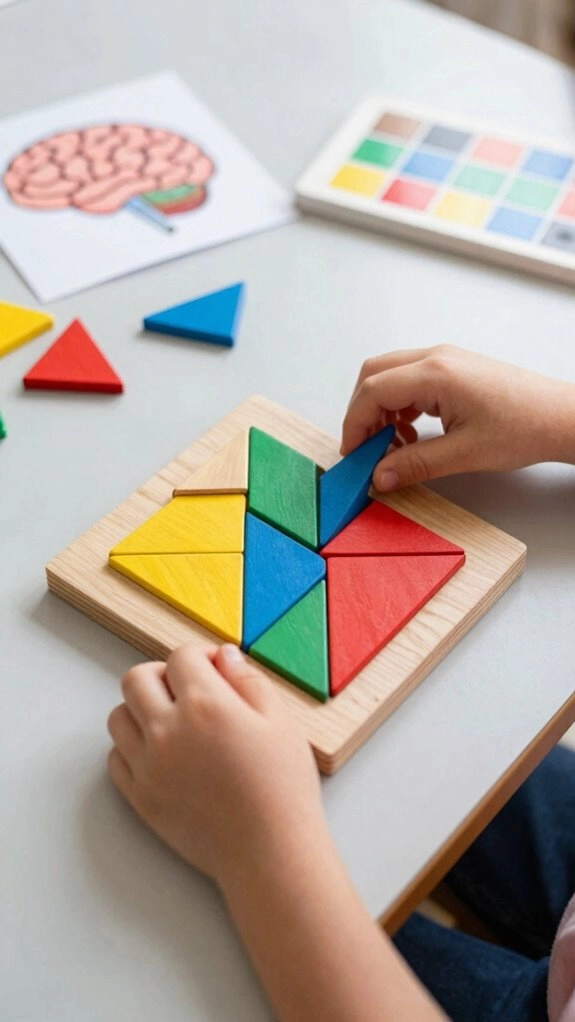
Puzzle games turn small challenges into chances to think in new ways.
Start with jigsaws that have clear frames, so you can match edges and turn pieces. You’ll practice learning through failure each time you try, check, and retry.
Choose progressive sets that get harder slowly, helping you feel confident with each new level.
Keep pieces in labeled trays and use a simple plan: turn it, check the outline, then retry.
Try Duplo-style puzzles too, first placing pieces and later making structures stand.
Crosswords and Sudoku build word and logic skills.
With teamwork puzzle play, everyone can share ideas and celebrate progress together.
Using critical thinking during puzzles helps kids compare choices, test ideas, and learn from mistakes.
Building Problem-Solving Games for Kids
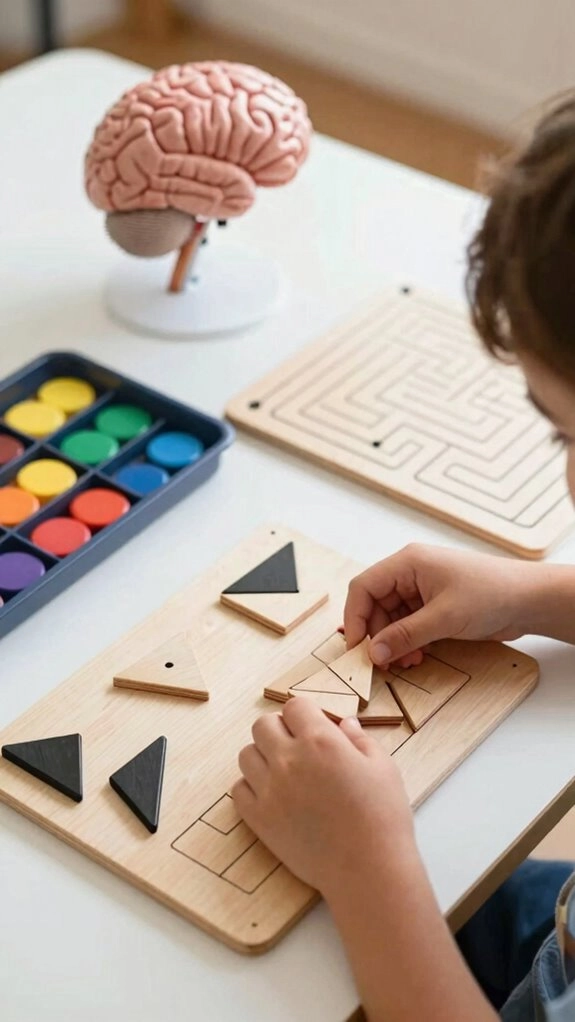
You can build towers, bridges, or homes, then test what makes them strong.
When your design leans or falls, you’ll adjust it and try again.
Fun challenge cards help you balance, measure, and create clever solutions.
Try adding weight to a bridge to discover how structural strength helps a design hold up.
Build, Test, Improve
Building games turn big ideas into hands-on experiments you can test right away. You and your team learn that every attempt counts.
| Challenge | Test | Improve |
|---|---|---|
| Marshmallow tower | Add marshmallows | Strengthen joins |
| Egg drop | Drop safely | Cushion weak spots |
| Animal shelter | Fit three animals | Revise rooms |
| Duplo frame | Stand tall | Try new pieces |
Use challenge cards: envision, measure, build, test, revise. Kid led testing helps everyone share ideas. Practice failure analysis by noticing what bent, cracked, or slipped. Then use repeated redesign to make changes. Discuss material tradeoffs: cloth, cotton, or bubble wrap. Your group belongs in every experiment, even when designs don’t work yet.
Balance and Stability
Balance and stability games show how smart design keeps a structure from falling. You’ll feel like part of a team as you test, adjust, and cheer for stronger builds. Try these challenges:
- Build the tallest stable block or Duplo tower. Notice tactile feedback when pieces shift.
- Make a spaghetti-and-marshmallow tower. Use tape and string to hold marshmallows safely.
- Follow the wide base, narrow top rule. Watch your tower carry more weight.
- Cross a narrow plank or balance at a station. Use your body to solve the challenge.
After each collapse, try structure testing again. Change supports and connections. Every new attempt helps you learn what makes designs steady.
Creative Design Challenges
Creative design challenges turn simple materials into big ideas you can test.
Start with blocks or Duplo and build the tallest tower.
Then use boxes, tubes, and lids to create a cozy home for three animals.
Use imagination prompts to spark construction storytelling with your group.
Give everyone teamwork roles: one stacks, one plans, and one checks connections.
Add a success rule, like holding five marshmallows on top.
When your structure leans, don’t worry.
Try and learn by turning pieces, checking the fit, and trying again.
Keep projects out for later, so every builder can return and improve the design.
Strategy and Memory Games for Kids
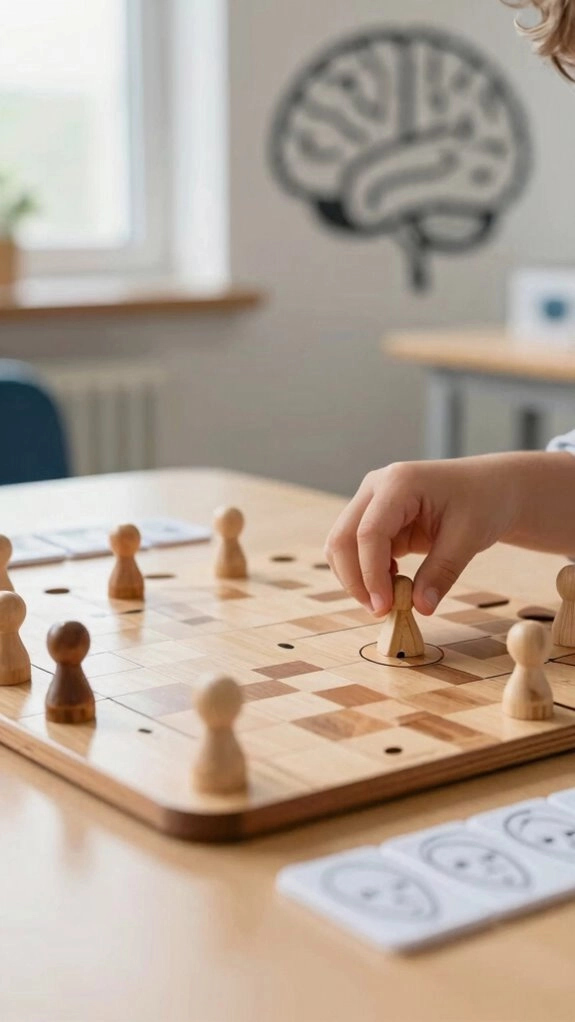
You can build focus and planning skills with matching games and Picture Bingo. Start by finding pairs together, then explain why you chose each card.
Familiar pictures make remembering easier and help you spot patterns.
Sight Word Memory Matching pairs also strengthen visual recognition through repeated practice.
Planning Through Play
Planning games help your brain look ahead, remember clues, and make smart choices. You’ll feel like part of a team as you solve each challenge together.
- Start matching games with four to six pairs. Recall where pictures hide before choosing.
- Try Story sequencing with cards: seed, water, wait, flower. Explain what happens next.
- Use cooperative cards and ask, “Where did we see the spoon?” Celebrate shared discoveries.
- Draw an obstacle-course map for goal planning and step practice. Follow your route, then try it backward with a partner.
These routine reminders help you trust your ideas. Everyone can plan, adjust, and cheer one another on.
Memory and Focus
Memory and focus games turn careful noticing into an exciting challenge.
You can start with four to six card pairs and flip them together.
Ask, “Where did we see the spoon?”
This teamwork helps everyone feel included while building concentration.
You hold pictures in mind, compare them, and remember each match’s location.
Try themes like pets, community helpers, or seasonal objects.
Familiar photos of your family or classroom can make Attention training feel personal.
Later, add friendly competition.
Use game variations such as one recall cue per round or a timer.
Share strategies, too.
You might group cards by color or category to remember more.
STEM Challenges for Kids to Test Ideas
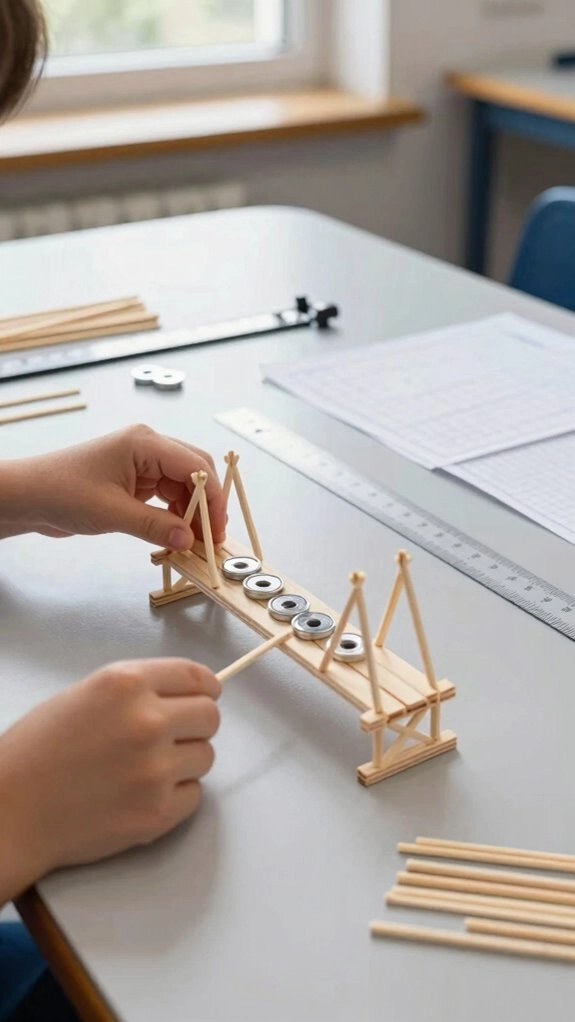
STEM challenges turn simple materials into exciting tests of your best ideas. You’ll feel like part of a team of young inventors as you build, test, and improve together.
- Build a marshmallow tower with spaghetti. Can it hold more weight?
- Protect an egg with cloth or cotton. Celebrate each safer landing.
- Make a simple circuit. Predict what’ll light or buzz.
- Test a waterproof package in pretend rain. Change one thing each time.
Notice Design Variables, like tape, height, or padding. Use Iteration Cycles, to learn from each result. When designs lean or fail, you’re not stuck—you’re uncovering what works.
Try creating an obstacle course with cones and ropes to test how different designs affect speed and movement.
Role-Play and Community Problem-Solving Games
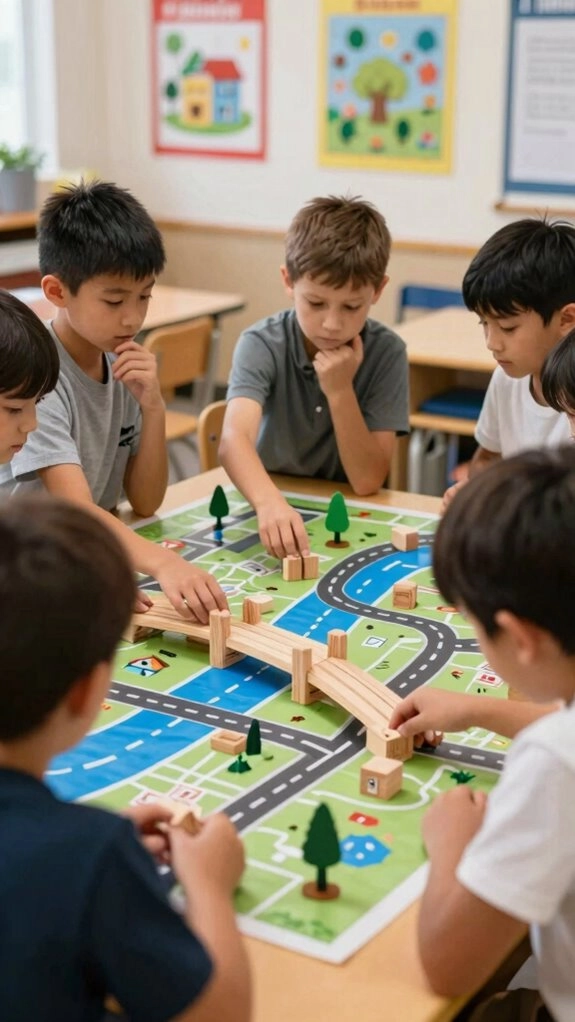
How would you solve a problem when someone needs help right away? Try a pretend store game with your group. You can choose items, count money, and help customers find what they need. When an item is missing or “broken,” you practice flexible planning and explain your next step. You’ll notice Decision tradeoffs when you compare choices and decide what helps most.
Community games let you tackle shared challenges, too. Brainstorm ways to make a busy intersection safer or reduce school food waste. Listen to everyone’s ideas, select a solution, and revise it together. These games show you that your thinking can help your community.
Outdoor Problem-Solving Games for Kids
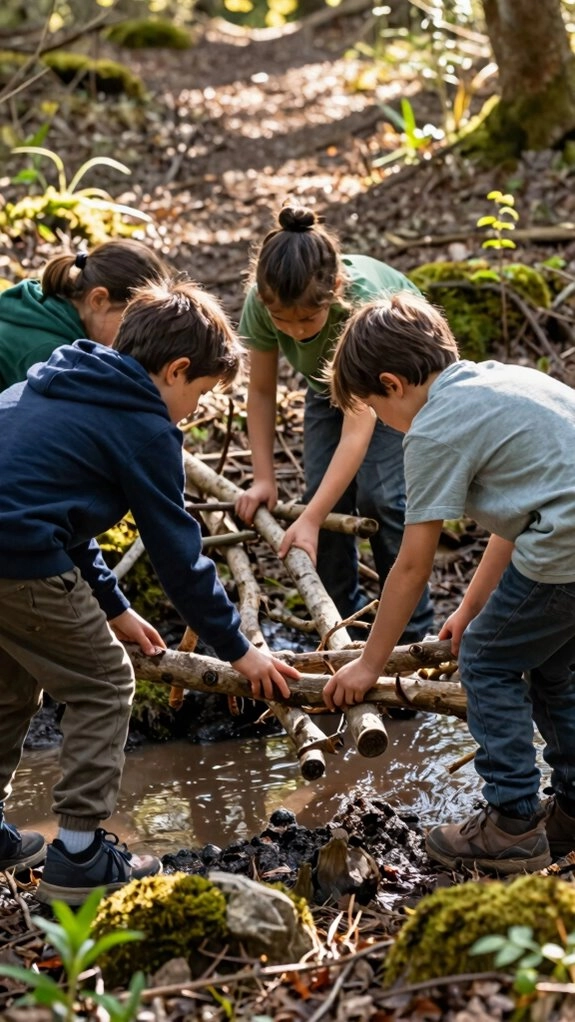
Outdoor games give you fresh ways to solve problems while you move. With parent supervision, your group can feel brave, included, and ready to help each other. Use Weather proof rules and safety checklists before play begins.
- Hunt for hidden items before time runs out.
- Build an obstacle course and adjust your route after mistakes.
- Untangle a Human Knot using trust and teamwork communication.
- Guide a blindfolded friend through a safe minefield or map course.
You’ll listen closely, share ideas, and celebrate every small win together. These challenges show that you don’t have to solve everything alone.