
How Teeth Develop and Why Baby Teeth Matter
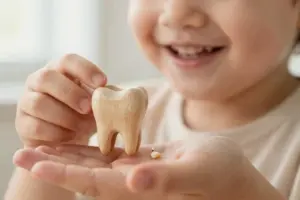
Your baby teeth start appearing around six months and usually total 20 by age three. They help you chew food, speak clearly, and guide your jaw as it grows. They also save space for adult teeth. Strong enamel shields each tooth, but sugar and bacteria can make acids that cause cavities. Brush with a smear of fluoride toothpaste, choose water often, and avoid bedtime drinks. Next, you’ll uncover how saliva and habits protect your smile.
Key Takeaways
- Baby teeth usually begin appearing around six months, and most children have all 20 primary teeth by age three.
- Baby teeth help children chew food, support nutrition, and guide normal jaw and facial muscle development.
- Teeth provide important support for speech by helping the tongue and lips form sounds correctly.
- Primary teeth hold space for permanent teeth, which begin arriving around age six with molars growing behind baby molars.
- Healthy baby teeth need daily brushing with a tiny smear of fluoride toothpaste to protect enamel and prevent cavities.
What Baby Teeth Do
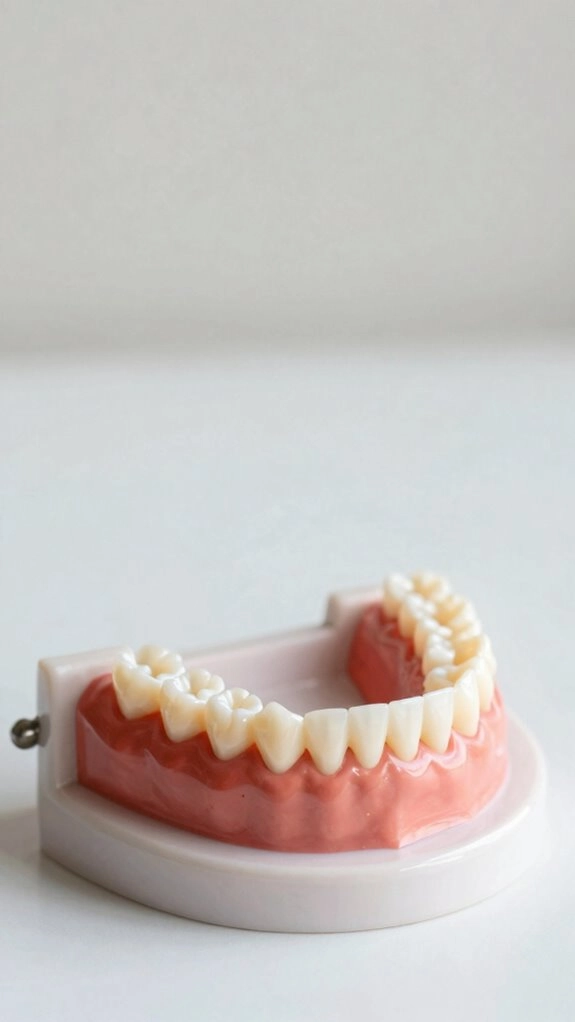
Baby teeth do much more than create a child’s first smile. They help you enjoy meals through chewing function, supporting nutrition and digestion.
They also guide jaw growth by helping facial muscles work.
For clear words, they give your tongue and lips partners for speech support.
Another important job is Space holding. Your baby teeth save room for adult teeth, so they can settle into helpful positions.
Regular handwashing supports healthy routines, and handwashing songs can help children practice washing long enough to remove germs.
When you care for them, you’re protecting your future smile and joining many kids who build healthy mouths every day.
How Teeth Grow During Early Childhood
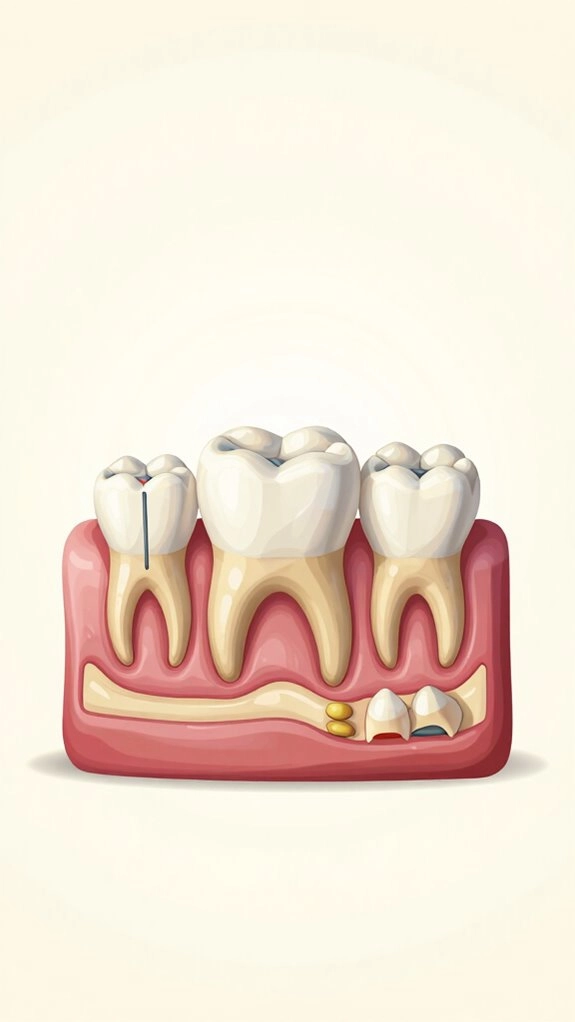
As you grow, your teeth follow an exciting and carefully timed path. You’re part of a shared growing-up adventure, and every smile changes in its own way.
- Around six months, your first baby tooth may appear.
- By age three, you’ll have 20 primary teeth.
- These teeth support chewing and protect early childhood spacing.
- Near age six, permanent molars arrive behind baby molars.
This tooth eruption timeline continues as baby teeth loosen, often starting at six or seven. They usually leave in the order they arrived. Your baby teeth hold room for incoming adult teeth, helping them line up. Keeping a simple tooth eruption timeline can help families remember important changes as children grow.
Why Tooth Enamel Is Important
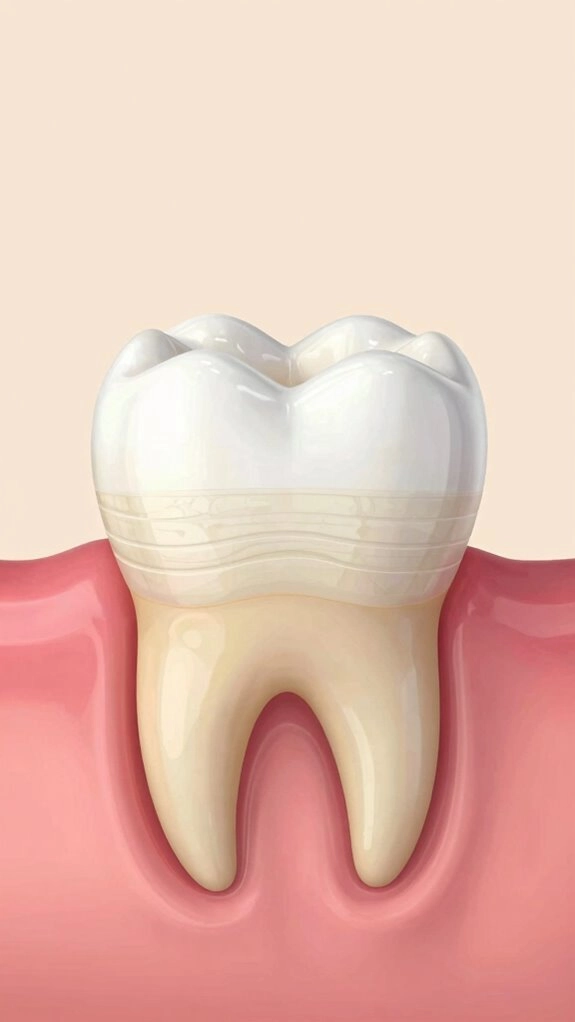
Every new tooth arrives with a tough shield called enamel on its outside. Enamel protects your tooth from bacteria and the acids they make.
Baby teeth need this shield right away, since they can erupt near six months.
You help protect them with Healthy habits, such as brushing carefully every day.
Once teeth appear, use a tiny smear of fluoride toothpaste. The fluoride benefits help strengthen enamel, giving your child’s smile extra support.
Hand-eye coordination also grows through everyday play, helping preschoolers build skills for brushing carefully.
By caring for baby teeth, you help protect the permanent teeth growing underneath.
Your family joins many others building strong smiles together each day at home.
How Cavities Develop
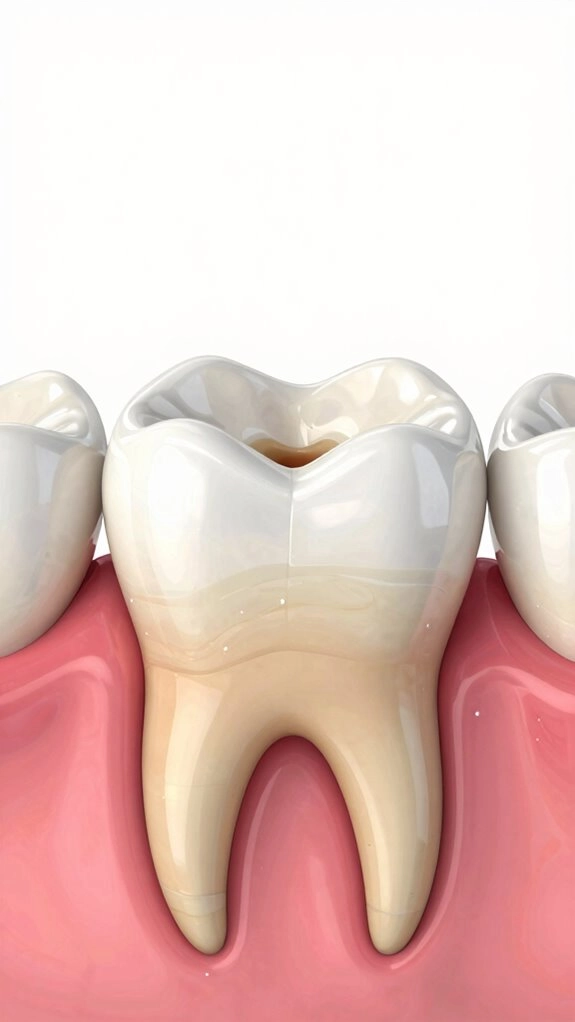
So how does a cavity begin? Your teeth face tiny acid attacks after sugary foods or drinks. If those attacks happen often, enamel weakens and cavity progression can start.
- Sugary drinks leave acids on teeth.
- Bedtime bottles can keep milk on teeth.
- Frequent milk or formula exposure raises risk.
- Weakened enamel can lead to Baby tooth pain.
You’re not alone: cavities are common by age five.
Cleaning teeth after feeds and choosing water between meals helps protect your smile.
If a tooth hurts, a dentist can help you feel better.
These small habits help your whole family feel confident.
A VPN encrypted tunnel can help protect your information when you use public Wi-Fi.
The Role of Bacteria in Tooth Decay
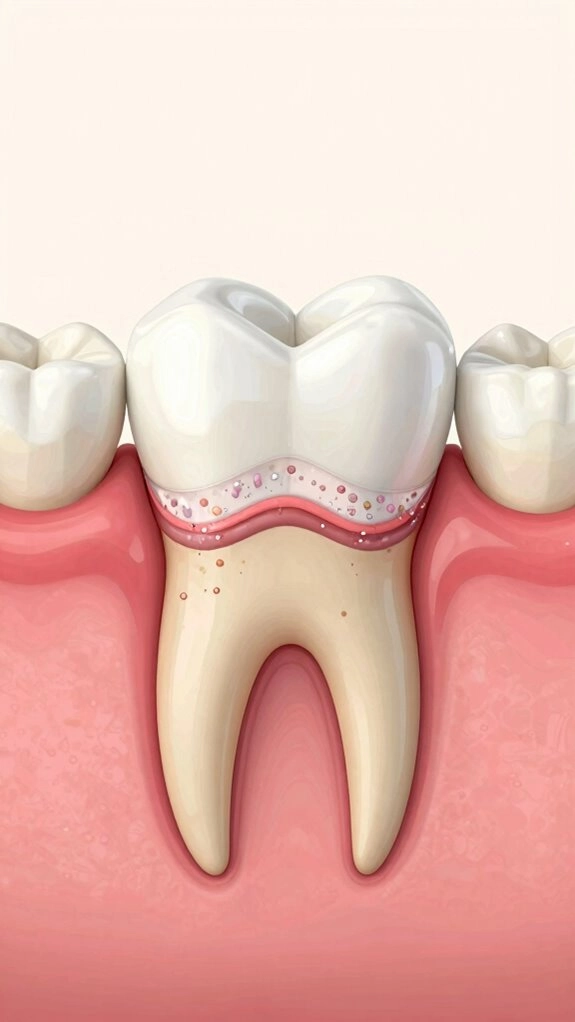
Those acid attacks have a tiny team behind them: bacteria that live in the mouth. They feed on leftover sugars from foods and drinks, making acids that soften enamel.
Babies can pick up these germs early when caregivers share spoons or pacifiers.
Even breast milk and formula contain natural sugars that bacteria can use during frequent exposure.
When enamel weakens, cavities can form soon after teeth appear.
These problems can hurt now and affect future adult teeth.
You and your family can protect little smiles by cleaning teeth every day and limiting bacteria buildup. [placeholder] [placeholder]. You’re doing great.
Bacteria use sugars as an energy source through cellular respiration, which can help them make the acids that damage enamel.
How Saliva Protects Teeth
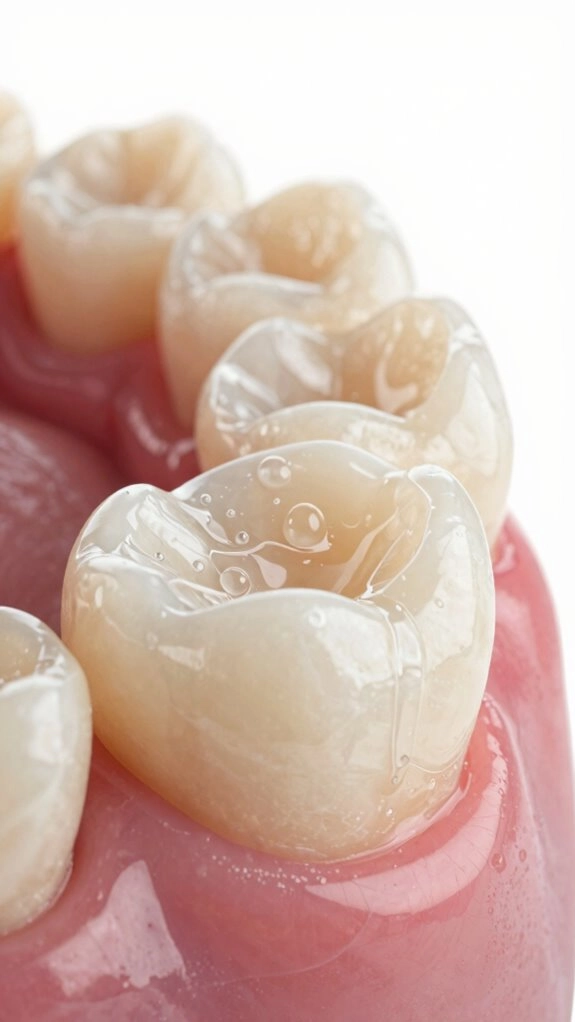
Luckily, your mouth’s saliva acts like a gentle rinse that protects teeth each day. It helps your growing smile stay strong, just like it does for everyone.
- Washes away food bits and sugars before bacteria use them.
- Supports saliva buffering, which neutralizes acids that can weaken enamel.
- Provides calcium and phosphate for tooth remineralization after early damage.
- Offers less protection when medicines or health conditions reduce saliva flow.
Your daily habits help keep this helpful mouth environment healthy from your first baby teeth onward. Together, saliva and your care give teeth a welcoming defense against cavities every single day.
Why Brushing Helps Prevent Cavities
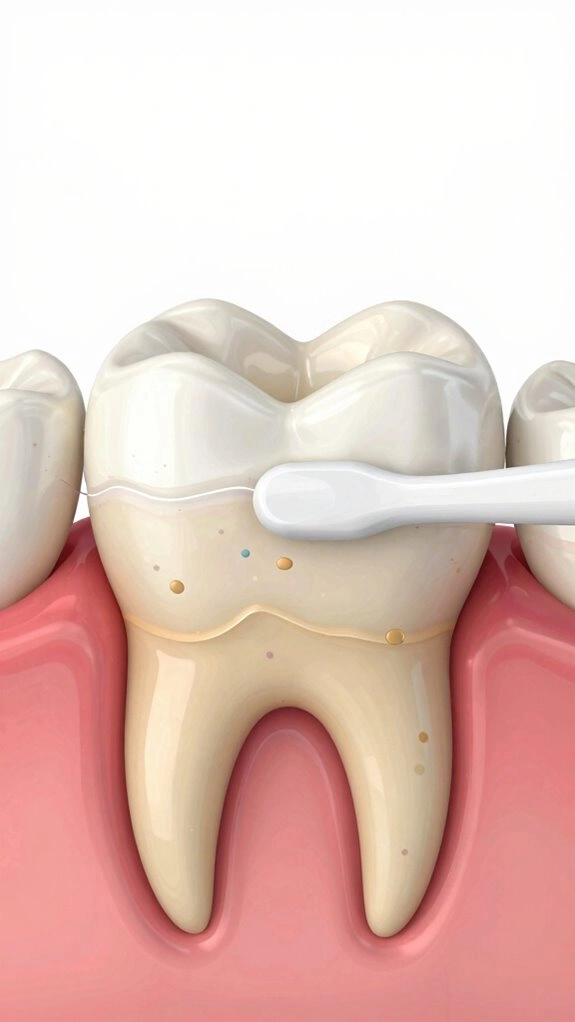
Brushing sweeps away the sticky plaque where cavity-causing bacteria like to hide. When you remove plaque, fewer bacteria can make acids that harm enamel. That lowers your child’s chance of cavities in baby teeth.
Once the first tooth appears, join families by brushing twice each day for about two minutes.
A small smear of fluoride toothpaste helps strengthen enamel as teeth develop.
Good brushing frequency matters because cavities can begin early.
Build this habit around the first birthday, especially at bedtime after the last feed.
Your care keeps primary teeth healthy and helps them guide future permanent teeth into place.
How Diet Affects Children’s Oral Health
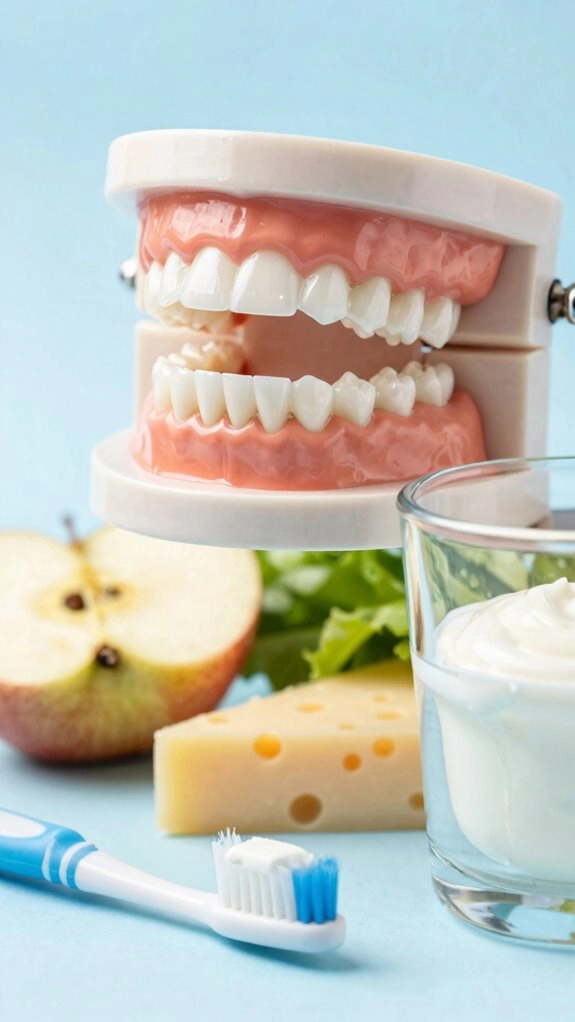
What your child eats and drinks can shape the health of new teeth. Bacteria use sugars, even those in breast milk and formula, to make acids that weaken enamel. Your family’s daily choices build protective routines early.
- Choose Healthy snacking options and offer plain water between meals.
- Watch sugar timing; frequent treats keep acids working longer.
- Limit drinks at night, especially milk or formula after brushing.
- Build bedtime habits: clean teeth, then use water if needed.
Around 12 months, move to a lidded cup. These shared steps help protect smiles; by age five, one in four children has cavities.