Friendship Activities for Preschool That Build Social Skills
- Friendship Activities for Preschool That Build Social Skills
- Key Takeaways
- Why Friendship Skills Matter in Preschool
- Getting to Know Each Other Activities
- Simple Introduction Games
- Name and Sharing Activities
- Sharing and Taking Turns Games
- Cooperative Activities for Young Children
- Partner Games
- Small Group Activities
- Kindness and Helping Others
- Friendship Art Projects
- Friendship Storytelling Activities
- Activities for Solving Small Conflicts
- Helping Shy Children Connect With Others
- Supporting Positive Friendships at Home and School
- How Social Interaction Shapes the Developing Brain
- Why Human Connection Matters During Early Childhood
- How Children Learn Social Cues
- The Brain Science Behind Empathy
- How Cooperative Play Supports Development
- Language and Social Interaction
- Why Positive Relationships Help Children Feel Secure
- The Role of Repetition in Social Learning
- Creating Supportive Social Environments for Young Children
You can build friendship skills with simple preschool games that make every child feel included. Start with name circles, feeling cards, and shared-favorite talks. Use timers and turn cards during art, ball tosses, and partner games. Model kind phrases like “Can I play?” and “Your turn.” Practice calm breathing before solving conflicts. Repeating these routines helps children trust each other, share ideas, and notice feelings. Keep going to find more activities that strengthen caring connections.
Key Takeaways
- Use introduction circles and “Things We Have in Common” games to help children share interests, listen, and feel included.
- Practice sharing and turn-taking with timers, picture cards, one set of art supplies, and phrases like “My turn” and “Your turn.”
- Build cooperation through partner games, group art, and classroom helper jobs that require children to communicate and work toward a shared goal.
- Teach conflict repair through role-play: name feelings, take calm breaths, use kind words, suggest a compromise, or ask an adult for help.
- Support shy children with predictable routines, visual prompts, gentle invitations to play, and adult modeling of phrases such as “Can I play?”
Why Friendship Skills Matter in Preschool
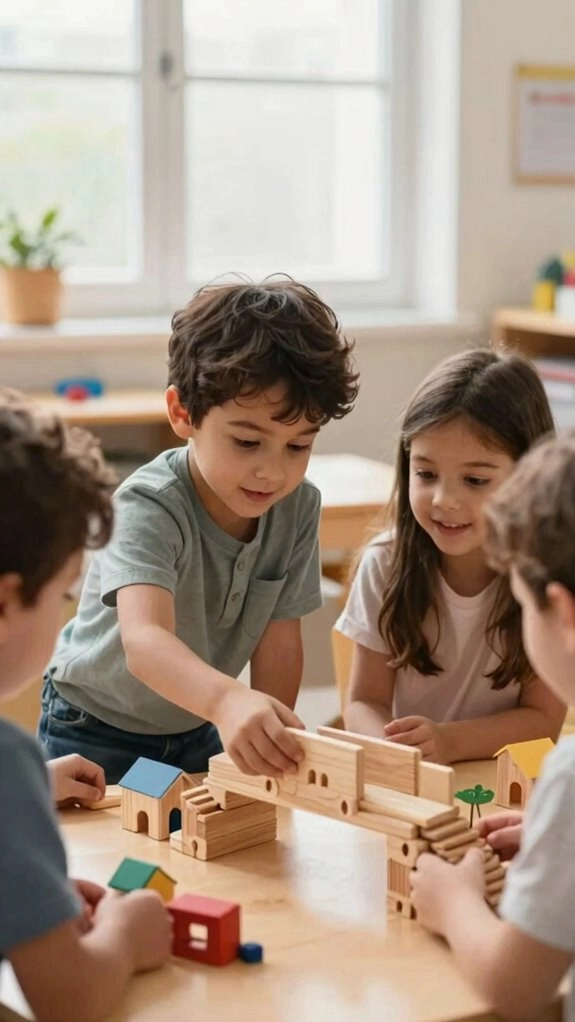
Friendship skills matter in preschool because children begin forming close bonds very early. By age three, you may see strong friendships grow.
These connections help children feel welcome, valued, and part of a group. With adult guidance, they learn cooperation, negotiation, turn taking, and clear communication.
Shared play also builds empathy, so children notice how others feel. You can model kind words and calm choices when problems happen.
Cooperative gameplay gives children meaningful chances to practice sharing, listening, and solving problems together.
This support strengthens trust, social security, and emotional regulation. Each skill builds on the last.
As children practice, they gain confidence in joining others, solving small conflicts, and keeping friendships healthy.
Getting to Know Each Other Activities
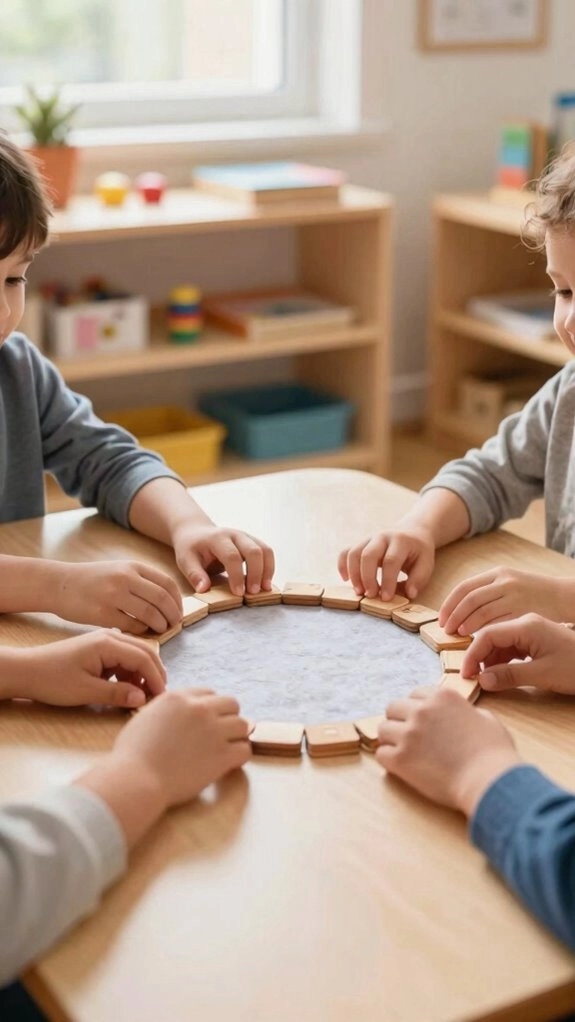
You can use simple introduction games to help children learn names and favorite things. Try sharing circles where each child speaks and listens for a turn.
Add a sight word scavenger hunt so children can search together, communicate, and practice friendly teamwork.
These activities help you build friendly connections from the very first day.
Simple Introduction Games
Simple introduction games help preschoolers feel welcome and ready to connect. You can begin with Things We Have in Common. Small groups learn shared favorites and see they belong. Try these welcoming choices:
| Game | What you practice |
|---|---|
| Common Items | Finding shared interests |
| Thumball Prompts | Listening and turn taking |
| Group Art | Cooperation with markers |
| Feeling Cards | Clear emotion words |
Guide each game kindly. You can remind friends about Playground boundaries while they work together. Mention Kindergarten roles, too, such as helper or listener. Keep groups small, model gentle words, and celebrate each child’s effort. Everyone gets a chance to join.
Name and Sharing Activities
As children learn each other’s names, sharing activities make new connections feel exciting and safe.
You can start with Things We Have In Common.
Mix children with peers and challenge them to find common interests.
They’ll practice names, listening, and taking turns.
Create Friendship Hands with handprints and heart messages about classmates.
At art time, offer one marker set and let children make Sharing Rules for space and turns.
Use hula hoops to show each child’s Personal Boundary while partners talk.
After a picture book, ask about characters’ feelings.
Then invite children to share favorite activities or friendship qualities.
Sharing and Taking Turns Games
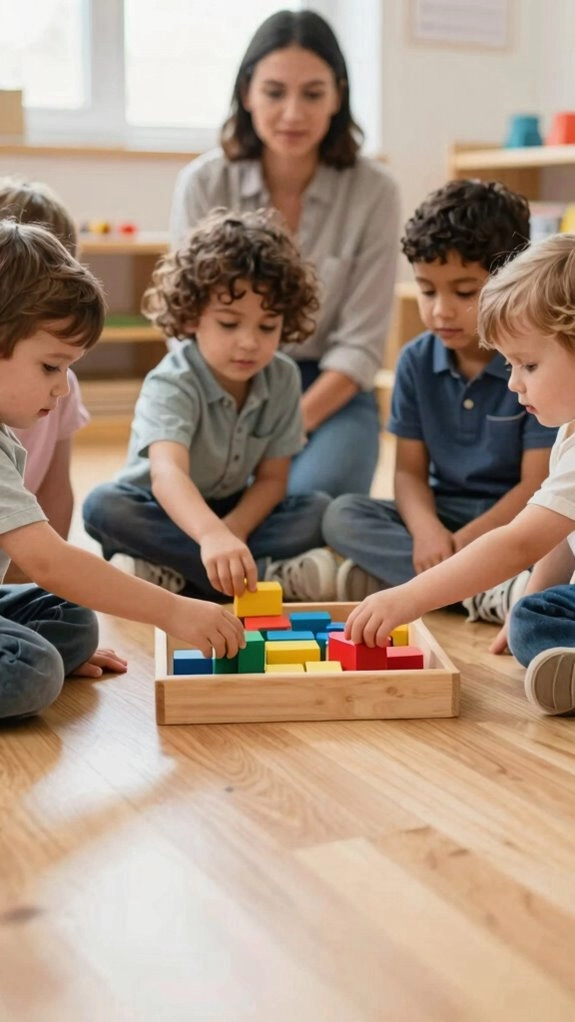
Sharing and turn-taking games help preschoolers learn how friends play fairly together.
You can set out one package of markers for a picture and guide children as they choose colors.
Use picture turn cards and a timer so everyone can see what’s next.
Model kind words: “My turn,” “your turn,” “can I’ve it next?” and “let’s trade.”
These peer play routines make each child feel included.
Try a ball toss with simple sharing prompts.
Each catch gives a child time to speak while friends listen.
Gentle reminders and emotional regulation strategies help children wait calmly and stay connected.
Making a simple love coupon book together can also give children practice sharing materials and planning kind activities for friends.
Cooperative Activities for Young Children
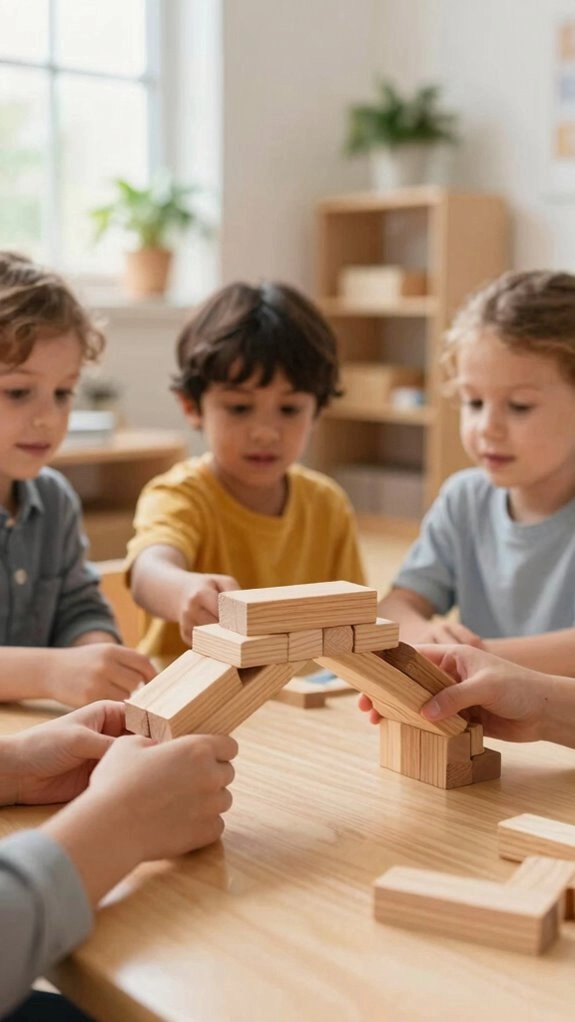
Try partner games where you listen closely and help each other reach a goal.
In small group activities, you can share supplies and decide who does each job.
When feelings get big, use “stop and help” so everyone can join in again.
Guided play helps children practice cooperation while an adult asks questions and offers support without taking over.
Partner Games
Partner games turn simple play into a chance to practice being a good friend. You can pair children for a blindfold obstacle game. One child guides with a calm voice while the other listens. Switch roles with Turn taking cues, picture cards, or a timer. Your steady modeling helps everyone feel safe and included.
| Game | Friendship skill |
|---|---|
| Shared puzzle | Negotiate one goal |
| Voice guide | Listen and trust |
| Role cards | Wait, rotate fairly |
| Riddle pair | Handle hard moments |
Try Role play scripts when frustration rises. You can name feelings, breathe together, and choose kind words. Each shared success strengthens friendship.
Small Group Activities
Small-group activities give children a safe place to learn teamwork step by step. You can guide them as they practice sharing, waiting, and naming big feelings. Adult support helps every child feel included and heard.
- Create a shared drawing with one marker set, so children practice cooperative negotiation.
- Use cards, pictures, and timers to make turn-taking fair during circle games.
- Try prop-based role-play, where children ask to join and choose helpful roles.
- Investigate Friendship boundaries with a hula-hoop bubble, practicing space, words, and self-control.
These activities show children that friends can solve problems together and make everyone feel welcome.
Kindness and Helping Others
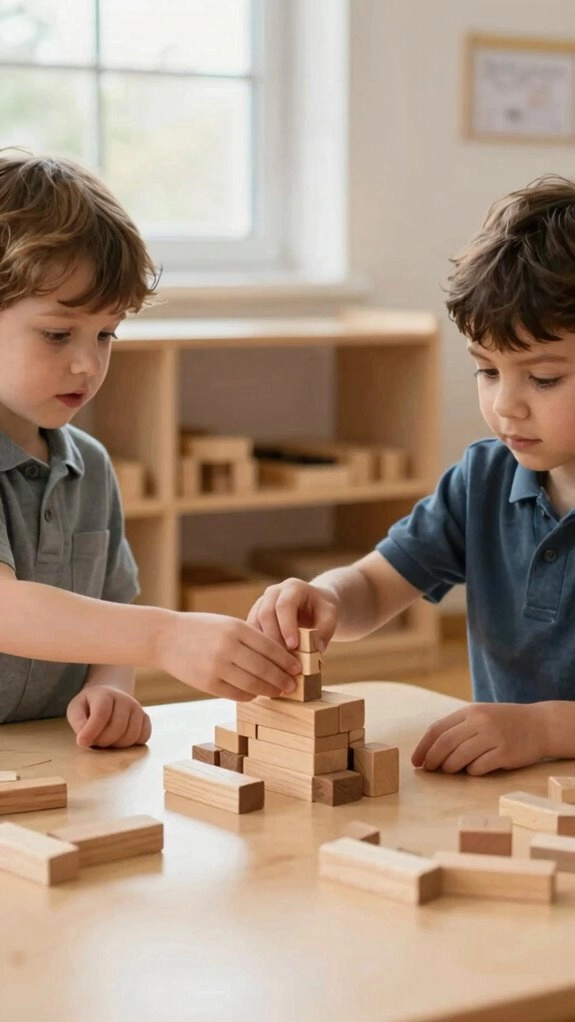
Kindness grows when preschoolers see their helpful choices make someone’s day easier. You can give each child a small job, like passing supplies or being a pickup helper. They practice cooperation and feel needed. Display real helpful moments on a kindness wall. Read a story and try feelings identification: ask how characters feel and what could help. Role-play kind words for Conflict resolution. A simple daily checklist can help children remember their classroom helper jobs and celebrate completed acts of kindness.
| Try | Say |
|---|---|
| Notice | “Do you need help?” |
| Join | “I can do it together.” |
| Care | “You belong with us.” |
When you help someone who’s upset, you lower stress and show every friend they’re part of the group.
Friendship Art Projects
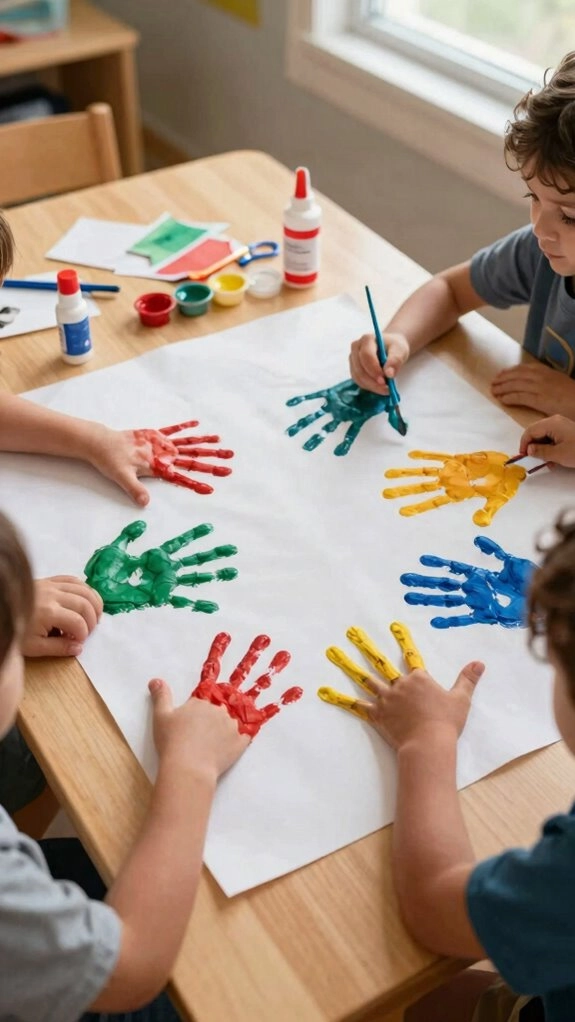
Friendship art projects let preschoolers create something while practicing how to be good friends. You can add these warm activities to classroom routines and help every child feel included. They also make friendship expectations easy to see and practice.
- Make handprints and add heart statements about friends to one class poster.
- Share one marker package on butcher paper. Negotiate space, wait, and build one picture.
- Use hula-hoop bubbles for personal-space art. Ask simple questions about respectful boundaries.
- Create a yarn-circle display or exchange paper friendship tokens. Offer kind words and take turns.
Your classroom shows that all ideas matter.
Friendship Storytelling Activities
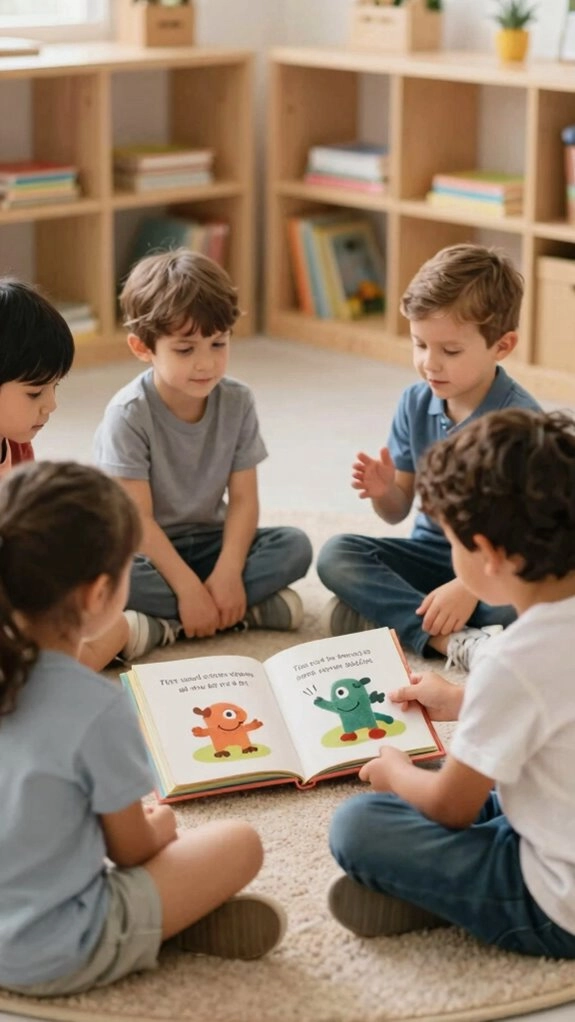
Stories give preschoolers another warm way to practice being a good friend. After a picture book, you can ask how characters felt and what kind choices they made. Invite pairs to create a short “good friend” story. Each child adds one idea, so everyone belongs through feelings sharing and turn taking.
| Try | Say | Learn |
|---|---|---|
| Book chat | “How did they feel?” | Empathy |
| Story video | “Friends help.” | Trust |
Let children act out a scene about including a sad friend. Then ask, “What good friend quality did you notice?” You’ll help children name kindness, honesty, and support while building confident voices together.
Activities for Solving Small Conflicts
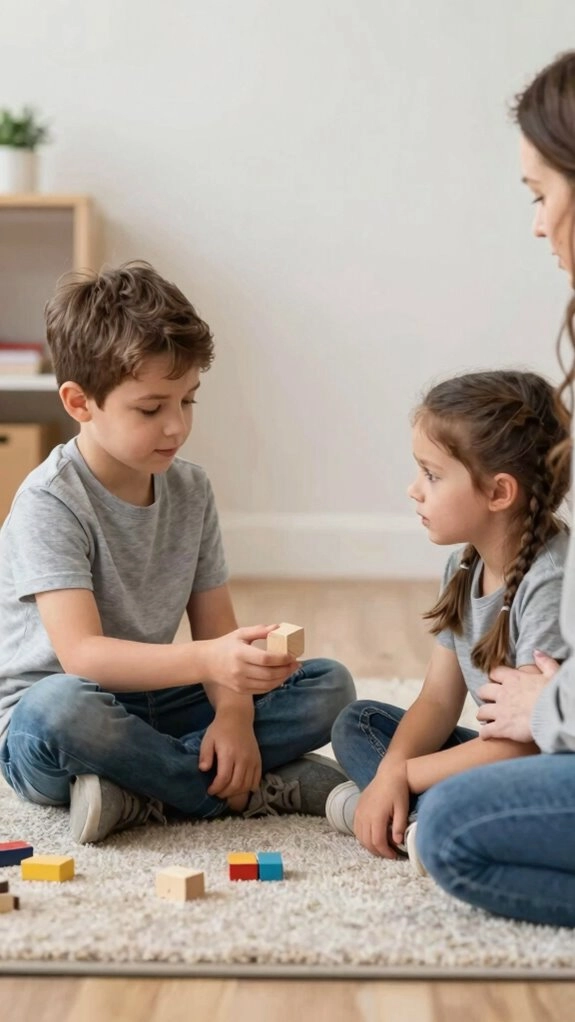
Small conflicts give preschoolers a chance to practice calm problem solving.
You can help everyone feel included by practicing these steps together:
- Try Calm breathing, then take a Problem pause before speaking.
- Use Calm tools, like a timer or turn-taking card, to share fairly.
- Name feelings, listen closely, and suggest a quick compromise.
- Ask adult for help when the problem feels too big.
You can role-play moments such as wanting the same toy or missing a parent.
Afterward, ask, “What worked?”
Children learn that friends can calm down, repair hurt feelings, and return to play with confidence each day.
Helping Shy Children Connect With Others
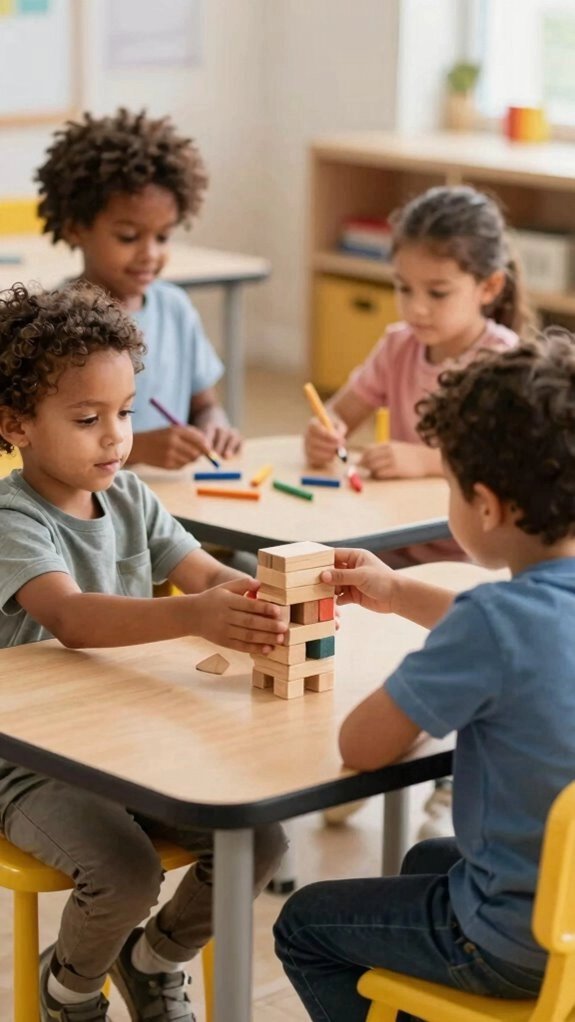
Quiet children often want friends too, but they may need a gentle path into play.
Start with a calm routine when feelings feel too big.
Your emotion coaching helps them settle and trust that you’ll stay close.
Invite two or three children to make shared art or pass a special marker, practicing turn taking together.
Model “Can I play?” and “Do you want a turn?”
Use picture prompts or a question ball for easy ideas.
Role-play joining a game or comforting someone sad.
Then let their small group grow when they feel ready.
Celebrate each brave hello and choice.
Supporting Positive Friendships at Home and School
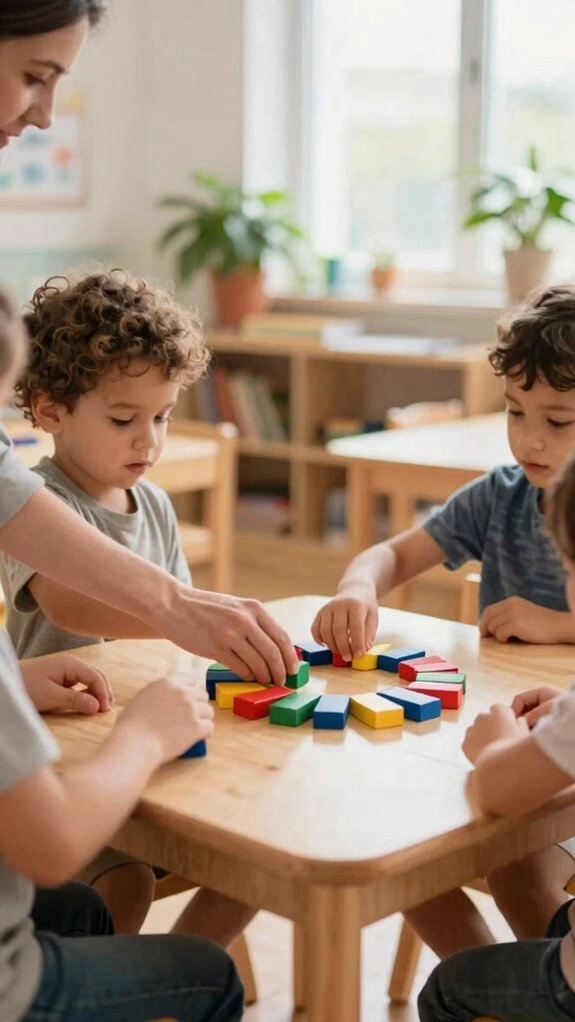
Positive friendships grow when home and school send the same caring message. You help every child feel noticed and included. Use matching routines so friends know what to expect.
- Try turn taking routines with a timer during games.
- Offer sharing visual supports, such as cards for waiting and sharing.
- Practice Emotion labeling with picture emotion cards and kind listening.
- Role-play disagreements. Pause, name feelings, then help children choose a fair compromise.
When you follow through at both places, children trust the rules and learn that caring friends can listen, cooperate, and try again together. That makes belonging feel safe.
How Social Interaction Shapes the Developing Brain
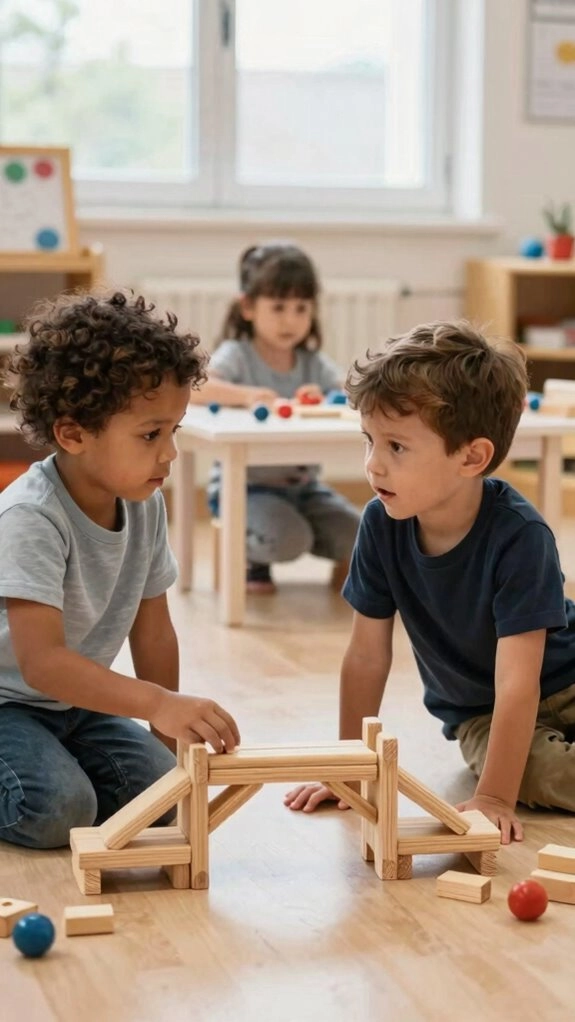
Every shared game and conversation helps shape your preschooler’s growing brain.
Brain plasticity lets practice strengthen skills such as taking turns, sharing ideas, and solving small problems.
During pretend play, partner games, and group art, your child learns to notice cues and manage impulses.
Peer learning grows when you offer guided practice.
Model kind words, then use picture cues, cards, or timers to support turns.
Predictable responses build trust.
You can help with emotional regulation by naming feelings and suggesting a calm choice.
These repeated moments help your child feel capable, included, and ready to join the group again.
Why Human Connection Matters During Early Childhood
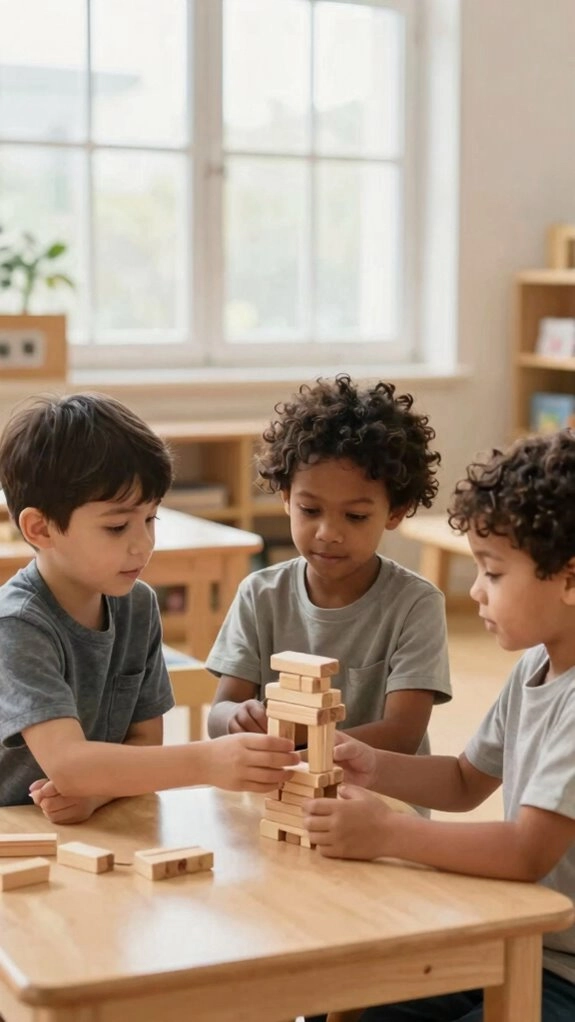
Human connection gives young children a safe place to learn how friendships work. When you create warm group experiences, children feel included and ready to practice together.
Close bonds can start around age three, and they grow with caring adult support.
- Building trust helps children feel secure with friends.
- Emotional regulation lets them handle big feelings during play.
- Peer communication helps them share ideas and solve small problems.
- Social cooperation teaches turn taking, negotiating, and kindness.
You can guide repeated games and conversations, so friendships support happiness, self-esteem, and a stronger sense of belonging in Kindergarten and beyond ahead.
How Children Learn Social Cues
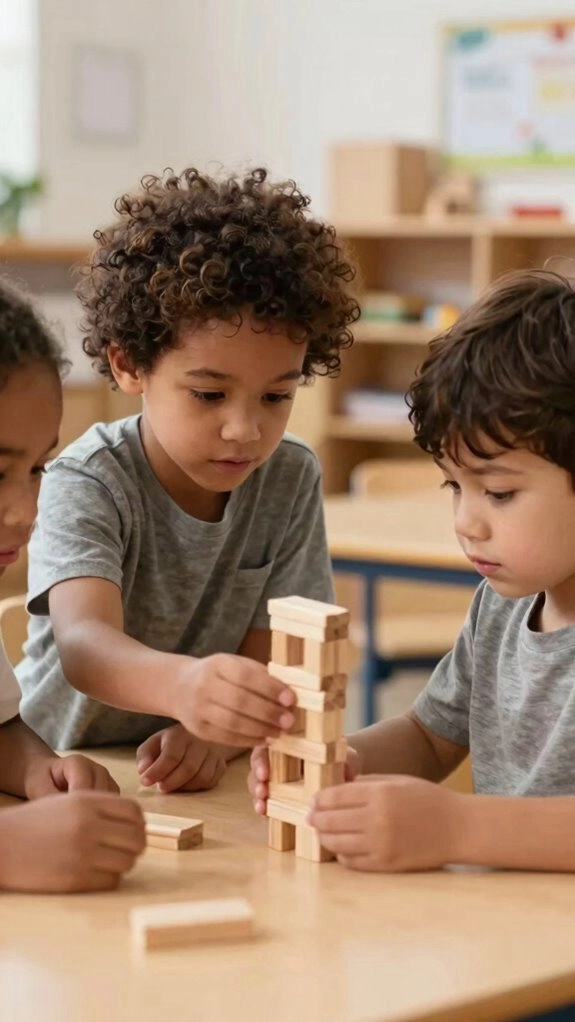
Friendships grow stronger when children learn to notice what others communicate. You can help them observe body language, words, facial expressions, and gestures during play.
Model what to do, then name the clue: “Maya is looking away. She may need space.”
Children need your steady guidance and repeated chances to try.
Use turn cards, picture lists, or timers to practice turn signals for waiting, listening, and responding.
Role-play joining a game, choosing roles, or checking on a sad friend.
Afterward, ask which clue they noticed.
This helps every child feel safer, included, and ready to join the group today.
The Brain Science Behind Empathy
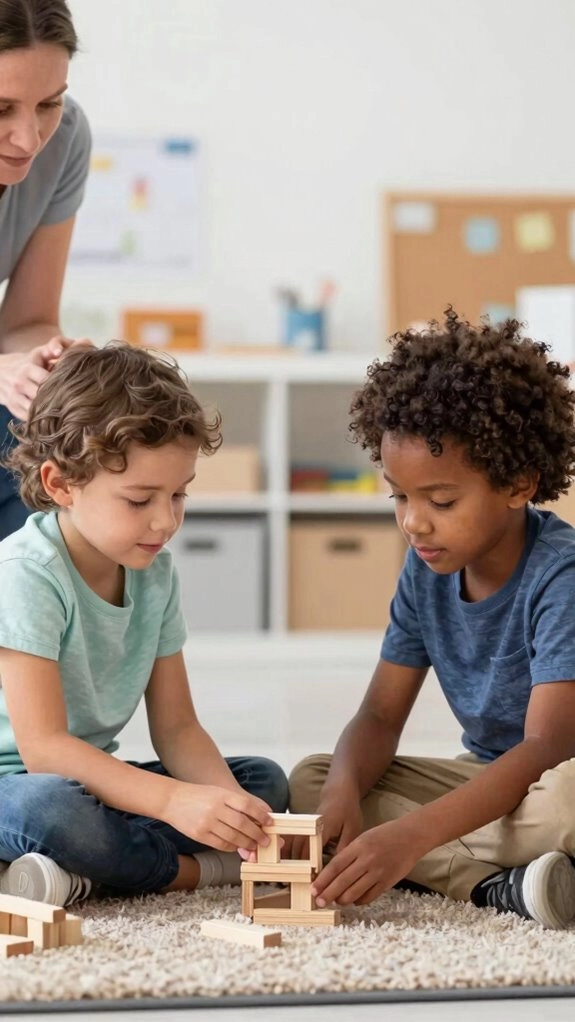
As preschoolers practice caring for others, their brains build empathy step by step. You help these growing brain networks connect feelings with understanding. The amygdala notices emotion, while the prefrontal cortex helps children pause and respond.
- Emotion labeling gives big feelings names and lowers overwhelm.
- Calm strategies strengthen social regulation before impulses take over.
- Your language scaffolding makes caring words easier to use.
- Predictable modeling builds trust, so children can notice friends’ feelings.
With repeated guided conversations, role-play, and reminders, empathy pathways grow stronger. You’re helping each child feel safe, seen, and ready to connect.
How Cooperative Play Supports Development
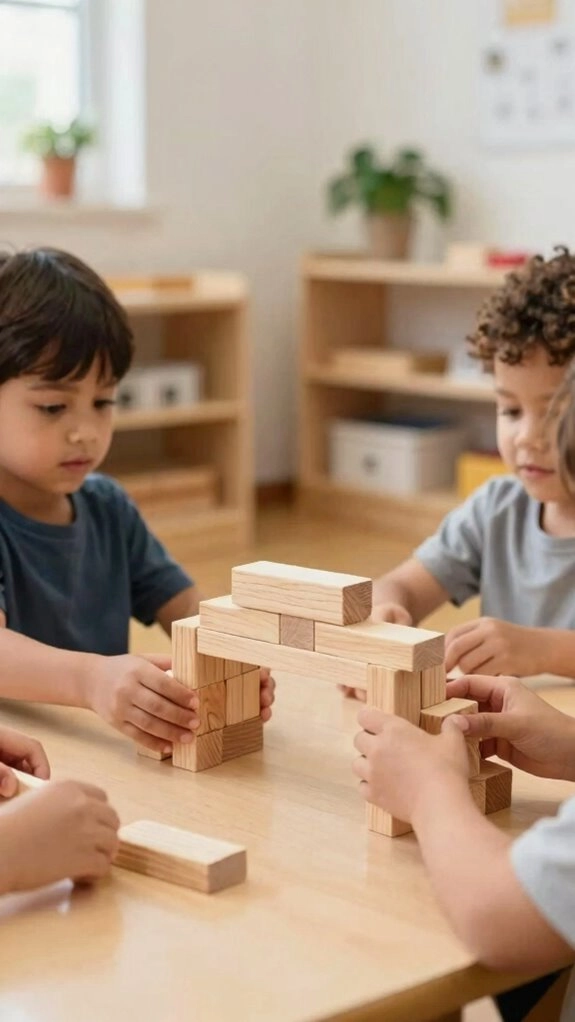
Cooperative play gives children a place to put empathy into action. You can guide a shared project so everyone has a valued part.
With materials and roles, children practice cooperation, turn taking, and negotiation.
You can set clear role boundaries and use timers or cards to make waiting feel fair.
When frustration rises, your calm support builds emotional regulation and trust.
Model Conflict resolution, then offer gentle peer mediation when needed.
Children learn to balance their needs with a friend’s. These early give-and-take moments help them create steady, welcoming friendships as they grow and feel they truly belong together.
Language and Social Interaction
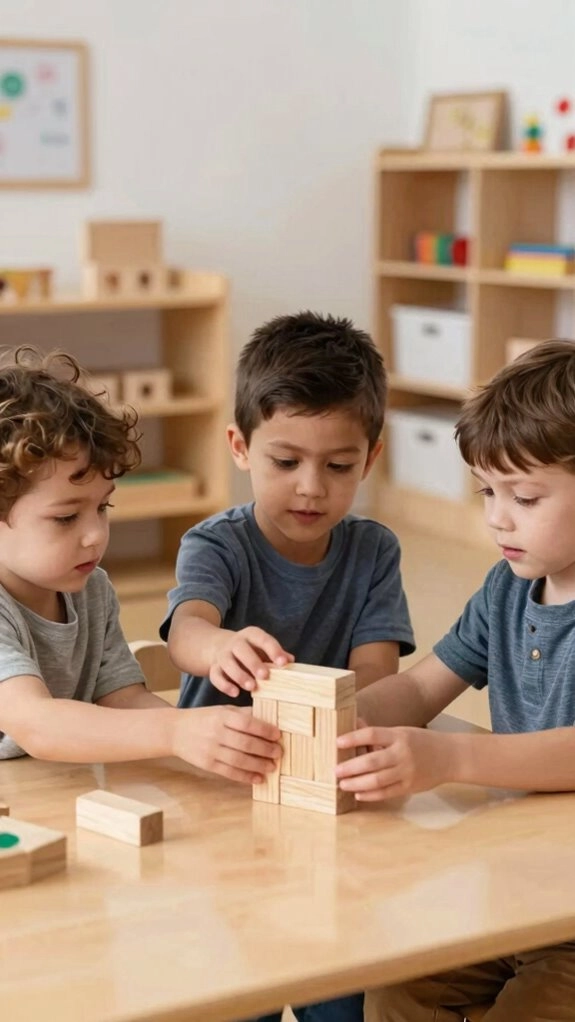
Words give preschoolers a bridge to each other during play. You’ll often help every child join conversations by modeling phrases and offering picture exchange cards.
During art or games, simple tools make sharing easier:
- Use timers or turn-taking cards so everyone gets a chance.
- Name feelings after stories and ask how actions affect friends.
- Act out conflict resolution, boundary setting, and perspective taking together.
- Practice community rules by listening, compromising, and choosing plans as a group.
When you reflect a child’s feelings, you show them words that welcome others. Repeated practice helps children communicate with voices, gestures, and caring attention.
Why Positive Relationships Help Children Feel Secure
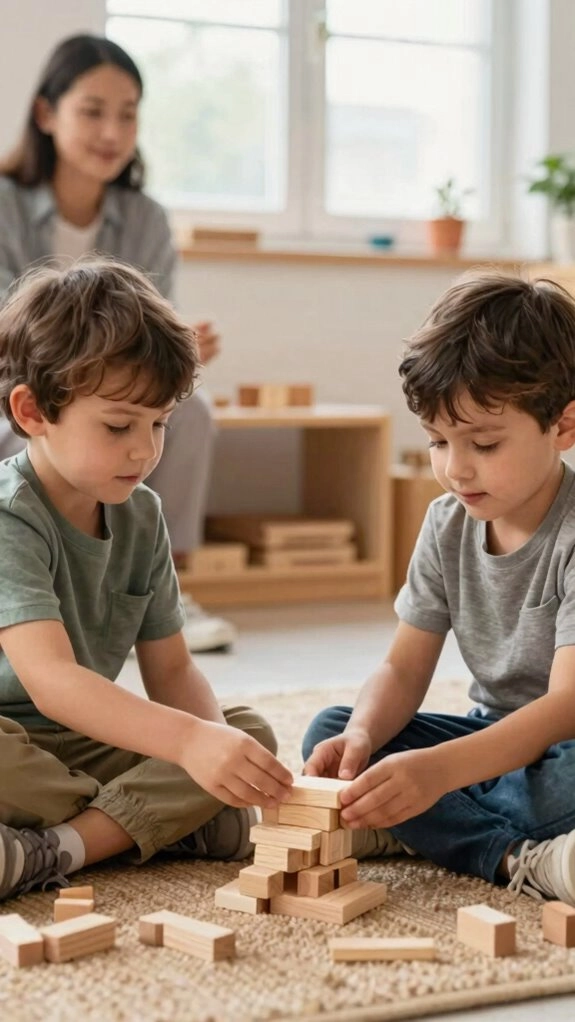
When preschoolers know a friend will welcome them, they’re more willing to join in.
Positive relationships give you emotional safety during play and group routines.
Friendly faces and kind words build a sense of belonging.
With peer support, you can try new activities, ask for a turn, and solve small problems.
This steady connection supports stress reduction and helps you feel calm.
Around age three, close friendships can grow strong.
They can lift self-esteem and reduce loneliness.
When feelings get big, trusted friends help you stay involved, communicate needs, and repair hurt feelings.
Adults guide you as trust grows.
The Role of Repetition in Social Learning
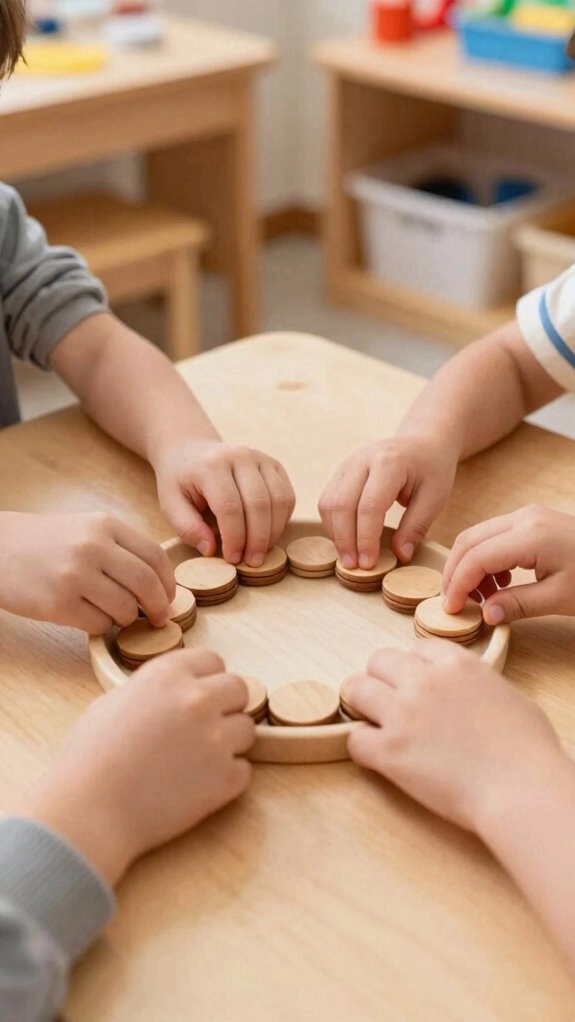
Practice helps friendship skills grow stronger each time you use them. You can repeat simple games and phrases so everyone gets a fair chance to join.
Familiar routines help you stay calm when play feels busy. Repetition builds trust because you learn what happens next and know adults will follow through.
- Practice saying, “Can I’ve a turn?”
- Use visual wait cues, such as cards or timers.
- Try the same turn-taking game often.
- Model “Let’s share” and “Let’s compromise.”
Each small repeat helps you communicate, cooperate, and notice friends’ feelings. Soon, joining group play can feel safer and welcoming.
Creating Supportive Social Environments for Young Children
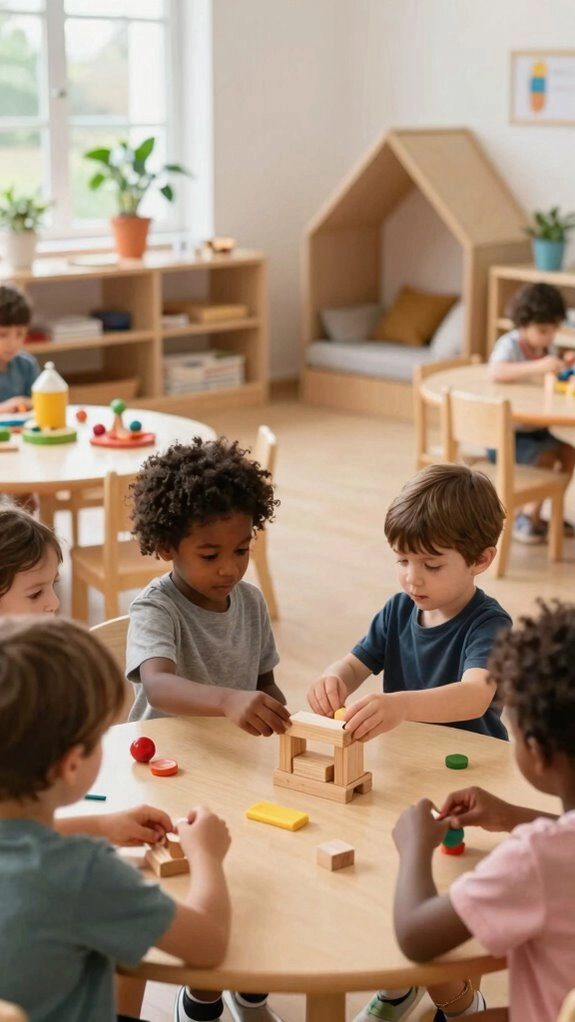
A supportive classroom gives young children a safe place to learn friendship skills.
You can build belonging by teaching cooperation, sharing, listening, and calming down.
Use emotional coaching to name feelings and practice kind words.
Provide structured group games because many preschoolers need your help to join play and solve problems.
Your social modeling shows how to wait, negotiate, and repair mistakes.
Consistent routines help children trust what happens next.
Offer picture cards, timers, and simple lists during centers.
Try visual boundaries, such as a hula-hoop personal-space bubble.
Books and role play help children notice how actions affect friends.