15 Preschool Art Activities That Encourage Creativity and Fine Motor Development
- 15 Preschool Art Activities That Encourage Creativity and Fine Motor Development
- Key Takeaways
- Why Process Art Is Important for Preschoolers
- Painting Activities That Inspire Creativity
- Finger Painting
- Sponge Painting
- Q-Tip Painting
- Collage Projects Using Everyday Materials
- Paper Collages
- Nature Collages
- Recycled Material Art
- Sensory Art Experiences Children Love
- Seasonal Art Activities for Year-Round Learning
- Art Projects That Strengthen Fine Motor Skills
- Open-Ended Art vs Craft Projects
- Setting Up an Easy Preschool Art Station at Home
- Tips for Displaying Children's Artwork
You can spark creativity and build hand strength with 15 simple preschool art activities: finger painting, sponge prints, Q-tip dots, cardboard murals, dot-paint designs, bubble-wrap stamps, shaving-cream marbling, ice painting, tissue collages, nature collages, sticker pictures, pom-pom prints, leaf art, scissor snips, and lacing crafts. Let your child choose tools and colors, then praise effort over perfect results. Squeezing, tearing, dabbing, and gluing strengthen small hands. Keep going to find setup tips and display ideas.
Key Takeaways
- Offer open-ended painting on large cardboard canvases so preschoolers can experiment with color, pressure, tools, and movement without a “right” result.
- Build hand strength with squeeze-bottle dot painting, finger painting, sponge stamping, Q-tip dots, and clothespin-held pom-poms.
- Create simple collages by tearing tissue paper, placing nature materials, brushing on glue, and pressing layers into place.
- Add sensory art experiences such as shaving-cream marbling, bubble-wrap stamping, and ice cube painting to explore surprising textures and patterns.
- Support independence with accessible materials, limited choices, easy clean-up routines, and displays that celebrate each child’s creative process.
Why Process Art Is Important for Preschoolers
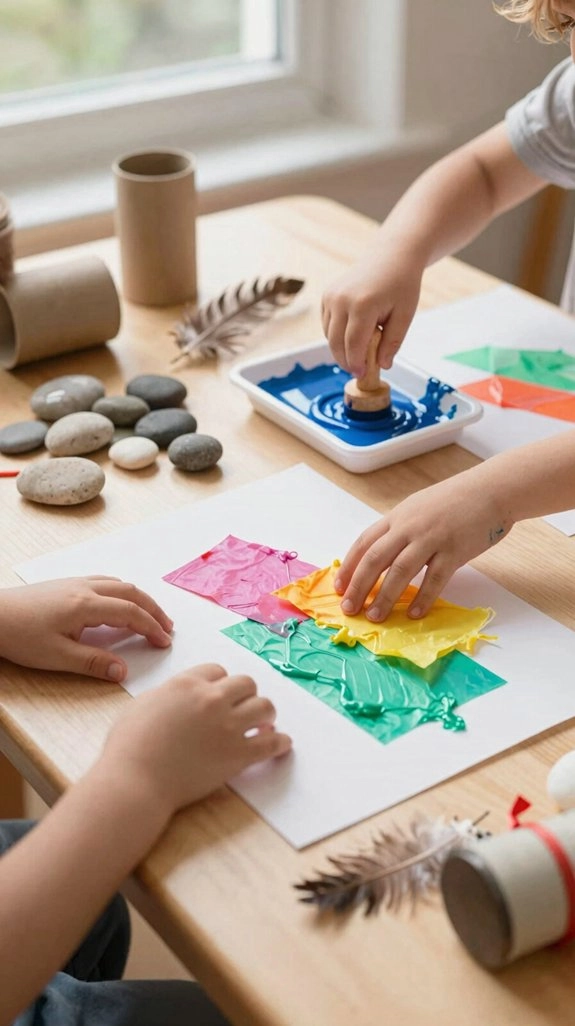
Process art matters because it lets preschoolers uncover without chasing one “right” result.
You give children room to experiment, experiment, and belong in the learning group.
Their open ended choices show that each idea has value.
As they squeeze, grip, tear, place, and glue, they strengthen hand muscles and coordination.
Larger work spaces invite reaching, standing, and movement.
Confidence building happens when you praise effort and encourage another try after a mistake.
This practice also grows self regulation.
Thoughtful setup, including simple tools and early support, helps every child join successfully.
These creativity supports make uncover feel safe and exciting.
Painting Activities That Inspire Creativity
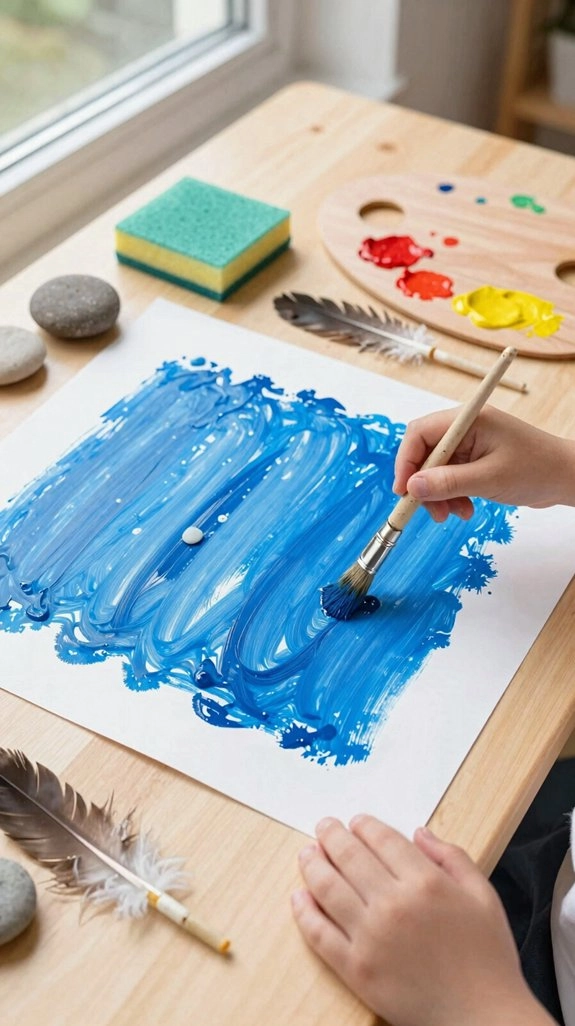
Painting invites preschoolers to uncover color, movement, and new ideas without worrying about mistakes.
Set up a large cardboard surface or outdoor canvas.
You can stand beside friends, reach high, and guide brushes with growing control.
Invite Color Mixing Exploration as you blend shades and notice new colors appear.
Add dot paint in squeezable bottles, helping with the first dot if needed.
You’ll build hand strength while placing dots independently.
Offer Tool Choice Freedom with brushes, sponges, or pom-poms held by clothespins.
Try bubble-wrap stamps or shaving-cream marbling for surprising patterns.
Every choice lets ideas belong on the page.
Finger Painting
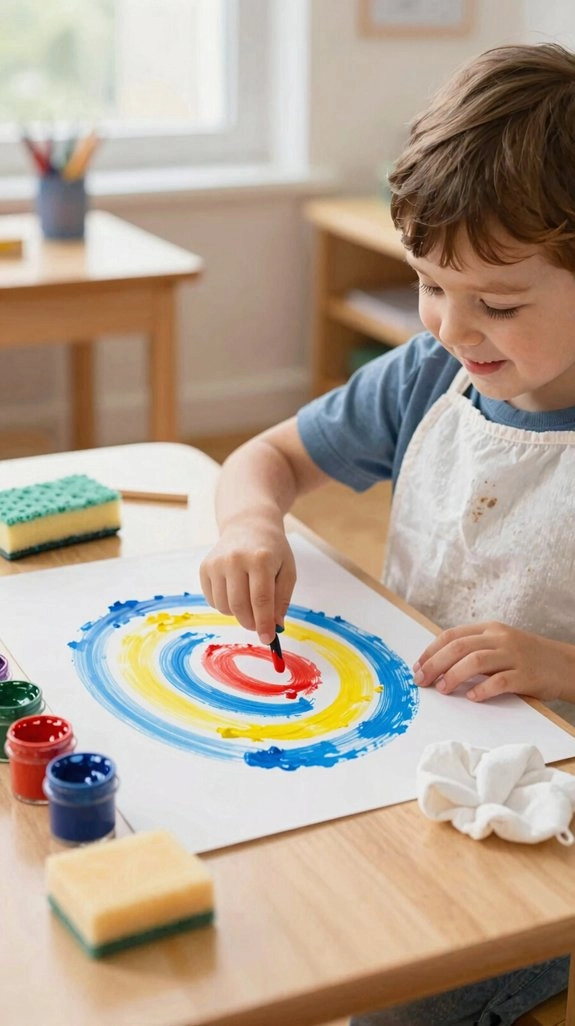
Dip your fingers into bright paint and watch your ideas spread across the page.
You belong in this colorful process, where every dot, line, and swirl matters.
Press, drag, and glide paint to build hand muscles and fine motor control for future pencil grasp.
Watch each mark, then choose where your next color or design will go.
These choices help you practice focus and self-control.
Sensory exploration lets you feel smooth, cool paint while sharing feelings through movement.
Try color mixing to uncover new shades.
Whether you make a background or patterns, your hands create art that’s yours.
Sponge Painting
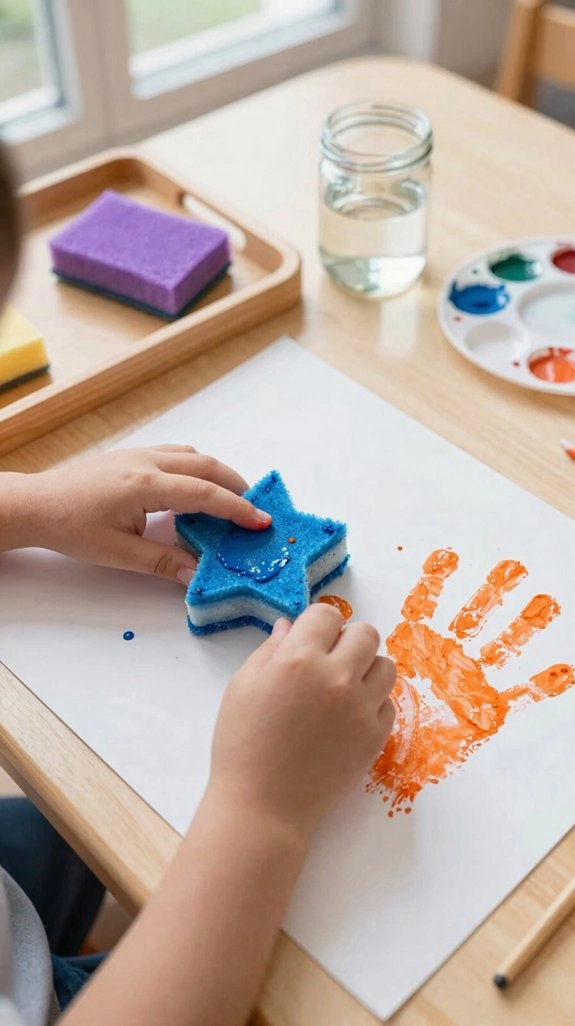
With a sponge in your hand, you can stamp colorful marks across the paper.
Dab gently, then press harder to see how each mark changes.
Your fingers and thumb squeeze the sponge, building grip strength and helping your eyes guide each placement.
Try filling simple dots or shapes with careful dabs.
Small sponges or shape-cut pieces can help you practice control.
Invite friends to paint beside you and share ideas.
Probe color mixing by layering paints and noticing new shades.
There’s no single perfect picture here.
You belong here when you experiment, keep trying, and celebrate creative choices together.
Q-Tip Painting
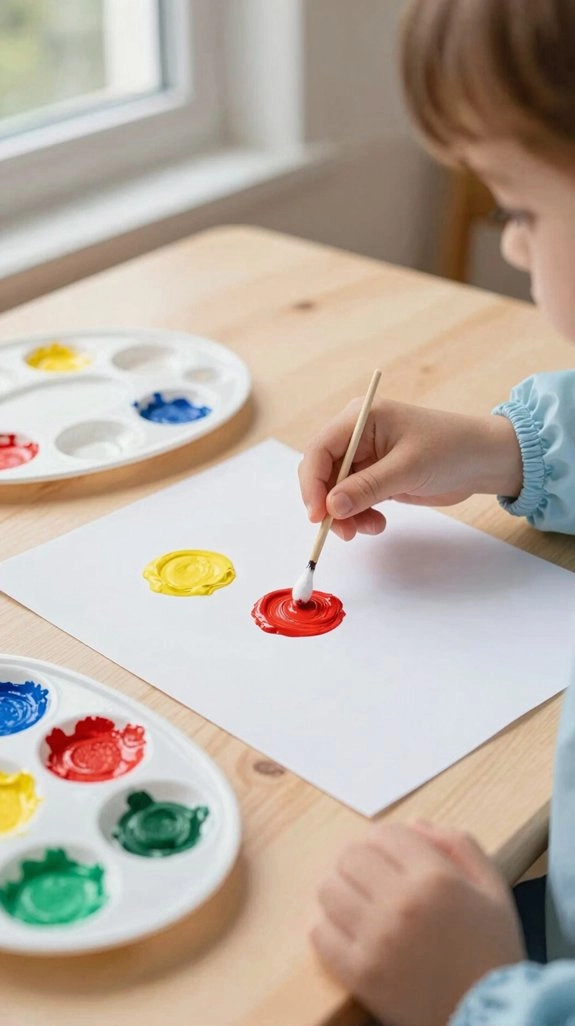
Now trade the sponge for a Q-tip and make tiny marks come alive. You’ll dip, dab, and repeat as your picture grows. This low-mess process lets you examine colors while joining artists who create in their own special ways.
- Hold the swab gently for pinch grip practice and steadier hands.
- Place dots and swirls carefully to build Hand eye coordination and patience.
- Try color layering to make bright texture patterns across your paper.
If painting feels tricky, ask for pre-dipped swabs or thicker paint. You can succeed one small mark at a time, and every design belongs to you.
Collage Projects Using Everyday Materials
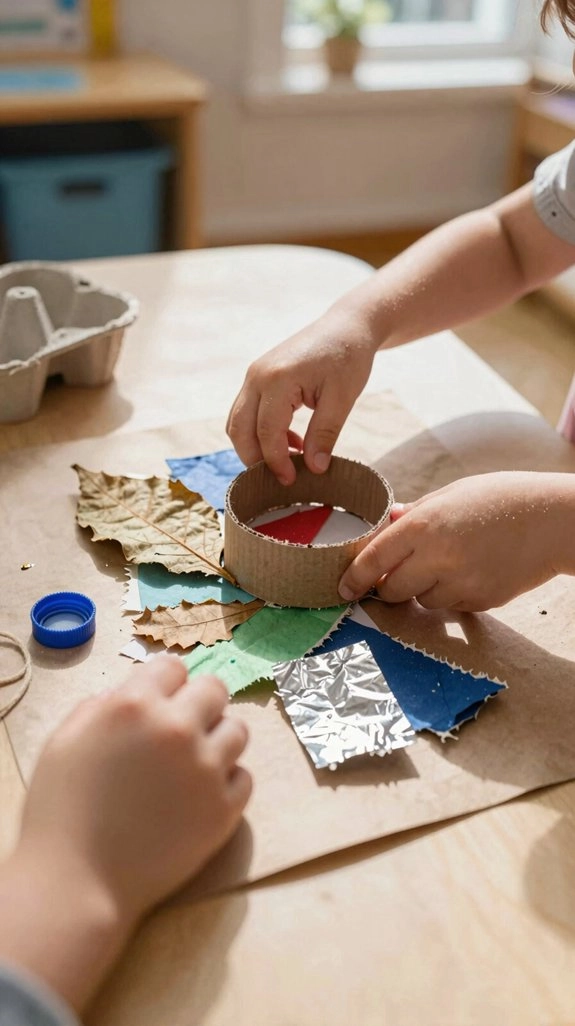
Everyday scraps can become a colorful picture when you tear, place, and glue them. You and your friends can follow a simple routine: tear, place, glue. Tissue tearing builds strong hands, while pom-poms and sequins invite careful pressing and layering.
| Material | Your action | Skill |
|---|---|---|
| Tissue | Tear and press | Hand strength |
| Pom-poms | Dot and layer | Precision |
| Sequins | Place one at a time | Focus |
| Glue | Squeeze with help | Glue bottle control |
Paint glue onto construction paper with a brush, then add each treasure. Older preschoolers can use supervised scissors for shapes. Finish your textured artwork proudly; everyone’s ideas belong here too.
Paper Collages
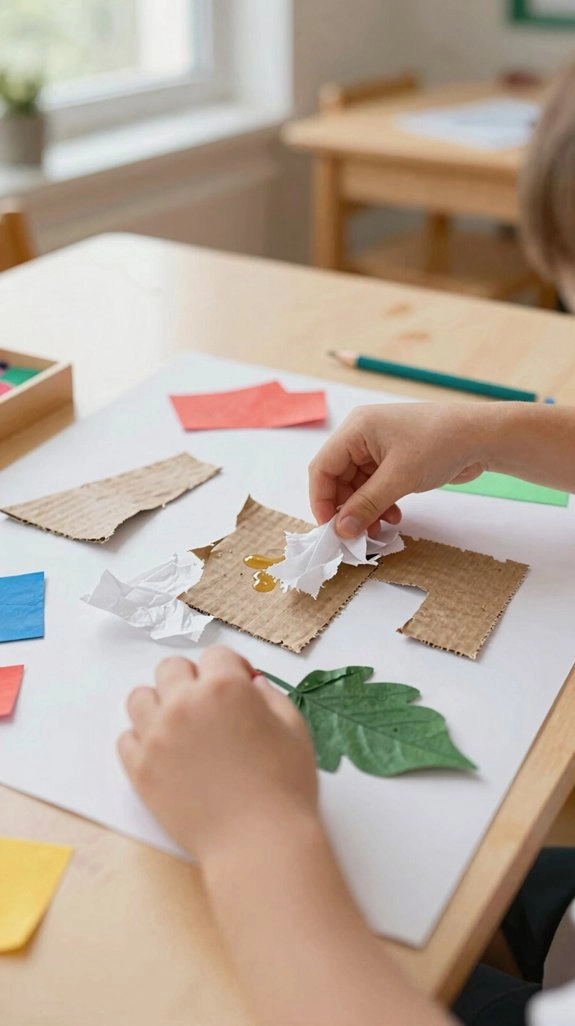
Paper collages let you create bright pictures from simple torn pieces. You’ll feel like part of an art team as you build a design together. Try these steps:
- Tear tissue paper into small squares or long strips for tactile texture.
- Paint glue onto construction paper, then press each piece into your picture.
- Add more colors until your page feels full and cheerful.
Ripping, placing, and gluing strengthen hands for drawing and pencil grip. If you’re older, use child-safe scissors for scissor practice and careful control. Choose shapes you love, and remember: there’s no wrong way to make your collage.
Nature Collages
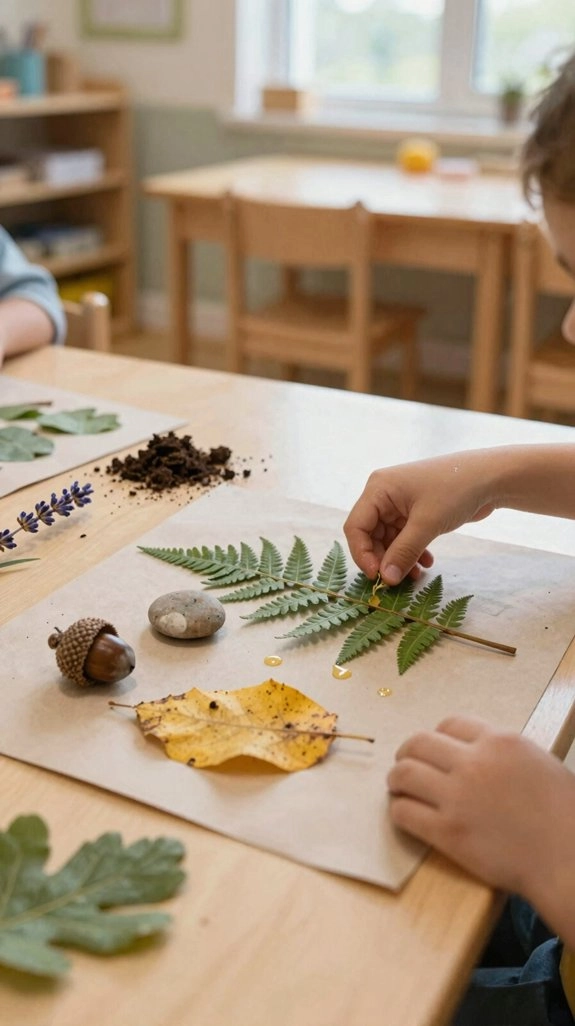
After making colorful paper pictures, you can bring the outdoors into your art.
Collect leaves, small twigs, and flower petals with your classmates.
Tear plain paper and layer your finds on cardboard or construction paper.
Rip tissue into tiny ground-cover bits.
Paint glue in small sections, then press each piece carefully.
Texture exploration prompts help you notice rough, smooth, soft, and bumpy details.
Try Leaf pressing games with dot-sized glue spots.
On a big sheet hung low or spread on the floor, you can reach, stand, and create together.
Add a painted background, stickers, or do-a-dot marks.
Celebrate finding.
Recycled Material Art
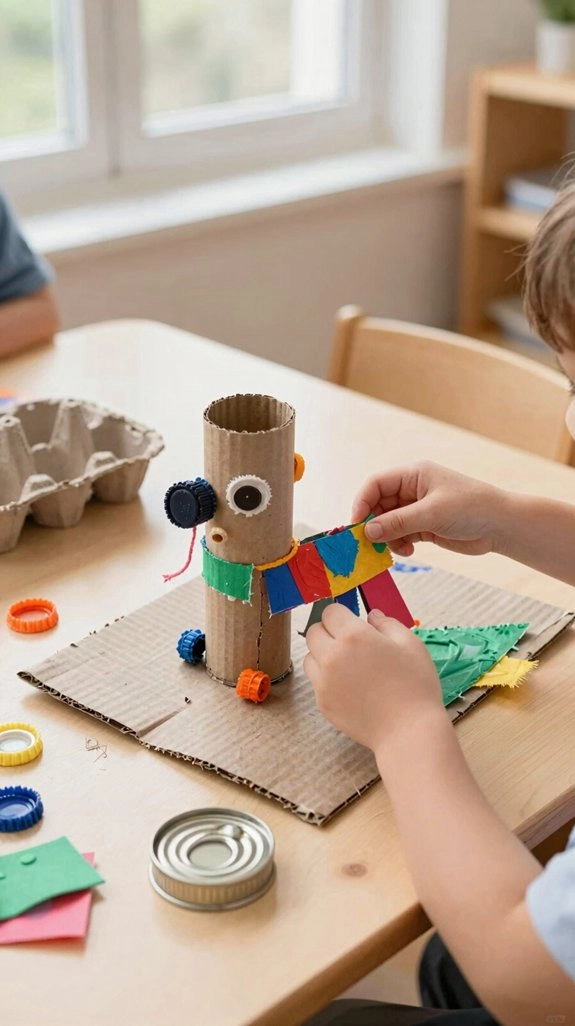
Now you can turn clean cardboard, paper scraps, and safe household pieces into art. You’ll join a creative community when you survey each Recycled texture and make something new.
- Flatten a box for a standing canvas. Paint broad strokes while your hands and arms reach and grow stronger.
- Try cardboard tearing and tissue paper layers for a sensory collage. Pinch, rip, press, and share your bright design.
- Thread clean large scraps or beads onto string. Line up each piece carefully, then fasten it securely.
Squeeze glue onto paper frames and practice glue control. Every choice builds confidence.
Sensory Art Experiences Children Love
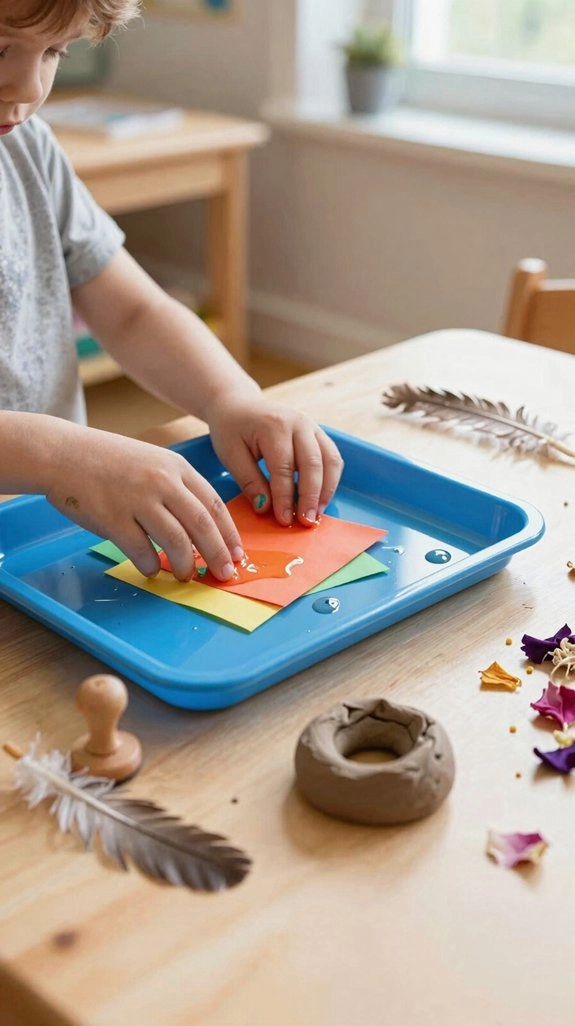
Sensory art invites you to paint, press, rip, and uncover exciting textures.
Make shaving-cream puffy paint clouds with your friends.
You’ll try thick and thin strokes and learn how much pressure feels right.
The clouds dry into soft, 3D art.
Ice cube painting lets you guide melting colors with popsicle sticks.
Bubble wrap stamps build hand-eye coordination.
Use a clothespin to dot pom-pom paint and strengthen your pinch grip.
Rip, place, and glue tissue paper for a colorful collage.
Sensory storytelling and movement based play help everyone share ideas, feel included, and create together with confidence and joy today.
Seasonal Art Activities for Year-Round Learning
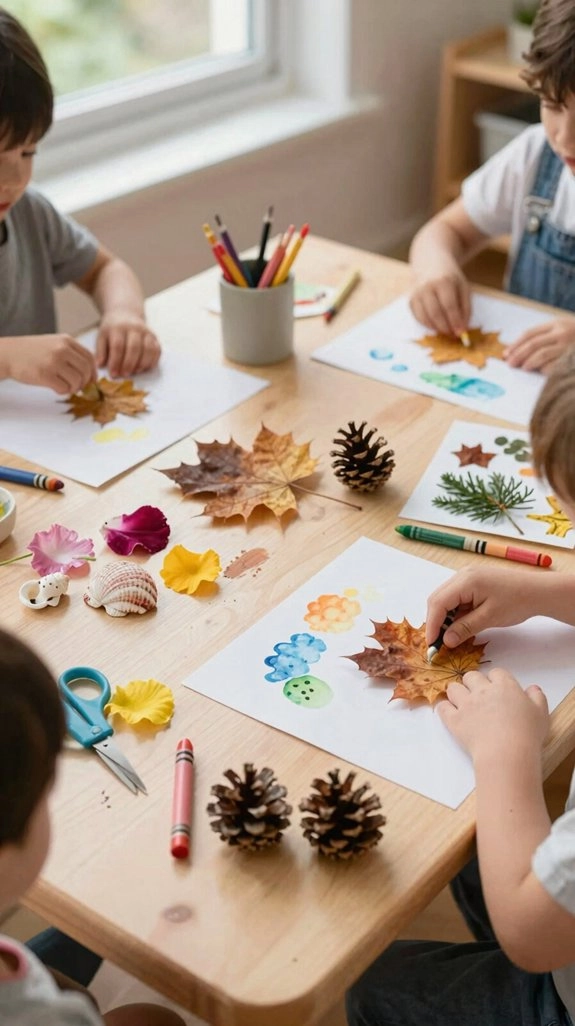
Each season gives you fresh art ideas while your hands grow stronger. Your hands grow stronger.
Try projects that help everyone feel part of your creative group:
- Make fall leaf collages with torn tissue paper and bright glue dots.
- Paint winter snow on a shared Outdoor mural using a big cardboard canvas.
- Investigate weather textures with bubble-wrap spring flowers or puffy summer clouds.
You can choose simple washable paint marks for younger children. Older preschool artists can mix colors and layer seasonal scenes.
Change the materials as the year turns.
You’ll notice new colors, weather, and traditions around you too.
Art Projects That Strengthen Fine Motor Skills
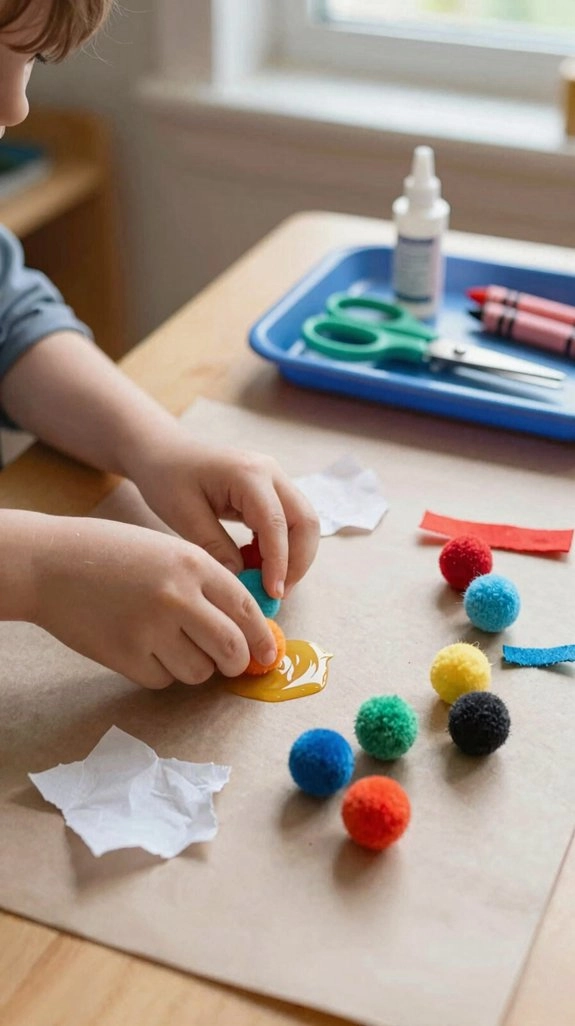
As you create, small art movements help your hands learn useful new skills. Tear tissue paper into tiny pieces, then brush glue onto construction paper and press them down. You’ll build fingertip control with each colorful collage.
| Project | Skill |
|---|---|
| Pom-pom dot painting | Pinch strength |
| Scissor practice and lacing crafts | Coordination |
Try cardboard canvas painting while you stand and reach. Hold the brush, squeeze paint, and add stickers or do-a-dot marks. These steps grow steady hands for writing and daily tasks. You’re part of a creative community that learns one small move at a time. Ask an adult for help setting tiny paint dots, and celebrate the careful choices you make together today.
Open-Ended Art vs Craft Projects
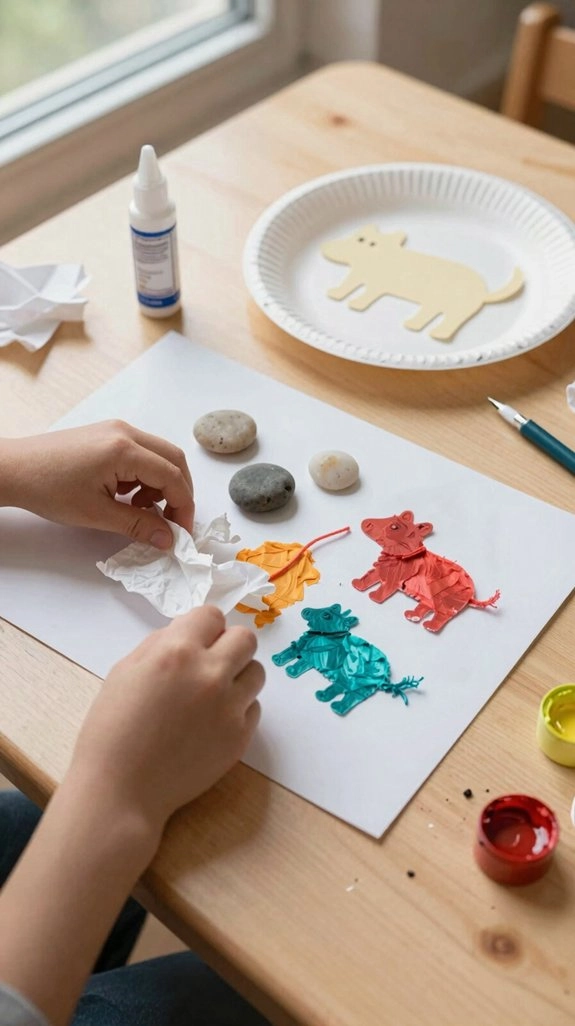
While both choices build strong hands, open-ended art lets you lead the adventure. You join a creative community when you investigate without one “right” result. Try Messy play on a large cardboard canvas and stretch, reach, grip, and paint. Your material choice guides independent investigation while squeezing, tearing, and placing build control.
- Change paint pressure to make bold or soft marks.
- Choose tissue, glue, or brushes and test their textures.
- Follow a craft’s steps when you want focused practice.
Structured crafts build precision through repeated dot-setting and gluing. Younger artists may need a starting hand while older children finish.
Setting Up an Easy Preschool Art Station at Home
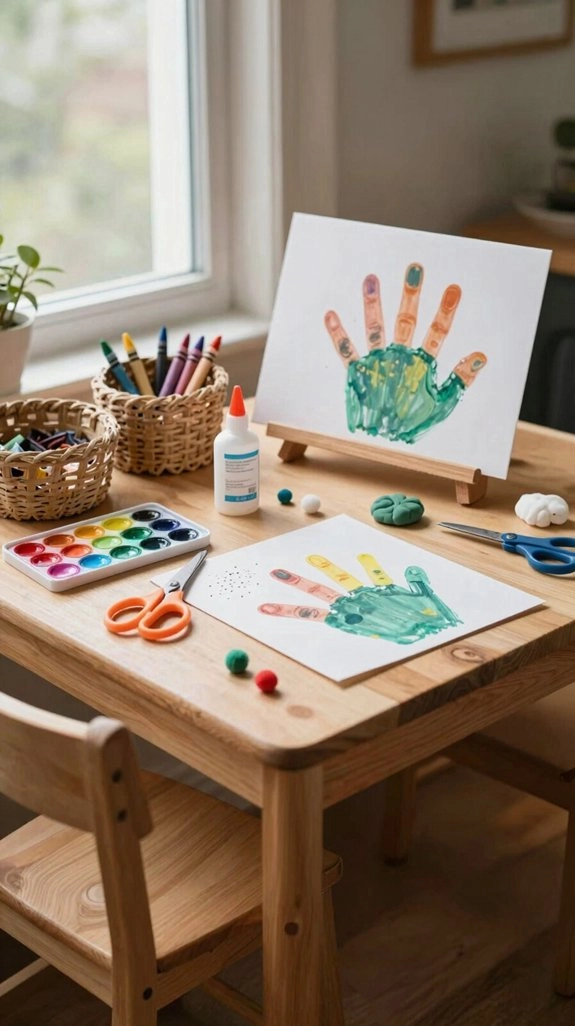
Turn a large cardboard box into a simple outdoor art station your child can uncover. Flatten it into one big canvas, or tape it outside at their height.
Add Low Mess Supplies like tempera paint, thick brushes, and squeeze-friendly paint tubes.
Your child builds hand strength while brushing, squeezing, and pressing.
Invite siblings or friends to share the surface for Outdoor Creativity and Color Mixing.
Offer tissue paper, construction paper, glue, stickers, or do-a-dot paints.
Tearing and gluing support coordination.
For Clean Up Tips, keep choices limited and adjust steps: toddlers need help, while older preschoolers can work independently.
Tips for Displaying Children’s Artwork
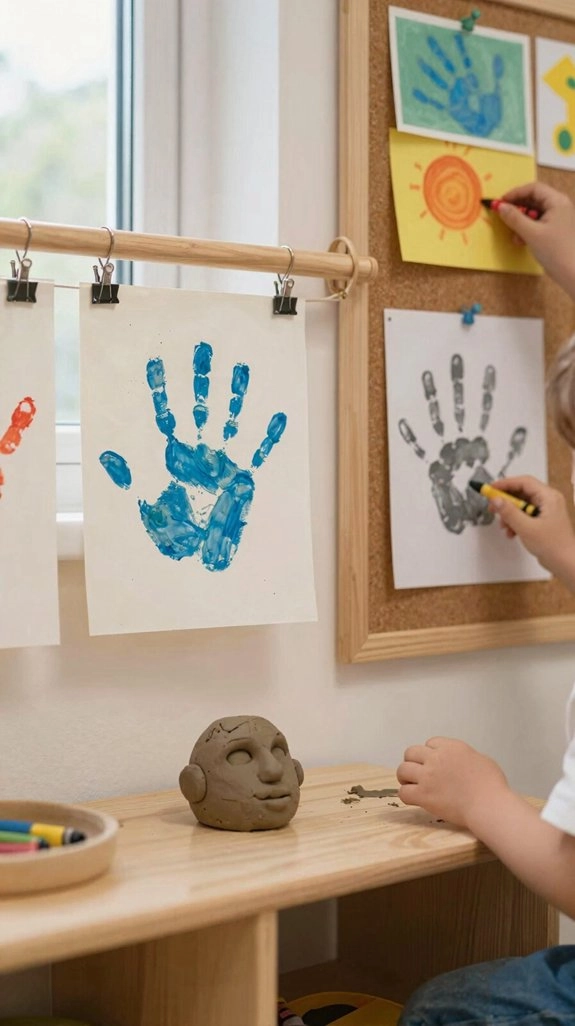
Displaying your child’s art shows that their ideas matter. Place pieces at eye level or on low shelves, so they can revisit their work and feel proud.
- Use paper clips or binder rings for easy swaps. Rotate art weekly or monthly, giving each child a turn to shine.
- Add names and Feedback language: “You ripped and glued tissue paper.” This celebrates effort, supports child led choices, and strengthens art corner flow.
- Match the display to the project. Create bulletin-board gallery grids for small pieces. Tape or string large group paintings outdoors, on a fence, or along a wall.