








Caustic soda, or sodium hydroxide, is a very important industrial chemical. Factories use it to make paper, soaps, detergents, and many cleaning products. It helps treat water so it becomes safer to drink. It also helps process food like olives and cocoa. Companies use it to make medicines, plastics, and synthetic fibers. It even helps extract aluminum from rocks. These are just some of its many crucial uses, and the next parts investigate them in more detail.
- Key Takeaways
- What is Caustic Soda Sodium Hydroxide NaOH Definition
- Chemical Properties Caustic Soda Composition Structure
- Manufacturing Process Caustic Soda Production Methods
- Forms and Types Caustic Soda Flakes Pearls Liquid
- Paper and Pulp Industry Caustic Soda Applications
- Soap and Detergent Manufacturing Using Caustic Soda
- Water Treatment Caustic Soda pH Control Heavy Metal Removal
- Chemical Manufacturing Caustic Soda Role and Importance
- Food Processing Applications of Caustic Soda
- Pharmaceutical Industry Uses of Caustic Soda
- Aluminum Processing and Caustic Soda
- Bleach Production Caustic Soda Requirements
- Wood Processing and Furniture Manufacturing
- Caustic Soda Safety Hazards and Handling Precautions
- Environmental Impact and Caustic Soda Disposal
- Market Trends Caustic Soda Industry Growth
- Comparison with Other Alkaline Chemicals
- Future Applications and Caustic Soda Innovation
- Frequently Asked Questions
Key Takeaways
- Caustic soda is vital in paper and pulp processing to remove lignin, bleach pulp, and improve recycling efficiency.
- It is widely used in soap, detergent, and bleach manufacturing for saponification, pH control, and sodium hypochlorite production.
- Industries use caustic soda for water and wastewater treatment to adjust pH, precipitate heavy metals, and improve disinfection.
- In aluminum and chemical manufacturing, caustic soda extracts alumina from bauxite and serves as a key feedstock for plastics, fibers, and herbicides.
- Food, pharmaceutical, and textile industries rely on caustic soda for controlled pH adjustment, surface treatment, and specialized cleaning and peeling processes.
What is Caustic Soda Sodium Hydroxide NaOH Definition
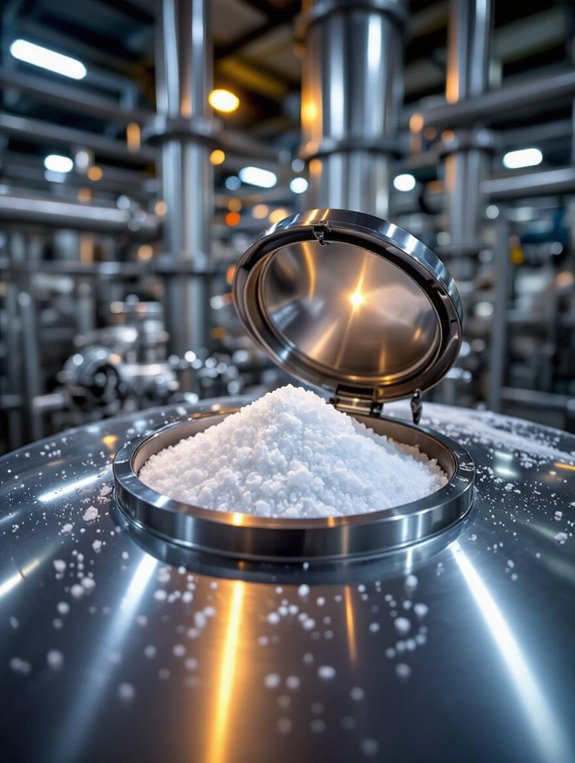
Caustic soda might sound like a mysterious name, but it is simply a strong chemical called sodium hydroxide, or NaOH. It belongs to a group of substances called alkalis. People value its potent caustic soda properties in many everyday products. It dissolves easily in water and feels slippery. These traits support many sodium hydroxide applications. Factories use it in food processing to cure olives and peel fruits. It also helps stop germs in canned foods. In paper mills, it helps separate wood fibers and clean recycled paper. Water plants use it to balance pH and remove heavy metals.
Chemical Properties Caustic Soda Composition Structure
Behind its simple name, sodium hydroxide has a very interesting chemical makeup and structure.
Its formula is NaOH. That means one sodium ion joins with one hydroxide ion.
They connect through strong ionic bonds. These bonds help give it a high melting point.
Caustic soda is a white solid. It often appears as flakes, granules, or liquid solutions.
It dissolves easily in water and releases heat while dissolving.
In water, it forms a very strong base with a pH close to 14.



It takes part in many chemical reactions, especially with acids, to form salts and water.
Manufacturing Process Caustic Soda Production Methods

Although it may seem simple, making caustic soda is a carefully planned process. Most plants use the chlor-alkali process. They send electricity through salty water called brine. This electrolysis splits the brine into caustic soda, chlorine gas, and hydrogen gas. Modern membrane cells guide ions through thin barriers. These cells boost production efficiency and lower energy consumption. They also support sustainability practices by cutting waste and emissions. Another method is the lime soda process. Here sodium carbonate reacts with calcium hydroxide to form caustic soda. Careful quality control keeps purity above 98 percent for reliable industrial use.
Forms and Types Caustic Soda Flakes Pearls Liquid
Once the caustic soda is made, it does not stay in just one shape.
Different caustic soda forms help people work together in many industrial applications.
Each form fits a special task and supports safe and smooth daily operations.
- Flakes – Flakes are very pure and store well. They dissolve in a controlled way. Many chemical makers choose flakes for steady results and easier handling.
- Pearls – Pearls or microbeads flow easily. They suit automatic feeders and precise dosing systems.
- Liquid – Liquid caustic soda, often 20–50%, allows quick, direct use in many processes.
Paper and Pulp Industry Caustic Soda Applications
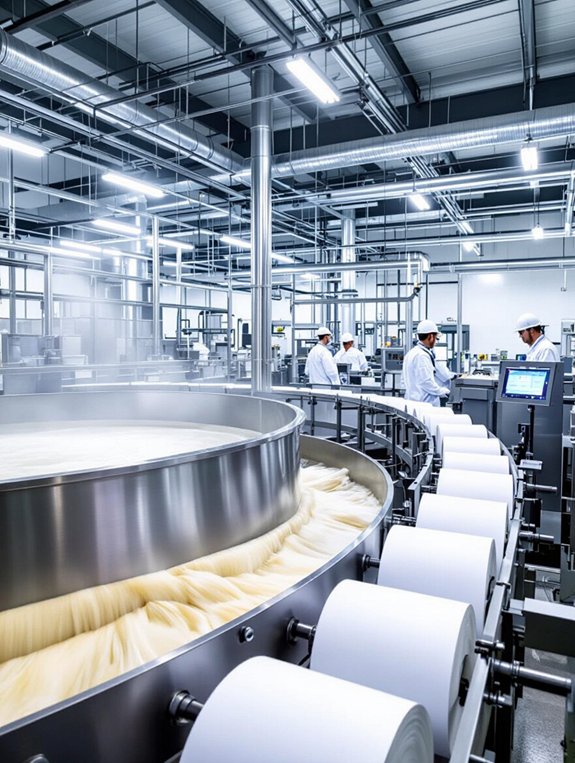
In many paper mills, caustic soda quietly works as a key helper at every step.
It helps remove lignin from wood so fibers separate cleanly.
This step improves pulp quality and supports strong smooth paper.
Caustic soda also helps bleach the pulp so sheets look bright and clean.
In recycling plants it helps pull ink off used paper fibers.
This boosts recycling efficiency and gives a purer final product.
Caustic soda treats process water and keeps pH at the right level.
With sodium sulfide it dissolves unwanted materials and protects pure cellulose.
Soap and Detergent Manufacturing Using Caustic Soda
Paper mills are not the only places where caustic soda quietly helps. In soap and detergent plants, it plays a central role. It reacts with oils and fats in saponification. This reaction forms the sodium salts of fatty acids that people call soap. Careful soap formulation techniques guide texture, hardness, and lather. Caustic soda also neutralizes acidic mixtures in detergents. This step brings balance and stability.
- Builds strong cleansing strength for dirt and grease
- Supports liquid and solid products that feel familiar
- Drives detergent effectiveness improvements that households trust
Water Treatment Caustic Soda pH Control Heavy Metal Removal

Think of caustic soda as a quiet helper that keeps water safe and steady.
It supports pH balancing so water does not stay too acidic or corrosive.
This protection helps pipes, heaters, and home appliances last longer and work well.
Caustic soda also joins heavy metal remediation by locking metals like lead and zinc.
It turns them into tiny solid pieces that can be removed from the water.
It helps form sodium hypochlorite, which fights germs that make people sick.
It also stops hard scale from blocking pipes and neutralizes acidic wastewater.
Chemical Manufacturing Caustic Soda Role and Importance
Although it often sits quietly in the background, caustic soda is a star of chemical manufacturing. It stands at the heart of many industrial applications. Makers of synthetic fibers, plastics, and herbicides rely on it as a key feedstock. It also helps create soda ash for glass and detergents. In medicine, it supports careful production of safe APIs. Its strong reactivity lets teams control pH and stabilize products. Caustic soda also shapes many useful solvents.
- Feeds major chemical chains
- Protects product quality and stability
- Supports coatings, adhesives, and shared innovation
Food Processing Applications of Caustic Soda
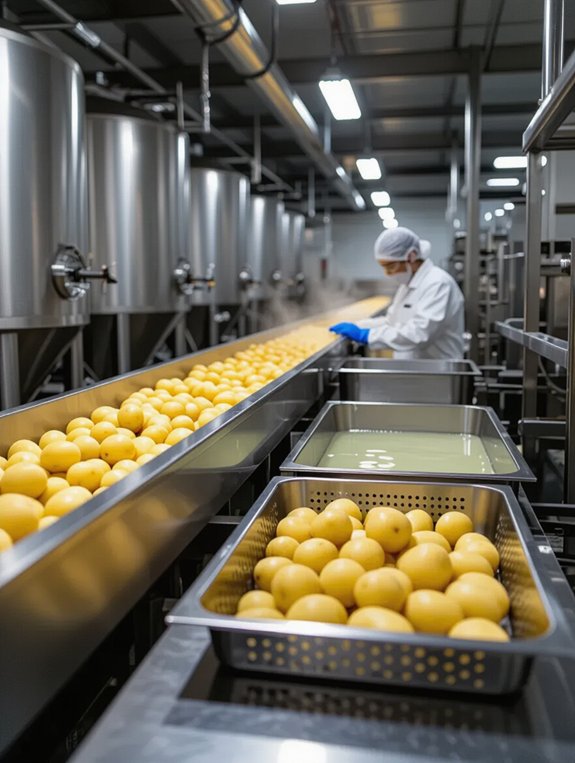
In food processing, caustic soda quietly helps many favorite foods reach the table.
It supports olive curing by lowering bitterness and bringing out rich flavor.
Workers also use it to loosen skins on tomatoes and potatoes for canning.
| Application | Role of Caustic Soda |
|---|---|
| Olive curing | Reduces bitterness and improves taste |
| Tomato peeling | Softens skins for easy removal |
| Potato processing | Helps remove peels quickly |
| Pretzel baking | Creates deep brown color and crunch |
| Mold prevention | Slows mold and bacteria growth |
These uses improve food safety, quality, and shared eating experiences.
Pharmaceutical Industry Uses of Caustic Soda
Many people know caustic soda helps with food, but it also supports modern medicine. In drug plants, it helps build active pharmaceutical ingredients that fight illness. It also shapes safe pharmaceutical formulations with strong stability improvement.
- Caustic soda controls pH so medicines stay stable and work as planned.
- It supports saponification to make smooth creams, ointments, and healing emulsions.
- It helps create special fibers and polymers for medical devices and drug delivery.
Aluminum Processing and Caustic Soda
Few people realize that caustic soda quietly fuels the expedition from rock to shiny aluminum.
In modern aluminum extraction methods, workers mix crushed bauxite with hot caustic soda solution.
This step dissolves alumina and leaves most other minerals behind.
The liquid then cools and forms aluminum hydroxide crystals.
These crystals become pure alumina after heating.
Later, factories turn alumina into strong aluminum metal.
About one ton of caustic soda makes two tons of alumina.
Caustic soda recycling supports cleaner scrap processing.
It removes oils and coatings so aluminum can live many new lives.
Bleach Production Caustic Soda Requirements
Although bleach looks simple on a store shelf, its recipe depends heavily on caustic soda. Factories mix caustic soda with chlorine to create sodium hypochlorite, the main bleaching agent. They usually use about 10–15% sodium hydroxide solution for safe and steady reactions.
1. Forming bleach
Caustic soda reacts with chlorine so bleach formulations gain strong cleaning strength.
2. Protecting the product
It supports sodium hypochlorite stability and slows breakdown during storage and transport.
3. Keeping the pH right
Its high alkalinity sets the ideal pH and meets strict safety rules.
Wood Processing and Furniture Manufacturing
In the world of wood and furniture, caustic soda quietly does a lot of work.
It helps break down wood chips so companies can reach the soft cellulose fibers.
This is important for making pulp and paper that feels smooth and looks clean.
Its strong alkaline nature removes lignin and helps during bleaching for bright white sheets.
Caustic soda also supports recycling by removing ink from used paper.
In wood treatment, it washes away stains and marks.
This creates cleaner surfaces and better furniture quality that people can trust and enjoy.
Caustic Soda Safety Hazards and Handling Precautions
Working with caustic soda can be very useful, but it also brings real danger.
It is highly corrosive and can burn skin and eyes very quickly.
People who handle it wear nitrile gloves, goggles, and sometimes face shields.
They learn safe habits together through careful safety training.
1. Workers always add caustic soda to water slowly.
This reduces heat and splashing.
2. Teams keep spill response kits and emergency showers nearby.
Everyone knows how to use them.
3. Caustic soda is stored in airtight containers in cool, dry areas.
This keeps it stable and easier to handle.
Environmental Impact and Caustic Soda Disposal
Safety for people is only part of the story with caustic soda. It also affects land, rivers, and oceans if it is not handled correctly. Strong alkali can burn soil and harm plants and tiny organisms in water.
Caustic soda regulations guide companies to protect shared environments. They must use careful disposal methods instead of simple dumping or rinsing. Waste is usually neutralized with acids to bring pH closer to safe levels. Trained workers at waste facilities follow strict rules and certifications. Research investigates cleaner production and smarter waste systems to cut carbon footprints. Responsible disposal helps everyone belong to a healthier planet.
Market Trends Caustic Soda Industry Growth
Although caustic soda seems like a simple white chemical, its market is growing fast. Experts expect it to reach about $50 billion by 2027. This growth comes from paper, textile, and water treatment plants. These groups share similar goals and shape strong market interactions together.
1. Demand from aluminum producers rises because caustic soda helps extract alumina from bauxite. 2. Soap and detergent makers use more caustic soda as personal care products expand worldwide. 3. New green methods and recycling support growth, while raw material costs create industry challenges.
Comparison with Other Alkaline Chemicals
Compared to other alkaline chemicals, caustic soda stands out for its strong and flexible use.
Many alkaline alternatives seem similar at first. Yet each one fits different industrial applications.
Sodium carbonate, or soda ash, is weaker. It works well when gentle pH change is enough.
Potassium hydroxide is very strong but usually costs more. So many factories choose caustic soda.
Ammonium hydroxide is less corrosive. It suits lighter cleaning jobs.
Caustic soda is more soluble than magnesium hydroxide. That helps in soap making and water treatment.
Unlike calcium hydroxide, caustic soda serves food, textile, and chemical production together.
Future Applications and Caustic Soda Innovation
In the future, caustic soda will play a big part in new clean technologies.
Scientists already use it to help make hydrogen fuel cells for quiet electric cars.
New plants may run with renewable energy so production creates fewer carbon emissions.
- Caustic soda supports better electrolytes for batteries and long‑lasting energy storage systems.
- Textile makers test gentler caustic soda processes to protect water and local habitats.
- Growing markets need new grades and delivery methods so each industry feels included and ready.
Together these changes show caustic soda joining a shared path toward cleaner industry.
Frequently Asked Questions
How Can Small Businesses Safely Store Caustic Soda On-Site Long Term?
Small businesses safely store caustic soda by using compatible, sealed storage containers, clear labels, and ventilation, following strict safety protocols, training every team member, maintaining spill kits, and building a shared culture of responsibility, vigilance, and mutual care.
What Certifications Regulate Industrial Caustic Soda Quality for Various Applications?
Industrial caustic soda quality is regulated through coincidence of global certification standards: ISO 9001, ISO 14001, REACH, food‑grade (FCC/E number), and pharma‑grade (USP/EP), creating shared quality assurance criteria uniting suppliers, distributors, and end‑users.
How Do Caustic Soda Prices Typically Respond to Energy Cost Fluctuations?
Caustic soda prices usually rise when energy cost climbs, since production is energy‑intensive, and ease when energy falls. This tight linkage deepens price volatility, something industry peers monitor together to anticipate shared risks and protect long‑term stability.
What Training Should Workers Receive Before Handling Concentrated Caustic Soda Solutions?
They should receive hands-on instruction in safety protocols, PPE use, chemical properties, first aid, and emergency response. After all, who doesn’t want every teammate protected, informed, and ready to support one another in hazardous situations?
Are There Viable Bio-Based or Green Alternatives to Traditional Caustic Soda in Industry?
Viable bio based alternatives are emerging: enzymatic cleaners, organic alkalis, and CO₂‑derived reagents. Green chemistry advances let communities embrace safer processes, though performance, cost, and scalability still limit full replacement of traditional caustic soda across all industries.