






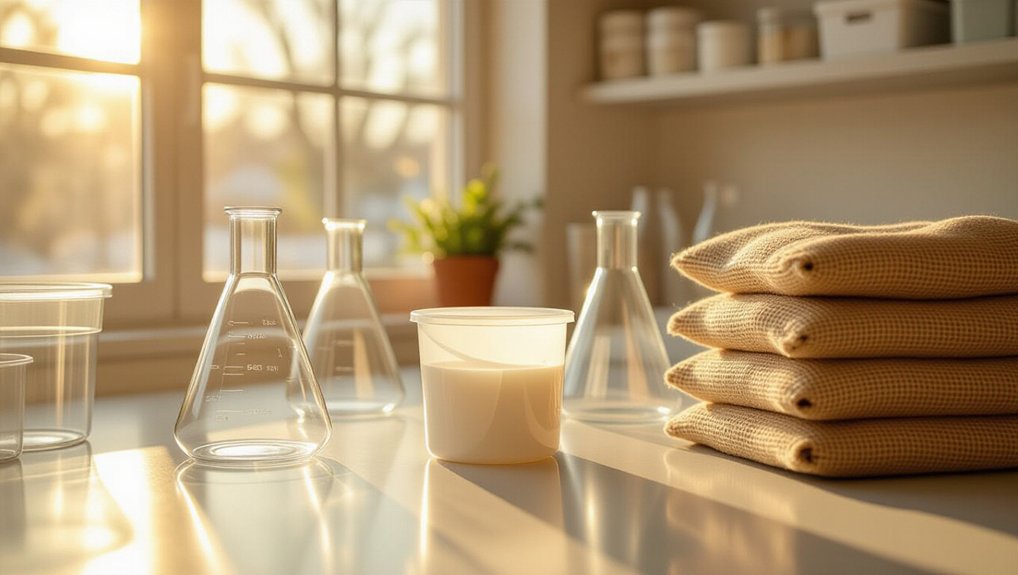

Polypropylene is a smart plastic that helps shape many modern materials. It comes from simple gas molecules linked into long chains. Makers can change how these chains form to adjust strength, softness, and flexibility. This lets polypropylene work in cars, food packaging, electronics, hospitals, and buildings. It resists heat, many chemicals, and water, so it lasts a long time. New versions also support better recycling and lower pollution, and there is much more to uncover about it.
- Key Takeaways
- What is Polypropylene Chemical Structure and Composition
- Manufacturing Process and Properties Development
- Industrial Applications Across Multiple Sectors
- Mechanical Thermal and Chemical Characteristics
- Environmental Impact and Recycling Solutions
- Comparison with Other Plastic Materials
- Future Innovations and Emerging Technologies
- Frequently Asked Questions
Key Takeaways
- Tailored structures and copolymers let polypropylene replace heavier metals and rigid plastics, enabling lighter, stronger, and more efficient modern products.
- Advanced processing and nanofillers boost polypropylene’s toughness and heat resistance, expanding its use in demanding automotive, electronics, and construction applications.
- As a chemically resistant, electrically insulating polymer, polypropylene safeguards sensitive electronics, sterile medical items, and moisture‑prone building components.
- Monomaterial polypropylene films and recyclable products like CPPeel® lids support circular packaging systems and help meet emerging 2030 sustainability regulations.
- Ongoing research, including converting polyethylene to polypropylene, reduces greenhouse gas emissions and positions polypropylene at the center of low‑carbon material innovation.
What is Polypropylene Chemical Structure and Composition
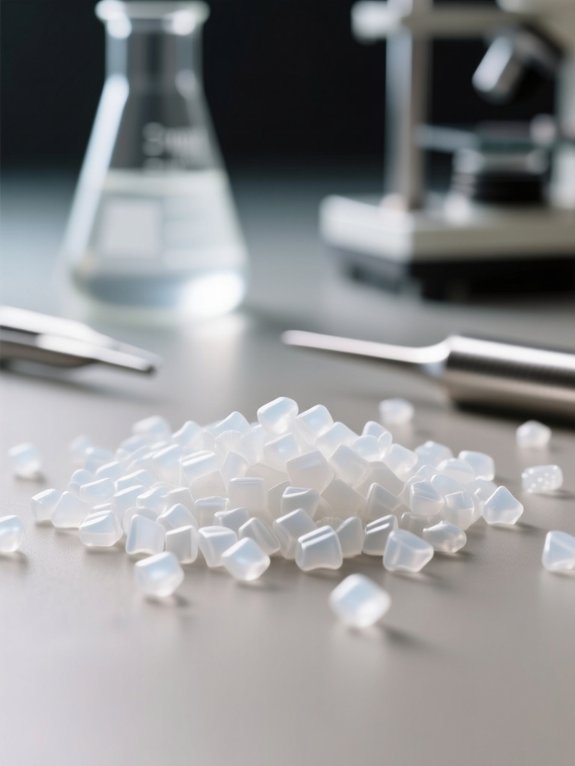
Polypropylene might sound like a big, tricky word, but its basic idea is simple.
It is made of many tiny units called propylene joined in long chains.
People call this formula (C3H6)n, where “n” is how many units connect.
Different polymerization techniques create several polypropylene variations.
These include isotactic, syndiotactic, and atactic forms.
Isotactic polypropylene lines its units in a neat order, giving strong crystals.
This ordered structure brings higher strength and stiffness.

Copolymers mix propylene with ethylene to add softness and toughness.
Because of this structure, polypropylene stays light, resists many chemicals, and insulates well.
Manufacturing Process and Properties Development
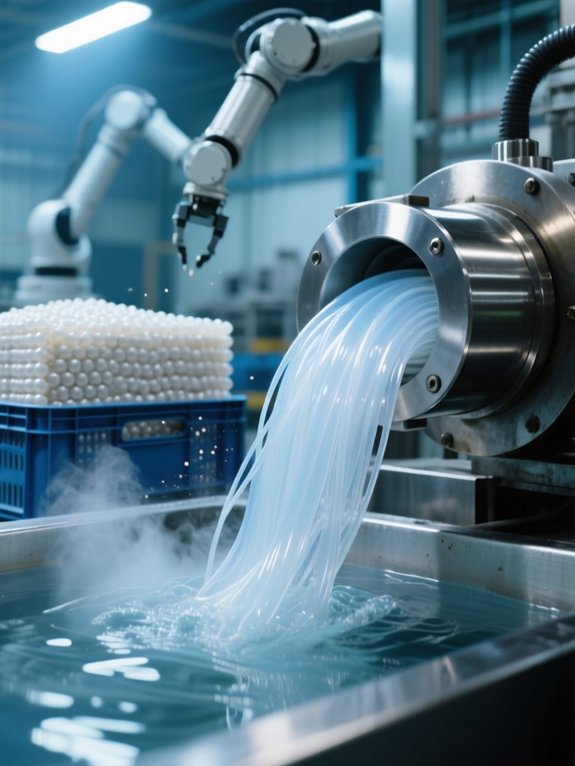
After learning how its tiny units link together, it helps to see how that chain is made in real life.
In factories, makers use special polymerization techniques to join propylene molecules into long chains.
They adjust temperature and pressure to control chain length and branching.
They also use copolymerization to mix in other small molecules.
This creates different strengths and flexibility, so no one feels limited to one type.
Next, processes like extrusion and injection molding shape melted polypropylene into useful forms.
Additive manufacturing builds parts layer by layer.
Nanofillers and polymer blends improve toughness, heat resistance, and even support recycled and bio-based versions.
Industrial Applications Across Multiple Sectors
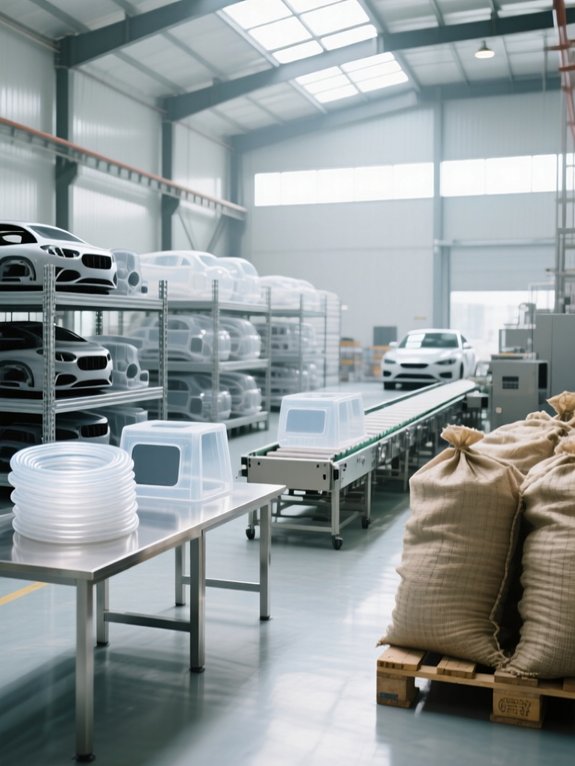
Even though it seems like a simple plastic, modified polypropylene quietly supports many modern industries.
It helps connect people through safer cars, fresher food, and reliable devices.
- In automotive applications, MPP forms bumpers and interior trims that reduce vehicle weight and improve fuel use.
- For packaging solutions, its barrier layers protect food from air and moisture and support eco‑friendly designs.
- In electronics, MPP keeps currents controlled with strong insulation that protects delicate parts.
- In healthcare and construction, it supports sterile medical items and warm, dry buildings through sturdy, moisture‑resistant panels.
Mechanical Thermal and Chemical Characteristics
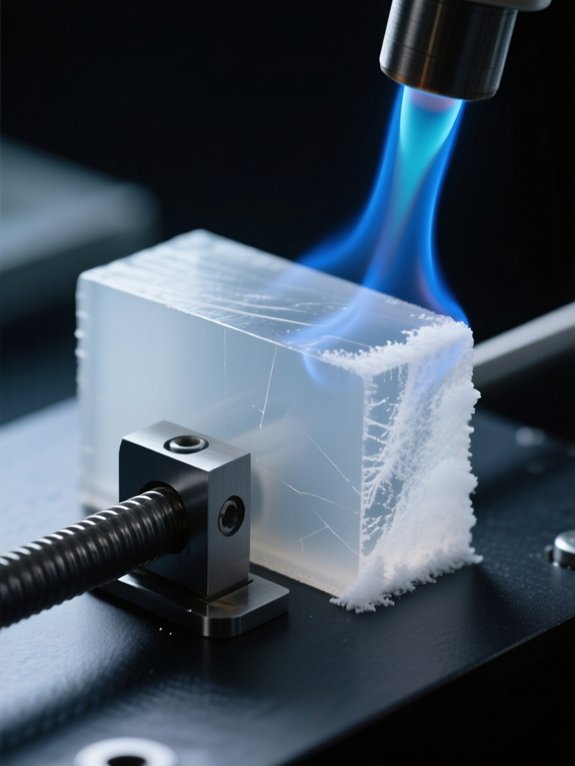
Hidden strength makes modified polypropylene stand out among everyday plastics in an impressive way.
Its mechanical performance lets it bend and flex without breaking or staying bent. This toughness helps parts last longer in cars and tools people use daily.
Polypropylene also shows strong thermal stability. It keeps its shape up to about 160 to 170 degrees Celsius. That makes it reliable in hot environments like electronics and heated packaging.
Chemically, it resists many solvents, acids, and bases. It also absorbs little water. Its good electrical insulation protects circuits. Together, these traits help communities trust the material in shared technology and spaces.
Environmental Impact and Recycling Solutions
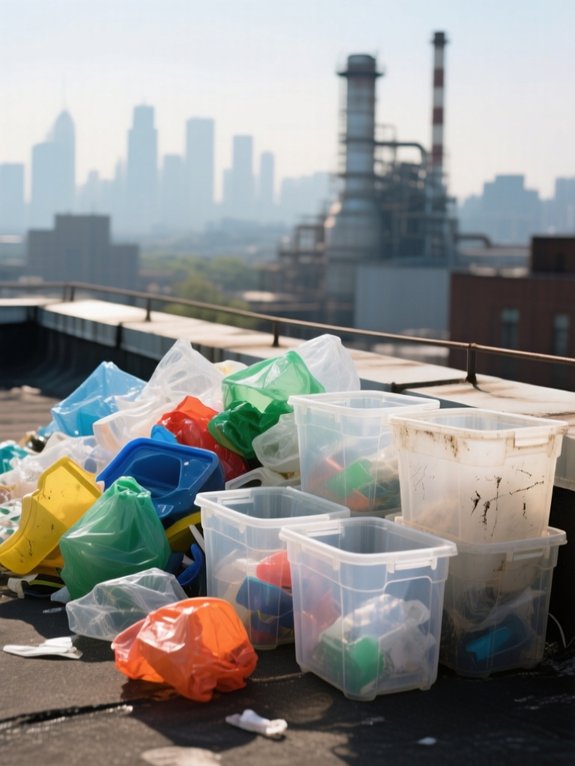
While polypropylene helps make daily life easier, it also raises big questions about waste.
People want sustainable practices, yet they also love flexible, handy packaging. Today most flexible films in the U.S. are not recycled. Only about 5% return to useful products. This shows big recycling challenges and missing collection systems.
- Monomaterial polypropylene films make sorting easier and cut contamination in recycling plants.
- European 2030 rules push all packaging to be recyclable, including PP films.
- CPPeel® D dairy lids offer fully recyclable PP and a far lower carbon footprint.
- New research turns polyethylene into polypropylene, lowering greenhouse gases.
Comparison with Other Plastic Materials
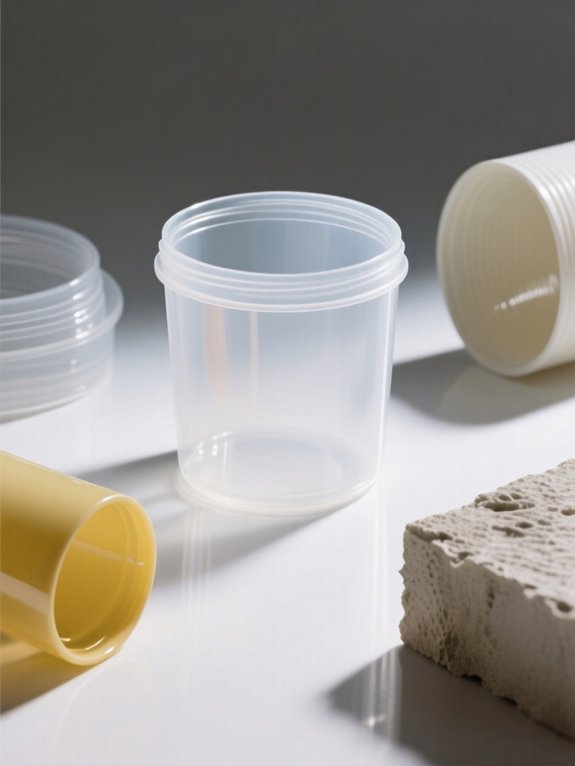
To understand why polypropylene is so important, it helps to compare it with other plastics.
With HDPE, it shares strong chemical resistance. It also blocks moisture very well.
One key polypropylene advantage is better strength with lower weight, so products feel light.
LDPE bends easily but handles less heat, so PP works better for harder jobs.
PET looks clearer and blocks gases well, yet PP wins in high heat uses.
Against PVC, PP often brings fewer health worries.
Compared with Nylon, PP absorbs less water.
Main polypropylene disadvantages include lower clarity than PET and lower strength than Nylon.
Future Innovations and Emerging Technologies
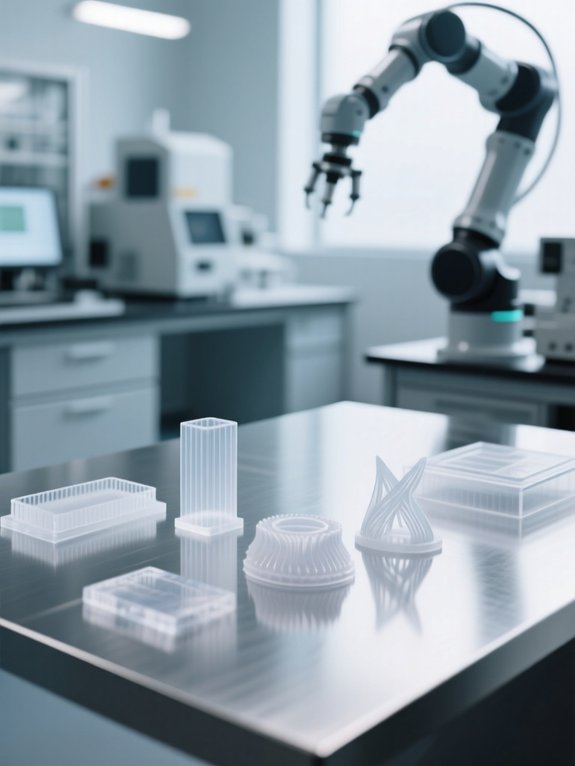
How might polypropylene change in the next few years as new ideas appear?
Researchers expect modified polypropylene to grow stronger and more heat resistant. This could open new doors in electronics and safe food packaging. People in many fields feel part of this shared progress.
1. Better strength and heat control
New blends improve mechanical toughness and thermal stability for demanding jobs.
2. Smart materials
Added sensors let parts react to temperature or light and protect devices.
3. Nanomaterial integration
Graphene and nanotubes boost strength for cars and medical tools.
4. Greener options
Bio-based and recycled versions support global recycling goals.
Frequently Asked Questions
How Safe Is Polypropylene for Food Contact and Long-Term Human Health?
Polypropylene is typically considered safe for food contact and long‑term human health when meeting regulatory standards. Research supports polypropylene safety, showing minimal migration into food, especially when used as intended, helping communities feel confident sharing meals and daily routines together.
Can Polypropylene-Containing Products Release Microplastics During Everyday Use?
Yes, polypropylene-containing products can release microplastics during everyday use, especially through wear, abrasion, and washing. As shared microplastics sources, they contribute to environmental impact, reminding communities to choose, use, and dispose of plastics more thoughtfully together.
What Should Consumers Look for in Polypropylene Labeling and Certification?
They watch for clear polypropylene standards, full resin identification, and country-specific labeling requirements, then seek certifications like FDA, EU food-contact, or OEKO-TEX—signals, like shared passwords, that this plastic corresponds with their community’s safety expectations.
How Does Polypropylene Cost Compare to Alternative Sustainable Materials for Buyers?
Polypropylene typically offers lower upfront costs than many alternative sustainable materials, so cost analysis and price comparison often favor it. Buyers sharing budget-conscious, eco-aware values may choose polypropylene as an accessible step toward more sustainable purchasing together.
Can Polypropylene Withstand Common Household Cleaning Methods Like Dishwashers and Disinfectants?
Polypropylene typically withstands everyday cleaning methods, including home dishwashers and most mild disinfectants, supporting strong material durability. However, community users should avoid harsh solvents, very high heat, or abrasive scrubbing, which can gradually weaken surfaces and shorten product lifespans.