







Michigan State welcomes many students, with an 84% acceptance rate for the Class of 2028. The average GPA is about 3.74, and most ACT scores fall between 24 and 30. SAT scores usually range from 1100 to 1310. Most undergraduates come from Michigan, but many are from other states too. MSU is test-optional, offers Early Action, and has a competitive Honors College. There is much more about MSU admissions that can inspire future Spartans.
- Key Takeaways
- Understanding Michigan State Acceptance Rate 2024 2025
- Historical Acceptance Rate Trends at Michigan State
- In State Versus Out of State Acceptance at MSU
- Early Application Michigan State Acceptance Rates
- Transfer Student Acceptance Rate at Michigan State
- Waitlist Acceptance Rate and MSU Chances
- SAT ACT Score Requirements for Michigan State
- GPA Requirements and Academic Profile at MSU
- Michigan State Acceptance Rate by College School
- Total Applicants and Admitted Students Data
- Enrollment Yield Rate After Michigan State Admission
- International Students Michigan State Acceptance Rate
- Factors Affecting Michigan State Acceptance Rates
- Application Volume Growth and Competitiveness Trends
- Honors College Acceptance at Michigan State
- Diversity and Demographics in MSU Class
- Michigan State Versus University of Michigan Comparison
- How to Strengthen Your Michigan State Application
- Class Profile of Admitted Michigan State Students
- Future Outlook MSU Acceptance Rate Projections
- Frequently Asked Questions
Key Takeaways
- Michigan State’s Class of 2028 acceptance rate is about 84%, with applications reaching a record 62,138.
- The average GPA of enrolled students is 3.74, and over half of admitted students have GPAs above 3.75.
- Typical admitted test scores range from 24–30 ACT and 1100–1310 SAT, though MSU uses a test-optional policy.
- Around 76% of undergraduates are Michigan residents, but out-of-state applicants still see acceptance rates in the mid-80% range.
- Early Action, with a November 1 deadline, is nonbinding and has an acceptance rate similar to the overall 84% rate.
Understanding Michigan State Acceptance Rate 2024 2025
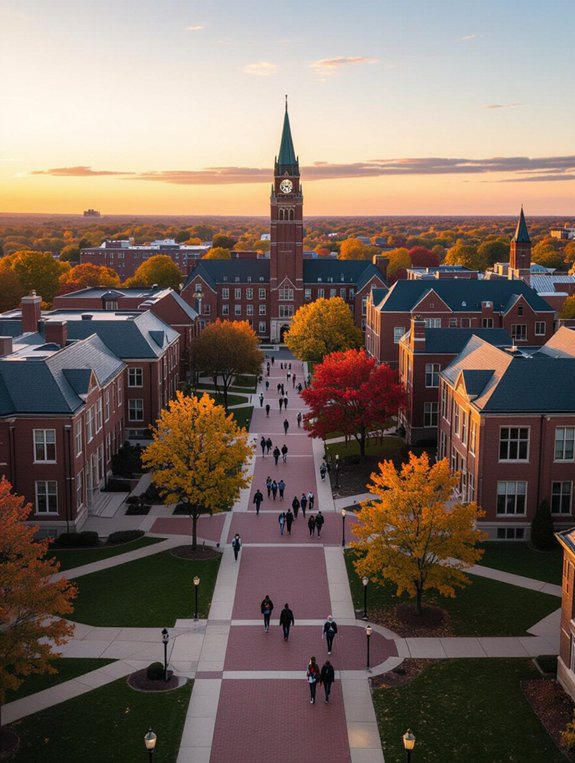
Although college admissions can seem confusing at first, Michigan State’s acceptance rate is easier to understand when it is broken into simple pieces. For the Class of 2028, about 84 of every 100 applicants were admitted. Applications were high at 62,138, so many students saw Michigan State as a real option.
Most enrolled students had strong grades, with an average GPA of 3.74. Over half had GPAs above 3.75. Typical ACT scores ranged from 24 to 30. SAT scores ranged from 1100 to 1310. The test optional policy shapes admission expectations and will likely guide future applications.
Historical Acceptance Rate Trends at Michigan State
Picture a line on a graph slowly climbing upward over the past few years.
These historical trends at Michigan State show a campus that more students want to join.
In 2018, the acceptance rate was near 71 percent.
Today it sits in the mid‑80s.
For the Class of 2028, it reached 84 percent.



Applications rose to 62,138, a 9 percent jump.
These acceptance fluctuations happened while the school stayed selective.
Average GPA is 3.74, with many above 3.75.
The yield rate fell, yet strong SAT and ACT ranges remain.
In State Versus Out of State Acceptance at MSU
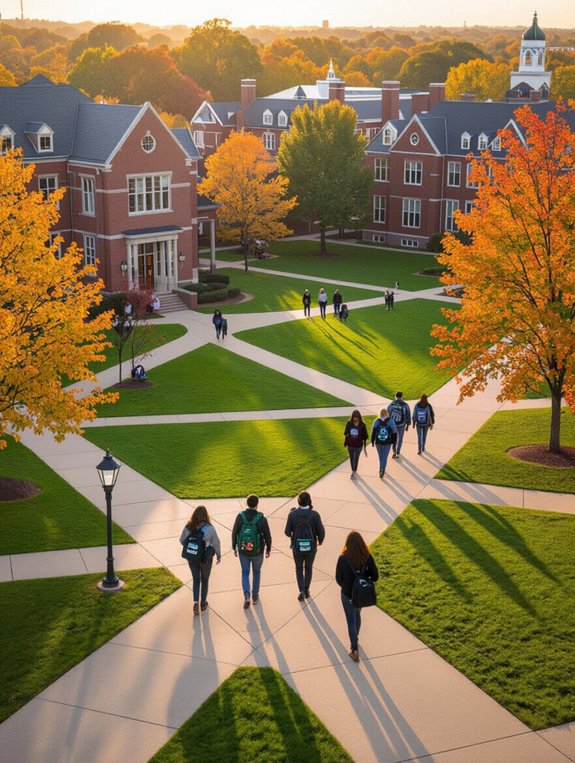
When students look at Michigan State, many wonder if it is easier to get in from inside the state or from somewhere else.
MSU shows clear in state advantages. The acceptance rate for Michigan residents is a bit higher. The Class of 2028 had an overall rate of 84 percent. In state students did slightly better than that. Most Spartans come from Michigan, about 76 percent of undergraduates.
Out of state challenges do exist, yet they are not huge. Out-of-state students still see acceptance rates in the mid 80 percent range.
Early Application Michigan State Acceptance Rates
Students not only wonder about in state and out of state chances. They also ask if applying early to Michigan State helps. Early Action has clear early action benefits for students who want answers sooner. The deadline is November 1, and decisions come earlier in the year.
- Early Action is nonbinding, so students can still compare other schools.
- Application strategies often include applying Early Action to several colleges.
- This can help students feel calm while they investigate every option.
For the Class of 2028, acceptance reached 84%, with Early Action helping drive more applications.
Transfer Student Acceptance Rate at Michigan State
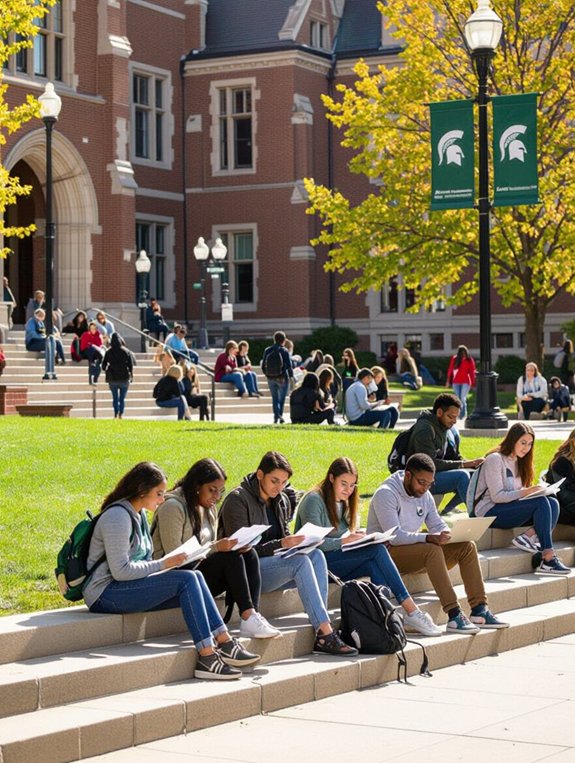
Many curious learners consider transferring to Michigan State and wonder about their chances.
The transfer acceptance rate is usually around 60 percent. It can change each semester.
MSU looks closely at college grades and courses already taken. A minimum 2.0 GPA is required.
Helpful transfer application tips include finishing at least 30 college credits before applying.
This shows commitment and helps with transfer credit evaluation.
The team checks which classes will count toward a Michigan State degree.
Important deadlines are July 1 for fall and December 1 for spring.
Waitlist Acceptance Rate and MSU Chances
Although the waitlist at Michigan State can feel confusing, it does not have to feel hopeless. MSU does not share exact waitlist acceptance rates, so chances are ambiguous. Still, its high overall acceptance rate and low yield suggest real openings.
Students can use thoughtful waitlist strategies to stay in the running:
- Send polite, focused waitlist communication that shows true interest
- Update MSU with new grades, awards, or activities
- Explain plainly why MSU feels like the right community
Strong academics, rigorous courses, and a clear fit with MSU’s mission can all help.
SAT ACT Score Requirements for Michigan State
When looking at SAT and ACT scores for Michigan State, it helps to know the targets.
Most enrolled students have SAT scores between 1100 and 1320. These SAT score trends show the middle 50 percent of admitted students. For the Class of 2028, averages were about 1100 to 1310.
ACT score insights look similar. Many admitted students score between 26 and 31 on the ACT. For 2028, most enrolled students scored around 24 to 30. MSU is test optional. Students decide whether to send scores. Strong grades still matter a lot in this community-focused admissions process.
GPA Requirements and Academic Profile at MSU
At Michigan State, the academic bar is high but still within reach for determined students. The university looks at GPA standards to see if applicants can handle academic rigor. The average GPA for the Class of 2028 is 3.74. Many students score higher.
- Most admitted students earn between 3.5 and 4.0 in high school classes.
- Over half of enrolled students report a GPA above 3.75.
- Deficiencies in core subjects can hurt an application.
MSU also values strong coursework. Four years of English plus solid math and social studies help students feel ready and included.
Michigan State Acceptance Rate by College School
Students soon uncover that Michigan State’s acceptance rate is not the same everywhere.
Each college school has its own level of college competitiveness and program popularity.
Engineering and Business usually accept fewer students.
Their programs are well known and spots fill quickly.
The College of Nursing is even more selective.
It looks for high GPAs, strong science classes, and health activities.
The Colleges of Natural Science and Social Science also feel competitive.
Many students want health and social science majors.
The College of Communication Arts and Sciences accepts more students.
Its programs reach many interests and welcome a wider range.
Total Applicants and Admitted Students Data
Each year brings a new wave of interest in Michigan State, and the Class of 2028 set a record. The university received 62,138 applications, the highest number so far. These application trends show how many students want to join this community.
- The acceptance rate reached 84%, revealing very welcoming admission statistics.
- About 54% of admitted students held a GPA above 3.75 in high school.
- Typical enrolled students scored around 1100–1310 on the SAT or 24–30 on the ACT.
These numbers help future applicants see where they might fit and feel hopeful.
Enrollment Yield Rate After Michigan State Admission
Enrollment yield rate may sound complex, but it is actually a simple idea.
It shows how many admitted students choose to join Michigan State after acceptance.
Recent yield rate trends dropped from about 28% in 2019 to near 18–20%.
More students now apply, and the test-optional policy brought even more interest.
MSU acceptance rate rose to 84% for the Class of 2028 to keep classes full.
Some majors like Engineering, Business, and Nursing still see lower yield.
These patterns guide MSU enrollment strategies so each new class feels complete and connected.
International Students Michigan State Acceptance Rate
A global mix of voices helps make Michigan State feel like a lively, welcoming place. International students make up about 4% of all undergraduates, yet they shape campus life in big ways. Their acceptance rate usually matches out-of-state students, in the mid‑80% range.
- Many applicants choose MSU for its strong reputation and friendly campus.
- Growing numbers of international applications help build a larger and more varied community.
- A shared test‑optional policy supports different international student experiences and backgrounds.
Students still face cultural adjustment challenges, but they often find support and real belonging at MSU.
Factors Affecting Michigan State Acceptance Rates
When looking at Michigan State acceptance rates, several important pieces fit together like a puzzle.
One piece is the academic record. Most accepted students have GPAs above 3.5.
Over half hold GPAs higher than 3.75, which strengthens their place in the pool.
Test scores are another part of the acceptance criteria.
Many admitted students earn SAT scores between 1100 and 1310 or ACT scores from 24 to 30.
Because testing is optional, strong grades and thoughtful application strategies matter even more.
Some majors, like Engineering, Business, and Nursing, admit fewer students.
Their extra competition shapes acceptance rates for those programs.
Application Volume Growth and Competitiveness Trends
Strong grades and scores explain only part of the story at Michigan State.
Application trends show more students see MSU as a place they can belong.
For the Class of 2028, applications rose 9% to 62,138, a record.
- The acceptance rate is now about 84%, up from 71% in 2018.
- Many admitted students are strong academically, with an average GPA of 3.74.
- Over half of admitted students hold GPAs above 3.75, with solid SAT and ACT ranges.
Lower recent yield rates shape admission strategies, as MSU invites wider voices and backgrounds.
Honors College Acceptance at Michigan State
Though it may seem like just another program, the Honors College at Michigan State offers something extra for motivated students.
The honors college creates a close group of high‑achieving students who learn together.
Its admission criteria are higher than regular MSU admission.
Most students need about a 3.8 high school GPA.
They usually also have strong test scores like a 30 ACT or higher.
There is a separate application and an extra essay.
Members enjoy smaller classes, special research projects, priority registration, and unique scholarships.
They join a supportive community that values curiosity and shared learning.
Diversity and Demographics in MSU Class
Diversity at Michigan State University helps shape what daily life on campus feels like. Students see many backgrounds and stories. About 76% come from Michigan. Nearly 20% are from other states. Around 4% are international.
- The student body is 66% White and 27% students of color
- Gender balance is close with 46% men and 54% women
- Many major in Business, Social Science, Engineering, Natural Science, or Communication Arts
This mix creates strong cultural representation. Many student organizations support identity and interests. New students can find spaces where they feel seen and welcome.
Michigan State Versus University of Michigan Comparison
Life at Michigan State feels busy and full of different people and interests, and many students want to know how it compares to the University of Michigan. In this University Comparison, both schools feel large and proud, yet their Admission Standards differ. Michigan State admits about 84% of applicants. Michigan admits around 20% to 25%.
| Michigan State (MSU) | University of Michigan (UM) |
|---|---|
| GPA about 3.74 | GPA usually above 3.8 |
| SAT 1100–1320 | SAT 1350–1550 |
| 76% in‑state Student Demographics | About 50% in‑state students |
Each campus offers its own kind of community and challenge.
How to Strengthen Your Michigan State Application
Building a strong Michigan State application starts with understanding what the university looks for. Aiming for a GPA of 3.5 or higher shows real effort and focus. Challenging classes like honors, AP, or IB signal strong preparation and curiosity.
- Take four years of English, three of math, three of social studies
- Add two years of science and two years of one foreign language
- Check your courses each year so you stay on track
Strong personal statements help admissions see the real person. These application tips, plus campus visits or social media involvement, show genuine interest and fit.
Class Profile of Admitted Michigan State Students
A quick look at Michigan State’s class profile helps future applicants see where they stand.
The admissions criteria show strong academics but also room for many types of students.
The average GPA is 3.74, and 54% hold above 3.75.
About 23% ranked in the top tenth of their class, and 54% in the top quarter.
Middle SAT scores range from 1100 to 1310, and ACT scores from 24 to 30.
Student demographics reveal a mostly Michigan crowd with 76% in‑state.
Roughly 20% come from other states, and almost 4% are international.
Future Outlook MSU Acceptance Rate Projections
Understanding where current students stand makes it easier to look ahead at MSU’s future.
More students apply each year, and the Class of 2028 saw a 9% rise.
The acceptance rate reached 84%, yet the yield rate slipped near 18–20%.
- Strong GPAs suggest MSU will keep seeking serious and committed learners
- Test-optional rules until 2025 may boost future application trends even more
- Potential yield changes may push MSU to admit many to fill each class
Together, these patterns suggest acceptance rates may stay high.
Still, getting in will likely remain competitive.
Frequently Asked Questions
Does Michigan State Offer Guaranteed Admission Agreements With Any High Schools or Community Colleges?
Yes. Echoing well-trodden academic paths, Michigan State builds high school partnerships and community college pathways that provide structured, often near-guaranteed admission routes, though details, majors, and eligibility vary by specific agreement and program.
How Does Applying Undeclared Versus a Specific Major Affect Admission Chances at MSU?
Applying undeclared versus a specific major at MSU usually has similar overall odds, but competitive programs may be tougher. Choosing undeclared can offer major flexibility, so a thoughtful application strategy helps students feel they truly fit.
Are Legacy Applicants Given Any Preference in Michigan State’s Admissions Process?
Legacy applicants at Michigan State do not receive formal legacy preference in the admissions criteria. The university primarily evaluates academic performance, course rigor, and personal qualities, welcoming all students into a community built on shared values.
How Do Disciplinary Records or Suspensions Impact Admission Decisions at Michigan State?
Disciplinary records and suspensions can influence admission at Michigan State, but disciplinary impact and suspension consequences are reviewed contextually. Applicants who show growth, honesty, and sustained responsibility may still be welcomed and supported within the campus community.
What Role Do Recommendation Letters Play in MSU Admissions, if Submitted Optionally?
Recommendation letters play a modest, comprehensive role; about 25% of applicants nationally submit them. Their recommendation importance at MSU is supplementary, but strong, specific letters can create meaningful letter impact, affirming fit, character, and community-minded potential.