







Aldous Huxley’s *Brave New World* investigates control, freedom, and what makes someone truly human. The World State uses technology, conditioning, and the drug soma to keep people calm and obedient. A strict caste system shapes every person’s job, thoughts, and desires from birth. Real emotions, family, and deep relationships are pushed aside for constant pleasure and consumption. As students examine these themes, they begin to see how this strange future world reflects their own.
- Key Takeaways
- Plot Overview The Central London Hatchery Tour
- The Five Caste System Alpha to Epsilon Hierarchy
- Understanding Brave New World Characterization Conflict
- The Role of Soma Pleasure Over Free Will
- Conditioning and Hypnopedia Mind Control Techniques
- Brave New World Themes Stability Versus Individuality
- Dystopian Society Control Through Consumption
- Literary Devices and Narrative Structure Analysis
- Huxley’s Warning About Technology and Power
- Brave New World Compared to Orwell’s 1984
- Reception and Legacy Modern Relevance Today
- Study Guide Questions and Critical Analysis
- Frequently Asked Questions
Key Takeaways
- Technological control and conditioning shape identity and behavior, replacing family, love, and education with engineered obedience and emotional manipulation.
- A rigid caste system predetermines intelligence, work, and status, presenting social stability at the cost of equality and individual potential.
- Consumerism and pleasure—through soma, sex, and constant entertainment—suppress critical thinking, depth of feeling, and genuine human connection.
- The conflict between freedom and control exposes the price of safety and happiness when individuality, art, and truth are sacrificed.
- Characters’ loneliness and inner conflict, especially John’s, reveal the human need for meaning that the World State cannot satisfy.
Plot Overview The Central London Hatchery Tour

The tour of the Central London Hatchery and Conditioning Centre gives readers their first close look at how the World State creates and controls its citizens.
A guide walks students through bright labs and silent embryo rooms.
They see the Bokanovsky process split one embryo into many identical twins.
This seems efficient but also raises questions about hatchery ethics and choice.
Embryos get chemicals and special conditions that shape abilities and desires.
These steps decide each person’s future role before birth.
The Director explains that such planning protects social stability.

Readers glimpse the deep societal implications of this careful design.
The Five Caste System Alpha to Epsilon Hierarchy
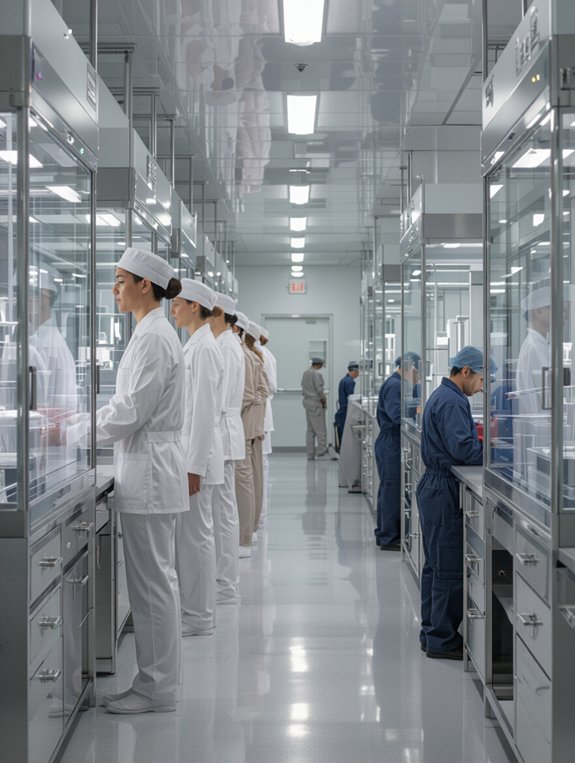
Inside this strange future world, people do not grow up to choose any job.
A strict five caste system shapes every life path and hope.
| Caste | Main Work Type | Key Design |
|---|---|---|
| Alpha | Leadership, planning | Highest intelligence |
| Beta | Support, organizing | Moderate intelligence |
| Gamma | Routine service | Bokanovsky twins |
| Delta | Heavy labor | Bokanovsky twins, obedience |
Epsilons fill the hardest, dullest tasks.
From birth, caste conditioning teaches children to love their assigned societal roles.
No one dreams of rising higher.
Belonging means fitting the pattern perfectly.
Understanding Brave New World Characterization Conflict

Conflict shapes each major character in Brave New World and makes their choices feel real.
John’s character conflict comes from his identity struggle as an outsider in every place.
He cannot fully join the World State or the Savage Reservation.
Bernard wants to stand out yet also feel accepted.
He dreams of change but often gives in when authority pushes back.
Lenina feels torn between her training and her feelings for John.
Mustapha Mond calmly defends control over freedom and deep knowledge.
- Conflict shows who each person really is.
- Conflict tests loyalty to personal values.
- Conflict reveals the cost of belonging.
The Role of Soma Pleasure Over Free Will

Pleasure in Brave New World often acts like a soft chain that people barely notice.
The drug soma creates quick happiness and washes away fear and anger.
This comfort seems kind, yet it leads to deep soma dependency.
People stop asking hard questions because pain disappears before it can teach them.
Their emotional numbness keeps them calm but also strangely empty inside.
The slogan “A gramme is always better than a damn” shows this choice.
Characters like Bernard and John see soma as a poison to free will.
Conditioning and Hypnopedia Mind Control Techniques
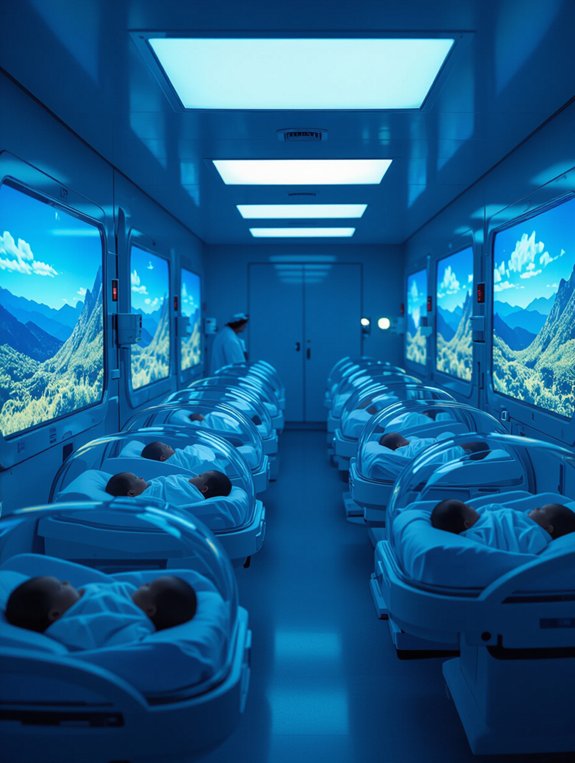
Conditioning in *Brave New World* quietly molds people’s minds long before they can choose. The World State begins societal conditioning with embryos in bottles. Each body is formed to fit a future job. Later, hypnopaedic slogans whisper through sleep. Children hear the same lines thousands of times.
- Hypnopaedic slogans like “Everybody’s happy nowadays” make fake joy feel normal and safe.
- Simple phrases block deep questions and weaken personal identity and real connection.
- Those who still think for themselves risk exile, showing how mind control protects the group by pushing out anyone who feels too different.
Brave New World Themes Stability Versus Individuality
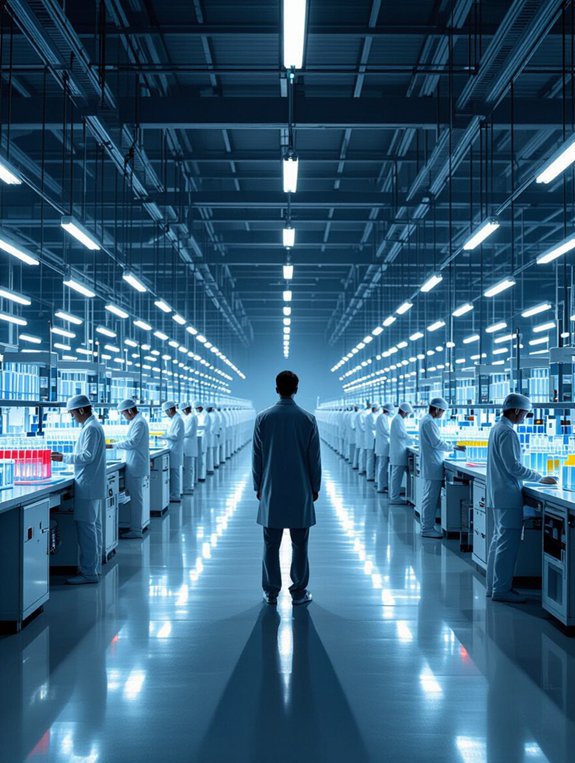
In *Brave New World*, the rulers of the World State choose safety over uniqueness.
They think societal stability matters more than personal dreams or deep feelings.
People learn to love their castes and jobs, so individuality vs. conformity feels settled.
Hypnopaedia repeats messages that push everyone toward the same beliefs and shallow ties.
Bernard Marx and John the Savage feel different and want real connection and truth.
Their struggle shows the hidden cost of too much order.
When soma quiets painful thoughts, people avoid questions that might awaken true freedom and joy.
Dystopian Society Control Through Consumption
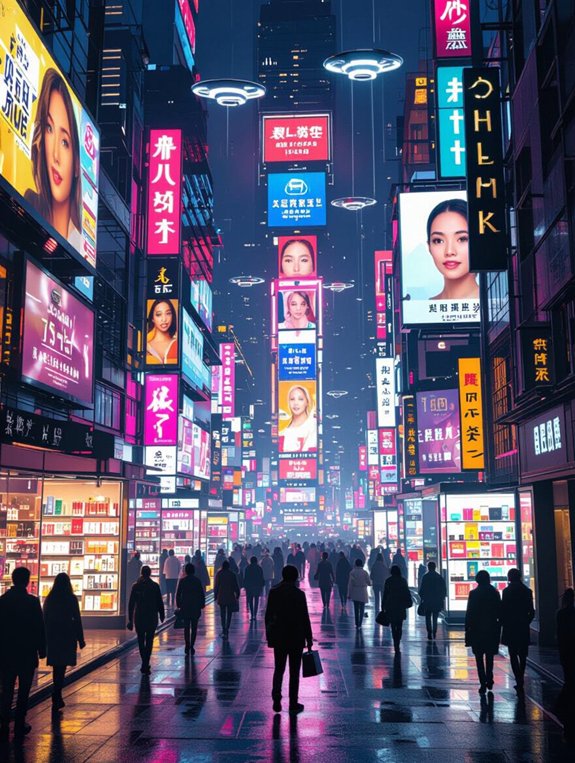
Shining store windows and endless new gadgets help control people in *Brave New World*. Citizens learn to build a consumer identity instead of a real inner life. Hypnopaedia teaches them to buy new things and avoid deep feelings. Soma blocks pain and doubt, so they rarely question the system. The materialism impact shapes every choice they make.
- Goods replace relationships, so people feel safe but strangely empty together.
- The Bokanovsky process turns humans into products that keep factories running.
- Constant advertising guides desires, so resistance feels lonely and even wrong.
Literary Devices and Narrative Structure Analysis

Storytelling in *Brave New World* works like a careful machine that shapes every idea.
Huxley uses a satirical tone to help readers see hidden problems.
A non linear narrative moves between scenes and memories and deepens thematic exploration.
Different character perspectives reveal how people react to control in different ways.
Vivid imagery makes the World State feel bright yet strangely empty.
Hypnopaedic slogans in dialogue show how language enforces societal compliance.
Shifts between the city and the Savage Reservation work as strong narrative devices.
Together these choices invite readers into thoughtful questions about belonging and freedom.
Huxley’s Warning About Technology and Power
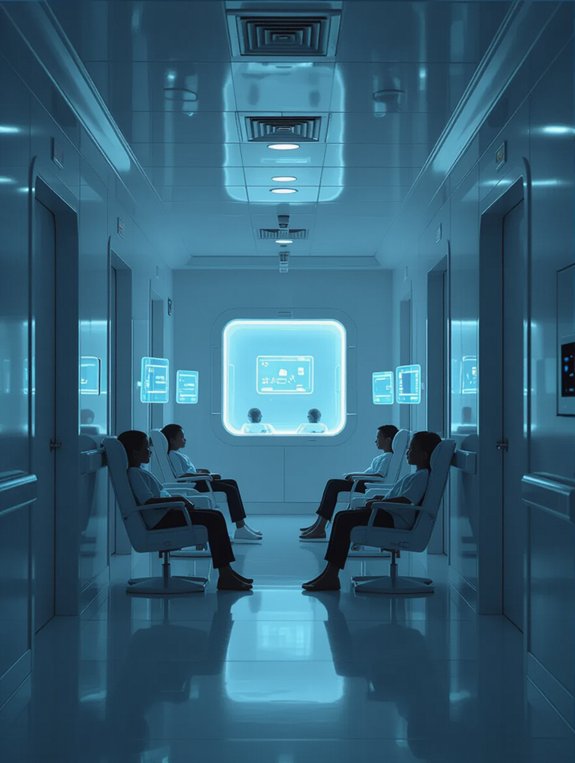
Strong technology in *Brave New World* looks exciting at first but hides real danger.
Huxley shows how technological manipulation quietly shapes every person’s life and choices.
Babies are designed for fixed roles.
Sleep-learning lessons repeat rules until they feel natural.
Soma removes fear and sadness.
People stop asking hard questions.
Powerful leaders keep control while citizens feel falsely safe and united.
- Technology shapes identity so people fit the needs of societal control.
- Comfort replaces curiosity and weakens real community.
- Controlled science blocks progress that could free and truly connect people.
Brave New World Compared to Orwell’s 1984
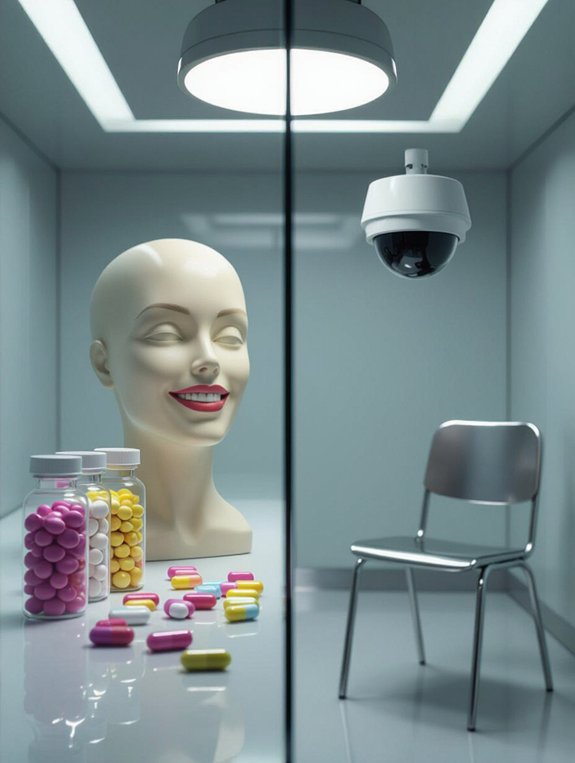
While Huxley warns about technology that controls people through comfort, Orwell shows a harsher path.
Both stories imagine total governments that shape how people think and act every day.
In Huxley’s world, control mechanisms feel soft and pleasant.
People take soma and enjoy constant fun, so they stop asking hard questions.
In Orwell’s world, control feels sharp and painful.
Fear, torture, and nonstop watching force people to obey.
Both societies crush individuality and demand societal conformity.
Huxley suggests happy slavery can be quieter yet deeply dangerous to human freedom.
Reception and Legacy Modern Relevance Today

Curiosity about Brave New World has never really faded, even many years after its release.
Readers still feel its strong censorship impact because people often try to ban it.
Yet it also wins awards and appears on “best novels” lists.
This shows how deeply it reaches many different groups of readers.
Today, people see clear technological parallels with social media, surveillance, and consumerism.
The book also shapes debates about genetic engineering and psychological control.
Huxley’s Brave New World Revisited proved the story stayed relevant as technology grew.
- It warns about losing individuality.
- It questions blind comfort.
- It invites thoughtful community.
Study Guide Questions and Critical Analysis

Many people today still care about *Brave New World*, and this interest grows deeper through questions and careful reading.
First, readers can ask about hypnopaedia effectiveness. Does sleep-teaching truly erase doubt, or do characters still feel hidden pain and confusion?
Another question investigates the consumerism critique. How does constant buying replace real thinking and shared feeling?
Students might also ask why John feels so alone and broken. What does his struggle say about freedom and control?
These questions help readers think together. They invite a shared search for meaning and courage.
Frequently Asked Questions
How Did Huxley’s Personal Life and Beliefs Directly Influence Brave New World’s Creation?
Like a wary gardener mapping a fragile shared future, Huxley’s upbringing in a scientific, intellectual family and his developing personal philosophies on spirituality, individuality, and mass culture directly influenced the novel’s warnings about conformity, control, and lost community.
What Are Lesser-Known Historical Events That Inspired Specific Scenes or Technologies?
Lesser-known influences include Ford’s assembly lines, Pavlov’s conditioning labs, eugenics conferences, and early broadcast experiments; these historical parallels molded scenes of hatcheries, sleep-teaching, and feelies, grounding Huxley’s technological predictions in real-world anxieties his readers quietly shared.
How Has Brave New World Influenced Modern Films, TV Shows, and Pop Culture References?
Like a seed beneath shared soil, it shapes dystopian aesthetics in films, TV, and memes, normalizing debates on societal control, conditioning, and pleasure-based conformity, guiding audiences to recognize, question, and collectively resist dehumanizing futures.
Which Early Drafts or Deleted Ideas Significantly Changed the Novel’s Final Message?
Early deleted concepts and draft variations softened the novel’s final message. Removing a gentler, more hopeful ending and curbing overt satire shifted Brave New World toward a starker warning, inviting readers into shared unease about controlled happiness.
How Do Translations of Brave New World Alter Its Tone and Philosophical Nuance?
Translations of Brave New World subtly reshape tone and philosophical intricacies through translation techniques that cause tone shifts, reflecting each culture’s values; this cultural context guides readers’ shared philosophical interpretations, inviting communities to question conformity, pleasure, and individuality together.