16 Key Themes in Emily Brontë’s Wuthering
- 16 Key Themes in Emily Brontë’s Wuthering
- Key Takeaways
- Plot Overview Wuthering Heights Family Saga Begins
- The Two Houses Thrushcross Grange Versus Wuthering Heights
- Character Analysis Heathcliff Catherine and Love Destroyed
- Wuthering Heights Destructive Power of Love and Revenge
- Civilization Versus Nature in Brontë's Gothic Novel
- Social Class and Romance Emily Brontë's Central Tragedy
- Supernatural Elements Ghosts and Enduring Past Trauma
- Frame Narrative Structure Nelly Dean and Lockwood Diary
- Second Generation Impact Cathy Hareton and Redemption
- Gothic Elements Dark Atmosphere and Psychological Horror
- Family Conflict Hindley Earnshaw and Vengeance Cycles
- Wuthering Heights Victorian Morality and Passionate Characters
- Symbolism The Moors Landscape and Human Wildness
- Good Versus Evil Moral Judgment and Personal Pity
- Brontë's Literary Style Gothic Romance and Excess
- Study Guide Wuthering Heights Critical Analysis Questions
- Frequently Asked Questions
- How Does Wuthering Heights Reflect Emily Brontë’s Personal Life and Experiences?
- What Are the Major Differences Between the Novel and Popular Film Adaptations?
- How Was Wuthering Heights Received by Critics When First Published?
- In What Ways Has Feminist Criticism Reshaped Interpretations of Wuthering Heights?
- How Can Wuthering Heights Be Compared to Charlotte Brontë’s Jane Eyre?
Emily Brontë’s *Wuthering Heights* investigates strong themes like wild love, bitter revenge, and strict social class. It contrasts calm civilization at Thrushcross Grange with stormy nature at Wuthering Heights. The moors mirror the characters’ moods and loneliness. The story questions good and evil through Heathcliff’s cruelty and pain. It also shows how pride, obsession, and family conflict can destroy people, while a new generation offers hope and gentle change for the future.
Key Takeaways
- The destructive power of obsessive love between Catherine and Heathcliff drives the plot, blurring boundaries between passion, possession, and self-annihilation.
- Revenge, fueled by class humiliation and betrayal, shapes Heathcliff’s life, corrupting multiple generations and showing vengeance as self-destructive.
- Social class and hierarchy dictate relationships, marriages, and opportunities, exposing the cruelty and rigidity of Victorian social structures.
- Nature versus civilization is dramatized through Wuthering Heights and Thrushcross Grange, with the moors mirroring inner turmoil, freedom, and emotional excess.
- Redemption and cyclical healing emerge in the second generation, as Cathy and Hareton reject inherited hatred and begin to repair family damage.
Plot Overview Wuthering Heights Family Saga Begins
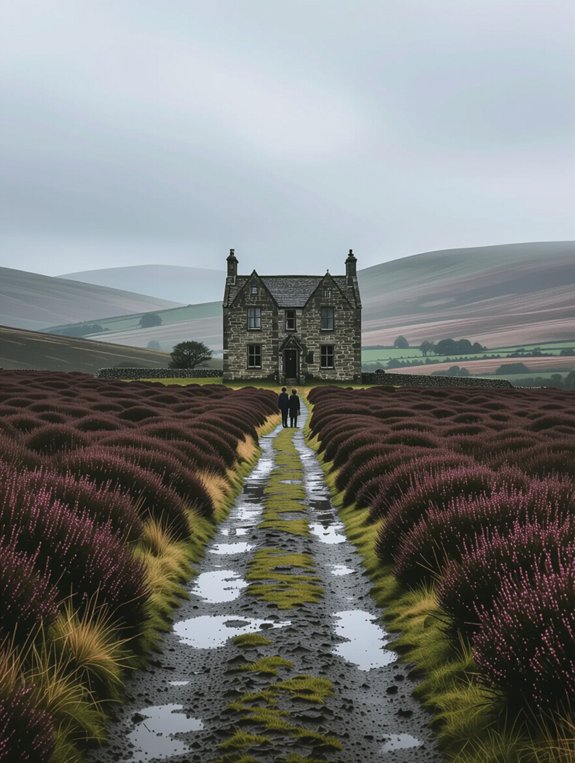
When the story of *Wuthering Heights* begins, a man named Mr. Lockwood visits Heathcliff in 1801. He finds the residents cold and unfriendly. Soon he becomes sick and must stay inside. Nelly Dean, the housekeeper, starts to talk. Through her narrative perspectives, readers learn about past events. She explains how Mr. Earnshaw brought home the orphan Heathcliff. She describes the strong character relationships between Heathcliff and young Catherine Earnshaw. Their bond grows intense and painful. Love, revenge, and class differences slowly mix together. The family saga begins to feel tangled and deeply human.
The Two Houses Thrushcross Grange Versus Wuthering Heights
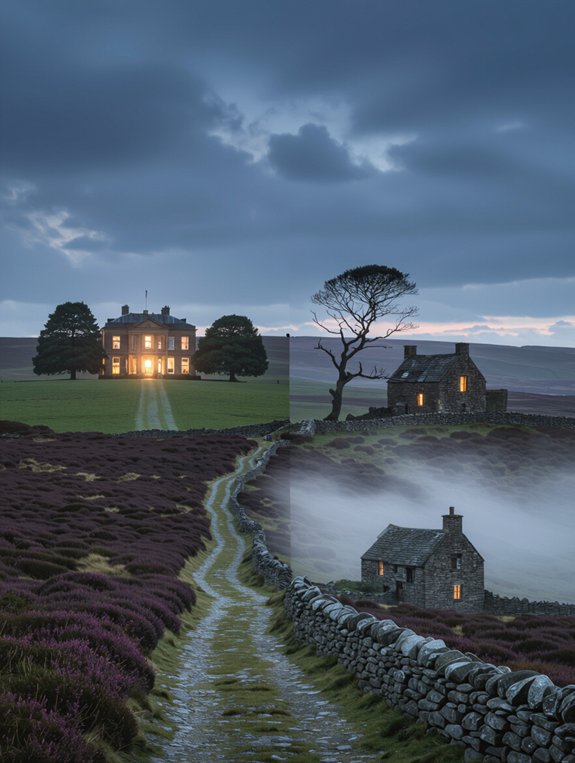
Although both places are homes, Wuthering Heights and Thrushcross Grange feel like different worlds.
Thrushcross Grange shows civilization contrast through order, bright rooms, and soft manners.
Its manicured gardens hint at safety and rules that bind people together.
Wuthering Heights sits among wild moors and feels full of emotional chaos.
Storms and rough winds match the fierce moods inside that house.
The Lintons offer politeness and quiet comfort.
The Earnshaws and Heathcliff reveal passion that often turns harsh.
Together the two houses show the pull between nature and society, freedom and control.
Character Analysis Heathcliff Catherine and Love Destroyed
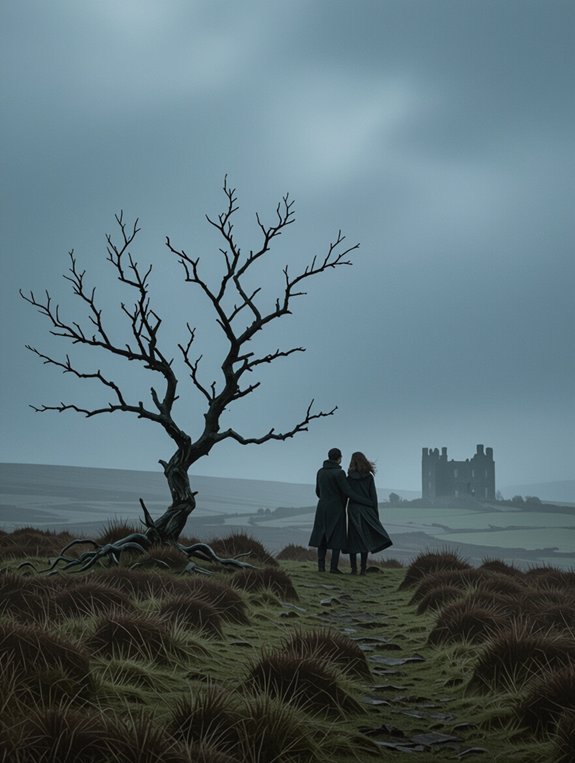
Even though Heathcliff and Catherine care for each other more than anyone else, their love does not bring peace or happiness. Their obsessive love gives them a potent sense of belonging, yet it traps them. Heathcliff builds his whole life around Catherine. This destructive passion pushes him toward cruel choices that hurt many people.
Catherine loves Heathcliff deeply but marries Edgar Linton for status and comfort. Her decision shows how society can twist the heart’s true desire. Their love feels noble and strong, yet it burns everyone near it and reaches beyond death itself.
Wuthering Heights Destructive Power of Love and Revenge
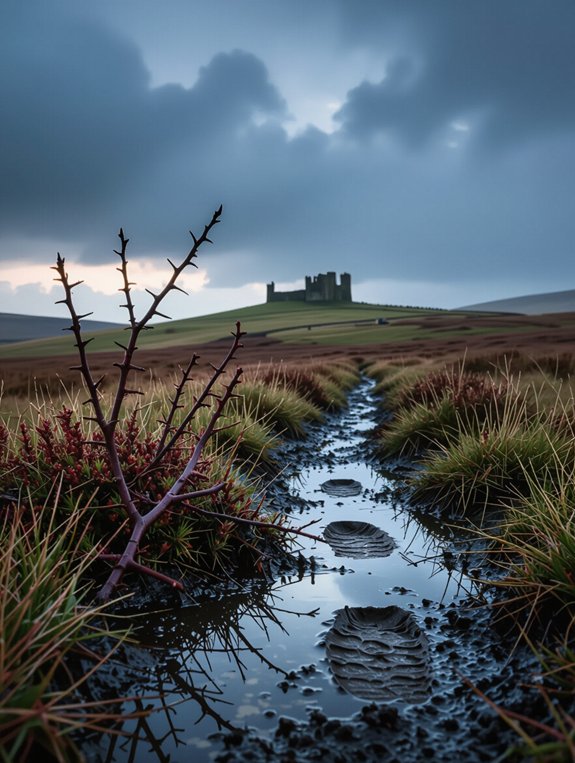
Wuthering Heights shows how love and revenge can twist people’s lives in painful ways. Readers see destructive love in Heathcliff and Catherine’s potent bond. It feels exciting yet unsafe. Their love shuts others out and hurts everyone close to them. Heathcliff’s vengeful obsession begins after Hindley’s cruelty. His pain slowly hardens into a plan for revenge. Catherine’s choice to marry Edgar for status deepens this wound. Heathcliff strikes back at Hindley, Edgar, the Lintons, Hareton, and Cathy. Each act of revenge creates more suffering. In the end, his broken heart and lonely death prove revenge destroys the avenger too.
Civilization Versus Nature in Brontë’s Gothic Novel
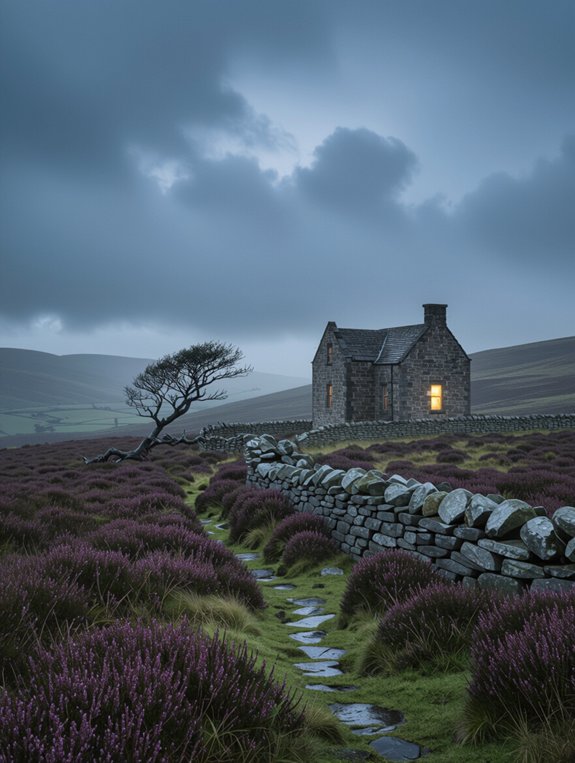
In Emily Brontë’s novel, the struggle between wild nature and polite society shapes everything. The windy moors feel free and open. Thrushcross Grange feels safe yet strict. Readers sense nature’s supremacy each time characters flee to the hills. Civilization’s constraints appear in stiff manners and careful words.
| Place | Symbol of | Feeling it creates |
|---|---|---|
| The moors | Wild nature | Freedom and deep emotion |
| Wuthering Heights | Stormy home | Fierce loyalty and anger |
| Thrushcross Grange | Polite society | Comfort and quiet limits |
Heathcliff belongs to storms. Edgar belongs to velvet rooms.
Social Class and Romance Emily Brontë’s Central Tragedy
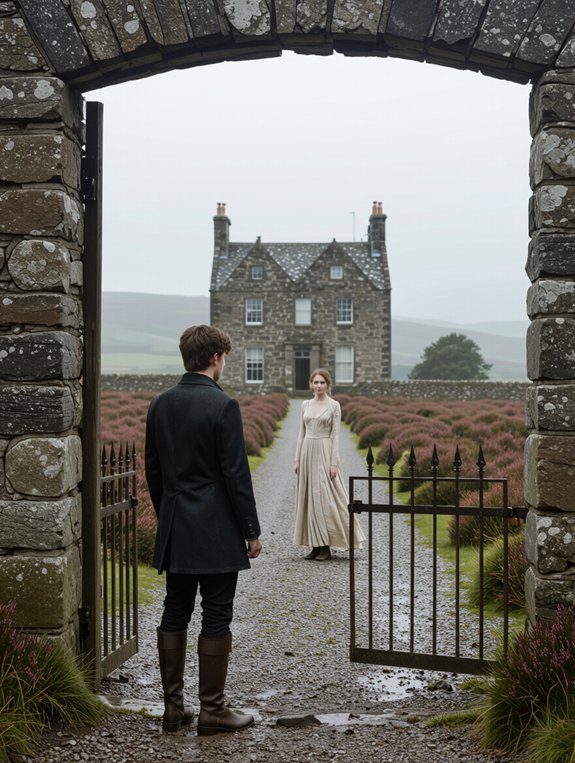
Although the love story in *Wuthering Heights* feels wild and magical, it is trapped by rules about money and family name. Emily Brontë shows how class struggle shapes every feeling. Heathcliff starts as an orphan, so Hindley mistreats him and destroys his place. Catherine knows her deep bond with Heathcliff is forbidden love. She marries Edgar Linton for status, not for her heart. This choice breaks her spirit. Later, Heathcliff gains wealth but never full respect. He ruins Hindley and Edgar’s heirs, proving how cruel class and romance become when society values rank over real love.
Supernatural Elements Ghosts and Enduring Past Trauma
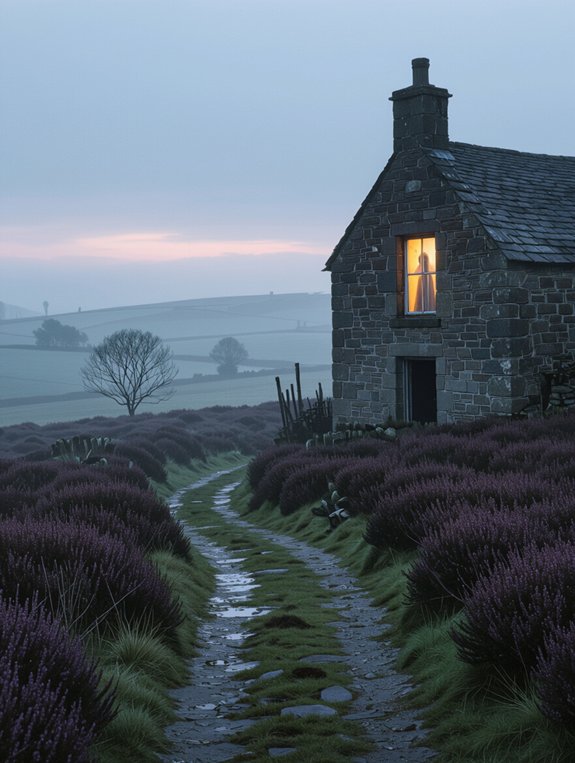
Ghostly shadows drift through this novel and turn ordinary scenes into something strange and impactful.
These supernatural manifestations are not just for scares. They reveal deep feelings and pain.
Catherine’s ghostly hauntings show how significant love and loss can be.
Heathcliff welcomes her spirit because he cannot let go of her.
He even opens her grave, proving his grief controls him.
The dead still matter here.
Catherine and Hindley continue to shape choices and relationships.
In Wuthering Heights the past never fully dies.
Ghosts show how old wounds still guide the living.
Frame Narrative Structure Nelly Dean and Lockwood Diary
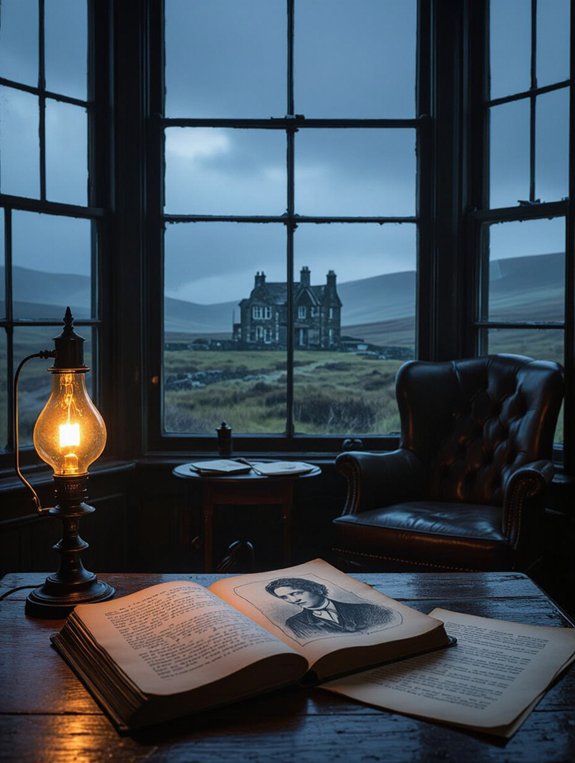
Many strange events fill the story, yet the way it is told feels just as mysterious.
Readers first meet Mr. Lockwood. He writes about his visit to the dark moors.
Then Nelly Dean tells him the long history of both families.
This frame narrative creates layers. It feels like hearing stories within stories.
Nelly’s voice seems close and familiar, yet her character bias shapes every scene.
Her loyalties guide what she shares and what she hides.
So narrative reliability becomes uncertain.
Lockwood adds another filter.
Together they remind readers that truth can shift with each storyteller.
Second Generation Impact Cathy Hareton and Redemption
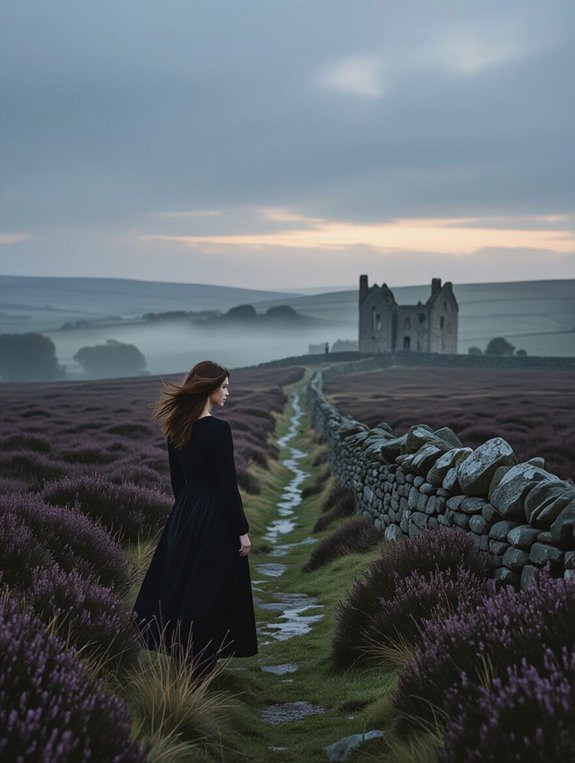
Redemption becomes a clear hope in *Wuthering Heights* when the story turns to Cathy Linton and Hareton Earnshaw. Their story offers a gentle redemption arc that feels welcoming and healing. At first, Cathy looks down on Hareton and copies her mother’s pride. Hareton acts rough because he grows up without love or learning. Slowly, their character growth begins. Cathy chooses kindness instead of scorn. Hareton works to read and learn. Together they reject revenge. Their new bond shows that love can mend broken families and open a hopeful future.
Gothic Elements Dark Atmosphere and Psychological Horror
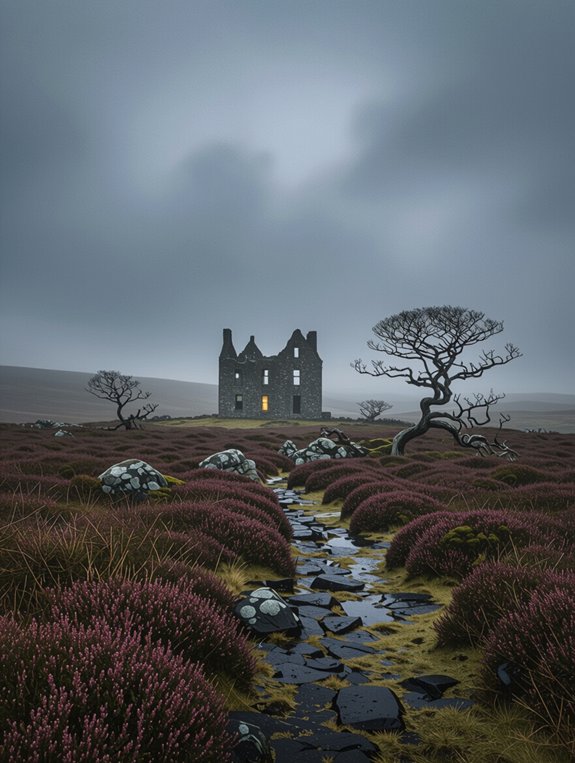
Darkness in *Wuthering Heights* does not just come from shadows or bad weather. It rises from the lonely Yorkshire moors and the cold stone house. This gothic atmosphere makes readers feel cut off from safety and comfort.
Supernatural events deepen this mood. Catherine’s ghost at the window shows how love can outlive death. Heathcliff’s reaction to her spirit reveals intense grief and psychological torment.
The strange house and wild storms keep fear close. The mixed-up timeline and changing narrators add mystery. Readers must question what is real, sharing the characters’ quiet dread.
Family Conflict Hindley Earnshaw and Vengeance Cycles
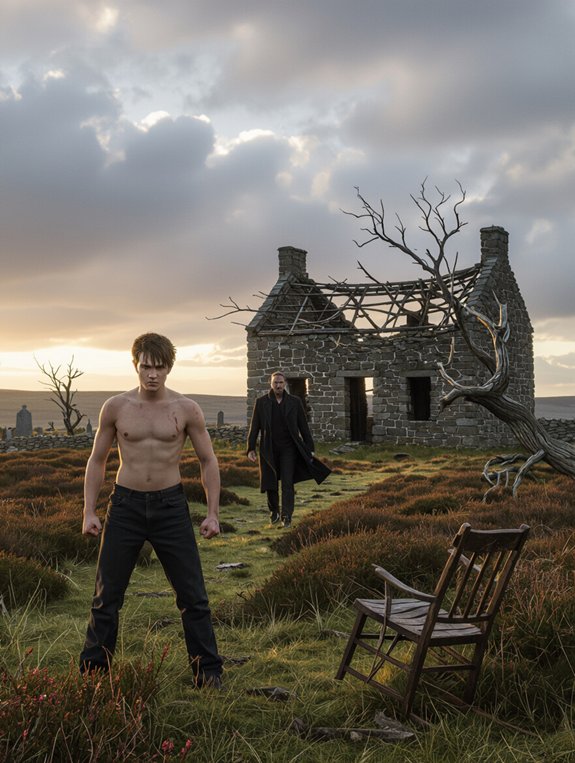
Family conflict in *Wuthering Heights* first bursts into view through Hindley Earnshaw’s anger. After their father dies, family relationships break down and sibling rivalry grows bitter. Hindley’s jealousy of Heathcliff turns into abusive interactions and harsh control struggles. This emotional trauma shapes both boys and starts cyclical revenge that feels impossible to escape.
Heathcliff later uses inherited grudges to take Wuthering Heights from Hindley. Generational conflict appears when Hindley’s son Hareton grows up without love or learning. Familial loyalty becomes twisted by pain and societal expectations. The story shows how revenge inside one home damages many lives across time.
Wuthering Heights Victorian Morality and Passionate Characters
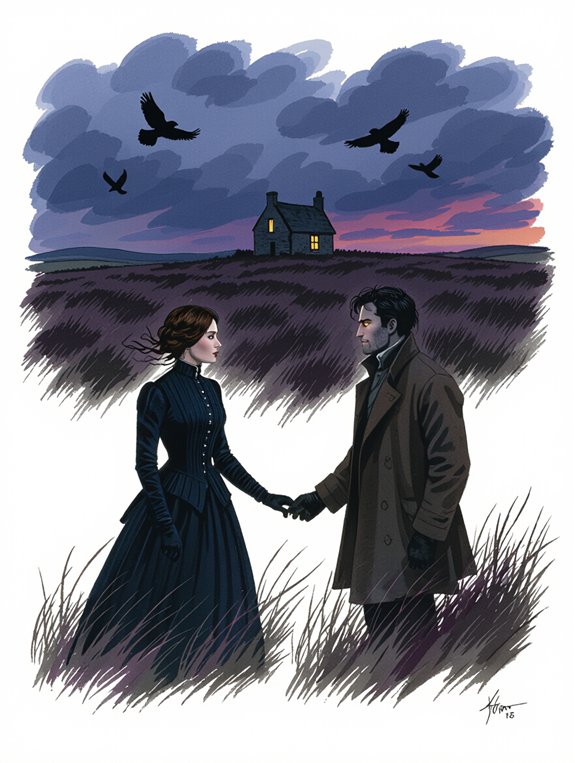
Victorian morality forms a strict backdrop for the wild hearts in *Wuthering Heights*. Readers see strong Victorian constraints shaping every choice and judgment. Yet many characters push back in passionate rebellion. Heathcliff and Catherine love each other with fierce obsession. Their bond ignores class, manners, and polite behavior. This love often harms them and others. Catherine resists normal ideas of a quiet, gentle woman. Heathcliff rejects rules for respectable men. Edgar Linton represents safety and proper conduct. His calm nature clashes with Heathcliff’s stormy spirit. Brontë shows how potent feelings can both connect people and tear whole families apart.
Symbolism The Moors Landscape and Human Wildness

The moors also show:
- Deep loneliness when characters wander far from home
- Strong passion when wind and thunder rise around them
- Short peace when the sky clears after a storm
This changing scenery helps readers feel each character’s hidden storms.
Good Versus Evil Moral Judgment and Personal Pity

Moral conflict fills *Wuthering Heights* and makes readers question who is truly good or evil.
Heathcliff seems cruel and harsh, yet his deep love for Catherine creates moral ambiguity.
Readers see his pain and may view him as one of the sympathetic villains.
Edgar Linton appears gentle and “good” but cannot protect happiness or peace.
Hindley treats Heathcliff badly yet also suffers from fear and loss.
These mixed traits invite personal pity and challenge simple judgment.
Heathcliff’s revenge finally brings emptiness, not joy.
The story suggests that winning through cruelty still destroys the heart within.
Brontë’s Literary Style Gothic Romance and Excess
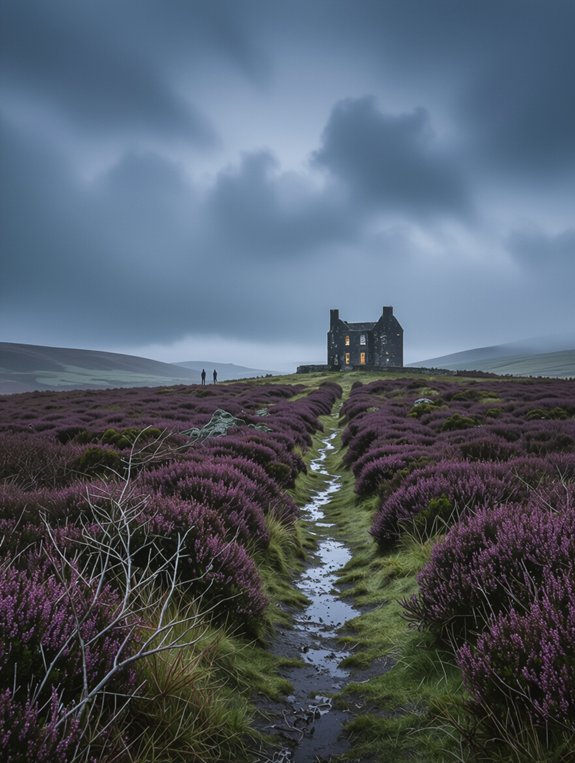
Brontë also builds Emotional Excess into every relationship. Feelings seem too big for one person to hold. Readers can notice:
- Ghosts that keep love and pain alive
- Sceneries that mirror anger and desire
- Narrators whose twisted views pull readers into deep uncertainty
Study Guide Wuthering Heights Critical Analysis Questions

How can a story so full of anger, love, and ghosts make readers think deeply?
Students can use these questions to investigate together.
How do revenge motives shape Heathcliff’s choices and damage every relationship around him?
How does Catherine’s love for both Heathcliff and Edgar create pain and division?
What isolation effects appear at Wuthering Heights and Thrushcross Grange?
How does loneliness change Heathcliff and Hindley over time?
How do ghostly scenes show that love and hate can outlive the body?
How does class difference push Catherine to choose Edgar and leave Heathcliff outside?
Frequently Asked Questions
How Does Wuthering Heights Reflect Emily Brontë’s Personal Life and Experiences?
Wuthering Heights reflects Emily Brontë’s personal life through intense personal relationships and profound isolation themes, echoing her reclusive moorland existence, emotional inwardness, and longing for deep, unwavering connection within a world that often felt distant and unforgiving.
What Are the Major Differences Between the Novel and Popular Film Adaptations?
Major differences arise through softened character portrayal and sweeping plot alterations that tame Brontë’s bleak vision, inviting viewers to test the theory that love stories must offer comfort, even when the novel insists on wild, isolating passion.
How Was Wuthering Heights Received by Critics When First Published?
It initially received mixed, often hostile, contemporary reviews; critics condemned its violence, moral ambiguity, and unconventional structure. Over time, however, that harsh initial reception softened, and later readers welcomed it into the shared canon of beloved classics.
In What Ways Has Feminist Criticism Reshaped Interpretations of Wuthering Heights?
Feminist criticism reorients readings toward resistance: who controls desire, space, and authority? It highlights constrained gender roles, interrogates changing narrative voice, and uncovers how silenced women’s experiences invite readers into a shared, questioning community of interpretation and care.
How Can Wuthering Heights Be Compared to Charlotte Brontë’s Jane Eyre?
Wuthering Heights and Jane Eyre invite comparison through character parallels—Heathcliff/Rochester, Catherine/Jane—and intertwined yet contrasting narrative structure, contrasting wild passion with moral growth, helping readers feel part of a shared, emotionally complex Gothic family across both novels.